
(DISCLAIMER: I am not a doctor, and you should consult your healthcare professional before starting any health regimen. Product links are commissioned and supports the blog)

Key takeaways for easing congestion with essential oils
Keep these points in mind before you mix anything. The four oils work in different ways, and the best choice depends on what your congestion feels like. A small amount often gives the best result.
- Peppermint gives the quickest cooling, open-nose feeling.
- Eucalyptus is a strong choice when mucus feels thick or sticky.
- Tea tree fits blends when irritation or germs may be part of the problem.
- Rosemary works well in chest rubs and steam bowls.
- Use short sessions, dilute on skin, and stop if anything feels irritating.
- Get medical care if congestion lasts more than 10 to 14 days, or if you have trouble breathing, swelling, or worsening symptoms.
A clogged nose can make the whole day feel heavier. Breathing gets noisy, sleep feels choppy, and even simple tasks take more effort than they should.
That’s why many people turn to peppermint, eucalyptus, tea tree, and rosemary essential oils for comfort. These oils may help breathing feel easier, loosen mucus, and support a clearer, fresher sense of air, but they are not a cure for congestion. Safety matters too, since these oils can be strong and need proper dilution.
How peppermint, eucalyptus, tea tree, and rosemary each support easier breathing
Each of these oils brings a different kind of comfort. Some feel cooling. Some help mucus move more easily. Others are chosen for their cleansing scent and support during a stuffy spell. That difference matters, because the right oil can match the way your congestion feels.
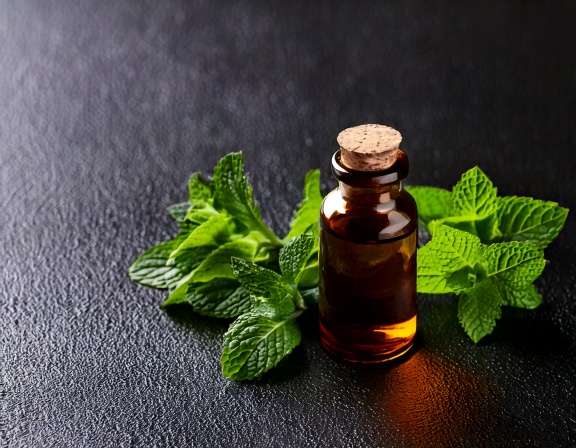
Peppermint helps the nose feel open
Peppermint oil is known for menthol, the compound that creates its cool, sharp scent. That cooling feeling can make the nose seem less blocked, even when the swelling is still there.
People often reach for peppermint when they want quick relief from a stuffy nose or a heavy chest. It also shows up often in chest rubs because the scent feels bright and clearing. Use it in small amounts, though, because peppermint can feel strong fast.
Eucalyptus helps break up thick mucus
Eucalyptus is often the first oil people think of for congestion. Its main compound, 1,8-cineole, is linked to mucus support and a clearer breathing feel.
That makes it useful when congestion feels sticky or deep. Eucalyptus is common in vapor rubs and steam inhalation blends for that reason. If eucalyptus is the one you want to understand first, using eucalyptus oil for allergy congestion gives a deeper look at how it fits into sinus comfort.
Tea tree adds antimicrobial support
Tea tree oil has a clean, medicinal scent, and many people use it when congestion comes with irritation or a feeling of stuffiness tied to germs. Its terpinen-4-ol content gives it a strong antimicrobial reputation.
Tea tree also has a calming, cleansing character in blends. It often works best in a diffuser or mixed with other oils instead of used alone on skin. For that reason, it plays a supporting role more than a starring one.
Rosemary can support deeper, easier breathing
Rosemary is a good choice when chest congestion feels stubborn. Its camphor-like scent gives it a crisp edge, and that makes it popular in steam blends and chest rubs.
Many people pair rosemary with peppermint or eucalyptus because the scents work well together. Rosemary helps round out the blend, especially when mucus feels slow to move and breathing needs a little more support.
The safest ways to use essential oils for congestion at home
There are three simple ways to use these oils at home, and each one gives a different kind of relief. Steam gives quick scent exposure. Diffusing fills a room with a lighter aroma. Topical use brings the blend close to the chest or neck.
Stronger doesn’t mean better. For congestion, a small amount often works best and lowers the chance of irritation.
Steam inhalation for quick, direct relief
Steam is useful when you want fast nose comfort. Add a few drops of oil to a bowl of hot water, then lean over it with a towel draped loosely around your head.
Keep your eyes closed, breathe slowly, and stop after a short session. Never use boiling water directly, and keep your face far enough away to avoid burns. Steam works best for short-term relief during a stuffy spell.
Diffusing oils to ease stuffy airways
A diffuser spreads the aroma through a room, so it’s a gentle option for evenings or bedtime. This can be a good fit if you want support without putting oils on your skin.
Use a light hand, especially with peppermint and eucalyptus. A room should smell fresh, not sharp. If you want more ideas for scent pairings, the site’s best diffuser blends for sinus congestion guide is a helpful next stop.
Topical use with carrier oil
For chest or neck use, mix essential oils with a carrier oil first. Jojoba, sweet almond, or fractionated coconut oil all work well.
A patch test is smart before you use any new blend. Put a small amount on the inner arm and wait to see how your skin reacts. Stronger blends are not better, especially near the face. Keep oils away from the eyes, nostrils, and broken skin.
Easy congestion relief recipes readers can make today
These simple recipes use common supplies and keep the oil count low. They’re easy to adjust, and each one fits a different kind of congestion.
A simple diffuser blend for stuffy days
For a balanced room blend, try 3 drops peppermint, 3 drops eucalyptus, 2 drops tea tree, and 2 drops rosemary. Peppermint gives the cooling lift, eucalyptus supports mucus flow, tea tree adds a clean note, and rosemary rounds out the scent.
This blend works well for daytime use or a quiet evening at home. Start with a short diffuser run, then see how the room feels before adding more. If the scent feels too strong, cut the amounts in half.
A homemade chest rub for evening comfort
Mix 2 drops peppermint, 2 drops eucalyptus, and 1 drop rosemary into 1 teaspoon of carrier oil or a plain balm base. Rub a small amount on the chest, upper back, or the sides of the neck.
This makes a cozy bedtime routine when your breathing feels tight and your chest feels heavy. Use a thin layer only. A rich rub should feel soothing, not overpowering.
A quick steam bowl for short-term relief
For a simple steam session, use 1 drop peppermint and 1 drop eucalyptus in a bowl of hot water. That’s enough for a quick, sharp inhale that may help a blocked nose feel more open.
Keep the session short, usually only a few minutes. Use this as a short-term comfort tool, not something to repeat all day. A little goes a long way with steam.
Who should be extra careful before using these oils
Essential oils can help with comfort, but they are not a replacement for medical care. That matters most when congestion is part of a bigger illness or when symptoms keep getting worse.
Children need extra caution, since some oils, especially peppermint, eucalyptus, and tea tree, can be too strong for young ages. Pregnancy and nursing are also times to ask a healthcare professional before use. People with asthma, allergies, or other breathing issues should be careful with diffusing and steam, since scent can trigger irritation.
Skin sensitivity is another issue. If your skin is reactive, keep topical blends very light and test one small spot first. If you feel burning, coughing, wheezing, dizziness, or headache, stop right away. Congestion that lasts, or congestion with fever, swelling, or chest pain, needs medical attention.
Conclusion
Peppermint gives that cool, open feeling when your nose feels shut. Eucalyptus is the best fit when mucus feels thick. Tea tree brings cleansing support, and rosemary helps round out blends for deeper breathing comfort.
Start small, dilute carefully, and choose the method that fits your day, whether that’s steam, a diffuser, or a gentle chest rub. If congestion lingers too long or comes with severe symptoms, get medical help instead of waiting it out. A well-chosen oil can make breathing feel easier, but safe use matters most.
Stay Connected for More Natural Living Inspiration
If you enjoyed this post about herbal wellness and love discovering natural ways to refresh your home and wellness, don’t miss out on future recipes and clean-living tips! Subscribe to the blog for weekly DIYs, wellness inspiration, and herbal remedies delivered straight to your inbox.
Don’t forget to visit my Amazon storefront for the links to my favorite essential oils, herbal teas, and natural recipes. I also create YouTube ambiance videos for sleeping; a channel I created to help people who have trouble sleeping. The link to all social media content is here.
Thanks for coming by!


Leave a Reply