
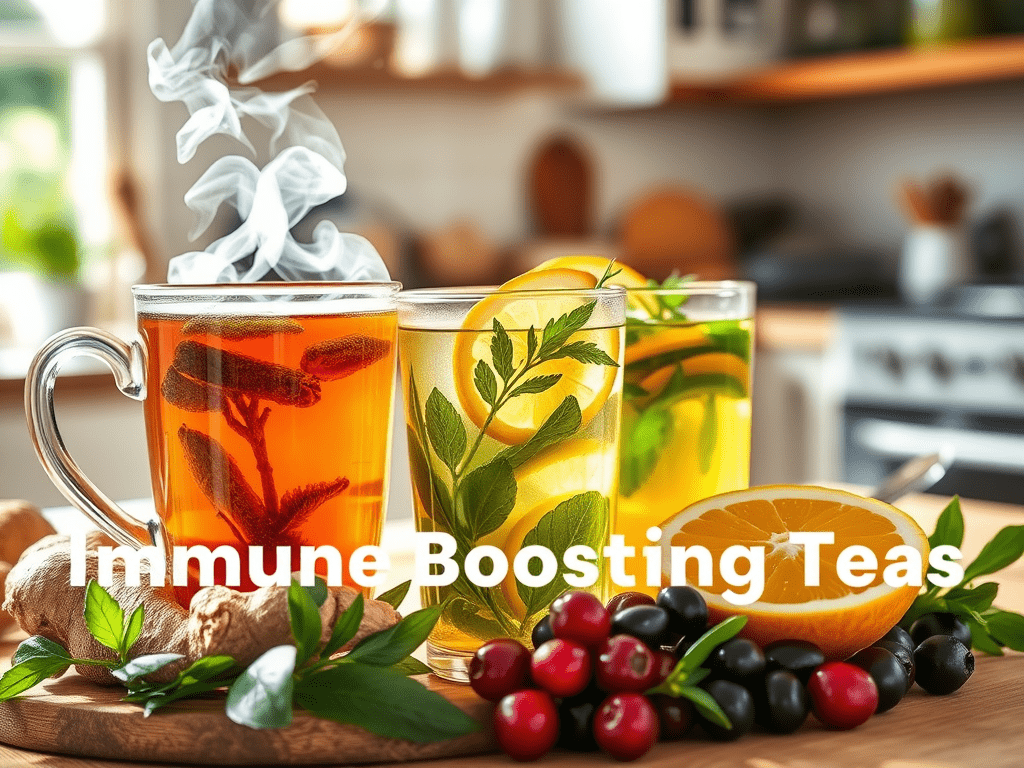
(DISCLAIMER: I am not a doctor, and you should consult your healthcare professional before starting any health regimen.)

Every year, as seasons shift, keeping your immune system strong becomes more important if you want to avoid getting sick. For many, a healthy routine now includes enjoying immune boosting teas herbal immunity tea blends packed with powerful natural ingredients that help support your body’s defenses. These soothing teas offer a simple, tasty way to add extra protection against colds and seasonal bugs.
In this post, you’ll discover the top 7 herbal teas known for strengthening your immune system and helping with cold prevention. From classics like ginger and echinacea to antioxidant-rich elderberry and green tea, each is backed by tradition and growing scientific support. If you want more science on how teas support wellness, check out these immune boosting tea blends for ideas and recipes that go even further. Grab your favorite mug, it’s time to give your health a natural boost this season.
Why Choose Herbal Teas for Immune Support?
If you’re searching for natural ways to support your immune system, herbal immunity tea stands out as a time-tested favorite. Herbal teas blend tradition, taste, and science in one soothing cup, delivering plant compounds known to support your defenses. Unlike sugary drinks or over-the-counter fixes, these immune boosting teas give your body a gentle nudge right where it needs it most. But what makes them so effective for cold prevention?
Science-Backed Support from Plants
Herbal teas are more than just warm comfort. Many herbs contain bioactive compounds like polyphenols, antioxidants, and anti-inflammatory ingredients. These nutrients work in harmony to help your immune system fight off bugs, manage inflammation, and recover faster from minor illnesses.
Some scientific highlights:
- Polyphenols found in green tea and elderberry help neutralize damaging free radicals.
- Gingerols from ginger root ease inflammation that can stress your immune response.
- Echinacea phytochemicals stimulate the production of white blood cells, the body’s natural defense squad.
- Vitamin C in rosehip and hibiscus teas ramps up immune cell activity.
These natural ingredients help your body handle challenges from the inside out, making herbal immunity tea a simple daily ritual for cold prevention.
Why Herbal Teas Trump Synthetics
Unlike many store-bought supplements, quality herbal tea offers nutrients in their whole, bioavailable form. Drinking tea lets you absorb these powerful compounds gradually, which is gentler on your system. For those wary of synthetic boosters, herbal teas offer:
- Fewer artificial additives and preservatives
- No harsh chemical aftertaste
- A relaxing sensory break (aroma, warmth, and flavor)
Plus, sipping a hot tea can help thin mucus and soothe scratchy throats, two common seasonal complaints.
Key Immunity-Boosting Ingredients in Herbal Teas
The best herbal immunity teas pack more than just one powerful plant. These common ingredients appear in many blends trusted for immune support:
- Ginger root: Fights infection, reduces inflammation, and soothes digestion.
- Echinacea: Well-known for stimulating the immune system and shortening colds.
- Elderberry: Loaded with antioxidants that protect cells and speed up recovery.
- Licorice root: Supports throat health and acts as an adaptogen.
- Turmeric: Contains curcumin with strong anti-inflammatory and antioxidant effects.
- Rosehip: Packs a hefty dose of vitamin C for immune resilience.
- Peppermint: Calms the stomach and supports respiratory health.
These ingredients don’t just boost your immune defenses, they taste great and bring a soothing ritual to your daily routine.
Herbal Teas as Part of a Holistic Lifestyle
Herbal teas can be a key part of broader immune support, especially when combined with other healthy habits. You might also be exploring topical options for protection, especially if you’re interested in plant-based wellness. For a powerful, plant-based boost beyond tea, discover more about everyday Tea Tree Essential Oil Benefits and how this natural remedy can support both skin health and immunity.
Sipping herbal immunity tea is more than just a cozy habit, it’s a small but mighty step you can take every day for cold prevention and overall wellness.
Top 7 Immune Boosting Teas for the Season
When cold and flu season knocks at your door, your best defense might be found in your kitchen cabinet. Immune boosting teas offer natural support for your body’s defenses, helping you stay healthy and energized. Whether you’re looking to keep sniffles at bay or just want a cozy cup with a purpose, these seven herbal immunity teas are both effective and enjoyable. Each tea brings something special to the table for cold prevention and overall wellness.
Echinacea Tea: Thriving Immunity Support
Echinacea is a standout choice for anyone focused on cold prevention. This flowering herb is known for activating your immune system, making it easier for your body to fight off infection. Echinacea tea is especially popular when you feel a scratchy throat or the first signs of a cold.
Major benefits:
- Stimulates white blood cell production, the body’s natural defense.
- Reduces the length and severity of colds when taken at the first sign of illness.
- Packs anti-inflammatory properties for added relief.
Best way to enjoy: Steep dried echinacea leaves or a pre-blended tea for 5–7 minutes. Add a spoonful of raw honey to soften the earthy taste and boost soothing benefits.
Elderberry Tea: Potent Cold Prevention
Elderberries are tiny but mighty when it comes to support for the immune system. Elderberry tea is rich in antioxidants and vitamins, making it a favorite herbal immunity tea during the winter months.
Major benefits:
- High levels of flavonoids that defend against viruses and support immune response.
- May shorten the duration and reduce the severity of cold and flu symptoms.
- Supports respiratory health and helps soothe coughs.
Best way to enjoy: Brew dried elderberries alone or in a blend. Add cinnamon or clove for extra warmth and flavor.
Ginger Tea: Warming Health Defense
If you love a warming kick, ginger tea is your loyal health companion. Known for its spicy, invigorating flavor, ginger is praised for nurturing the immune system while aiding digestion and reducing inflammation.
Major benefits:
- Helps fight infection with natural antimicrobial compounds.
- Eases sore throats and break up chest congestion.
- Reduces inflammation that can stress your immune system.
Best way to enjoy: Slice fresh ginger root and simmer in hot water for 10–15 minutes. Add lemon or honey for a zesty, comforting cup. For more on ginger’s wellness perks, browse these wellness insights by diwrites.
Peppermint Tea: Calming and Protective
Peppermint tea is as soothing for the mind as it is for the body. This crisp, cool herb supports upper respiratory wellness and calms the digestive system, making it ideal when you’re feeling run-down.
Major benefits:
- Contains menthol, which helps clear nasal passages.
- Eases headaches and minor aches that come with colds.
- Supports digestion, calming stomach discomfort.
Best way to enjoy: Brew with fresh or dried peppermint leaves for 5–7 minutes. Enjoy hot to breathe in the vapor or iced for a refreshing pick-me-up.
Tulsi (Holy Basil) Tea: Adaptogenic Immunity
Tulsi, also called Holy Basil, is a cherished herb in traditional medicine. It’s valued for its adaptogenic properties, which help your body manage stress and maintain balance.
Major benefits:
- Regulates cortisol and helps your immune system adjust to physical stress.
- Packed with antioxidants and anti-inflammatory compounds.
- Supports respiratory health and may ease congestion.
Best way to enjoy: Steep tulsi leaves alone or in a blend with ginger or licorice root. Savor it in the morning for a calm, focused start or during high-stress days.
Licorice Root Tea: Soothing Aid for Colds
Licorice root tea offers more than just a sweet, comforting flavor. It’s a traditional go-to for coughs, sore throats, and cold prevention.
Major benefits:
- Soothes irritated throats and quiets coughs naturally.
- Supports mucus membrane health, making it easier to breathe.
- Acts as an adaptogen, supporting stress balance.
Best way to enjoy: Steep small pieces of dried licorice root (or a tea bag) for 5 minutes. Pair with ginger or peppermint for a balanced, gentle cup. Note: Those with high blood pressure should enjoy licorice root in moderation.
Hibiscus Tea: Antioxidant Powerhouse
Hibiscus tea stands out as both beautiful and healthful. Its deep red color signals a rich antioxidant content that benefits both the immune system and the heart.
Major benefits:
- Loaded with vitamin C, an essential nutrient for immunity.
- High in polyphenols that help neutralize harmful free radicals.
- Naturally supports healthy blood pressure and heart function.
Best way to enjoy: Steep dried hibiscus petals in hot water for 7–10 minutes for a tart, refreshing drink. Add a drizzle of honey or blend with rosehip for an extra vitamin C punch.
Each of these herbal immunity teas brings powerful, unique benefits that can fit right into your daily routine. Whether you’re looking to get ahead of seasonal bugs or simply want a healthy habit, there’s a blend for every taste and need.
How to Maximize the Benefits of Herbal Immunity Teas
Herbal immunity teas can be much more than a cozy comfort. With a few intentional tweaks to your tea routine, you can stretch every ounce of immune-strengthening benefit from your favorite blends. Think of this as upgrading your daily cup for both taste and effectiveness. By paying attention to how you prepare, combine, and enjoy these immune boosting teas, you’ll set your body up for better cold prevention and total wellness.
Steep It Right for Maximum Potency
The way you brew herbal immunity tea matters for getting the full support of each ingredient. Most immune boosting teas need a longer steeping time than your average black or green tea.
- Herbs with roots or berries (like ginger, elderberry, or licorice root) should be simmered for 10 to 15 minutes in gently boiling water. This pulls out the strong, immune-supporting compounds.
- Leaves and flowers (such as echinacea or peppermint) usually only need 5 to 7 minutes of steeping in hot, but not boiling water. Oversteeping can make your tea taste bitter without adding extra benefits.
- Always cover your mug or teapot while steeping. This keeps in the aromatic oils that support immunity and gives more flavor too.
It’s helpful to make tea fresh when possible. If you want a stronger batch, double up the herb amount rather than steeping for much longer.
Find Your Best Dosage
Knowing how much herbal tea to drink is key. While these teas are natural, they’re still powerful.
- For daily cold prevention, 1 to 3 cups of herbal immunity tea is a safe sweet spot for most adults.
- At the first sign of illness, you might sip up to 4 cups a day while symptoms last (unless your doctor suggests otherwise).
- Always check the tea’s ingredient list and your personal tolerance, especially if you’re mixing blends. Herbs like licorice root may not suit everyone with certain health conditions.
Consistency is more important than quantity. Try building your tea habit at a regular time each day for lasting results.
Boost Effects By Blending Ingredients
Combining several immune boosting teas or herbs can create a more balanced, multi-layered approach to cold prevention. For added benefit, try these combinations:
- Mix ginger root with tulsi for both immune strength and stress balance.
- Blend elderberry with hibiscus for a double antioxidant punch and a tart, vitamin C-rich cup.
- Combine echinacea with peppermint for powerful defense and a cool, soothing finish.
You can experiment by rotating blends to cover more wellness bases throughout the week.
Add Supportive Rituals
Tea alone can do a lot, but pairing it with other wellness habits locks in protection for cold season. A few simple add-ons:
- Pair your herbal immunity tea with a nourishing snack, like citrus fruit or raw honey, for an extra boost of vitamins and antioxidants.
- Practice mindful sipping. Take a few calming breaths with each cup. This supports stress reduction, which is critical for immune health.
- Layer your cold prevention routine by including relaxing aromatherapy. For example, explore some Cozy Winter Diffuser Recipes alongside your evening tea to help purify the air and set a comforting mood.
Integrate Tea Into a Holistic Wellness Plan
Herbal immunity tea works best as part of a broad wellness plan. Make these teas a staple, but also remember:
- Get plenty of quality sleep, your body restores and recovers overnight, supporting the immune system.
- Stay active and hydrated. Movement encourages healthy circulation, spreading those herbal compounds throughout your body.
- Combine tea routines with other immune-supporting practices. If you’re curious about using oils in addition to tea, check out these Essential Oil Diffuser Blends for Allergies for a holistic approach.
Even small tweaks to your daily tea ritual can spark big shifts in your health. When you treat your mug as both a comfort and a wellness tool, immune boosting teas become your secret weapon in the fight for cold prevention all season long.
Other Lifestyle Tips for Cold Prevention and Immune Strength
While herbal immunity tea is a star player in cold prevention, the truth is, your daily choices work together like a team. Immune boosting teas should be part of a bigger picture for staying healthy. Every sip helps, but combining a few simple lifestyle tweaks can take your cold prevention efforts further. Small changes in your habits can have a big impact on your body’s strength and your ability to fight off seasonal bugs.
Prioritize Restful Sleep
Good sleep acts like a reset button for your immune system. When you get enough quality rest, your body repairs, builds new cells, and balances important immune responses. Chronic lack of sleep, on the other hand, weakens defenses and leaves you open to getting sick more often. Most adults need 7 to 9 hours of sleep a night to feel and function their best.
Tips for sleep support:
- Stick to a consistent bedtime, even on weekends.
- Keep the bedroom cool and dark.
- Avoid screens for at least 30 minutes before bed.
- Try winding down with a caffeine-free herbal immunity tea, like chamomile or tulsi, in the evening.
Hydrate Throughout the Day
Every cell in your body needs water to function, including those leading your fight against germs. Adequate hydration helps flush toxins and keeps mucus membranes moist, trapping invading microbes before they can take hold.
Easy ways to boost hydration:
- Carry a reusable water bottle and refill often.
- Sip warm immune boosting teas between meals.
- Add a splash of lemon or a few mint leaves to water for flavor variety.
- Cut back on sugary sodas and limit alcohol which can be dehydrating.
Manage Everyday Stress
Stress taps out your immune system fast, sometimes before you even realize it. Tension and worry cause your body to release extra cortisol, a hormone that can suppress important immune functions over time. Finding ways to keep stress in check supports stronger defenses.
Quick stress relievers:
- Take three deep breaths when you feel overwhelmed.
- Get outside for a short walk, even on busy days.
- Try a few minutes of meditation or simple stretching.
- Pair your self-care with a comforting cup of herbal immunity tea.
- For a mood boost, check out these Top 5 Mood Boosting Essential Oils that can naturally lift your spirits.
Eat for Immune Support
What you put on your plate sets the tone for how your body handles germs. Focus on real, whole foods packed with vitamins and minerals. Bright, colorful fruits and vegetables, whole grains, and healthy fats offer nutrients to keep your immune system in top form.
Smart nutrition choices:
- Include citrus, bell peppers, and dark leafy greens for vitamin C.
- Snack on nuts and seeds for vitamin E and zinc.
- Add garlic, onions, or turmeric to meals for natural immune support.
- Choose lean proteins like fish, chicken, or beans which help rebuild cells.
Move Your Body Consistently
Physical activity doesn’t need to mean hours in the gym just regular movement keeps blood flowing and supports a healthy immune system. Consistent exercise can lower inflammation, boost circulation, and even help flush bacteria from your lungs and airways.
Keep it simple:
- Take a brisk 20-minute walk after lunch or dinner.
- Dance to your favorite playlist, even if just for one song.
- Stretch or do a few yoga poses after waking up.
- Try a quick home workout or bodyweight exercises.
Optimize Your Air and Environment
Cold and flu viruses can thrive in dry or stale air. Keeping your environment fresh can help limit your risk. Use a humidifier if the air is dry, and ventilate rooms by cracking a window now and then. Regularly clean surfaces that get touched a lot. Adding aromatic support can deliver even more wellness benefits, explore how Essential Oils for Allergy Relief can be a smart partner to immune boosting teas by visiting this guide on Natural Allergy Remedies with Essential Oils.
Make Healthy Habits Stick
Forming routines makes it easier to keep up with these small steps. You don’t have to be perfect, progress and consistency matter much more than perfection. Choose at least one tip to add to your routine this week and build from there.
A holistic approach, using immune boosting teas alongside these habits, sets you up for stronger immunity and greater cold prevention throughout the year. Even when life feels hectic, a little planning and care can make all the difference in supporting your body’s defenses.
Conclusion
Herbal immunity teas make it easy to bring natural support into your daily routine. Each cup delivers immune boosting teas that not only taste great, but also help your body stay strong against colds and seasonal bugs. These blends work with your whole body, fitting right alongside healthy habits like better sleep and smart nutrition.
Enjoying a simple mug of herbal tea each day can spark positive change in your well-being. With options like ginger, elderberry, and echinacea, there’s a blend for every taste and wellness goal. If you want more ideas for natural support, check out this beginner’s guide to essential oils for other simple ways to complement your routine.
Thank you for making your health a priority. Join the conversation below and share which herbal immunity tea you’ll be trying first this season. Cheers to a stronger, healthier year ahead, one soothing cup at a time.
Stay Connected for More Natural Living Inspiration
If you enjoyed this post about herbal wellness and love discovering natural ways to refresh your home and wellness, don’t miss out on future recipes and clean-living tips! Subscribe to the blog for weekly DIYs, wellness inspiration, and herbal remedies delivered straight to your inbox.
Don’t forget to visit my LinkTree for the links to my favorite essential oils, herbal teas, natural recipes, YouTube ambiance videos for sleeping; a project I created to help with insomnia symptoms and the second channel, Rooted in Nature YouTube Channel both channels feature herbal recipes for wellness and home.
Thanks for coming by!


Leave a Reply