

(DISCLAIMER: I am not a doctor, and you should consult your healthcare professional before starting any health regimen. Product links are commissioned and supports the blog)

Key takeaways
- Calendula tea comes from Calendula officinalis, also called pot marigold, which belongs to the Asteraceae family.
- People often drink it for mild digestive comfort, throat soothing, and general wellness support.
- A good brewing target is about 10 minutes with water just off the boil, around 190 to 200°F.
- Research on calendula tea in humans is still limited, so it’s smart to avoid big promises.
- Safety matters most if you have plant allergies, take medicine, or use calendula in blended teas.
A cup of calendula tea looks like sunshine in water. That bright color is part of the appeal, but people usually want more than a pretty mug. They want to know whether calendula tea benefits are real, how long to steep it, and what safety notes matter most.
The short answer is simple. Calendula tea can be a gentle, caffeine-free herbal tea with a long history of traditional use. Still, it works best when you keep expectations realistic and brew it with care.
What calendula tea may actually help with
Calendula tea is made from dried or fresh petals of pot marigold, not the common bedding marigold many people grow for color. Those petals contain plant compounds such as flavonoids, carotenoids, and triterpenoids, which contribute to antioxidant properties and anti-inflammatory properties. These compounds help combat free radicals and reduce oxidative stress, as noted in general herbal discussions. For a balanced medical overview, see WebMD’s calendula tea guide.
So, what does that mean in plain English? Think of calendula tea as a soft blanket, not a power tool. It may offer mild support from its antioxidant properties and anti-inflammatory properties, especially when your body wants something warm, gentle, and easy.
Many people use calendula tea for digestive comfort and digestive health. Traditionally, it has been used for peptic ulcers, and a warm herbal tea can feel settling after a heavy meal. Calendula is often grouped with other stomach-friendly herbs. If you enjoy that kind of tea ritual, these top teas to soothe digestion naturally are worth a look too.
Calendula tea also gets attention for throat and mouth comfort, including sore throat relief and oral health. Its antimicrobial properties and antifungal properties may add to the soothing effect of a warm sip, even if it is not a treatment for infection.
Traditionally, this herbal tea has been used for menstrual cramps as part of broader wellness practices. While the tea itself is for drinking, calendula extract is often studied for wound healing and skin health. Research on calendula extract suggests it supports wound healing by boosting collagen production, thanks to its anti-inflammatory properties.
Then there’s the broader “feel better” factor. Because calendula tea is caffeine-free, it fits nicely into a slow evening routine. Some people even pair it with other calming herbal habits, like these herbal teas for anxiety relief, when they want a gentler close to the day.
The main thing to remember is this: calendula tea benefits are usually modest. Most claims come from traditional herbal use and general plant chemistry, not from large modern clinical trials. That doesn’t mean the tea is useless. It means it’s best treated as supportive, not curative.
Best brew time for flavor, color, and a smoother cup
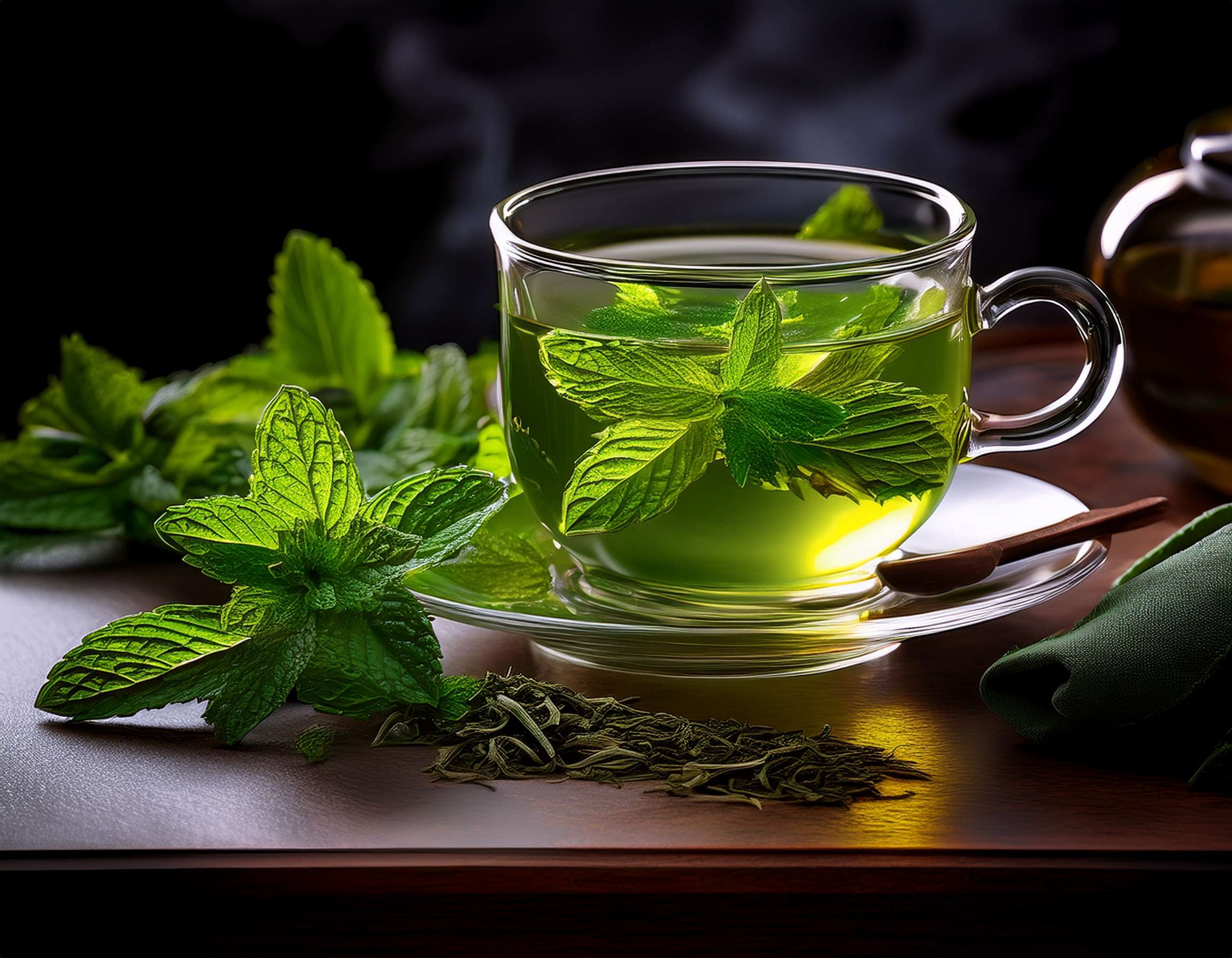
Brewing calendula tea isn’t hard, but timing matters. Too short, and the cup can taste weak. Too long, and the flavor may turn a bit rough. A practical sweet spot is 10 minutes of steeping flowers.
Use water that’s just off the boil, around 190 to 200°F. That range helps pull color and flavor from the petals without scorching them. A common starting point is about 3 to 6 grams of calendula flowers per cup. If you’re using loose petals, that usually looks like a small handful rather than a packed scoop.
Here’s the basic idea. Add the petals to a mug or infuser, pour in the hot water, cover the cup, and let it steep for 10 minutes. Covering the mug helps hold in heat and aroma, which gives you a fuller cup.
If you want a softer flavor, a cold-brew method also works. Some home brewers fill a jar with calendula flowers, pour hot water over them, then let the mix cool and steep for several hours or overnight. The result is often lighter and less sharp.
For a practical brewing walkthrough, Gardener’s Path’s calendula tea guide gives a helpful home-brewing reference.
As for the best time of day to drink it, there’s no proven magic hour. Most people simply pick the time that fits the tea’s character. After meals makes sense if you like herbal tea for digestion. Evening works well because calendula tea is caffeine-free, unlike more concentrated topical preparations such as calendula oil. In other words, the best time is when you want a mild, warm cup that doesn’t push your system too hard.
Safety notes that matter more than the hype
Herbal tea may feel harmless, but “natural” doesn’t mean “risk-free.” That’s especially true if you drink an herb often, use a strong brew, or mix it with other plants.
Start small. A lighter first cup gives you room to notice how your body responds. If you get stomach upset, mouth irritation, itching, or a rash, stop using it.
People with flower allergies should be extra careful. Calendula is a flower, and some sensitive people experience allergic reactions to plants in related groups. If pollen-heavy plants bother you, caution makes sense.
Blends change the safety story. Calendula may be mild on its own, but a tea mixed with licorice root is not a good fit for pregnant women, people with high blood pressure, water retention, or heart issues. Licorice can interact with blood pressure medications.
That point gets missed a lot. Sometimes the risk comes from the mix, not the calendula.
Also, talk with a clinician before regular use if you’re pregnant, breastfeeding, managing a health condition, or taking medicines. That’s not fear-mongering, it’s just basic herb safety. A warm tea can support wellness, but it shouldn’t replace care for ongoing pain, persistent stomach issues, fever, or signs of infection.
While calendula extract and calendula oil are more common in topical treatments for diaper rash or gingivitis, calendula extract in tea requires similar caution.
A good rule is to think of calendula tea the way you’d think of a mild salve or a warm compress. It may help comfort the body, but it’s not there to do the whole job alone.
A simple, grounded way to enjoy calendula tea
Calendula tea is easy to like. It’s bright, gentle, and caffeine-free. The most realistic view of calendula tea benefits is also the most useful one: mild support, soothing warmth, and a pleasant daily herbal tea ritual.
Brew it for about 10 minutes, keep the cup simple at first, and pay attention to how you feel. When you use herbs with that kind of common sense, the calendula tea benefits tend to fit into life much better.
Stay Connected for More Natural Living Inspiration
If you enjoyed this post about herbal wellness and love discovering natural ways to refresh your home and wellness, don’t miss out on future recipes and clean-living tips! Subscribe to the blog for weekly DIYs, wellness inspiration, and herbal remedies delivered straight to your inbox.
Don’t forget to visit my Amazon storefront for the links to my favorite essential oils, herbal teas, and natural recipes. I also create YouTube ambiance videos for sleeping; a project I created to help with insomnia symptoms and the second channel, Rooted in Nature YouTube Channel both channels feature herbal recipes for wellness and home. The link to all social media content is here.
Thanks for coming by!
Leave a Reply