
(DISCLAIMER: I am not a doctor, and you should consult your healthcare professional before starting any health regimen.)

Key Takeaways
- Tea tree essential oil contains plant compounds that can slow or stop some bacteria and fungi in lab testing.
- A tea tree essential oil antimicrobial diffuser routine may help freshen a room, but it’s not a replacement for cleaning, ventilation, or medical care.
- For mold concerns, diffusion can support prevention, but it won’t fix hidden moisture or active growth.
- Safe use matters, dose, time limits, and who should avoid diffusion make a big difference.
A stuffy room can feel like it’s working against you. Maybe it’s a damp basement smell, a musty closet, or that “everyone’s sick” season when you want your home to feel cleaner.
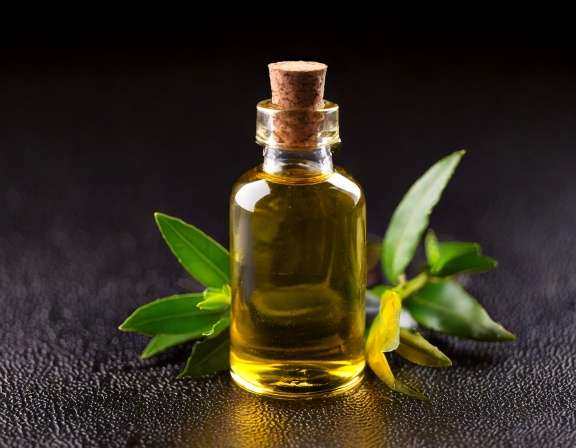
That’s where tea tree essential oil gets a lot of attention. People use it because it’s known for strong antimicrobial and antifungal behavior, and it’s easy to add to a diffuser.
This post breaks down what those properties mean, how tea tree oil behaves when diffused, what research from recent years suggests (and what it doesn’t), plus practical, safe diffuser tips for everyday use.
Understanding Antimicrobial Properties of Tea Tree Oil
“Antimicrobial” means a substance can slow down or kill microbes like bacteria. Tea tree oil (from Melaleuca alternifolia) is rich in terpenes, with terpinen-4-ol often named as a key active component. Alpha-terpineol and other related compounds also play a role.
In simple terms, these compounds can stress bacteria by damaging their outer membranes. If the membrane loses its structure, the cell can’t regulate what goes in and out, and it can stop functioning.
In recent peer-reviewed lab research (2022 to 2024), scientists continued to test tea tree oil against common bacteria in controlled settings, including “vapor-phase” setups that mimic how airborne exposure might work. Results vary based on the strain, the dose, and how the oil is dispersed, but the pattern is consistent: tea tree oil can show measurable antibacterial activity under the right conditions. That’s the idea behind using a tea tree essential oil antimicrobial diffuser at home.
If you’re building a broader plant-based cleaning routine, this guide to antibacterial essential oils for natural cleaning is a helpful companion.
How It Works in the Air
A diffuser turns a small amount of oil into tiny droplets or vapor that spread through the room. Think of it like misting a tiny “scent cloud” into the air. If microbes are floating around, some of those airborne particles may come in contact with the oil compounds.
A few details matter more than people think:
- Concentration: Too little oil may only scent the room. Too much can irritate eyes or lungs.
- Air movement: A closed, stagnant room behaves differently than a ventilated space.
- Time: Diffusion works best as a short, repeated routine, not an all-day fog.
Practical tip: run the diffuser in the room you’re actually using, close the door for the session, then air the space out for a few minutes afterward.
Scientific Evidence and Lab Results
Most of the strongest evidence for tea tree oil is in vitro, meaning in lab plates or test chambers, not in real homes with carpets, humidity swings, and open windows.
Researchers often report outcomes like:
- MIC (minimum inhibitory concentration): the smallest amount that stops growth in the lab.
- Log reduction in microbial counts: how much the population drops after exposure.
The tricky part is that published MIC values for essential oils can’t be treated like medication dosing. They change with the testing method, the oil chemistry, and even the material the microbes are sitting on. A safe takeaway is this: lab results support antimicrobial potential, but real-room results are less predictable, and you’ll get the best impact when diffusion is paired with the basics (fresh air, cleaning, and moisture control).
Antifungal Action Against Common Household Fungi
Fungi are built differently than bacteria, so “antifungal” action is a separate conversation. Tea tree oil’s compounds can disrupt fungal cell membranes and interfere with growth processes, which is why it’s often studied against organisms like Candida and certain mold-related species.
When people talk about a tea tree essential oil antifungal in diffuser approach, they’re usually hoping for help with musty odors, damp-room problems, or general spore management. Diffusion may help create an environment that’s less friendly to some airborne spores, but it won’t reach deep into porous materials where mold can root.
Mold Prevention in Home Environments
Does it help to ask, does tea tree oil kill mold in air? Sometimes, in lab conditions, tea tree vapor can reduce viability for certain fungal particles. In a real home, the bigger factor is still moisture.
A tea tree essential oil diffuser for mold can make sense as part of prevention when you also:
- Fix leaks fast and dry wet areas within 24 to 48 hours.
- Keep indoor humidity in a comfortable range.
- Clean visible growth on hard surfaces (and safely discard heavily contaminated porous items).
Use diffusion as “supporting cast,” not the main character. Mold problems usually come from what you can’t see, behind walls, under sinks, inside HVAC systems. No oil can solve that.
Treating Skin Fungal Infections via Diffusion
Diffusing tea tree oil won’t treat athlete’s foot, ringworm, or a yeast infection the way a topical product can. Breathing in vapor doesn’t deliver a targeted dose to the skin where the fungus lives.
That said, diffusion can still play a small role for comfort, especially if you like the scent and it helps you stick to a cleaner routine (laundering socks, airing shoes, wiping gym gear). For actual skin infections, topical treatment and medical advice matter most. If you’re stocking basics, this guide on Top essential oils for a natural first-aid kit covers practical, safety-first options.
Practical Tips for Safe Diffusion
If your goal is “cleaner-feeling air” during cold season, it’s common to use tea tree oil to prevent sickness in diffuser routines. Just keep expectations realistic. Diffusion can support habits, but it can’t replace handwashing, sleep, and good airflow.
Start with quality oil (pure, properly labeled, stored away from heat and sunlight). Then focus on setup and dose, because stronger isn’t always better.
Choosing the Right Diffuser
Not all diffusers behave the same:
- Ultrasonic diffusers: Use water and vibration to create a cool mist. These are common, affordable, and gentle for daily use.
- Nebulizing diffusers: Use pressurized air to disperse oil without water. They can be intense, so they’re best for short sessions and sensitive dosing.
- Heat diffusers: Warm the oil to release scent. Heat can change the oil’s aroma profile, and the output is harder to control.
For most homes, ultrasonic is the easiest place to start because it’s simpler to measure drops and reduce overexposure.
Dosage and Duration Guidelines
A practical baseline for adults in an average-sized room:
- 5 to 8 drops per 100 ml of water
- 30 to 60 minutes per session
- 1 to 2 sessions per day, as needed
If you’re new to tea tree oil, start at the low end (even 3 to 5 drops) and see how your body reacts. Tea tree has a sharp, medicinal scent, and some people feel headachy if it’s too strong.
Potential Side Effects and Contraindications
Tea tree oil is natural, but it’s still potent. The most common problems come from too much exposure or using it around people who don’t tolerate strong aromatics.
Possible side effects include throat or eye irritation, mild nausea, headache, or a “tight chest” feeling in sensitive people. Tea tree oil can also irritate skin if used undiluted (even though diffusion is not the same as topical use).
When to Avoid Use
Skip diffusing tea tree oil, or get medical guidance first, if any of these apply:
- Pregnancy or breastfeeding
- Babies and young children in the home
- Asthma, COPD, or strong seasonal allergies
- A history of scent-triggered migraines
If you want more respiratory-focused context, this overview of Antimicrobial oils for respiratory infections is a grounded reminder that essential oils are supportive tools, not treatment.
Mitigating Risks
A few simple habits reduce problems fast:
- Ventilate after each session (crack a window for 5 to 10 minutes).
- Keep diffusion short and occasional, not constant.
- Don’t diffuse in a tiny room where you can’t leave.
- Keep oils away from pets, and never let them ingest oils or lick residue.
If someone in the house complains of irritation, stop the diffuser, air out the room, and restart later at a lower dose (or switch oils).
Conclusion
Tea tree oil earns its reputation because it can act against bacteria and fungi in lab settings, and those same properties can support a “cleaner air” routine at home when used with care. A tea tree essential oil antimicrobial diffuser and tea tree essential oil antifungal in diffuser approach can fit nicely into a wellness lifestyle, especially alongside good ventilation and moisture control.
Use it safely, keep sessions short, and treat mold and illness as the bigger issues they are. When used thoughtfully, tea tree essential oil can be a small, steady helper in the background of a healthier home.
Stay Connected for More Natural Living Inspiration
If you enjoyed this post about herbal wellness and love discovering natural ways to refresh your home and wellness, don’t miss out on future recipes and clean-living tips! Subscribe to the blog for weekly DIYs, wellness inspiration, and herbal remedies delivered straight to your inbox.
Don’t forget to visit my Amazon storefront for the links to my favorite essential oils, herbal teas, and natural recipes. I also create YouTube ambiance videos for sleeping; a channel I created to help people who have trouble sleeping. The link to all social media content is here.
Thanks for coming by!

Leave a Reply