
(DISCLAIMER: I am not a doctor, and you should consult your healthcare professional before starting any health regimen.)

Waking up sneezing, rubbing itchy eyes, and reaching for tissues can make a pollen-filled morning feel endless. Allergy diffuser blends may give your room a clean, cooling, or calming scent, but they don’t cure allergies or replace proven medical care.
The recipes below use familiar oils, short diffuser sessions, and modest drop counts. You’ll learn how peppermint, eucalyptus, lavender, lemon, and other oils fit into a blend, plus how to use them with fewer safety risks.
Key Takeaways
- Diffuser aromas may feel refreshing, but they aren’t proven to stop the allergic response.
- Three simple recipes pair peppermint, eucalyptus radiata, lemon, lavender, Roman chamomile, and frankincense.
- Start with 15 to 30 minutes, low drop counts, and good airflow.
- Never swallow essential oils, use them undiluted on skin, or diffuse around someone who reacts to a specific oil.
Seasonal allergies can bring congestion, watery eyes, coughing, and fatigue. A pleasant scent may make a room feel more comfortable, yet worsening symptoms need proper assessment rather than a stronger blend.
Allergy Diffuser Blends for Natural Relief: What They Can and Cannot Do
People often choose peppermint and eucalyptus for their crisp, cooling aromas. Lavender and Roman chamomile bring softer floral notes, while lemon adds a bright, clean fragrance that can cut through stale indoor air.
The comfort you notice may come from the scent itself, a cooling sensation, or the feeling of freshness in the room. That experience doesn’t prove the oils changed the underlying allergic response. The Cleveland Clinic reports that strong evidence is lacking for essential oils as a safe or effective allergy treatment. The American Academy of Allergy, Asthma & Immunology also warns that diffuser emissions can irritate the airways, especially for people with asthma.
Online recipes are easy to find, but research on specific allergy diffuser formulas remains limited. Treat these blends as supportive aromatherapy, not as medication. If you use allergy pills, nasal sprays, or an inhaler prescribed by a clinician, continue following that treatment plan. A related guide to natural remedies for seasonal allergies can help you compare other approaches.
How Each Popular Oil Fits Into an Allergy Blend
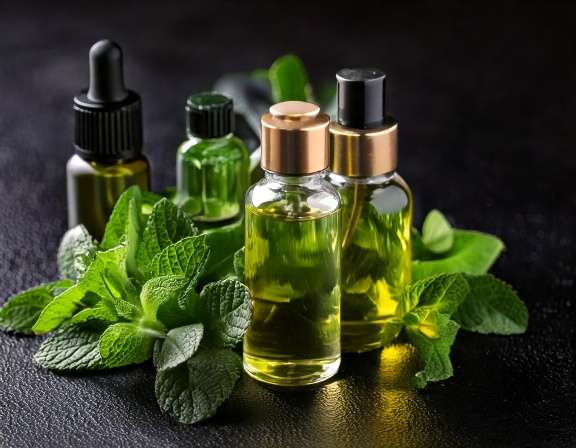
Peppermint has a sharp mint scent and a noticeable cooling character. It can quickly overwhelm a small bedroom, so use fewer drops when you’re new to it.
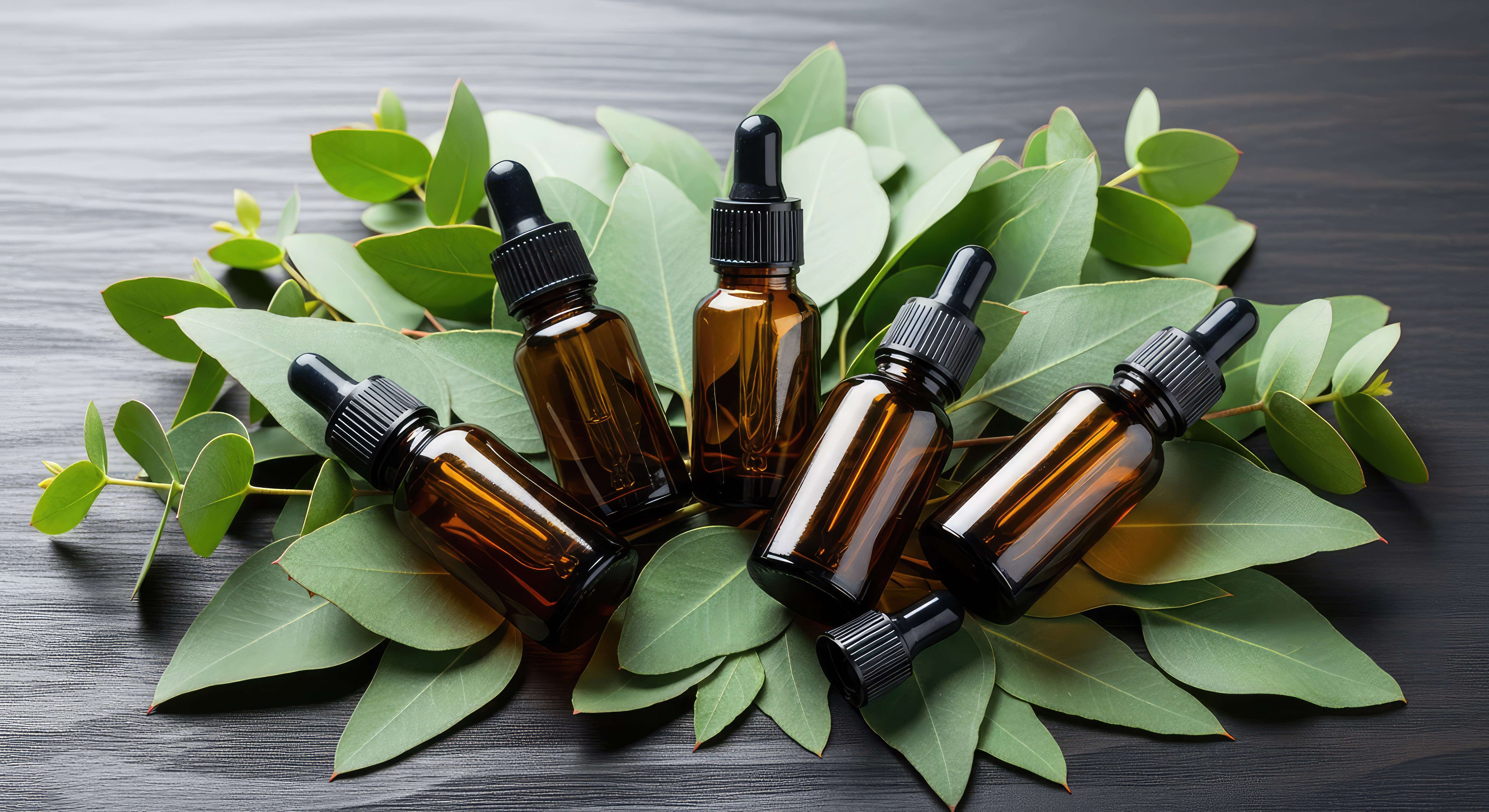
Eucalyptus radiata smells fresh, green, and slightly sweet. Many people find it softer for everyday diffusion than eucalyptus globulus, though both can irritate sensitive airways.
Lavender adds a familiar herbal-floral note and can round off sharper oils. Lemon contributes a sunny citrus scent, but its bright aroma can become harsh when overused.
Tea tree has a medicinal, earthy smell that some people enjoy and others find too strong. Frankincense is warm and resinous, while Roman chamomile has a gentle apple-like floral note.
Scent preference matters. Personal sensitivity matters more. An oil that feels pleasant to one person may cause a headache, coughing, or throat irritation in another.
When a Diffuser Is Not Enough
Seek medical help for trouble breathing, wheezing, facial swelling, widespread hives, or severe symptoms that appear quickly. These signs can point to asthma, a serious allergic reaction, or another condition that needs prompt care.
Fever, intense facial pain, or symptoms that don’t improve may suggest an infection rather than ordinary seasonal allergies. A stuffy nose can also have several causes, so avoid assuming every respiratory symptom comes from pollen.
Essential oils should never be swallowed unless a qualified healthcare professional gives you specific instructions. Keep them away from the eyes, nose, and mouth, and don’t use a diffuser as emergency treatment.
Three Easy Allergy Diffuser Blends to Try at Home
The drop counts below assume a standard water diffuser. Add each recipe to the amount of water recommended by the manufacturer. For a small room or first use, begin with fewer drops.
1. Morning Fresh Air Blend
This crisp combination suits a morning routine when you want a bright, cooling scent before work, cleaning, or opening the windows.
Ingredients
- 2 drops peppermint essential oil
- 2 drops eucalyptus radiata essential oil
- 2 drops lemon essential oil
Add the oils to the diffuser’s recommended amount of water. Run the diffuser for 15 to 30 minutes in a ventilated room, keeping it away from your face. Stop the session if you notice irritation, headache, coughing, or any other discomfort.
The mint and eucalyptus create a brisk top note, while lemon gives the blend a clean citrus finish. If the aroma feels sharp, reduce the peppermint first.
2. Calm Evening Blend
Use this gentle blend before bed when you want a softer room fragrance. It creates a relaxing atmosphere, but it isn’t a treatment for nighttime allergy symptoms.
Ingredients
- 2 drops lavender essential oil
- 1 drop Roman chamomile essential oil
- 1 drop frankincense essential oil
Add the oils to the diffuser’s recommended amount of water. Run it for 15 to 30 minutes with ventilation, then turn the diffuser off before sleeping. Stop immediately if the scent causes irritation, headache, coughing, nausea, or discomfort.
Lavender leads with a familiar floral aroma. Roman chamomile lightens the blend, and frankincense adds a warm resin note. Because chamomile can bother some people with plant allergies, test the scent cautiously.
3. Simple Seasonal Blend
This everyday option balances floral, citrus, and mint notes. It works well in a living room or home office when you want a fresh scent without the heavier character of eucalyptus.
Ingredients
- 2 drops lavender essential oil
- 2 drops lemon essential oil
- 1 drop peppermint essential oil
Add the oils to the diffuser’s recommended amount of water. Run the blend for 15 to 30 minutes in a room with airflow, and keep the diffuser away from your face. Stop if you develop irritation, headache, coughing, or any other discomfort.
Lavender softens the blend, lemon keeps it lively, and a single peppermint drop adds lift. The lower mint count makes this a reasonable starting point for people who find peppermint intense.
How to Adjust a Blend Without Making the Scent Too Strong
A cautious starting range is 2 to 5 total drops per 100 mL of water, although your diffuser’s instructions come first. More oil doesn’t always create a better result. A concentrated cloud can feel heavy and may irritate the throat or lungs.
When a blend smells sharp, reduce peppermint or eucalyptus before changing anything else. Add one drop of lavender if you want a rounder, softer scent. A larger room doesn’t always require a large increase in oil, especially if the diffuser produces a strong mist.
Clean the water reservoir between blends according to the manufacturer’s directions. Residual oil can distort the next scent and leave buildup inside the unit.
How to Diffuse Essential Oils More Safely
Essential oils are concentrated plant extracts. The word “natural” doesn’t mean an oil is harmless, especially when you inhale it for a long period or apply it to your skin.
Use short sessions in a well-ventilated room. Leave a door open or allow fresh air to circulate, and keep the diffuser several feet from your face. The American Lung Association warns that prolonged exposure to high concentrations may cause lung symptoms and other unwanted effects. The AAAAI advises people with asthma to use diffusers cautiously because airborne volatile organic compounds may worsen respiratory symptoms.
Extra caution is needed around babies, children, pregnant people, adults with asthma, and anyone prone to migraines or scent sensitivity. Ask a healthcare professional before diffusing around these groups. Cats and birds can also be sensitive to airborne substances, so ask a veterinarian before using essential oils around pets. Never leave a diffuser running unattended.
Diffusing and topical use have different safety requirements. Never apply an undiluted oil to skin. If you use a topical blend, mix it with a suitable carrier oil, such as jojoba, sweet almond, or fractionated coconut oil. Patch test each oil on a small area of unbroken skin, then wait 24 hours before wider use. Stop if redness, itching, burning, or swelling develops.
A Simple Safety Checklist for Every Diffuser Session
Before turning on the diffuser:
- Check the oil label and confirm that it isn’t a fragrance or perfume oil.
- Fill the reservoir to the correct water level.
- Begin with a low number of drops.
- Keep airflow moving through the room.
- Never leave the diffuser running unattended.
- Store oils away from children and pets.
- Stop immediately if symptoms worsen.
- Don’t diffuse around anyone who has reacted to a particular oil.
How to Choose Quality Oils and Build a Useful Starter Collection
Read the label before judging a bottle by its scent or price. Look for “100% pure essential oil,” the botanical name, plant part, country of origin, and extraction method. Batch details and available GC/MS testing can provide more information about identity and purity.
Dark glass packaging helps protect the oil from light. A clear ingredient list also helps you avoid products diluted with fragrance compounds. Essential oils are different from fragrance oils, which may contain synthetic ingredients and aren’t intended for the same uses.
A small starter collection is usually more practical than a shelf full of rare oils. Lavender, eucalyptus radiata, peppermint, and lemon cover the three recipes in this guide. Buy modest bottles, store them tightly closed in a cool, dark place, and replace oils that smell stale or noticeably different.
Quality matters, but personal tolerance matters just as much. Even a well-made oil can irritate your skin or airways.
Diffusing is simple and hands-off, but airborne scent may bother sensitive people. Topical use is portable, yet it requires careful dilution and a patch test. Steam inhalation can feel intense, but hot water creates a burn risk and may worsen breathing discomfort. For most beginners, a short diffuser session offers the easiest way to assess tolerance without putting oil directly on the skin.
A Fresh Scent With Realistic Limits
The three allergy diffuser blends in this guide can add a fresh or soothing aroma to your home during pollen season. They don’t replace antihistamines, prescribed inhalers, medical evaluation, or steps that reduce exposure to allergens.
Start with one mild blend, a short session, and plenty of ventilation. Pay attention to your body’s response rather than chasing a stronger scent. If you develop breathing trouble, facial swelling, widespread hives, or severe symptoms, turn off the diffuser and seek medical help.
Stay Connected for More Natural Living Inspiration
If you enjoyed this post about herbal wellness and love discovering natural ways to refresh your home and wellness, don’t miss out on future recipes and clean-living tips! Subscribe to the blog for weekly DIYs, wellness inspiration, and herbal remedies delivered straight to your inbox.
Don’t forget to visit my Amazon storefront for the links to my favorite essential oils, herbal teas, and natural recipes. I also create YouTube ambiance videos for sleeping; a channel I created to help people who have trouble sleeping. The link to all social media content is here.
Thanks for coming by!

Leave a Reply