(DISCLAIMER: I am not a doctor, and you should consult your healthcare professional before starting any health regimen.)

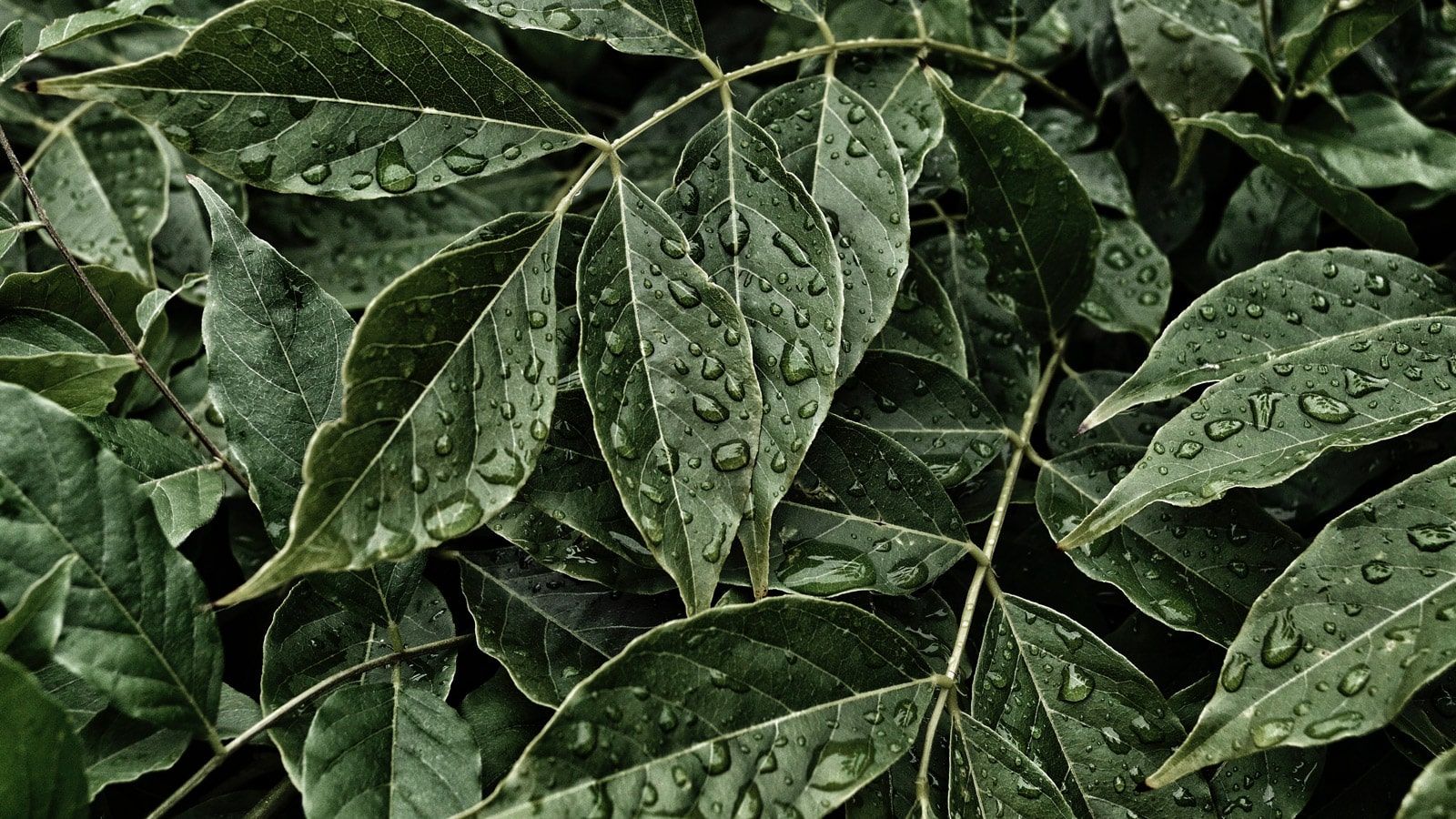
Lemon balm tea for anxiety, made from the leaves of Melissa officinalis (a plant in the mint family), has become a popular choice for those looking to ease tension and lift their mood naturally. Known for its calming effects, this tea offers a gentle way to find relief from anxiety and stress without harsh side effects. If you’ve wondered, “Does lemon balm tea help with anxiety?” the answer is yes; many people find that it promotes relaxation and supports mental well-being. In this post, we’ll explore the benefits of lemon balm tea for anxiety relief, stress reduction, and overall mood enhancement, helping you understand why it might be a great addition to your self-care routine for stress management.
Understanding Lemon Balm Tea and Its Calming Effects
Lemon balm tea stands out as a gentle, natural choice when you want to unwind after a stressful day or soothe anxious feelings. This herbal tea comes from the leaves of the lemon balm plant, known scientifically as Melissa officinalis. Its subtle lemony aroma and light minty flavor make it both refreshing and comforting. Beyond taste, lemon balm tea offers more than just a pleasant experience; it supports your mind and nervous system in ways that can ease stress and balance mood.
Origins and Traditional Uses
Lemon balm has a long history as a calming herb. People have used it for centuries to soften worries, boost mood, and promote restful sleep. In traditional medicine, its properties were prized for helping with nervous tension and mild depression. When brewed into tea, its active compounds interact gently with your body to produce a soothing effect.
How Lemon Balm Tea Works to Calm the Mind
The calming effects of lemon balm tea come from several natural compounds, including rosmarinic acid and flavonoids. These substances help regulate the brain’s production of neurotransmitters like gamma-aminobutyric acid (GABA). GABA plays a crucial role in reducing nerve activity in the central nervous system, which means less anxiety and more relaxation. Drinking lemon balm tea for anxiety relief can help slow down a racing mind with its anxiolytic effects, allowing tension to melt away naturally.
Benefits of Lemon Balm Tea for Stress and Anxiety
Here’s what makes lemon balm tea a favorite for stress and anxiety relief:
- Reduces nervousness and restlessness: It helps calm the fight-or-flight response, so stressful moments feel more manageable.
- Supports mood regulation: Lemon balm supports emotional balance, lifting moods dulled by stress or anxiety.
- Promotes relaxation: It can ease physical tension, making it easier to breathe deeply and rest peacefully.
- Supports sleep quality: By calming your mind, lemon balm tea may help you fall asleep faster and sleep more soundly.
Lemon Balm Tea for Mental Health Benefits
Mood swings and anxiety often go hand in hand. Incorporating lemon balm tea into your daily routine offers gentle mental health benefits without the side effects common with stronger medications. It acts as a natural mood stabilizer and stress fighter, ideal for those seeking a holistic way to nurture mental wellness.
If you want to explore calming blends, you might enjoy the Lemon balm lavender tea recipe for calm, which combines soothing flavors that work well together to enhance relaxation.
Drinking lemon balm tea for anxiety is not just about the tea itself; it’s about creating a moment of calm for yourself. Savoring this warm drink invites a pause in your day and reconnects you with a peaceful mindset. That simple ritual alone can boost its calming effects.
Health Benefits of Lemon Balm Tea for Mental Well-being
When you think about natural ways to support your mental health, lemon balm tea stands out as a simple yet powerful option. Drinking lemon balm tea for anxiety and stress relief is more than just a comforting ritual; it brings various mental health benefits that can help maintain emotional balance and calmness. Let’s explore how this gentle herbal tea supports your mental well-being and why it might deserve a spot in your daily routine.
Enhances Relaxation and Reduces Stress
Lemon balm tea is known for its calming effects on the nervous system. The phytochemicals in lemon balm, like rosmarinic acid with its anti-inflammatory properties, help calm the brain’s activity, promoting relaxation. When you drink this tea regularly, it can soften the physical and mental tension caused by stress. Instead of reacting with frustration or anxiety, your body starts to respond with calmness, making stressful situations easier to handle. Research indicates it can even lower salivary cortisol levels.
- Calms nervous system signals
- Encourages deep, slow breathing
- Lowers cortisol, the stress hormone
These benefits combine to create a feeling of peace that lingers beyond the moment you sip your tea.
Supports Mood Stability and Emotional Balance
Mood swings and irritability often show up when anxiety and stress build up. Lemon balm tea offers mood benefits by gently lifting your spirits without overwhelming your system. It interacts with neurotransmitters, including GABA and serotonin levels, that regulate mood and reduce feelings of nervousness.
Regular consumption of lemon balm tea can help you:
- Feel less overwhelmed by stressful thoughts
- Experience smoother mood changes
- Maintain emotional equilibrium
By improving your mood, lemon balm tea helps you enjoy daily activities with a lighter, more positive outlook.
Helps Improve Cognitive Performance and Focus
An anxious mind can make concentrating difficult. Lemon balm tea may improve cognitive performance, mental clarity, and focus by reducing anxiety’s grip on your thoughts. Studies have shown that lemon balm supports better alertness while promoting calmness, a rare combination for natural remedies that even aids mathematical processing.
- Enhances attention, working memory, and recall
- Reduces mental fog and mental fatigue linked to stress
- Keeps you alert but relaxed
This makes lemon balm tea a smart choice when you need to maintain productivity without the jitters that caffeine sometimes causes. For more ways to ease anxious thoughts naturally, you can also explore different blends like the DIY Anxiety Relief Diffuser Blend – Lemon, Marjoram & Basil Recipe for aromatherapy benefits alongside your tea routine.
Supports Quality Sleep and Restful Nights
Good sleep plays a huge role in mental health. Lemon balm tea’s calming effects extend into promoting better sleep quality, which helps your mind and body recover fully each night. When nerves are calmer and thoughts slower, falling asleep becomes easier.
- Decreases insomnia symptoms linked to stress
- Encourages longer, uninterrupted sleep
- Supports relaxation right before bed
Including lemon balm tea in your evening routine can gently ease you into restfulness, improving how refreshed you feel the next day.
Lemon balm tea isn’t just another drink; it’s a soothing partner for your mental wellness. Combining mood support, stress reduction, focus improvement, and better sleep makes it a well-rounded choice for your self-care toolkit. For more calming herbs, see the guide on 10 Herbal Teas for Anxiety That Work Fast and Calm the Mind to add variety to your tea collection.
How to Prepare and Use Lemon Balm Tea for Anxiety Relief
Lemon balm tea offers a simple, natural way to ease anxiety and stress. Brewing a cup is easy, and its calming effects can help balance your mood when you need it most. Taking the time to prepare and enjoy this herbal tea can become a soothing ritual that supports relaxation and mental wellness. Here’s how to get the most from your lemon balm tea for anxiety relief.
Choosing the Right Lemon Balm
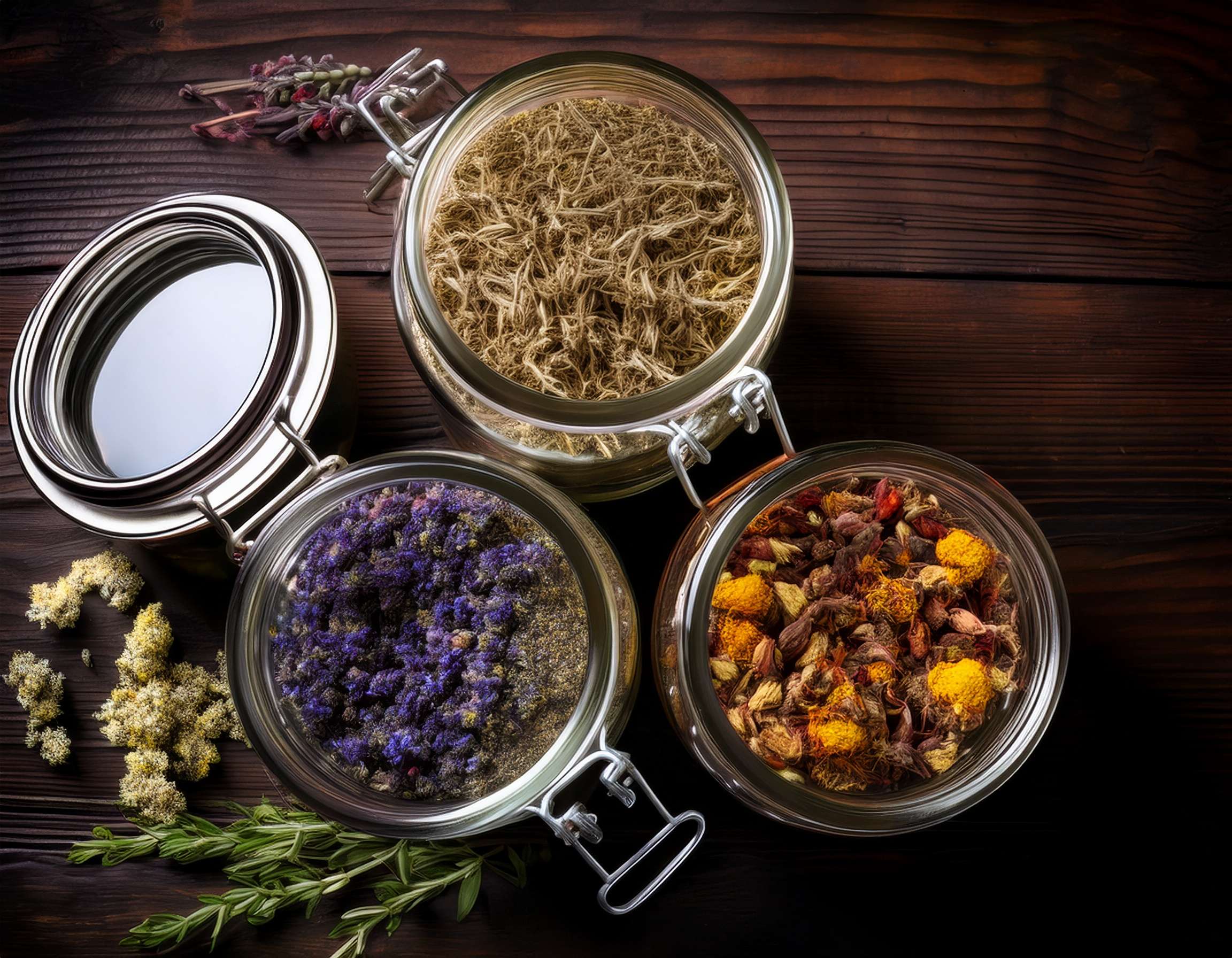
Start with fresh or dried lemon balm leaves. Fresh leaves carry a brighter, more vibrant flavor and contain the plant’s essential oil for key therapeutic components, while dried leaves are convenient and still packed with the tea’s calming compounds. Lemon balm extract provides a concentrated alternative if you prefer a stronger option without brewing leaves. You can find dried lemon balm at health food stores or online, or grow your own for fresh harvests.
Preparing Lemon Balm Tea Step by Step
Making lemon balm tea is straightforward. Follow these simple steps to brew a cup that’s full of natural calm:
- Use about 1 tablespoon of dried leaves or 2 tablespoons of fresh lemon balm per cup. This amount balances flavor and potency.
- Bring water to a boil, then let it cool slightly to about 200°F (just off the boil) to protect the delicate compounds.
- Pour hot water over the lemon balm leaves.
- Cover and steep for 5 to 10 minutes. Steeping longer creates a stronger, more flavorful brew.
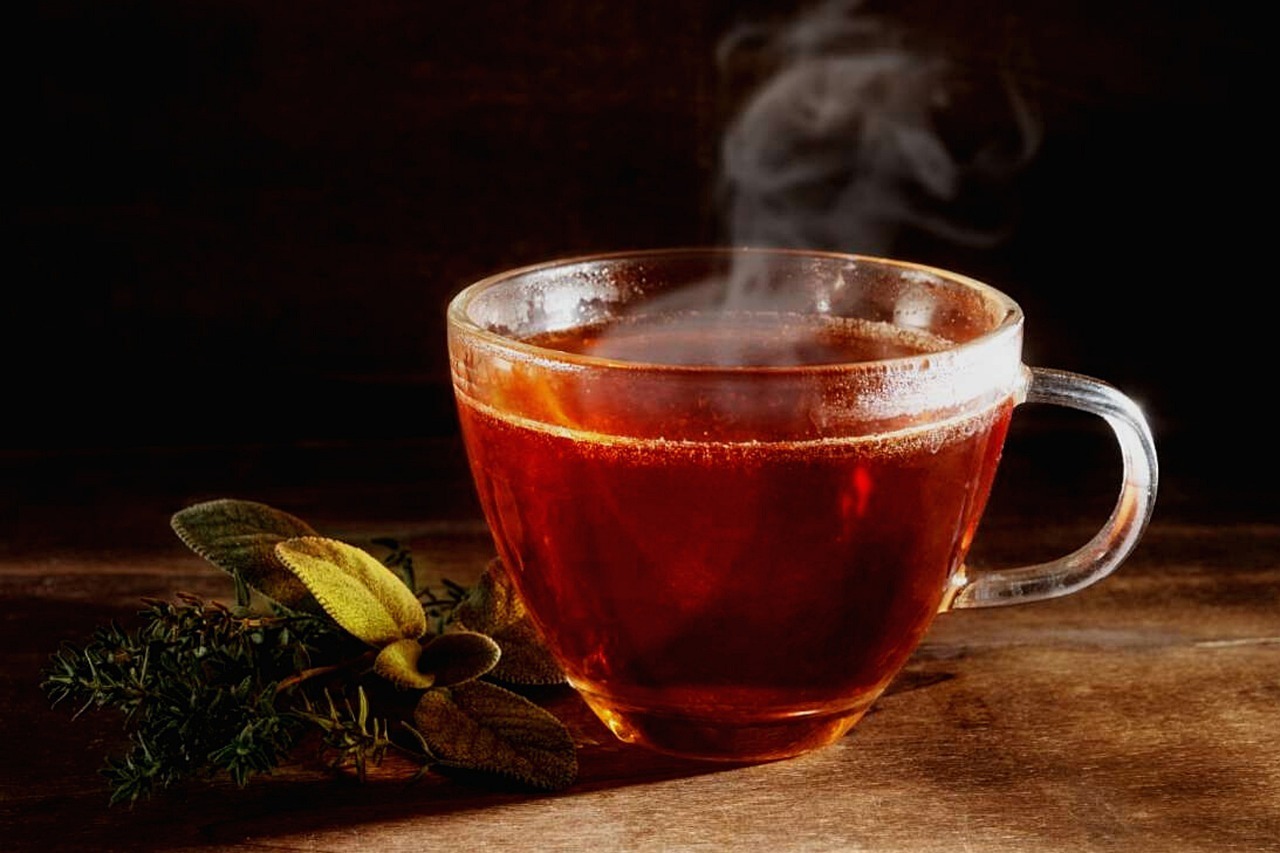
- Strain the leaves out and pour your tea into a favorite cup.
You can drink lemon balm tea hot or cool it for a refreshing iced version.
Enhancing Your Tea for Added Calm
While lemon balm tea is calming on its own, you can add natural ingredients to boost its anxiety-relieving power:
- A slice of lemon or a dash of honey adds a bit of sweetness and complements the mild citrus flavor.
- A few fresh mint leaves can enhance the soothing taste.
- Lavender buds or chamomile flowers pair well and increase relaxation.
These additions create a gentle herbal mix with extra calming effects that support your mental well-being.
When and How Often to Drink Lemon Balm Tea
For best results, drink lemon balm tea regularly, especially when anxiety or stress feels overwhelming. A typical daily dosage is 1 to 3 cups to promote consistent benefits for mental health and digestive health. Many people find it helpful to:
- Sip a cup in the morning to set a calm tone for the day.
- Enjoy a cup mid-afternoon to ease tension and reset focus.
- Drink a warm cup before bed to promote restful sleep and relaxation.
Consistency matters, so making lemon balm tea part of your daily routine offers stronger and longer-lasting mental health benefits.
Safety Tips and Considerations
Lemon balm tea is generally safe for most people, but it’s wise to keep a few things in mind:
- Avoid if you are pregnant, breastfeeding, or taking sedative medications unless you check with a healthcare provider.
- Be cautious of thyroid medication interactions, especially if you have Graves’ disease.
- Start with small amounts to see how your body reacts.
- Don’t drink excessive amounts, as mild digestive upset can occur with overuse.
Using lemon balm tea for anxiety relief can be a gentle addition to your self-care without harsh side effects, making it a comfortable choice for everyday relaxation. If you want to deepen your calm with other natural methods, you might enjoy the DIY essential oil blends for stress and tension relief, which pairs well with tea rituals for a peaceful mind and body.
Comparing Lemon Balm Tea with Other Natural Anxiety Remedies
When searching for natural ways to relax or ease anxiety, it’s easy to get overwhelmed by options. Lemon balm tea, derived from Melissa officinalis, stands out for many because it offers a mild but effective calming boost without strong sedative effects. But how does it measure up against other popular natural anxiety remedies? Understanding the differences can help you choose what fits best with your lifestyle and symptom needs.
Lemon Balm Tea vs. Chamomile Tea
Both lemon balm and chamomile tea enjoy reputations as gentle, natural relaxants. Chamomile is well-known for promoting sleep and soothing nerves with its mild sedative effects. Lemon balm, on the other hand, tends to focus more on mood balance and reducing nervousness, with a softer aroma and flavor profile.
- Lemon balm tea often feels uplifting while calming, making it ideal for daytime stress.
- Chamomile is typically better suited for evening use, helping to wind down and encourage restful sleep.
If daytime relaxation without drowsiness is what you need, lemon balm tea could be the better choice. For bedtime comfort, chamomile shines.
Lemon Balm Tea vs. Lavender Tea
Lavender is a popular remedy for anxiety, appreciated for its floral scent and its ability to quiet the mind. Like lemon balm, lavender tea helps reduce stress, but it usually carries a stronger sedative effect that might lead to sleepiness.
Lemon balm’s calming effects focus more on easing tension and improving mood while keeping you clear-headed. Lavender tea is often favored when you want to relax deeply or prepare for sleep.
Lemon Balm Tea vs. Valerian Root
Valerian root is a more potent herbal remedy, often taken in capsule form, known primarily for treating insomnia and severe anxiety. It acts as a strong sedative and can make people feel sleepy or groggy after use.
In contrast, lemon balm tea for anxiety offers a subtler approach than more concentrated lemon balm extract. It gently lifts mood and relaxes the nervous system without causing drowsiness during the day. If you want anxiety relief without the heavy sedation, lemon balm tea is a safer bet.
Lemon Balm Tea vs. Passionflower
Passionflower is another herb used for anxiety and sleep problems. It works by increasing GABA levels in the brain, similar to lemon balm. However, passionflower can cause stronger sedation and is typically used for acute anxiety or trouble sleeping.
Lemon balm tea supports ongoing emotional balance and mild anxiety reduction, with a lighter touch. It’s a good option when you need consistent support for stress and mood without feeling weighted down.
Conclusion
Lemon balm tea provides a gentle and effective way to ease anxiety, reduce stress, and improve mood. Its calming effects and antiviral activity against the herpes simplex virus, supported by natural compounds like rosmarinic acid, make it a valuable addition to any wellness routine focused on mental health.
By choosing quality lemon balm and preparing the tea properly, you can enjoy its full range of benefits, from relaxation to better sleep and clearer focus. Incorporating lemon balm tea regularly helps create a calming ritual that supports emotional balance and stress management throughout the day.
For more ways to nurture your mental well-being naturally, explore other soothing herbal recipes and blends that complement lemon balm tea’s effects. Taking these simple steps can enhance your journey toward a calmer, more balanced mind.
Stay Connected for More Natural Living Inspiration
If you enjoyed this post about herbal wellness and love discovering natural ways to refresh your home and wellness, don’t miss out on future recipes and clean-living tips! Subscribe to the blog for weekly DIYs, wellness inspiration, and herbal remedies delivered straight to your inbox.
Don’t forget to visit my Amazon storefront for the links to my favorite essential oils, herbal teas, and natural recipes. I also create YouTube ambiance videos for sleeping; a channel I created to help people who have trouble sleeping. The link to all social media content is here.
Thanks for coming by!


You must be logged in to post a comment.