
(DISCLAIMER: I am not a doctor, and you should consult your healthcare professional before starting any health regimen.)

If you’re looking for a natural way to manage discomfort, helichrysum oil for pain relief is getting a lot of attention right now. More people want options that go beyond standard pain medicines, especially when it comes to inflammation, bruises, sore muscles and stubborn swelling.
Helichrysum essential oil for bruises, muscle pain and wound healing stands out thanks to its long traditional use and a growing pool of positive user stories, highlighting key Helichrysum essential oil benefits.
From everyday aches to sports injuries, many hope essential oils can play a supportive role in faster recovery. In this post, you’ll get a closer look at how helichrysum oil may help ease swelling, improve healing and calm sore spots. If you’re curious about what makes this oil special, you’re in the right place to learn practical tips and discover what science and real users have to say about its relief potential. For those interested in broader options, check out the natural pain relief articles for even more ideas.
What Is Helichrysum Essential Oil?
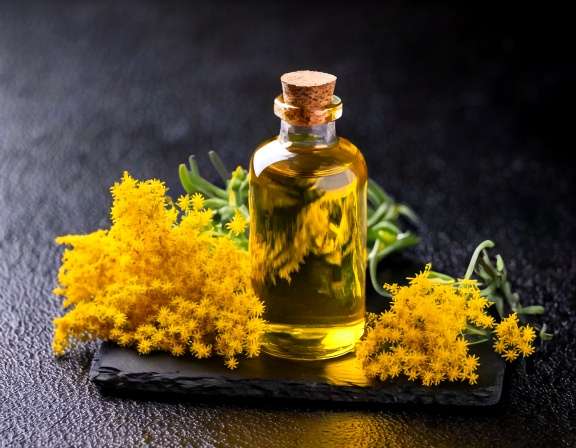
Helichrysum essential oil has a unique reputation in natural health circles thanks to its powerful relief properties and long legacy. If you’ve come across mentions of “immortelle” or “everlasting” oil, that’s helichrysum in another name. This oil is drawn from the bright yellow Helichrysum flowers of the Helichrysum italicum plant, valued both for its soothing scent and its strong wellness benefits. Let’s look at what sets this oil apart for those interested in natural pain relief solutions, including the renowned Helichrysum italicum.
Origins and Extraction
Helichrysum essential oil comes primarily from the Mediterranean region where the plant thrives in rocky soils. Farmers harvest the tiny golden blossoms and use steam distillation to capture the plant’s aromatic compounds. The result: a rich, earthy-sweet oil that’s packed with active ingredients like neryl acetate, alpha-pinene, and diketones. Helichrysum italicum has been featured in traditional medicine in Europe and Africa for skin irritations, bruises, and minor aches, often as a first choice for households looking for gentle help.
Key Characteristics
What really makes helichrysum oil for pain relief different from other oils? Here are a few standout traits, including its soothing properties:
- Distinct aroma: The scent is warm, sweet, and subtly herbal, less floral than lavender, but softer than eucalyptus.
- Golden hue: The oil’s natural yellow-gold color hints at its nickname “immortelle,” which means everlasting.
- Non-greasy touch: When diluted, it soaks into skin easily, making it a favorite for massage blends.
Those using helichrysum oil for inflammation or bruises appreciate how direct it feels, no sticky residue, no overpowering smell, just fast comfort you can notice.
Traditional and Modern Uses
People have relied on this plant oil for centuries. In folk medicine, it’s rubbed on bruises, minor cuts, and sore spots to encourage quicker healing. Today, many natural wellness fans keep it in their first-aid kit for:
- Sore muscles
- Swollen or sensitive skin
- Support for wound healing
- Joint stiffness
- Sunburn and minor burns
Its reputation is based not just on tradition, but also on plenty of positive reports from regular users and aromatherapists. The anti-inflammatory and recovery properties are why helichrysum oil for muscle pain and swelling continues to gain fans.
How It Fits in Natural Pain Relief
Unlike many essential oils, helichrysum isn’t just about smelling good. Many choose helichrysum essential oil for bruises, muscle pain, and wound healing because they’re looking for something gentle yet effective. The oil contains unique natural compounds that may help reduce swelling, soothe discomfort, and support the skin’s repair process.
The growing demand for safe alternatives to harsh chemical treatments gives helichrysum a spotlight as a trusted option. Those interested in whether does helichrysum oil reduce swelling often find it’s the natural approach they hoped for, simple, direct, and rooted in real results.
Helichrysum Oil for Pain Relief: How It Works
Helichrysum essential oil is getting noticed for its natural pain relief properties and versatile use across different types of discomfort. People seek it for its anti-inflammatory power, rapid soothing effect on muscle pain, and impressive ability to support wound healing. Let’s explore how this unique oil works in real-world situations, especially for those looking for non-medicine solutions.
Anti-Inflammatory Properties and Swelling Reduction
Inflammation is often behind pain, swelling, and stiffness, whether it strikes after a sprain, workout, or overuse. Helichrysum oil for inflammation stands out because it possesses anti-inflammatory properties through compounds like italidiones, neryl acetate, and γ-curcumene. These ingredients target both sudden (acute) and ongoing (chronic) inflammation with strong anti-inflammatory activity and potent anti-inflammatory effects, helping the body recover more comfortably while demonstrating antioxidant activity that aids tissue repair.
Applying it diluted on sore areas gives a cooling effect that helps reduce inflammation, melting away tenderness, while calming skin irritation. For people asking, does helichrysum oil reduce swelling, evidence and user experiences suggest it can help manage puffy, tight spots where fluid gathers. This effect is especially valued after bumps, intense exercise, or when everyday strain takes its toll.
If you want to explore more plant-based pain solutions, visit the section on natural pain relief methods to see how helichrysum fits with other herbal approaches.
Targeting Muscle Pain and Bruises
Muscle aches and bruises are some of the top reasons people reach for helichrysum essential oil. What’s special here is that the oil may help by boosting local blood flow and speeding up the body’s clean-up of pooled blood under the skin (the cause of dark bruises). Using helichrysum essential oil for bruises, you simply mix a few drops with a carrier oil like coconut or almond, then massage it gently over the sore area.
For athletes, active people, or anyone prone to bumps and knocks, helichrysum oil for muscle pain acts as a gentle, quick-absorbing option for muscle and joint relief. It works by calming nerve endings and relaxing tense or overworked muscles. Regular use can turn daily self-massage into a simple ritual for comfort, especially after strenuous activity or injury.
Supporting Wound Healing and Skin Recovery
Helichrysum oil for wound healing brings together its antimicrobial properties, anti-inflammatory benefits, and skin-regenerating effects, including powerful antimicrobial properties and specific anti-fungal properties that make it potentially useful against issues like yeast infections (Candida). The oil naturally keeps wounds cleaner by fighting off germs that can slow healing, while also helping new skin cells form more quickly for skin rejuvenation. This makes it popular for minor cuts, scrapes, and even small burns where you want fast, gentle support in skin care, with potential to reduce appearance of blemishes.
Fans of natural remedies often trust helichrysum oil on skin injuries that need a healing boost without harsh chemicals. Blended with a gentle base oil, it can be dabbed on raw or healing skin. Its combination of soothing, cleansing, and restorative effects speeds recovery and reduces the risk of lingering marks or discomfort.
If you want a closer look at how essential oils can support your regular care routine, visit the tips and ideas on essential oil applications and tips.
Safe and Effective Application Methods
Learning to use helichrysum oil for pain relief is simple, but safety and good technique matter for the best results. With essential oils, how you apply them topically can make a real difference in comfort and healing. Helichrysum oil is no exception, whether you want to calm bruises, ease muscle pain, reduce swelling, or support wound healing.
Dilution and Blending
Never use helichrysum essential oil for bruises or pain directly on skin without diluting it first. Pure essential oils are highly concentrated. Blending with a carrier oil helps keep your skin safe and lets the oil spread more evenly. Common carrier oils include fractionated coconut oil, sweet almond oil, or jojoba oil.
- For daily use, mix 2-3 drops of helichrysum oil with one teaspoon of carrier oil.
- For spot treatments, keep the blend to a 2% dilution (about 12 drops per ounce of carrier oil).
- Sensitive skin? Start with an even lower concentration and do a patch test before regular use.
Diluting properly means you can use helichrysum oil for inflammation and bruises without worrying about stinging or irritation. This is key if you’re trying the oil for the first time or applying it to children, elderly adults, or anyone with delicate skin.
Topical Massage for Sore Muscles and Bruises
Applying helichrysum oil for muscle pain and bruises works best through gentle massage. Rub the diluted oil blend into sore spots using light, circular motions. Take a minute or two to let it soak in, don’t rush the process. The warmth of your hands can boost absorption and promote better comfort.
- Repeat 2-3 times a day for fresh aches, bruises, or swelling.
- Layer with a cold compress after applying to help shrink swelling fast.
- Avoid harsh rubbing, especially over tender or inflamed areas.
This method is popular for athletes, parents, or anyone who wants a quick, reliable way to reduce swelling and speed up healing after minor injuries.
Compresses and Spot Treatments
You can also use helichrysum oil for stubborn, swollen spots by making a simple compress. Add 2-3 drops of diluted oil to a bowl of warm or cool water (not hot). Dip a clean washcloth in the water, wring out the excess, then press it onto the affected area for 5-10 minutes.
- For bruises and swelling: a cool compress can reduce puffiness.
- For muscle tension or joint pain: a warm compress feels soothing.
This approach is a gentle way to target discomfort without intense rubbing, making it great for sensitive or healing skin.
What to Avoid
Even natural remedies like helichrysum oil for pain relief can be misused. To stay safe, keep these tips in mind:
- Never apply undiluted oil directly on open wounds or large broken skin areas.
- Keep the oil away from eyes, mouth, and sensitive mucous membranes.
- Don’t use essential oils internally unless guided by a trained health professional.
- Pregnant, nursing, or have chronic medical conditions? Check with a healthcare provider before using.
For those who want to expand their natural pain care toolbox, explore more ideas in the natural pain relief articles section.
These safe, clear methods let you get the most from helichrysum oil for pain relief, inflammation, bruises, and healing, making it a smart addition to your daily routine or first-aid kit.
Helichrysum Oil in the Context of Natural Pain Management
Helichrysum oil stands out in the world of natural pain management, with Helichrysum essential oil benefits making it a staple, not just for its historical use but for its strong track record among those who want real comfort without reaching for typical over-the-counter meds. People who look for gentler ways to handle pain often turn to plants and essential oils for relief, including Helichrysum italicum extract. From bruises to sore muscles, its unique qualities put it near the top for many folks building a home toolkit for simple, safe relief, especially for muscle and joint issues.
Why Natural Pain Relief Matters
Interest in options like helichrysum essential oil for bruises and muscle aches is growing, partly because so many want to avoid extra medications and their possible side effects. When you reach for something straight from nature, peace of mind matters, you want something proven, yet gentle enough for regular use. Unlike some remedies that feel like a leap of faith, helichrysum oil taps into both tradition and positive modern feedback. This balance helps users feel confident adding it to daily routines.
Unique Actions for Discomfort and Healing
What makes helichrysum oil for pain relief stand out? Several core actions give it a real-world edge for everyday pain:
- Reduces inflammation: Helichrysum oil for inflammation doesn’t just mask discomfort. It works beneath the surface, calming skin and tissue irritation that trigger swelling and stiffness.
- Soothes sore muscles: Active ingredients target muscle tension like a natural liniment for muscle and joint relief, making it ideal for post-workout care or everyday aches.
- Speeds up bruise recovery: Helichrysum essential oil for bruises is popular because it helps break down pooled blood, fading dark marks and soreness quickly.
- Supports skin recovery: This oil also helps skin recover from scrapes or minor cuts, offering both antimicrobial and restorative support with anti-aging benefits.
When you use helichrysum oil for muscle pain or after an injury, you’re choosing a solution that meets pain head-on while helping the body heal itself.
How Helichrysum Essential Oil Fits Naturally
In natural pain management, not all oils are equal. Helichrysum is often called “liquid stitches” by fans, and for good reason. Its fast-absorbing nature doesn’t leave a greasy feeling, making it suitable for layering with other plant oils or balms. When diluted and used as directed, it brings obvious comfort and ease, even for those with sensitive or aging skin.
People often compare it to common choices like arnica or peppermint oil, but helichrysum stands out for being both strong and unlikely to irritate. And if you wonder, does helichrysum oil reduce swelling effectively? Anecdotal feedback and many user stories say it works, especially when applied promptly after minor injuries or strains.
For more real-life advice about using plants for pain and recovery, check out other stories and expert reviews on natural pain relief methods.
Everyday Uses in Home Routines
Adding helichrysum oil for pain relief to your toolkit doesn’t have to be complicated. People blend it with carrier oils for self-massage, add a few drops to healing salves, or use diluted compresses to soothe overworked joints. Sore after gardening, sports, or chasing kids around? This oil is a simple addition to post-activity care.
Key uses include:
- After exercise: Ease tired muscles and reduce swelling.
- On bruises: Help heal bumps quicker.
- For wounds: Support fresh skin growth and lower infection risk.
- Daily aches: Massage into stiff spots for daily comfort.
Helichrysum oil’s safety and rich tradition make it a standout choice in natural pain management, blending what’s worked for centuries with a modern, wellness-focused approach.
When to Consider Helichrysum Oil and When to Seek Professional Help
Knowing when to use helichrysum oil for pain relief and when it’s time to call a professional is key for safe, smart care. Natural remedies can do a lot, but there are times when you’ll want extra support. This section helps you spot those moments, so you can get the relief you want, without risking your health.
When Helichrysum Essential Oil Makes Sense
Helichrysum oil is a good option for everyday aches and minor injuries where you want gentle, plant-based support. People often reach for it in these situations:
- Mild muscle soreness after workouts
- Fresh bruises or bumps
- Minor swelling or tenderness
- Small cuts and scrapes that aren’t deep
- Stiff joints from overuse or regular activity
If you notice light swelling or tenderness, a diluted helichrysum blend can go a long way to ease discomfort. Daily routines, like massaging sore spots or using a cool compress, can help reduce swelling and speed up healing. For those building a family toolkit, this oil is handy for treating bruises from kid play or minor mishaps at home.
Watch for Warning Signs
Not all pain and swelling should be handled at home. In some cases, helichrysum oil for inflammation or bruises is not enough. It’s important to watch for red flags, including:
- Pain that gets worse or doesn’t improve in a few days
- Deep wounds or cuts that bleed heavily
- Major swelling that spreads or feels hot
- Signs of infection, like pus, fever, or red streaks on the skin
- Severe bruises with numbness, tingling, or loss of movement
Don’t ignore symptoms that seem bigger than your usual aches and pains. Using helichrysum oil on the wrong type of injury might delay the care you need.
When to Call a Professional
If you run into any warning signs, stop self-treatment and reach out to a healthcare provider. Getting advice early can make a difference, especially if you’re unsure about the cause of pain or swelling.
Always seek medical advice if:
- A wound is deep, jagged, or has something stuck in it.
- There’s a bruise without cause, or it appears in unusual places.
- You have ongoing pain despite using helichrysum oil for muscle pain or swelling.
- Swelling makes it hard to move a limb, or you notice sudden color changes.
- You have existing health conditions, or are pregnant or breastfeeding.
Sometimes, combining helichrysum oil with medical advice helps you heal even faster. Professionals can guide you on safe use or point out when you might need a different treatment.
Safe Use with Other Treatments
If a doctor or physical therapist gives you a plan for recovery, it’s often fine to keep using helichrysum oil as extra comfort, so long as you let them know. This is especially true for lingering aches or older bruises. Being upfront about all remedies you use helps prevent unwanted reactions or confusion about symptoms.
Listening to your body is the smartest move. Helichrysum oil for healing, bruises, or inflammation can fill the gap for simple relief, but it’s not a cure-all. You know your body best, when in doubt, reach out for help. Safety always comes first, even with the most trusted natural remedies.
Conclusion
Using helichrysum oil for pain relief, inflammation, bruises, muscle pain, wound healing, and swelling offers a simple, natural way to find comfort at home. Consistent feedback from users and a growing interest in research support its place alongside other trusted plant remedies. This essential oil stands out for its gentle approach and practical results, especially when added to a daily care routine.
Always check with a healthcare professional before starting a new remedy, especially if you have ongoing conditions or are taking other treatments. Share your thoughts and experiences, or explore more stories and tips from others interested in natural pain solutions.
Thanks for reading and taking steps toward mindful, safe self-care. If you’re curious about wider wellness benefits or how to fit helichrysum oil into other routines, consider exploring more ideas and practical advice in related guides on this site.
Stay Connected for More Natural Living Inspiration
If you enjoyed this post about herbal wellness and love discovering natural ways to refresh your home and wellness, don’t miss out on future recipes and clean-living tips! Subscribe to the blog for weekly DIYs, wellness inspiration, and herbal remedies delivered straight to your inbox.
Don’t forget to visit my Amazon storefront for the links to my favorite essential oils, herbal teas, and natural recipes. I also create YouTube ambiance videos for sleeping; a channel I created to help people who have trouble sleeping. The link to all social media content is here.
Thanks for coming by!


Leave a Reply