
(DISCLAIMER: I am not a doctor, and you should consult your healthcare professional before starting any health regimen. Product links are commissioned and supports the blog)

Key safety takeaways before you mix anything
- Patch test first. Try a small amount on the inner forearm and wait a full day.
- Use proper dilution. More drops do not make a better blend.
- Keep it away from eyes and broken skin. Those areas need extra care.
- Start low on the face and neck. These spots often react faster than the arms or legs.
- Be cautious with pregnancy, children, and sensitive skin. When in doubt, ask a qualified healthcare professional before regular use.
Petitgrain essential oil has a fresh, green scent that feels light in the bottle and soft in a room. That calm aroma makes it a favorite for DIY body oils, sprays, and diffuser blends, but gentle-smelling oils still need careful handling.
Safety matters because skin can react fast when a blend is too strong. The good news is that petitgrain works well in simple recipes when you keep the mix low, use the right carrier, and stay aware of a few easy mistakes.
A small, well-made blend is safer than a strong one that feels impressive at first.
What makes petitgrain essential oil different from other citrus oils?
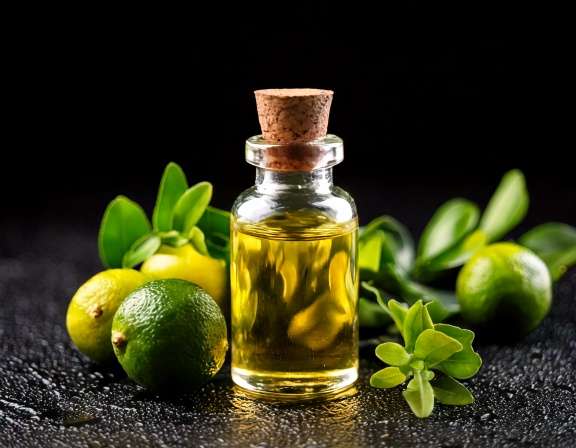
Petitgrain comes from the leaves and small twigs of the bitter orange tree, not the fruit peel. That detail matters because it changes the scent, the feel, and the way people use it in DIY recipes.
The aroma is fresh, slightly floral, and a little woody. It does not smell as sweet as orange or as sharp as lemon, so it often shows up in relaxing room sprays, bath blends, and body oils. If you are building a starter shelf, a beginner-friendly essential oil guide can help you compare safe first oils before you mix more at home.
A quick look at its scent, source, and common uses
Petitgrain essential oil is steam-distilled from plant parts that many people overlook. The leaves and twigs give it a clean, green scent that feels calm without turning sugary.
Because of that profile, people often use it in diffusers, body oils, bath salts, and homemade sprays. It blends well with lavender, cedarwood, geranium, and other soft scents. Even so, the plant source does not give you a free pass on dilution.
Why “gentle smelling” does not always mean “safe to use undiluted”
Scent strength and skin safety are two different things. An oil can smell soft and still irritate skin when it is used straight from the bottle.
That is especially true in DIY recipes where a few extra drops change the whole mix. A strong blend can feel heavy instead of fresh, and it can leave skin red or itchy. The safest habit is simple, start low, then adjust only if needed.
How to dilute petitgrain essential oil the right way
Dilution is where most DIY recipes succeed or fail. The right amount keeps the scent pleasant and gives your skin a buffer.
A tiny change in ratio can make a big difference, so start with a light hand. If you want more ratio help later, this essential oil mixing guide gives a clear beginner path.
| Use | Safe starting point | Easy example |
|---|---|---|
| Face products | 0.25% to 0.5% | 1 drop in 2 tsp carrier oil |
| Body oils | 1% to 2% | 6 drops in 1 oz carrier oil |
| Diffusers | 3 to 5 drops | Run in short sessions, then pause |
For leave-on facial blends, lower is better. For body oils, a mild mix is usually enough. In diffusers, a few drops can fill a room quickly, so do not chase a stronger smell.
Carrier oils that work well with petitgrain
Carrier oils soften the impact of essential oils on skin. They also help the blend spread evenly, which keeps one spot from getting too much oil.
Jojoba is a strong choice for face and pulse-point blends because it feels light. Fractionated coconut oil stays liquid and has very little scent. Sweet almond oil gives a silky glide for massage blends, while grapeseed oil feels thin and fast-absorbing.
Choose the carrier based on the recipe and your skin type. If you have nut allergies or very reactive skin, read the label first and choose carefully.
A beginner-friendly mixing example
A simple 10 mL roller is enough for a first test.
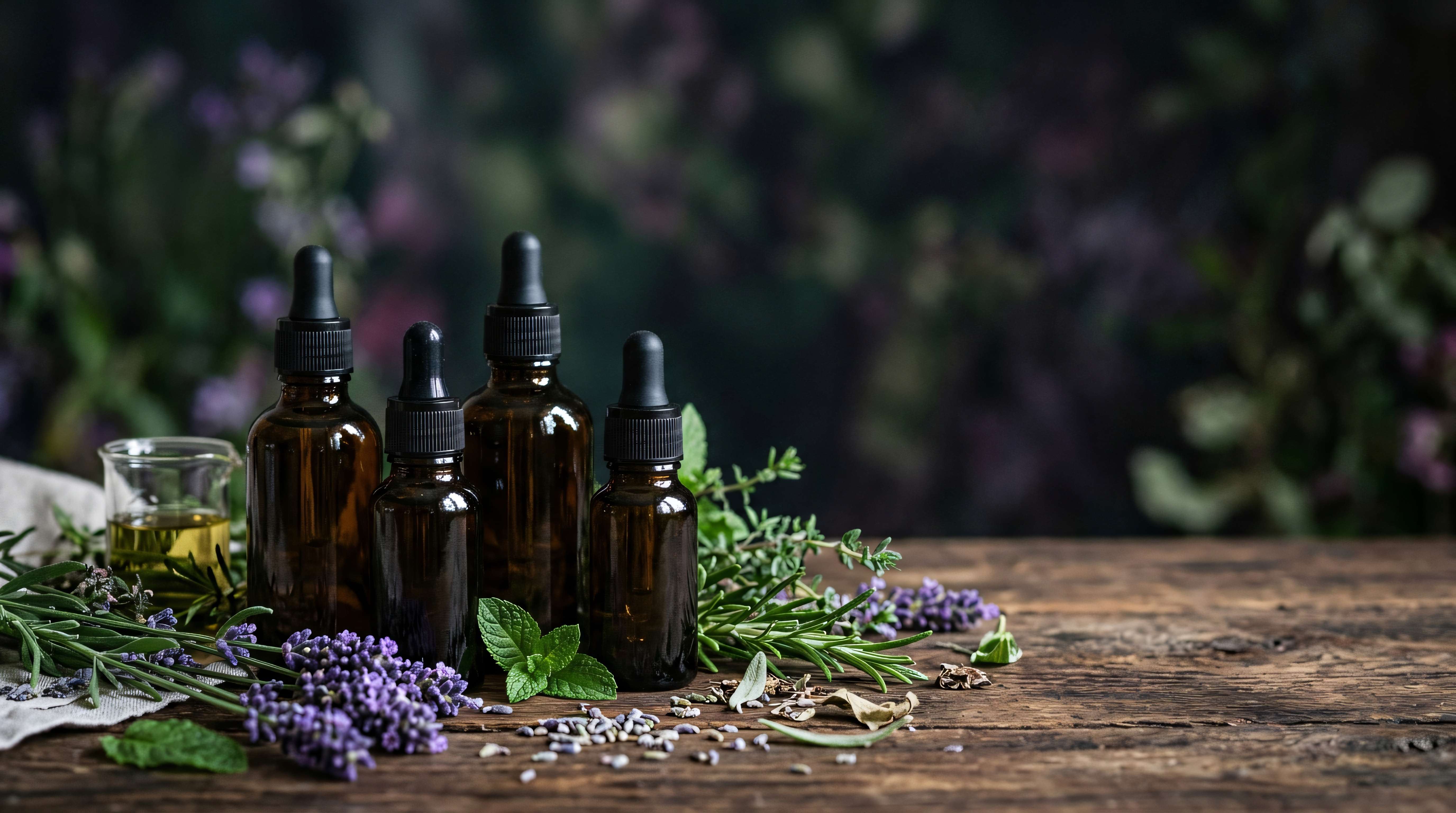
Use 2 drops of petitgrain essential oil, then fill the rest with fractionated coconut oil or jojoba oil. Shake gently, label it, and patch test before using it on wrists or the chest.
That small batch gives you a light blend near 1 percent. It is easy to remake, and it is easier to fix if the scent feels too strong.
Common DIY mistakes that can turn a good recipe into a bad one
Most mistakes happen because a recipe seems simple. Essential oils look harmless in small bottles, so it is easy to use more than you should.
Using too much oil in the blend
More drops do not equal better results. In fact, extra oil often makes the scent flat and heavy.
Skin can also react when the dose is too high. Redness, itching, or a hot feeling can show up fast. If a recipe needs a lot of drops to smell nice, the base may be too weak or the blend may need rethinking.
Start with the smallest amount that works. You can always add one more drop next time.
Skipping a patch test or using it on sensitive areas too soon
A patch test gives you a small warning before you cover a larger area. Put a tiny amount on the inner forearm and wait 24 hours.
The face, neck, and underarms need extra caution because the skin there is thinner. A blend that feels fine on the arm can still sting on the face. If you are trying a new recipe, keep the first test simple and away from those sensitive spots.
Mixing it into the wrong recipe base
Essential oil does not mix well with plain water on its own. If you add petitgrain essential oil to a watery spray without a proper solubilizer, the oil floats and lands in uneven spots.
That can leave one spray much stronger than the next. It can also make skin contact less predictable. A skin recipe needs the right base, not just the right scent. If you want a spray, use a proper emulsifier or make it a room blend instead.
Who should be extra careful with petitgrain essential oil?
Some people need lower dilution or extra guidance before using any essential oil. That includes pregnant people, children, and anyone with very sensitive skin.
During pregnancy or breastfeeding, keep blends simple and check with a qualified healthcare professional before regular use. For children, use age-appropriate recipes and lower amounts. Many adult blends are too strong for young skin.
People with eczema, frequent rashes, or fragrance sensitivity should be especially cautious. A tiny amount can still cause a strong reaction.
When to stop using a blend and wash it off right away
Stop use if you notice redness, burning, itching, hives, watery eyes, or a headache from strong scent exposure. Wash the area with mild soap and cool water.
If a blend stings, your skin is telling you to stop.
Do not try to push through the discomfort. Let the skin settle, then check the dilution, the carrier, and the patch test result before trying again.
Easy ways to make your recipes safer and more consistent
A safe DIY habit often comes down to small details. A little recordkeeping saves you from guessing later.
Label every blend so you know what is inside
Write the oil name, the date, the dilution level, and the intended use on every bottle. That way, you know what worked and what felt too strong.
Labels also help when you make several blends at once. A roller for the wrists should not get mixed up with a room spray. A few words on tape can save a lot of confusion.
Store oils away from heat, light, and curious hands
Keep petitgrain essential oil in a tightly closed dark bottle. Store it away from direct sun, warm windows, and the stove.
Heat can change the scent over time, and open lids let the aroma fade faster. Also keep bottles out of reach of children and pets. A high shelf is better than a bathroom counter.
Conclusion
Petitgrain essential oil works well in DIY blends when you treat it with care. The main habits are simple, know the oil, dilute it well, and test before full use.
Most problems come from using too much, skipping the patch test, or choosing the wrong base. Start small, label your recipes, and keep your blends gentle.
That approach still leaves plenty of room for creativity. It just gives your DIY work a safer, calmer foundation.
Stay Connected for More Natural Living Inspiration
If you enjoyed this post about herbal wellness and love discovering natural ways to refresh your home and wellness, don’t miss out on future recipes and clean-living tips! Subscribe to the blog for weekly DIYs, wellness inspiration, and herbal remedies delivered straight to your inbox.
Don’t forget to visit my Amazon storefront for the links to my favorite essential oils, herbal teas, and natural recipes. I also create YouTube ambiance videos for sleeping; a channel I created to help people who have trouble sleeping. The link to all social media content is here.
Thanks for coming by!


Leave a Reply