
(DISCLAIMER: I am not a doctor, and you should consult your healthcare professional before starting any health regimen. Product links are commissioned and supports the blog)

Key Takeaways:
- Spearmint tea works for some acne breakouts, results are most common with hormonal breakouts, not every type of acne.
- The research is small, often using 2 cups daily for about 30 days.
- A simple, steady brew usually works best, 1 teaspoon (or 1 tea bag) per cup, steeped 5 to 10 minutes.
- Timing matters for comfort, many people do better with morning and mid-afternoon, not right before bed.
- Skip daily spearmint tea if you’re pregnant, breastfeeding, trying to conceive, or on hormone-related meds, unless your clinician says it’s OK.
Breakouts can feel like your skin has a mind of its own. One week it’s calm, the next it’s angry, bumpy, and sore. If your acne flares around your cycle, stress, or PCOS, you’ve probably looked past face wash and started eyeing “from the inside” options.
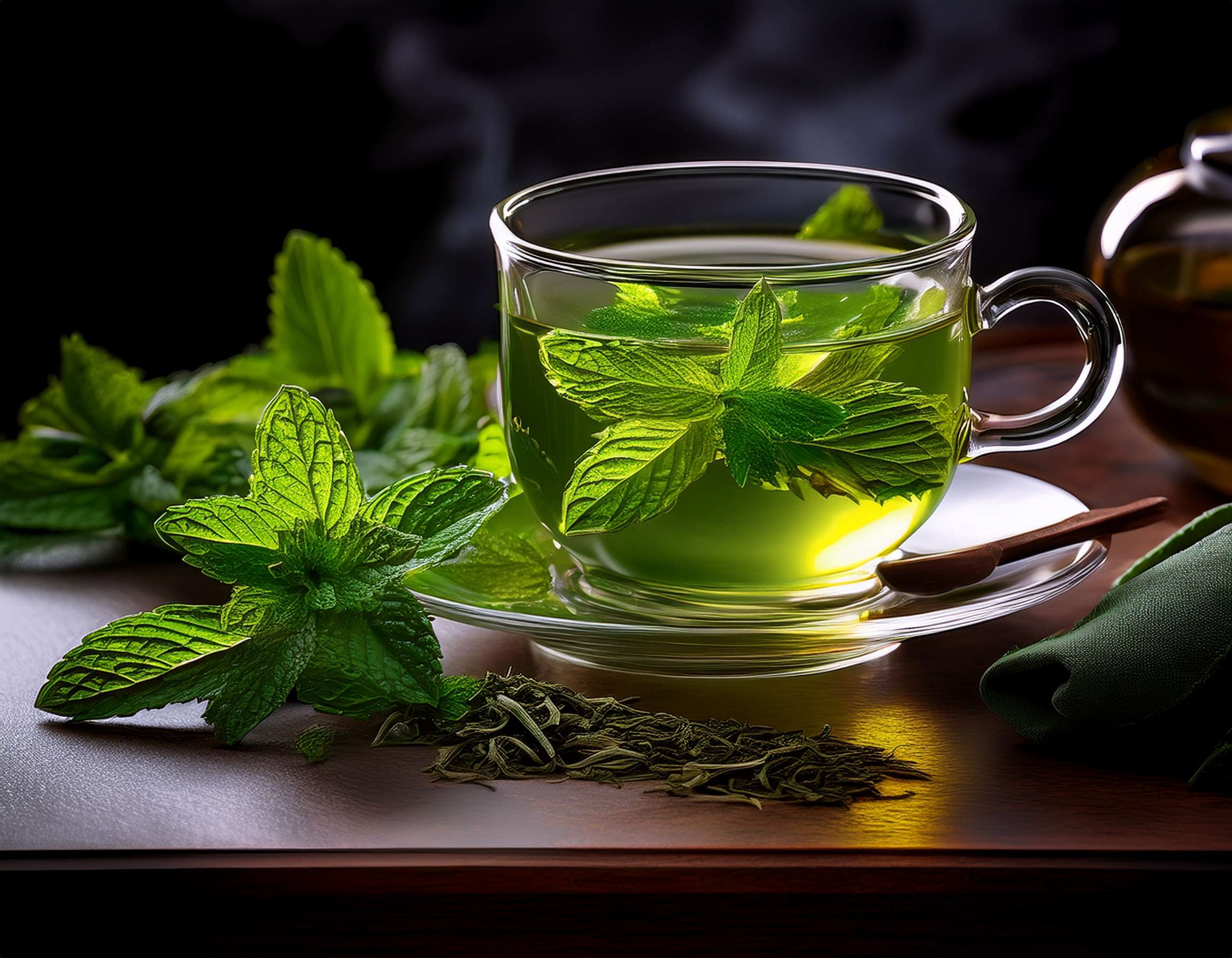
That’s where spearmint tea comes in. It’s simple, it’s inexpensive, and it tastes like a clean, sweet mint. But it’s not magic. The details matter: how strong you brew it, when you drink it, and whether daily use is a good idea for you.
Why spearmint tea may calm hormonal breakouts (and what to realistically expect)
Most talk about spearmint tea for skin centers on hormones, mainly androgens like testosterone. Androgens can push oil glands to make more sebum. More oil can mean more clogged pores, more inflammation, and more stubborn breakouts.
Spearmint has been studied most often in the context of androgen-related concerns (like PCOS symptoms). The acne connection is usually explained through that same “lower-androgens, lower-oil” idea. The catch is the science is still limited. We do not have big, long clinical trials that prove spearmint tea clears acne for everyone.
What we do have: small human studies (mostly in women) where people drank spearmint tea twice a day for around a month, and some saw improvement. Popular medical explainer sites sum it up well: there’s promising logic, light evidence, and a lot of individual variation. For an easy-to-read overview, see Healthline’s explanation of spearmint tea and acne. For a clinician-reviewed breakdown and safety notes, Verywell Health’s summary is also helpful.
So what should you expect?
- If your breakouts seem hormonal, spearmint tea may help some people with oiliness and inflammation.
- If your acne is mostly clogged pores from heavy products, sweat, or irritation, spearmint may not move the needle much.
- Results, when they happen, tend to be slow. Many people track changes over 3 to 6 weeks, not 3 days.
Think of it like turning down the volume, not flipping an on and off switch.
Best brew strength for spearmint tea (and why stronger isn’t better)
When people don’t see results fast, they often brew it like paint stripper. That usually backfires. Stronger isn’t proven to work better, and it can upset your stomach.
A practical “daily driver” brew looks like this:
- Use 1 teaspoon dried spearmint per 8-ounce cup (or 1 tea bag).
- Pour hot water over it (if it’s boiling hard, let it sit about a minute first).
- Steep 5 to 10 minutes, then strain.
If you’re new to spearmint tea, start at 5 minutes for a gentler cup. If you like a stronger taste, move up to 10 minutes. Past that, it often just gets more bitter.
A few small tweaks can make it easier to stick with:
- Cover your mug while steeping. It keeps the aromatic oils in the cup instead of floating off.
- Keep add-ins simple. Lemon is fine, honey is fine, but go easy on sugar if acne is your concern.
- Choose plain spearmint, not “mint blend” if you want consistency. Blends can vary a lot between brands.
If you love tea rituals, this is the kind you can make while your skincare dries. Simple, calming, repeatable.
If you’re also building a more natural approach to irritated skin in general (not just tea), it can help to have a few basics on hand. This guide on essential oils for a natural first aid kit is a solid starting point for simple, at-home support.
Best timing for spearmint tea, how often to drink it, and who shouldn’t have it daily
Most acne-focused routines people try fall into a “1 to 2 cups a day” pattern. That lines up with the small studies that used twice-daily tea.
A timing schedule that’s easy on your body (and easy to remember):
- Cup 1: morning, with breakfast or right after.
- Cup 2: mid-afternoon, after lunch.
This spacing avoids the “all at once” effect that can feel rough on an empty stomach. It also helps you avoid drinking a lot of liquid too close to bedtime, which can mess with sleep (and sleep matters for skin).
How long to try it before deciding
Give it a fair test window, but don’t drag it out forever.
- Track your skin for 30 days.
- Keep other changes steady if you can (don’t start three new actives the same week).
- Notice oiliness, painful inflamed bumps, and cycle-related flares.
If you want a deeper hormone-focused overview of why people use it, this article on spearmint tea and hormone balance explains the common reasoning in plain language.
Who shouldn’t drink spearmint tea every day
Daily use is not a good fit for everyone. Skip the “2 cups forever” plan if any of these apply, unless a qualified clinician tells you otherwise:
- Pregnant or breastfeeding: hormone effects are part of the point, and safety isn’t well established for daily use.
- Trying to conceive: same concern, don’t experiment with hormone-active herbs while you’re actively trying.
- Taking hormone-related meds (for example, medications that affect hormones): you want professional guidance first.
- Kids and teens: the acne may be common, but the research on spearmint tea is mainly in adults.
Also, listen to your body. Even “gentle” herbs can cause issues for some people. If you notice stomach upset, headaches, or you just feel off, stop and reassess.
If you want a non-tea option to pair with a simple routine, you might like learning about clove essential oil skin benefits for spot-focused support (always dilute essential oils and patch test).
Conclusion
Spearmint tea can be a calm, steady add-on for people with hormonal, breakout-prone skin, but it’s not a quick fix. Keep the brew simple, aim for 1 to 2 cups a day, and give it a month before you judge it. Timing and consistency often matter more than making it extra strong. If daily use doesn’t fit your life stage or meds, choose safety first, your skin will still benefit from a steady routine and good sleep.
Stay Connected for More Natural Living Inspiration
If you enjoyed this post about herbal wellness and love discovering natural ways to refresh your home and wellness, don’t miss out on future recipes and clean-living tips! Subscribe to the blog for weekly DIYs, wellness inspiration, and herbal remedies delivered straight to your inbox.
Don’t forget to visit my Amazon storefront for the links to my favorite essential oils, herbal teas, and natural recipes. I also create YouTube ambiance videos for sleeping; a channel I created to help people who have trouble sleeping. The link to all social media content is here.
Thanks for coming by!

Leave a Reply