
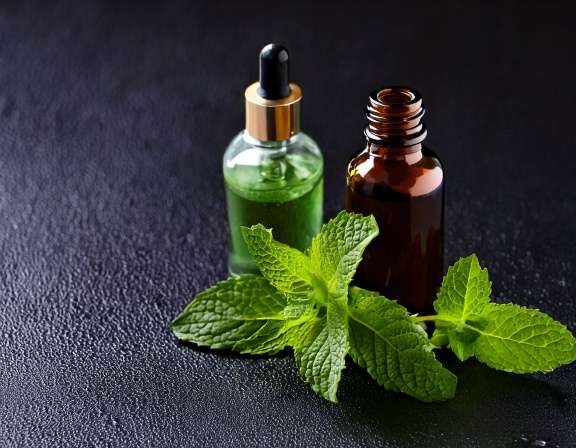
(DISCLAIMER: I am not a doctor, and you should consult your healthcare professional before starting any health regimen. Product links are commissioned and supports the blog)

Key takeaways for using peppermint oil safely in the morning
- A little goes a long way, so start with one drop or a very small blend.
- Inhaling is the gentlest place to begin, especially if you’re new to peppermint oil.
- Skin use should always include a carrier oil first.
- Short bursts work better than leaving the scent going all morning.
- Strong smells can cause headaches, irritation, or nausea if you use too much.
- Pregnant or breastfeeding people, young children, and anyone with asthma or sensitive skin should be extra careful.
Some mornings feel like your mind opens one eye before the rest of you does. That’s when many people reach for peppermint essential oil, hoping for a cleaner, brighter start than coffee alone can give.
Its sharp, cool scent can feel like a splash of cold water for the nose. It may help you feel more awake, more focused, and a little less stuck in the fog, but it works best in small amounts. In this post, you’ll find seven simple ways to use it without overdoing it, plus the basic safety habits that keep the scent pleasant instead of overpowering.
Why peppermint essential oil feels so refreshing when you wake up
Peppermint has a scent that feels crisp and cool before you even move. That first breath can feel like opening a window on a stuffy room. For many people, the smell alone helps the brain shift into gear.
The oil’s freshness is part scent and part sensation. Peppermint contains menthol, which can create that cooling feel and make the air seem sharper. That can be handy when you’re tired, unfocused, or easing into a busy day. If your slow morning also comes with a queasy stomach or a tense head, peppermint oil for headaches and nausea is another helpful read.
Peppermint can wake up your senses, but it should stay in the background, not take over the room.
It helps to treat peppermint oil as a morning support tool. It can fit into your routine, but it won’t replace sleep, water, food, or a better bedtime.
The morning moments when it helps most
Peppermint oil tends to feel most useful in ordinary, half-awake moments. Think of those minutes after getting out of bed, when your brain still feels wrapped in blankets. It can also help before work, during study time, or right before a drive when you want to feel more alert.
Some people like it as a reset between tasks. Others use it when they need a clean mental cue that says, “the day has started.” If the scent feels bright and helpful, it can turn a sluggish morning into a steadier one.
Why less is often better
Peppermint can feel strong fast. That is part of the appeal, but it is also why people overdo it.
One drop may be enough for a tissue or washcloth. A few drops may be enough for a diffuser or spray. More oil does not create more energy. It usually just creates a louder smell. If you want the routine to feel fresh instead of sharp, keep the dose small and the session short. If you’re new to oils overall, this beginner’s guide to essential oils can help you keep the basics simple.
7 simple ways to use peppermint essential oil without overdoing it
The best morning routine is the one you can repeat without strain. These seven ideas are easy to test, and none of them need much oil. Start with the gentlest option, then adjust based on how your body responds.
Add one drop to a tissue for a quick inhale
This is the easiest way to begin. Put 1 drop on a tissue or cotton ball, then hold it a few inches from your nose. Take two or three slow breaths, then put it away.
This works well before getting dressed, during a commute, or at your desk before you open your inbox. It gives you the scent without filling the whole room. If the smell feels too sharp, move the tissue farther away and inhale less often.
Diffuse it for a short morning reset
A diffuser can help freshen a room and mark the start of the day. Add 2 to 4 drops to your diffuser, then run it for 10 to 20 minutes in a ventilated space.
That short window is enough for most people. You want a light lift, not a scent that hangs in the air all morning. Open a window if you can, or keep the room door cracked. The goal is a clean, easy wake-up, not a heavy perfume cloud.
Make a diluted roll-on for pulse points
Peppermint oil should never go straight onto skin. Mix 1 to 2 drops with 1 teaspoon of carrier oil, such as jojoba, coconut, or olive oil. Pour it into a small roller bottle if you have one.
A tiny dab on the wrists or sides of the neck can feel refreshing. Do a patch test first, especially if your skin is sensitive. If it tingles too much, dilute it more or skip skin use and stick with inhaling.
Refresh the shower steam with one careful drop
A steamy shower can carry peppermint scent in a gentle way. After the water is running, place 1 drop in the far corner of the shower floor, away from the direct stream and away from your skin.
Let the steam lift the scent into the air. Keep the amount tiny, because hot water makes aromas rise fast. If the smell feels too strong, use the tissue method instead. This should feel spa-like and simple, not intense.
Blend it into a simple morning body oil
If you like homemade self-care, a light body oil can be a nice option. Mix 3 drops of peppermint oil into 1 tablespoon of carrier oil, then rub a small amount over your arms, shoulders, or chest.
Use a gentle hand. You only need enough to leave a light scent on the skin. This blend works well after a shower or before getting dressed. Keep it off broken skin, and avoid the face and eyes.
Use it in a cool washcloth or hand towel
A cool cloth can wake you up fast, especially on hot mornings or after a workout. Add a drop of peppermint oil to a teaspoon of carrier oil, massage it into a clean washcloth, then run the cloth under cool water and wring it out well.
Hold it near your face or rest it on the back of your neck for a minute. The cool cloth and the scent work together. It is simple, low effort, and easy to stop if it feels too strong.
Pair the scent with a simple breathing break
Peppermint oil feels more useful when you slow down for a minute. Put 1 drop on a tissue, sit still, and take five slow breaths before checking your phone.
That small pause can change the tone of your morning. The scent becomes a cue to settle in and focus. It is less about dramatic energy and more about giving your mind a clean place to land.
Add a tiny amount to a homemade room spray
A light room spray can freshen a bedroom, bathroom, or home office. In a 2-ounce spray bottle, mix 5 drops peppermint oil with 1 teaspoon of witch hazel, then fill the rest with distilled water. Shake before each spray.
Mist lightly into the air, not on your face, bedding, or skin. Keep the spray subtle. If it lingers too long, use fewer drops next time. A gentle scent is easier to enjoy than a strong one that hangs around.
How to keep peppermint oil helpful instead of overwhelming
The line between refreshing and overpowering is thin with peppermint oil. More does not create better results. It can lead to headaches, watery eyes, nausea, or skin irritation instead.
Use dilution on skin, keep it away from eyes, nose, lips, and broken skin, and wash your hands after handling it. Do not swallow peppermint oil unless a healthcare professional tells you to. Also, be cautious with pregnancy, breastfeeding, asthma, allergies, and small children. A quick check with a clinician is smart if you plan to use it often or you have a health concern.
Signs you are using too much
Your body usually gives clear clues. Burning skin, watery eyes, a headache, nausea, or a scent that feels harsh instead of clean are all signs to stop.
If that happens, step into fresh air, wash the area with mild soap and water if it touched your skin, and use less next time. A smaller amount almost always works better.
Who should be extra careful
Pregnant or breastfeeding people should ask a professional before using peppermint oil regularly. The same goes for people with asthma, reflux, or very sensitive skin.
Parents should also be careful with young children, especially around the face. Peppermint oil is strong enough to bother small noses fast. When in doubt, choose a different morning ritual or get medical advice first.
Conclusion
Peppermint essential oil can be a bright part of your morning when you keep it light. One drop, a short diffuse session, or a diluted roll-on is often enough to make the air feel cleaner and your mind feel more awake.
The real trick is balance, not intensity. Start with one method, notice how it feels, and adjust from there. A small routine can be easier to keep, and that makes it more useful on the mornings that need it most.
Stay Connected for More Natural Living Inspiration
If you enjoyed this post about herbal wellness and love discovering natural ways to refresh your home and wellness, don’t miss out on future recipes and clean-living tips! Subscribe to the blog for weekly DIYs, wellness inspiration, and herbal remedies delivered straight to your inbox.
Don’t forget to visit my Amazon storefront for the links to my favorite essential oils, herbal teas, and natural recipes. I also create YouTube ambiance videos for sleeping; a channel I created to help people who have trouble sleeping. The link to all social media content is here.
Thanks for coming by!




Leave a Reply