(DISCLAIMER: I am not a doctor, and you should consult your healthcare professional before starting any health regimen.)

Key takeaways about hierba santa
- Hierba santa is known scientifically as Piper auritum, a large aromatic leaf cherished in culinary traditions.
- Its flavor is bold, with notes that feel anise-like, peppery, minty, and root-beer-like.
- Cooks use it to wrap food, season stews, perfume sauces, beans, and rice, and as a signature flavor in authentic tamales.
- Traditional wellness use centers on digestion and breathing comfort, but strong human research is limited.
- Small food amounts are the usual way to use it, while repeated medicinal use deserves caution.
A single leaf can carry more personality than a whole jar of dried herbs, and hierba santa is a perfect example. In kitchens across Central America and throughout Mexican cooking, this fragrant plant is prized for its bold aroma and its ability to season food in a way that feels smoky, sweet, and spicy at once.
The name can cause confusion, though. While hierba santa is the common title, it is also widely known as hoja santa and is frequently nicknamed the root beer plant. It is easy to mix it up with yerba santa, which is a different plant entirely. This article focuses on the leafy cooking herb used in soups, tamales, sauces, and traditional home remedies, along with what to know about taste, uses, and safety.
What hierba santa is and how to recognize it
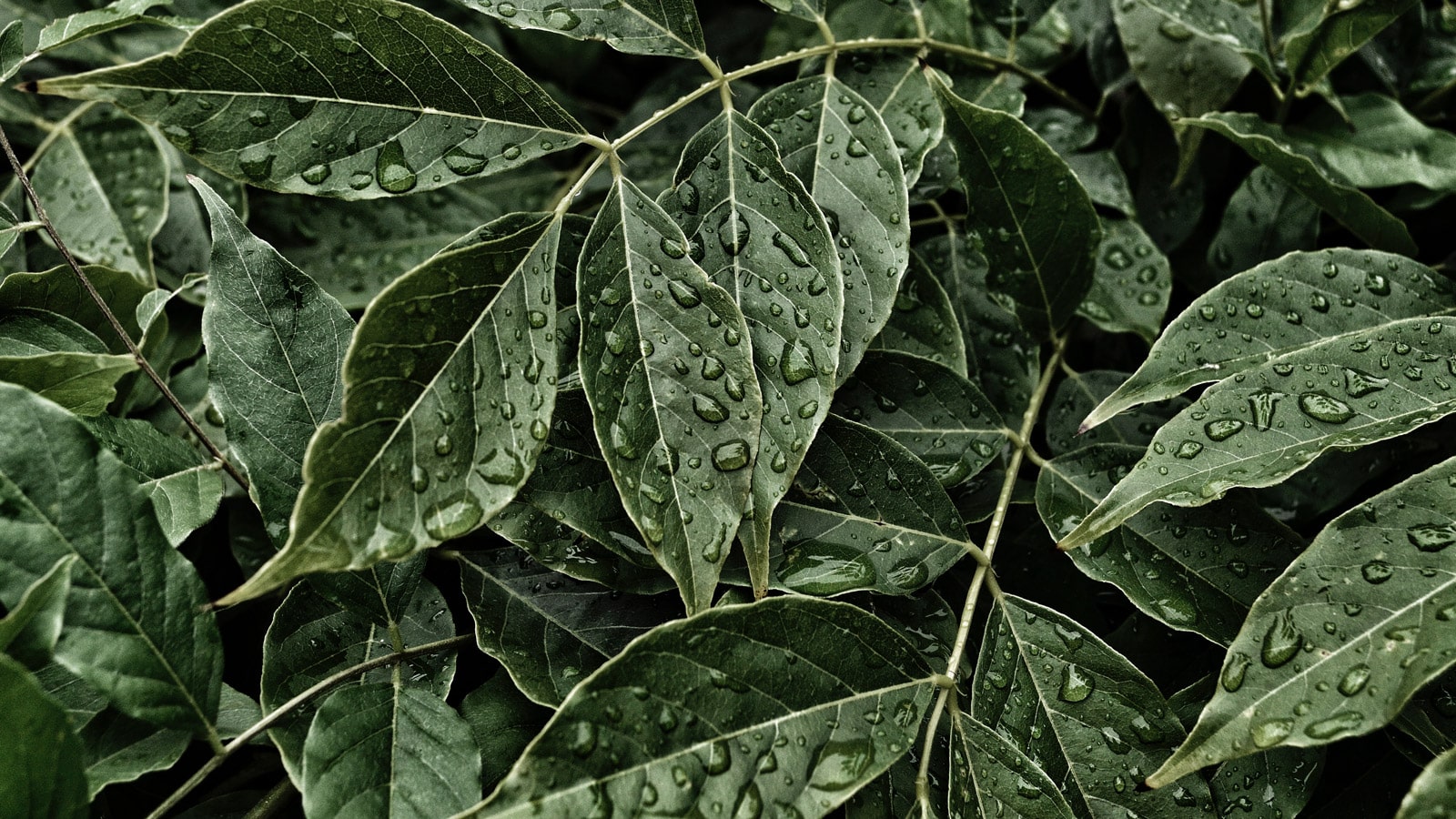
Hierba santa, known scientifically as Piper auritum, is a striking plant characterized by its broad, heart-shaped leaves and distinct, heady scent that emerges the moment the foliage is bruised. These large leaves possess a soft, velvety texture and veins that fan out prominently, giving the plant a lush, tropical appearance. Often referred to as Mexican pepperleaf, this aromatic herb commands attention in the garden and the kitchen.
That substantial size is a key feature in culinary applications. A single leaf can infuse an entire dish with flavor, which is why cooks treat it with such respect. The scent is thick and unmistakable, setting it apart from milder herbs like parsley or cilantro. In fact, many people notice the complex, perfumed fragrance of the plant long before they actually see it.
The flavor and aroma people notice first
The flavor profile is nuanced and difficult to define with a single word. Most culinary enthusiasts describe it as having a distinct anise flavor, accompanied by subtle hints of black pepper, mint, and a touch of sweetness reminiscent of sassafras. This complex combination provides the leaf with a warm, sophisticated edge.
Because the aroma is so potent, the leaf is frequently used as a natural wrapper or simmered in sauces and removed before serving. In this way, it functions like a flavor-infusing agent for the pot. You typically want the essence of the herb in your dish rather than a mouthful of fibrous leaf in every bite.
Why hierba santa is often mistaken for other herbs
The naming conventions for this plant can be confusing, as Spanish-speaking regions sometimes use similar terms for entirely different species. Hoja santa, which translates literally to sacred leaf, is the name most commonly used to identify this culinary staple. However, it is important to distinguish it from yerba santa, which is a different plant entirely. These two should not be used interchangeably.
A buyer looking for the correct cooking herb should check the botanical name carefully. If your goal is to add flavor to your favorite recipes, Piper auritum is the specific variety you need to find. If a product label is vague, it is always better to verify the species before purchasing to ensure you have the right ingredient.
Traditional uses of hierba santa in wellness and home remedies
For generations, people have turned to hierba santa for more than flavor. Folk traditions have long valued the plant for its medicinal properties, often using it to soothe an upset stomach, bloating, cramps, migraines, coughs, congestion, and breathing discomfort. These time-honored applications demonstrate how deeply the plant is rooted in home care traditions.
Early research has also looked at possible antioxidant and anti-inflammatory activity. That said, lab findings are not the same as proof in humans. The herb has a long traditional history, but clinical research remains limited. It is also important to note that hierba santa is distinct from yerba santa, and these two plants should not be confused when exploring their respective traditional uses.
If digestive tea is where your interest usually starts, herbal teas for digestive relief can give you a wider look at familiar soothing herbs like peppermint, ginger, and chamomile.
Common ways people have used it for digestion
Digestive use is one of the oldest reasons people reach for the leaf. It has been brewed as a tea or steeped after meals when the stomach feels heavy. Some families use it for gas, cramping, or a general feeling of discomfort in the belly.
The idea is simple. A warm infusion can feel comforting, and the plant carries a strong scent that many people associate with settling the stomach. Still, traditional use does not replace medical care, especially if symptoms persist.
Why it appears in respiratory folk remedies
Hierba santa also appears in folk remedies for coughs, chest tightness, and congestion. In some homes, it has been used as part of steam or tea traditions meant to ease breathing discomfort. Those uses are part of its story, even if they are not the same as proven medical treatment.
Plant names can blur across regions, so it helps to check the exact species before trying any old remedy. A common name can carry more than one plant species. That is why careful identification matters before the leaf ever reaches a teacup.
How hierba santa is used in the kitchen
This is where hierba santa shines most clearly. As a versatile culinary herb, it behaves like a bold green wrapper with a perfume that spreads through heat. It brings depth to food without needing a long ingredient list.
Cooks often use it fresh, either whole or chopped. Whole leaves serve as an ideal edible wrapper for fish, tamales, or cheese, while chopped leaves can disappear into sauces, beans, rice, or eggs. The leaf also plays a vital role in Mexican cuisine, especially in Oaxaca, where its scent helps soften the richness of complex sauces like mole verde.
The flavor works best with hearty dishes. Fish wrapped in the leaf takes on a gentle anise note. Beans become earthier. Tamales gain a green, fragrant edge that feels larger than the leaf itself. In some places, the herb also appears in chocolate drinks and even a green liqueur called Verdín, which shows how flexible its aroma can be.
The best way to understand the herb is to treat it like a seasoning with presence. It does not whisper. It fills the pan.
Best dishes where the leaf really stands out
Rich, savory food gives hierba santa room to do its work. Wrapped fish is one of the cleanest examples, because the leaf perfumes the flesh as it cooks. Tamales also benefit from the herb, since masa and fillings hold onto the scent well.
Bean dishes, soups, stews, and traditional pozole are strong matches too. The leaf can round out earthy flavors and make a simple pot taste more layered. In mole amarillo or other local staples, it adds the kind of herbal depth that lingers after the first bite.
Simple ways to use it without overpowering a recipe
Start with one leaf if you are new to it. That is usually enough for a small dish or a pot of broth. If the leaf is large, one piece can go a long way.
Use it as a wrap, or simmer it in the liquid and remove it later. You can also chop a small amount into sauces, but go slowly. Taste as you cook, because the flavor builds faster than many first-time cooks expect.
A useful rule in Mexican cooking is this: let the herb support the dish, not take it over. That balance keeps the aroma bright instead of heavy.
Safety, side effects, and who should be careful
Hierba santa is most common in small culinary amounts, which is the safest way to enjoy it. When it appears in a soup, sauce, or tamal, it acts as a flavoring leaf rather than a daily supplement. However, using the plant for medicinal purposes raises additional considerations.
One primary reason for caution is that the plant contains trace amounts of safrole. While an occasional leaf in a dish is generally considered safe, this chemical compound makes heavy or repeated medicinal use a poor idea. Concentrated extracts and frequent consumption of herbal teas deserve significantly more caution than a one-time culinary serving.
When the leaf is part of a meal, it fits naturally into the kitchen. When it becomes a remedy, the dose matters more.
Food use versus medicinal use
Food use is usually modest, occasional, and tied to a specific recipe. In contrast, medicinal use often implies repeated cups of tea, concentrated mixtures, or stronger herbal preparations. These are two very different situations.
With herbs like this, more is not necessarily better. Because safety data is limited, the wise choice is to keep the leaf in the kitchen unless a clinician has provided specific guidance for therapeutic use.
When to ask a health professional first
Pregnant and breastfeeding individuals should consult with a healthcare provider before using hierba santa as a remedy. The same caution applies to those with liver disease, as compounds like safrole can raise concerns when consumed in high or repeated doses.
Anyone taking regular medications should also seek professional advice before adding this herb to their routine, especially if they plan to use it as a tea or in a concentrated form. This includes individuals interested in the plant for digestive support or respiratory comfort. A short conversation with a medical professional can prevent uncertainty and ensure the herb is used safely.
Frequently Asked Questions
Is hierba santa safe to eat every day?
While hierba santa is safe when used in modest culinary amounts, such as seasoning a soup or wrapping a tamal, you should exercise caution with daily or heavy medicinal use. Because the plant contains trace amounts of safrole, consistent or high-dose consumption is not recommended.
Can I substitute hierba santa with other herbs?
There is no direct substitute for the unique flavor of hierba santa, which balances notes of anise, mint, and black pepper. While other herbs like basil or cilantro offer freshness, they lack the specific aroma and depth that define the culinary profile of Piper auritum.
How do I tell the difference between hierba santa and yerba santa?
These two plants are entirely different species and should not be used interchangeably. Always check for the scientific name, Piper auritum, to ensure you have the correct culinary herb for your cooking rather than the medicinal Eriodictyon species known as yerba santa.
Should I eat the entire leaf when used in a dish?
Usually, the leaf is used as an infusing agent or a wrapper and is removed before serving. While the leaf is edible, it can be quite fibrous and potent, so most cooks prefer to let the leaf impart its flavor into the dish without eating the leaf itself.
Conclusion
Hierba santa has a lot to offer for a single leaf. Whether you know it by this name or as Hoja santa, it brings a bold scent, a distinct flavor, and a storied history to both culinary traditions and traditional home remedies. The unique aroma of Hierba santa, often described as a blend of anise and eucalyptus, elevates a variety of dishes, making it a prized ingredient in Mexican cuisine, where it’s used to wrap tamales or infuse salsas.
Beyond its culinary uses, Hierba santa has been celebrated for its medicinal properties, traditionally employed to alleviate respiratory issues, digestive discomfort, and as a soothing aid for various ailments. This ancient herb not only enriches the palate but also connects generations through its deep-rooted significance in cultural practices, symbolizing a bridge between gastronomy and healing.
For most people, the best way to enjoy this plant is simple: cook with it carefully and let it season your favorite dishes. Keep safety in mind, stay moderate with your consumption, and always treat medicinal use with extra caution. If you are curious about exploring new herbs, this is one worth meeting through a delicious home cooked meal first.
Stay Connected for More Natural Living Inspiration
If you enjoyed this post about herbal wellness and love discovering natural ways to refresh your home and wellness, don’t miss out on future recipes and clean-living tips! Subscribe to the blog for weekly DIYs, wellness inspiration, and herbal remedies delivered straight to your inbox.
Don’t forget to visit my Amazon storefront for the links to my favorite essential oils, herbal teas, and natural recipes. I also create YouTube ambiance videos for sleeping; a channel I created to help people who have trouble sleeping. The link to all social media content is here.
Thanks for coming by!


Leave a Reply