

(DISCLAIMER: I am not a doctor, and you should consult your healthcare professional before starting any health regimen. Product links are commissioned and supports the blog)

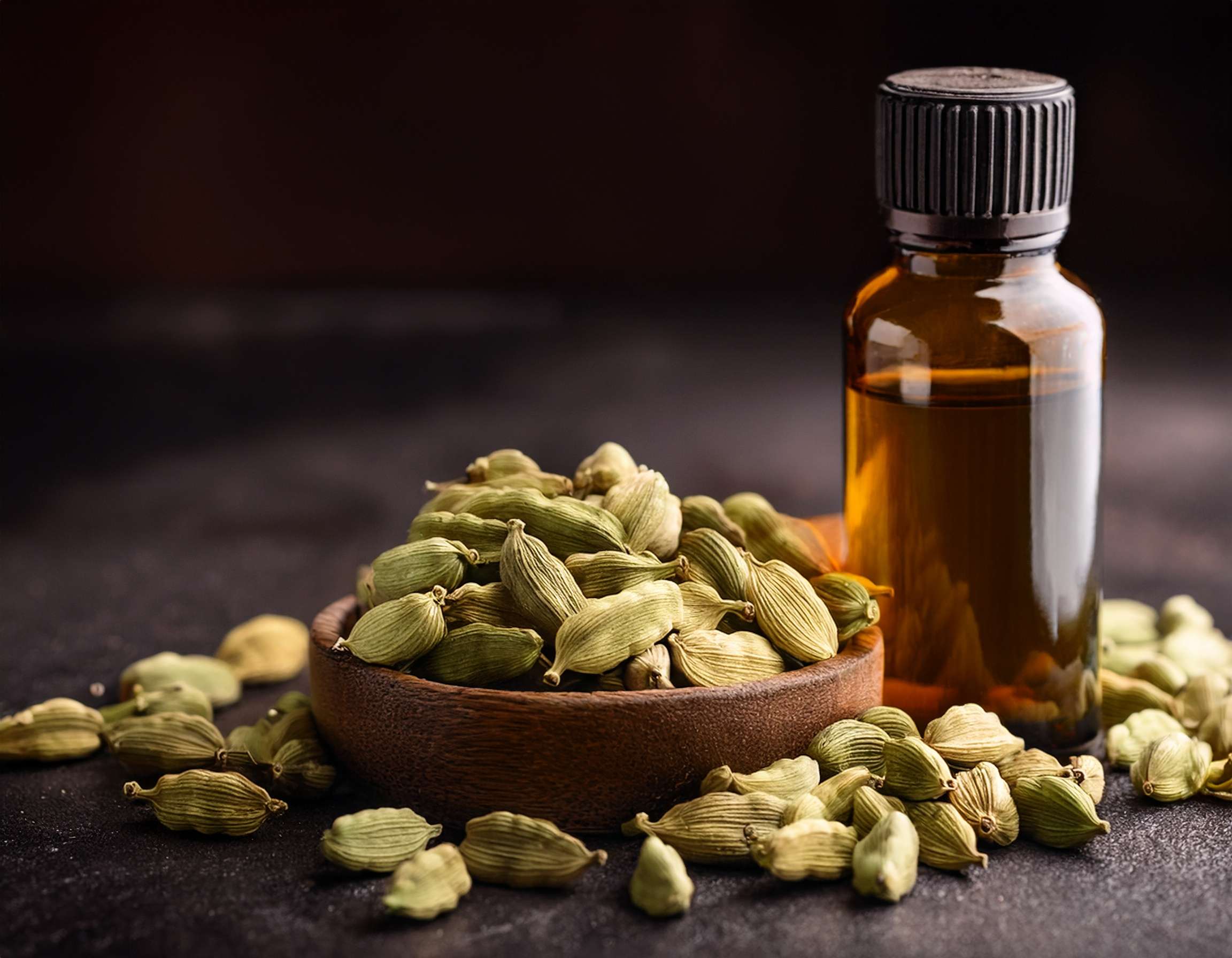
Cardamom has a scent that feels like warmth in a bottle. Sweet, spicy, fresh, and slightly camphor-like, it brings a cozy lift to a room without feeling heavy.
Many people explore cardamom essential oil benefits for digestion-inspired blends, mood support, breathing comfort, and everyday relaxation. Its uses come mostly from traditional aromatherapy and personal experience, while cardamom spice and tea have a longer history in food and beverages. Start simple, use small amounts, and let the aroma become one gentle part of your self-care routine.
Key Takeaways About Cardamom Essential Oil
- Cardamom essential oil has a warm, spicy aroma that can support a calm, fresh, and comforting atmosphere.
- Traditional aromatherapy often includes it in blends for after-meal comfort and seasonal breathing support.
- Diffusion, personal inhalation, and properly diluted topical blends are practical everyday options.
- Cardamom tea uses whole spice or ground cardamom, which is different from concentrated essential oil.
- Fresh air, thoughtful dilution, patch testing, and age-appropriate use keep aromatherapy comfortable.
- Look for Elettaria cardamomum on the label when shopping for true cardamom seed essential oil.
Cardamom Essential Oil Benefits: What It May Support
The appeal of cardamom essential oil is largely sensory. It has a rich, lively scent that can feel both grounding and refreshing, almost like opening a jar of freshly crushed pods in a warm kitchen.
Its aroma also blends easily with citrus, lavender, ginger, bergamot, and other gentle spice oils. This makes it useful when you want a room to smell clean, cozy, and a little more awake.
New Directions Aromatics lists 1,8-cineole and terpinyl acetate among its main naturally occurring components. Cardamom’s 1,8-cineole content helps explain why it often appears in fresh, open-feeling respiratory blends. That said, aromatherapy is about sensory comfort, not treating congestion, infection, or respiratory illness.
Traditional wellness practices also connect cardamom with digestive comfort. That association comes from the spice itself, which has a long culinary history in teas, baked goods, chai, and savory dishes. The concentrated oil offers a different kind of experience and works best as an aromatic addition to a broader self-care ritual.
A Warm Aroma for Relaxation and Everyday Mood Support
Cardamom aromatherapy can make a space feel softer and more inviting. Its sweet-spicy scent has a bright edge, so it works well when lavender alone feels too sleepy or orange alone feels too light.
Try it in a diffuser during a slow morning, after a busy day, or while tidying the kitchen. A personal inhaler is another simple option for enjoying the scent away from home. You can also use a properly diluted pulse-point blend for a close, personal aroma.
Calming essential oil blends are personal. One person may find cardamom comforting, while another may prefer it paired with floral or citrus notes. Let your own response guide the blend.
Traditional Digestive and Respiratory Aromatherapy Uses
Cardamom has been used as a culinary spice and traditional digestive herb for generations. In aromatherapy, the oil is often added to blends meant to create a settled, fresh, after-meal feeling.
A brief inhale from a diffuser or tissue can be a pleasant ritual after a rich meal. In seasonal blends, cardamom can add a clear, lightly camphor-like note alongside sweet orange or lavender.
Inhaled cardamom aroma and cardamom essential oil taken internally are two very different practices.
Cardamom spice tea remains the easy food-based choice when you want to enjoy cardamom in a drink. Save the essential oil for measured aromatic and external-use recipes.
How to Use Cardamom Essential Oil at Home
For beginners, diffusion, brief inhalation, and diluted topical use are the simplest ways to enjoy cardamom essential oil benefits. Each method gives you the scent without making your routine complicated.
Use your diffuser according to its water fill line and instructions. Intermittent sessions work well, especially in smaller rooms. Open a window now and then, and give the room plenty of fresh air.
For direct inhalation, place one drop on a cotton pad or personal inhaler wick. Hold it nearby and breathe naturally. Skip direct steam inhalation with concentrated oil, since the warm vapor can feel intense.
Topical blends need a carrier oil such as jojoba, fractionated coconut, sunflower, or sweet almond oil. Many adults begin around a 1 to 3 percent dilution, with lower amounts for sensitive skin. If you are still learning how to mix essential oils safely, start with fewer drops and build confidence slowly.
Cardamom Diffuser Blend for a Cozy Room
Ingredients
- 1 drop cardamom essential oil
- 2 drops sweet orange essential oil or lavender essential oil
- Water for your diffuser
Add water to your diffuser’s marked fill line, then add the oils. Run the diffuser intermittently in a ventilated room. This small blend creates a warm, pleasant atmosphere that works nicely during reading time, light cleaning, or an evening wind-down.
For more ideas, explore this practical essential oil diffuser guide.
Diluted Cardamom Neck and Wrist Roll-On
Ingredients
- One 10 mL glass roll-on bottle
- 2 to 4 drops cardamom essential oil
- Jojoba oil or fractionated coconut oil
Add the cardamom essential oil to the bottle, then fill the rest with your carrier oil. Insert the roller top, close the cap, and gently roll the bottle between your palms to combine. Patch test first, then apply a small amount to intact skin on the wrists or back of the neck.
Keep the blend away from the eyes, ears, and other sensitive areas. This roll-on is a simple aromatic personal-care option, with a warm scent that stays close to the skin.
Cardamom Spice Tea for a Comforting Beverage
Ingredients
- 3 to 4 lightly crushed green cardamom pods
- 8 ounces hot water
- Optional fresh ginger, cinnamon stick, lemon, or honey
Place the crushed pods in a mug or small teapot, then pour hot water over them. Cover and steep for 8 to 10 minutes. Strain, then add ginger, cinnamon, lemon, or honey if you like.
This tea uses cardamom spice, not essential oil. It is a warming, flavorful drink that pairs beautifully with an aromatherapy routine, especially when you want a simple moment of comfort.
Cardamom Essential Oil Safety, Dilution, and Who Should Take Extra Care
Essential oils are concentrated plant extracts. A little goes a long way, which is why dilution is part of good everyday use.
For adult body blends, a 1 to 3 percent dilution is a practical starting range. Sensitive users often enjoy lower amounts. Children need individualized guidance from a qualified aromatherapy professional, with especially careful attention to the specific oil and intended use.
A patch test gives your skin a chance to respond before you use a blend more widely. Apply a small amount of your diluted mixture to a small patch of intact skin and wait 24 hours. This essential oil patch-testing guide can help you make the process feel simple.
Store bottles tightly capped in a cool, dark place. Wash your hands after applying a blend, and keep oils away from the eyes and mucous membranes.
Cardamom oil contains 1,8-cineole. Eden Botanicals and AromaWeb advise keeping oils with this constituent away from infants and young children, especially near the face. Pregnancy and breastfeeding are good times to seek individualized guidance from a qualified clinician or aromatherapy professional before choosing cardamom essential oil.
Internal use is a separate, medication-like decision. Choose professional guidance and a product clearly labeled for that purpose. Cardamom tea made with pods or seeds remains a familiar food-style beverage, while essential oil requires a different level of care.
Choosing a Quality Cardamom Essential Oil
A good bottle gives you clear information before you even remove the cap. Look for the botanical name Elettaria cardamomum, along with the plant part, extraction method, country of origin, and batch or lot number.
Cardamom essential oil is usually steam distilled from the seeds. New Directions Aromatics lists India and Sri Lanka as sources for its oil, while reputable suppliers may also share testing information such as GC-MS reports.
Choose dark glass packaging with a secure cap. Read the ingredient label closely, since fragrance oil, cardamom flavoring, and pre-diluted massage blends are different products. A trustworthy seller provides straightforward safety and use details.
Cardamom Essential Oil Compared With Cardamom Spice and Tea
These forms share the same beloved spice, but each belongs in a different part of your routine.
| Form | Best use | Preparation | Everyday care |
|---|---|---|---|
| Whole pods or ground cardamom | Cooking and tea | Crushed, ground, or simmered | Use like a culinary spice |
| Cardamom tea | Warm herbal beverage | Steep pods or seeds in hot water | Enjoy as a food-style tea |
| Cardamom essential oil | Aromatherapy and external blends | Diffuse or dilute in carrier oil | Use measured amounts and follow label guidance |
Treat each form for what it is. The spice belongs in food and tea, while the essential oil belongs in carefully measured aromatic recipes.
Frequently Asked Questions
What does cardamom essential oil smell like?
Cardamom essential oil smells warm, spicy, sweet, and lightly fresh. Some people notice a soft camphor-like note, which gives it a brighter feel than heavier spice oils. It pairs especially well with sweet orange, bergamot, lavender, ginger, and cedarwood.
Can I put cardamom essential oil in my bath?
A properly prepared bath blend needs a suitable dispersant or a carrier oil, since essential oil and water stay separate. For a beginner-friendly option, a diluted wrist roll-on or diffuser blend is often easier to measure. Keep the total amount modest and enjoy the scent in a well-ventilated space.
Is cardamom essential oil good for a personal inhaler?
Yes, a personal inhaler is a convenient way to enjoy its warm scent. Add one or two drops to the inhaler wick, then use it for brief, comfortable inhalations. Keep personal inhalers stored safely and use age-appropriate oils around your household.
How long does cardamom essential oil last?
When stored in a tightly capped dark glass bottle away from heat and sunlight, essential oil can stay aromatic for a long time. Check the supplier’s best-by guidance and pay attention to changes in scent, color, or texture. Fresh-smelling oil gives you the best blending experience.
Can cardamom essential oil be blended with lavender?
Cardamom and lavender make a lovely pair. Lavender softens cardamom’s spice, while cardamom adds warmth and freshness to lavender’s floral scent. Try one drop of cardamom with two drops of lavender in a water-based diffuser.
A Warm, Practical Way to Enjoy Cardamom
Cardamom essential oil benefits begin with its inviting scent. It can support a cozy mood, freshen a room, and add traditional digestive-inspired warmth to a simple aromatherapy routine.
Start with a brief inhale, the cozy diffuser blend, or a properly diluted roll-on. Keep cardamom tea as its own spice-based ritual, made with pods or seeds rather than essential oil.
A warm cup of tea or a softly scented room can be enough. Use thoughtful dilution, age-appropriate care, and professional guidance when it fits your needs.
Stay Connected for More Natural Living Inspiration
If you enjoyed this post about herbal wellness and love discovering natural ways to refresh your home and wellness, don’t miss out on future recipes and clean-living tips! Subscribe to the blog for weekly DIYs, wellness inspiration, and herbal remedies delivered straight to your inbox.
Don’t forget to visit my Amazon storefront for the links to my favorite essential oils, herbal teas, and natural recipes. I also create YouTube ambiance videos for sleeping; a channel I created to help people who have trouble sleeping. The link to all social media content is here.
Thanks for coming by!

Leave a Reply