
(DISCLAIMER: I am not a doctor, and you should consult your healthcare professional before starting any health regimen. Product links are commissioned and supports the blog)

Key Takeaways
- Palo santo essential oil may help a room feel fresher and may support easier breathing on mild, stuffy days.
- Lab studies suggest antimicrobial, anti-inflammatory, and antioxidant activity, but large human trials are still missing.
- Diffusion and properly diluted topical use are the safest common methods for most adults.
- This oil should not replace medical care for asthma, infection, bronchitis, pneumonia, or serious breathing trouble.
- Sustainable sourcing matters, because palo santo has ecological value and deep cultural meaning in South America.
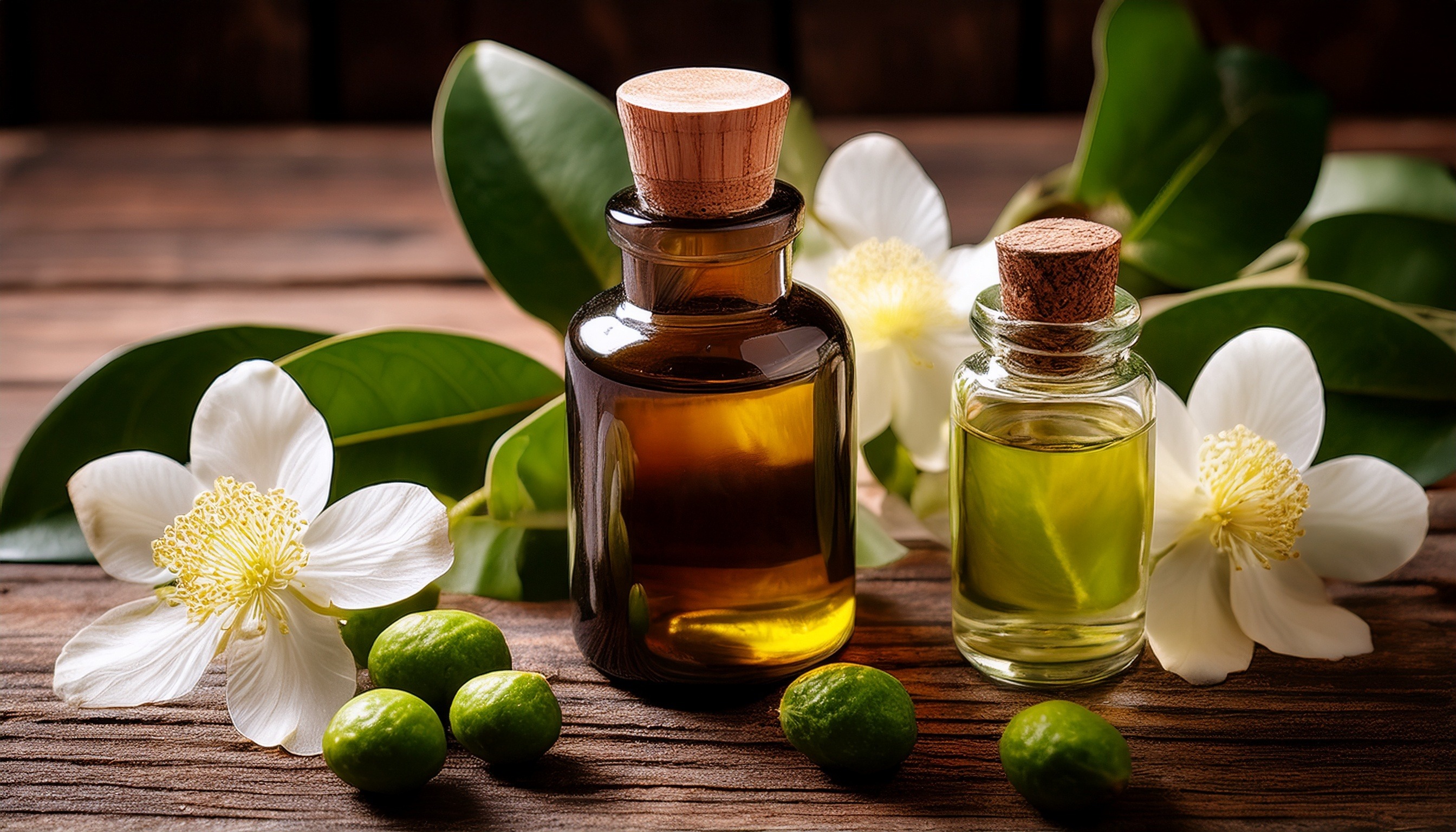
Some oils change the mood of a room in seconds. Palo santo essential oil does it with warm wood, soft citrus, and a faint resin note that feels like cleaner air after rain.
This oil comes from Bursera graveolens, a tree native to parts of Peru and Ecuador. Many people use it during cold season, allergy flare-ups, or stuffy indoor days because its aroma may support easier breathing and a fresher-feeling space. Its main compounds, especially limonene and alpha-terpineol, show antimicrobial, anti-inflammatory, and antioxidant activity in lab research. Still, human research is limited, so it helps to keep claims modest.
That balance matters, because palo santo essential oil can be useful at home when you use it safely and with clear expectations.
How palo santo essential oil may support respiratory health
When your chest feels tight from dry indoor air or your nose feels heavy with congestion, scent can matter more than people think. A clean, resinous aroma can make breathing feel less stale, even before any other effect kicks in. That is one reason palo santo essential oil gets attention during colds, coughs, and sniffly days.
In traditional use, palo santo has been used for coughs, colds, flu, and bronchitis. People have also used it to freshen rooms during illness. That history is worth respecting, but tradition is not the same as clinical proof. What we can say with care is simpler. The oil’s aroma may make a space feel cleaner, and its compounds show activity in lab settings that could support respiratory comfort.
Some of that support may come from two angles. First, lab research suggests palo santo essential oil may act against certain microbes. Second, anti-inflammatory effects may help when the airways feel irritated. That does not mean it treats an infection or opens the lungs like a prescribed inhaler. It means it may play a small, supportive role in a home wellness routine.
If congestion is tied to pollen or seasonal triggers, these essential oils for seasonal allergies can give you more gentle ideas for breathing support.
The compounds behind the scent, limonene and alpha-terpineol
Palo santo essential oil often contains a high amount of limonene, the same bright terpene found in many citrus peels. It also contains alpha-terpineol, along with other aromatic compounds in smaller amounts. These names sound technical, but the takeaway is simple.
In lab research, limonene and alpha-terpineol are linked to antimicrobial and anti-inflammatory effects. They may also help reduce oxidative stress. That mix helps explain why palo santo smells so fresh and why people use it when a room feels stuffy or heavy.
What the current evidence really says
The evidence is promising, but it is still early. Most support for palo santo essential oil comes from lab studies, animal data, and long-standing traditional use. As of April 2026, there are no major human clinical trials proving it treats asthma, bronchitis, colds, or other respiratory illness.
Palo santo essential oil may support comfort, but it is not a proven treatment for respiratory disease.
That honest limit builds trust. If you want a broader look at plant oils people use for sinus pressure, this sinus decongestant diffuser blend offers another home option.
What it can and cannot do for immunity
The word immune gets stretched too far in wellness talk. Your immune system is not a switch that flips on because a room smells nice. Palo santo essential oil does not create instant protection, and it does not kill every germ in your path.
What it may do is gentler. Its antimicrobial activity in lab settings suggests it may help lower some unwanted microbes in the environment. Its antioxidant and anti-inflammatory effects may also support everyday wellness by reducing stress on the body. That can matter during cold season, when dry air, poor sleep, and crowded spaces wear you down.
So the best frame is support, not magic. Diffusing palo santo essential oil may help the air feel cleaner and the body feel calmer. A calmer body often rests better, and rest matters for immune health. If you like building a broader routine around seasonal wellness, these essential oils for immune support can add more ideas.
How antimicrobial and antioxidant effects fit into everyday wellness
Antimicrobial does not mean sterilizing your home with a few drops of oil. It means the oil has shown activity against some bacteria or fungi in lab conditions. Antioxidant means it may help protect cells from oxidative stress.
In real life, that looks modest. You might diffuse palo santo in the evening after a long day indoors. You might use it when someone in the house has the sniffles and the air feels stale. Those habits may support a cleaner-feeling space and a more settled mood, which helps daily wellness, even if they are not medical treatment.
When palo santo is not enough on its own
Some lines should stay firm. Essential oils cannot replace inhalers, antibiotics, antiviral care, or a doctor’s advice. They also cannot treat pneumonia, stop an asthma attack, or fix severe shortness of breath.
Wheezing, chest pain, blue lips, high fever, or struggling to breathe need medical care, not more diffuser time.
If you want a sharper, cooling oil to compare with palo santo for stuffy days, this guide to eucalyptus for congestion relief may help.
Safe ways to use palo santo essential oil for breathing comfort
Palo santo essential oil works best when you keep the method simple. Short sessions, low amounts, and good ventilation usually feel better than strong, all-day exposure. Skip internal use, because swallowing essential oils without trained guidance can cause harm.
Simple diffusion and steam-free inhalation methods
For diffusion, add 2 to 4 drops of palo santo essential oil to a water-based diffuser. Run it for 15 to 30 minutes in a well-ventilated room, then take a break. If the aroma starts to feel sharp, heavy, or irritating, stop early and open a window.
A steam-free inhalation method is even simpler. Put 1 drop on a tissue or cotton pad. Hold it a few inches from your nose and take 2 or 3 gentle breaths. Pause, then see how you feel. This method keeps the scent light and gives you more control.
Direct steam inhalation with essential oils is best avoided, especially if your airways are sensitive. Hot vapor plus concentrated oil can irritate the nose, eyes, and throat.
Two easy recipes, a chest rub and a room diffuser blend
A gentle chest rub is one of the easiest ways to use palo santo essential oil at home. In a small dish, mix 1 tablespoon of jojoba, sweet almond, or fractionated coconut oil with 2 drops of palo santo essential oil. If you already know eucalyptus suits you, add 1 drop of eucalyptus radiata for a cooler scent. Patch test on your inner arm first. Then rub a small amount on the upper chest or upper back. Keep it away from the face, nostrils, broken skin, and young children’s hands.
For a simple room blend, fill your diffuser with water as directed. Add 3 drops of palo santo essential oil and 1 drop of eucalyptus radiata. If you want something softer, use 3 drops of palo santo and 1 drop of lavender or sweet orange instead. Diffuse for about 20 minutes, especially after a long indoor day or when the room feels stale.
These recipes stay mild on purpose. More oil does not always mean more relief. In aromatherapy, gentle often works better.
Who should be careful, plus sourcing and quality tips that matter
Some people need extra caution with palo santo essential oil. That includes children, pregnant or breastfeeding people, anyone with asthma, COPD, fragrance sensitivity, or a history of severe allergies. Pets also need care, especially in small, closed rooms where they cannot move away from the scent.
Burning palo santo wood is a separate issue from using the essential oil. Smoke can irritate sensitive lungs, so diffusion is usually the better choice for breathing comfort. If any method causes coughing, headache, dizziness, or throat irritation, stop using it.
Quality matters too. Look for the botanical name Bursera graveolens on the bottle. Choose brands that explain where the wood came from and how it was harvested. The best sourcing uses naturally fallen or long-dead wood, not live trees, and supports local communities through fair practices and replanting.
Palo santo also carries spiritual and cultural meaning for Indigenous communities in South America. Buying it with care shows respect for both people and place.
Common safety mistakes to avoid
Most problems come from a few common habits. People use too much, apply it undiluted, diffuse it for hours, swallow it, or use it around babies, pets, or scent-sensitive family members without thinking it through. Start small, keep the room aired out, and stop if your body says no.
That slow approach protects both comfort and trust.
That warm, woody scent can make a room feel lighter, and that alone has value. Used with care, palo santo essential oil may offer gentle support for cleaner-feeling air, easier breathing, and day-to-day immune wellness.
Start with a small amount, choose a well-sourced Bursera graveolens oil, and keep your expectations grounded. It works best as one quiet tool in a larger routine that also includes rest, hydration, fresh air, and medical care when symptoms stop being mild.
Stay Connected for More Natural Living Inspiration
If you enjoyed this post about herbal wellness and love discovering natural ways to refresh your home and wellness, don’t miss out on future recipes and clean-living tips! Subscribe to the blog for weekly DIYs, wellness inspiration, and herbal remedies delivered straight to your inbox.
Don’t forget to visit my LinkTree for the links to my favorite essential oils, herbal teas, natural recipes, YouTube ambiance videos for sleeping; a project I created to help with insomnia symptoms and the second channel, Rooted in Nature YouTube Channel both channels feature herbal recipes for wellness and home.
Thanks for coming by!


Leave a Reply