
(DISCLAIMER: I am not a doctor, and you should consult your healthcare professional before starting any health regimen. Product links are commissioned and supports the blog)

Key Takeaways
- Neroli brings a soft floral scent to simple body care recipes.
- Always dilute essential oils before skin use, then patch test first.
- A whipped body butter, body oil, and sugar scrub are easy beginner projects.
- Clean tools, dry jars, and small batches help homemade products stay fresh.
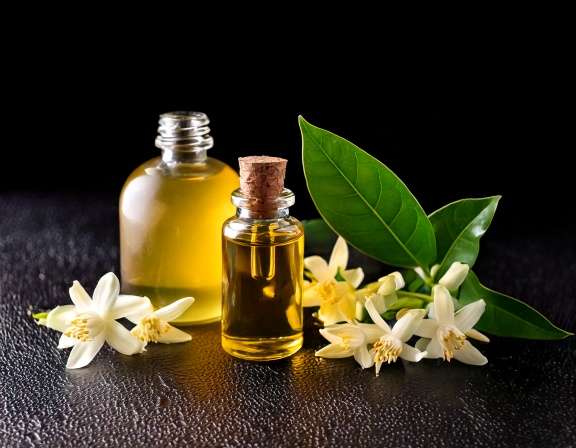
Soft floral scents can change the feel of a whole routine. Neroli essential oil has that kind of presence, light, calm, and a little luxurious without being loud.
These three DIY recipes keep things simple. You’ll make a lotion-style body butter, a silky body oil, and a sugar scrub with easy ingredients and beginner-friendly steps.
Because essential oils are strong, they need dilution before skin use. Patch test each blend on a small spot first, then enjoy the scent with more peace of mind.
What Makes Neroli Essential Oil So Nice for Skin?
Neroli has a fresh floral scent that feels clean and gentle. People often reach for it when they want body care that feels soft, calm, and a little special.
It also fits many routines. Dry skin likes its rich, comforting feel, while oily or tired-looking skin can enjoy the light touch of a well-balanced blend.
A soft floral oil with a skin-friendly feel
Neroli smells bright, delicate, and slightly sweet. It can turn plain shea butter or carrier oil into something that feels more thoughtful.
That scent pairs well with daily self-care. A small amount can make a shower routine feel quieter and more polished.
Common ways people use it in body care
Many people add neroli to lotion, body oil, and scrub recipes. It can help a simple base feel more spa-like without needing many extra ingredients.
It’s also a good choice for anyone who likes a fresh floral scent on skin. Used lightly, it blends well with oils that moisturize and soften.
Safety basics before mixing it into recipes
Neroli essential oil should never go on skin undiluted. For daily body use, a low dilution is the safest place to start.
For a broader breakdown of how to dilute essential oils for body care, keep the mix light and simple. Patch test on the inner forearm, wait 24 hours, and stop if you see redness, itching, or burning.
If your skin feels irritated, or if a blend stings, wash it off and don’t use it again.
Avoid using it on broken or freshly shaved skin. If you have a citrus allergy, be extra careful. Keep homemade products clean, dry, and tightly closed.
Simple ingredients that make these recipes work
These recipes use a short list of ingredients you can find in most natural body care kits. Each one has a clear job, so the process stays easy.
Carrier oils and butters that soothe dry skin
Shea butter gives the lotion recipe its rich, creamy feel. Sweet almond oil adds slip and helps the blend spread without tugging at skin.
Jojoba oil works well in body oil because it feels light and stable. Coconut oil and olive oil also help with moisture, especially in sugar scrubs.
Tools that keep DIY body care clean and easy
A small bowl, measuring spoons, and a clean spoon are enough for the scrub and lotion. You’ll also want a jar for the lotion and a bottle for the body oil.
Clean, dry containers matter more than fancy tools. They help your blends last longer and keep water from sneaking in.
How to choose the right neroli amount
Start with fewer drops if your skin is sensitive. A little neroli goes a long way, especially in small batches.
If you want a broader starting point, the beginner guide to mixing essential oil blends covers gentle dilution habits. For everyday body care, a mild scent is usually enough.
How to make a whipped neroli body lotion that feels rich but simple
This recipe is really a water-free lotion, so it acts more like a body butter. It’s a good choice when your skin feels dry and wants a richer finish.
Ingredients for a small beginner-friendly batch
- 1/2 cup shea butter
- 2 tablespoons sweet almond oil
- 1 teaspoon beeswax pellets, optional for a firmer texture
- 6 drops neroli essential oil
If you want a softer whip, skip the beeswax. If you want a more balm-like feel, keep it in.
Step-by-step mixing and cooling
- Place the shea butter and beeswax in a heat-safe bowl.
- Warm them over low heat until they just melt.
- Remove the bowl from the heat and stir in the sweet almond oil.
- Let the mixture cool until the sides start to look opaque.
- Add the neroli essential oil.
- Whip the blend with a hand mixer for 2 to 3 minutes.
- Spoon it into a clean jar and let it set fully.
Keep the heat low the whole time. Overheating can make the texture grainy and flatten the scent. Cooling helps the whipped texture hold.
How to use and store the lotion
Use a small scoop after a shower or on dry hands, elbows, and shins. It melts in best on skin that still has a little moisture.
Store it in a cool place away from direct sun. Use clean fingers or a small spoon when you scoop it out.
Water-free blends are easy to make, but clean hands and dry jars still matter.
How to blend a silky neroli body oil for daily moisture
This is the fastest recipe in the post. It’s perfect for after-shower skin, a simple gift, or a quiet nighttime routine.
What goes into the bottle
- 2 tablespoons jojoba oil, for a light, stable base
- 2 tablespoons sweet almond oil, for a soft, smooth feel
- 4 drops neroli essential oil, for scent
- 2 drops vitamin E oil, optional for extra care
Jojoba keeps the blend from feeling too heavy. Sweet almond adds a little cushion. Vitamin E is optional, but it can be a nice finishing touch.
The easiest way to mix it
Pour the oils into a clean bottle. Add the neroli, cap the bottle, and shake well.
Label the bottle with the date and ingredients. That small step helps when you make more than one blend at home.
Best ways to apply body oil for soft skin
Rub a few drops between your palms, then smooth it onto damp skin after bathing. The oil spreads better that way and leaves less greasy residue.
Use it on arms, legs, shoulders, or anywhere that feels dry. A little goes a long way, so start small and add more if needed.
How to make a gentle neroli sugar scrub for smooth, polished skin
A sugar scrub gives skin a quick polish without a complicated formula. The sugar buffs away rough patches, while the oil and neroli leave the skin feeling soft.
The easiest sugar scrub formula
- 1/2 cup sugar
- 1/4 cup coconut oil or olive oil
- 4 drops neroli essential oil
Fine sugar feels gentler, while regular granulated sugar gives a little more scrub. Choose the texture that fits your skin.
How to mix the scrub so it feels just right
Stir the ingredients until the mix feels like wet sand. If it looks dry, add a little more oil.
If it feels too oily, add a spoonful more sugar. Stir well so the scent spreads evenly through the jar.
Smart ways to use and store it
Scoop a small amount onto wet skin and massage gently in circles. Rinse with warm water, then pat your skin dry.
Keep water out of the jar. Use a clean spoon, not wet fingers, and close the lid tightly after each use.
Make small batches, since scrubs are best when they stay fresh and dry. Keep them out of the shower stream.
Easy ways to customize your neroli body care recipes
Once you know the base recipes, you can change the scent and texture with a few small swaps. That keeps your body care routine flexible.
Softer scent ideas for sensitive noses
If neroli feels too strong, use fewer drops. You can also blend it with a mild partner oil like lavender or rose.
Keep the total scent light. A soft blend often feels more comfortable on skin and in the room.
Ingredient swaps for different skin needs
Swap sweet almond oil for jojoba if you want a lighter feel. Use olive oil instead of coconut oil in the scrub if you prefer a less tropical scent.
If you want a firmer lotion-style butter, keep the beeswax. If you want a softer finish, leave it out and let the shea butter do the work.
Conclusion
Neroli essential oil brings a soft floral touch to simple body care, and it works beautifully in lotion, body oil, and sugar scrub recipes. Each blend here uses a short ingredient list and a beginner-friendly method, so you can make something useful without a long shopping list.
Start with the recipe that fits your routine best. A few quiet minutes in the kitchen can turn into a small self-care habit you’ll want to repeat.
Stay Connected for More Natural Living Inspiration
If you enjoyed this post about herbal wellness and love discovering natural ways to refresh your home and wellness, don’t miss out on future recipes and clean-living tips! Subscribe to the blog for weekly DIYs, wellness inspiration, and herbal remedies delivered straight to your inbox.
Don’t forget to visit my Amazon storefront for the links to my favorite essential oils, herbal teas, and natural recipes. I also create YouTube ambiance videos for sleeping; a channel I created to help people who have trouble sleeping. The link to all social media content is here.
Thanks for coming by!
Leave a Reply