(DISCLAIMER: I am not a doctor, and you should consult your healthcare professional before starting any health regimen. Product links are commissioned and supports the blog)

A bright lemon scent can change the feel of a room in minutes. Lemon verbena essential oil has a crisp, green-citrus character that feels clean, sunny, and softly herbal.
Many people want to know what this oil is best used for, how it compares with lemon verbena tea, and how to enjoy it with sensible aromatherapy habits. The most useful approach is simple: appreciate the scent, start with small amounts, and treat the concentrated oil with care.
Key Takeaways
- Lemon verbena essential oil comes from the leaves of Aloysia citriodora, also called Lippia citriodora in some botanical sources.
- Its fresh aroma often comes from citral, limonene, and other naturally occurring aromatic compounds.
- The oil is most at home in diffusers, room blends, and carefully diluted personal fragrance products.
- Lemon verbena tea is a leaf infusion with a different texture, strength, and plant chemistry.
- Skin use calls for a low dilution, a carrier oil, and a patch test.
- Plant origin, harvest time, and extraction methods can shape the oil’s final aroma and composition.
Lemon Verbena Essential Oil Benefits and What They May Support
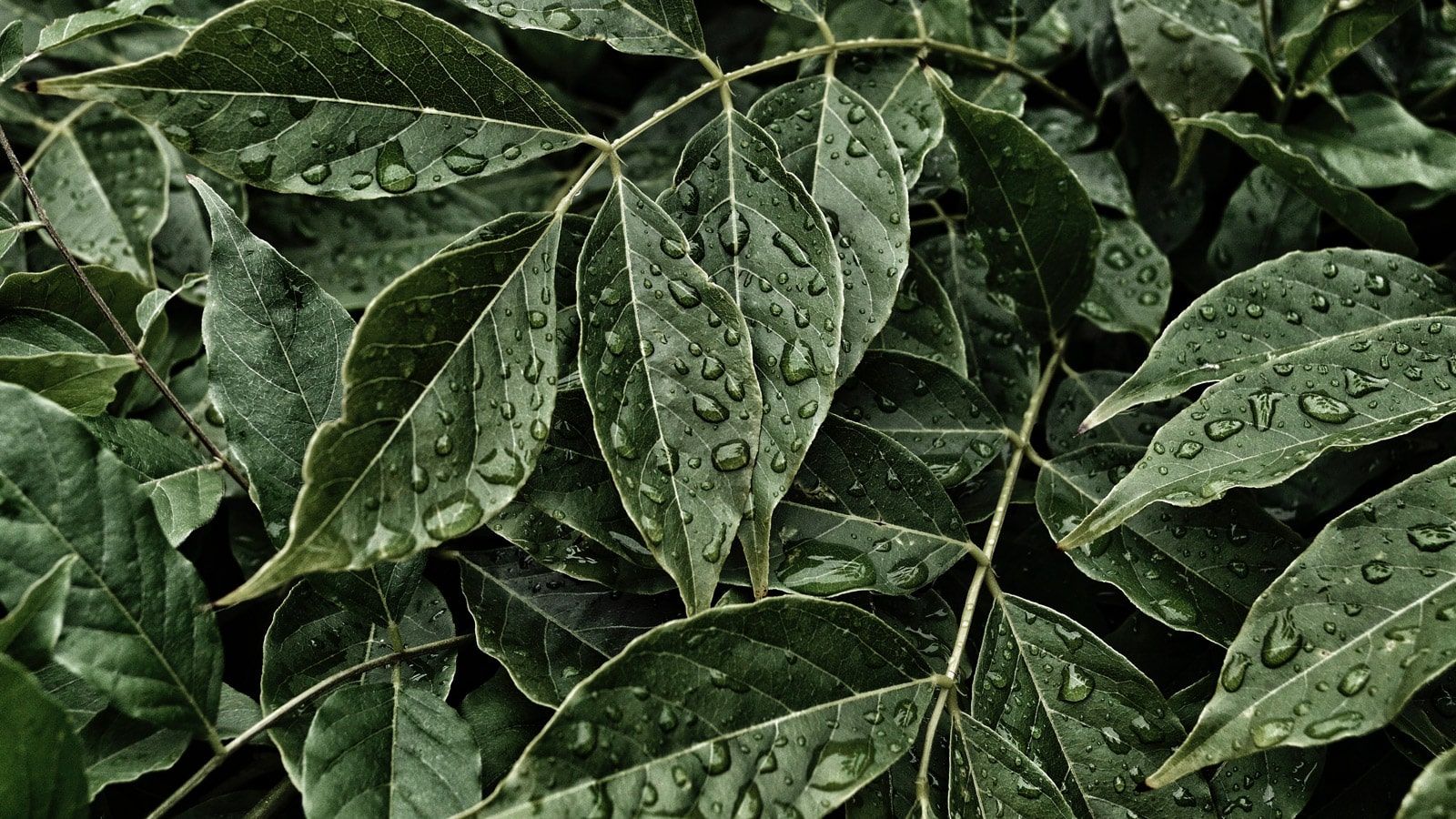
Lemon verbena essential oil is a concentrated volatile extract from the fragrant leaves of Aloysia citriodora. You may also see the botanical synonym Lippia citriodora on product labels, supplier descriptions, and older herbal references.
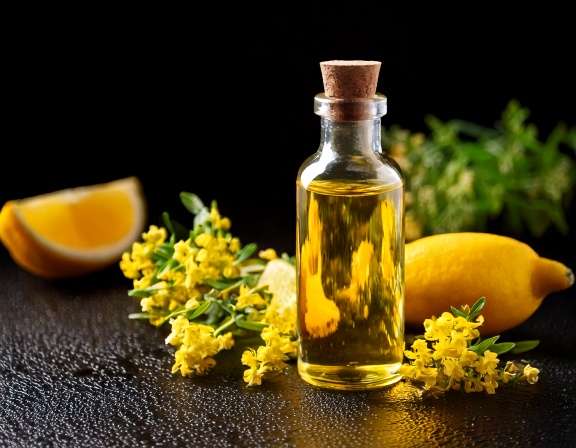
The scent is its main attraction. It smells lemony, but it is not identical to lemon peel oil. There is often a leafy, slightly floral note underneath the citrus brightness, which gives it a softer feel in home fragrance blends.
Its most practical benefits are aromatic. A few drops can make a personal space smell fresh and cheerful. It can also add a sunny note to a diffuser routine, a linen spray, or a light body oil.
The European Medicines Agency recognizes lemon verbena leaf as a traditional herbal material. That tradition belongs primarily to leaf preparations, including infusions, rather than to concentrated essential oil as a medical treatment. The oil works best as a pleasant botanical aroma and a small part of a thoughtful wellness routine.
Why Its Citral-Rich Aroma Stands Out
Geranial and neral are two forms of citral. Together, they create much of lemon verbena’s sharp, sparkling lemon scent. Limonene can add a sweeter citrus lift, while linalool, geraniol, 1,8-cineole, and beta-caryophyllene may round out the aroma.
The exact profile can shift from bottle to bottle. Growing region, weather, harvest timing, leaf drying, and extraction all matter. One oil may smell bright and lemon-candy-like, while another feels greener, softer, or more herbal.
That variation is part of the plant’s character. It also explains why batch information is helpful when choosing a lemon verbena essential oil.
Aromatherapy Uses for Mood and Everyday Spaces
Aromatic use is simple and flexible. Add lemon verbena to a diffuser when you want a room to feel lighter, cleaner, or more awake. Blend it with sweet orange for a juicy citrus effect, or pair it with lavender for a gentler floral finish.
Scent exposure can feel refreshing, especially during a slow morning or an afternoon reset. Still, the goal is the experience of the aroma, not a medical promise.
A light diffuser blend often feels better than a strong cloud of fragrance. Start small and let the scent settle into the room.
How Lemon Verbena Oil Differs From Lemon Verbena Tea
Lemon verbena tea and essential oil begin with the same plant, yet they are separate preparations. Tea is an infusion made by steeping leaves in hot water. Essential oil is a concentrated collection of volatile aromatic compounds.
A cup of lemon verbena tea has a gentle leafy flavor and the comfort of a warm herbal ritual. It also contains water-soluble plant components, including polyphenols and flavonoids that are part of the leaf itself.
The essential oil has a stronger scent and a much more concentrated character. It belongs in aromatic use and limited, properly diluted topical blends. Tea traditions support enjoying prepared leaves as an infusion, while the essential oil stays outside the cup.
For readers who enjoy both, the pairing can feel lovely. Sip a properly prepared lemon verbena tisane while a light diffuser blend scents the room. This guide to herbal teas offers more ideas for making herbal tea a comfortable daily ritual.
What Each Preparation Is Best Suited For
| Preparation | What it is | Best everyday use |
|---|---|---|
| Lemon verbena tea | A warm water infusion of leaves | A gentle herbal beverage |
| Lemon verbena essential oil | A concentrated volatile leaf extract | Diffusers, room scent, and diluted external blends |
Tea has warmth, flavor, and leaf-based compounds. The oil has concentrated aroma and requires smaller amounts, which is why each product benefits from its own preparation habits.
Simple Ways to Use Lemon Verbena Essential Oil Safely
A little oil goes a long way. Start with fresh air, a clean bottle, and a lower amount than you think you need. For topical use, blend the oil into a carrier such as jojoba, sweet almond, or fractionated coconut oil.
Patch testing gives you useful information before a new body blend becomes part of your routine. If your skin tends to be reactive, this patch testing guide for sensitive skin can help you begin with a calm, simple method.
Low-Dilution Lemon Verbena Body Oil
- 1 ounce or 30 mL carrier oil, such as jojoba or sweet almond oil
- 1 to 2 drops lemon verbena essential oil
Add the essential oil to the carrier oil and mix well. One drop in 30 mL is about a 0.17% dilution, while two drops are about 0.33%. Both are comfortably below the commonly cited 0.9% maximum dermal dilution. Apply a small amount to intact skin after patch testing. A lower dilution is a sensible choice for general home use.
Fresh Citrus Diffuser Blend
- 2 drops lemon verbena essential oil
- 2 drops sweet orange or lavender essential oil
Add the blend to your diffuser reservoir according to your device directions. Run it for a short session with comfortable ventilation, then enjoy the bright, pleasant scent as it settles into the room. Consider children, pets, and anyone sensitive to strong aromas when choosing the location and session length. For more blending ideas, explore this practical guide to diffuser oils.
Light Linen and Room Spray
- 2 ounces or 60 mL distilled water
- 1 teaspoon solubilizer or high-proof alcohol suitable for room sprays
- 4 to 6 total drops of essential oil
Combine the essential oil with the solubilizer or alcohol first, then add distilled water to a clean spray bottle. Shake before each use because natural aromatic blends can settle. Mist lightly over suitable fabrics or into the air, keeping the spray away from eyes, skin, food surfaces, and direct contact with pets. Test a small, hidden fabric area first.
Essential Oil Safety, Dilution, and Smart Product Selection
Safe use keeps the experience pleasant. Lemon verbena oil is rich in aromatic compounds, so a gentle approach is a good fit. Keep topical blends well below 1% for everyday home use, and use the oil only after mixing it into a suitable carrier.
Some aromatherapy references list a maximum dermal dilution near 0.9%, while more conservative supplier guidance may suggest around 0.2%. Staying in the lower range gives you plenty of scent with a modest amount of oil.
Store the bottle in dark glass, tightly capped, and away from heat and direct sunlight. Keep it away from eyes and mucous membranes, and reserve the concentrated oil for external aromatic use.
Lemon verbena oil may carry a photoirritation or photosensitivity consideration depending on batch composition. Leave-on skin blends work best under clothing or during times away from strong sun unless the supplier’s current safety guidance confirms otherwise.
How to Choose a Reliable Lemon Verbena Oil
A clear label gives you a better starting point. Look for Aloysia citriodora or Lippia citriodora, the plant part used, and the extraction method. Leaf oil is the common description to expect.
A quality-focused supplier also shares the country of origin, a batch or lot number, and storage guidance. GC/MS testing or third-party testing information is especially useful because it shows the major aromatic compounds in that batch.
Choose a dark glass bottle with a secure cap. Follow the supplier’s dilution guidance, since aroma and composition can vary across harvests and growing regions.
Who Should Use Extra Care
Pregnancy, breastfeeding, babies, young children, and sensitive or damaged skin all call for a more cautious choice. A qualified health professional can offer personal guidance when you are building an aromatherapy routine during these times.
Households with cats, birds, fish, rodents, or reptiles also benefit from extra care. Use good ventilation, place diffusers where animals can move away from the scent, and keep all bottles stored securely out of reach.
Gentle use supports comfort. Small amounts, fresh air, careful skin preparation, and thoughtful storage make a meaningful difference.
Frequently Asked Questions
What does lemon verbena essential oil smell like?
It has a fresh lemon aroma with green, herbal, and lightly floral notes. Citral gives it much of its crispness, while limonene and other compounds can add sweetness or depth.
Can lemon verbena oil blend with lavender?
Yes, lemon verbena and lavender make a soft, balanced pairing. The lemony brightness lifts lavender’s floral character, which works well in a short diffuser session or a low-dilution body oil.
How long does lemon verbena essential oil last?
A well-stored bottle often keeps its best aroma for one to three years, though supplier guidance is the most useful reference. Heat, sunlight, and repeated air exposure can change the scent over time.
Is a stronger scent better in a diffuser?
A lighter scent is usually more comfortable for everyday use. Begin with a few drops, give the blend time to disperse, and adjust only if the room still feels too faint.
Can I use lemon verbena essential oil in homemade soap?
It can add a bright botanical scent to soap, though soap-making requires a formula that follows fragrance and essential oil usage guidance. Check the supplier’s current product data and recommended rate for rinse-off products.
A Bright, Thoughtful Addition to Your Routine
Lemon verbena essential oil is valued most for its cheerful lemony aroma and simple aromatherapy uses. Lemon verbena tea remains a separate leaf infusion, with its own gentle place in a daily herbal routine.
Choose a clearly labeled bottle, use a careful dilution, and keep blends suited to aromatic or appropriate topical use. Extra care around pregnancy, children, pets, sensitive skin, and sun exposure helps keep each use comfortable.
Small, thoughtful amounts can make this bright botanical oil a pleasant part of your personal wellness routine.
Stay Connected for More Natural Living Inspiration
If you enjoyed this post about herbal wellness and love discovering natural ways to refresh your home and wellness, don’t miss out on future recipes and clean-living tips! Subscribe to the blog for weekly DIYs, wellness inspiration, and herbal remedies delivered straight to your inbox.
Don’t forget to visit my Amazon storefront for the links to my favorite essential oils, herbal teas, and natural recipes. I also create YouTube ambiance videos for sleeping; a channel I created to help people who have trouble sleeping. The link to all social media content is here.
Thanks for coming by!

You must be logged in to post a comment.