(DISCLAIMER: I am not a doctor, and you should consult your healthcare professional before starting any health regimen. Product links are commissioned and supports the blog)

Petitgrain opens with the scent of crushed green leaves, soft orange peel, and a faint floral breeze. Petitgrain essential oil stress relief and mood benefits fit naturally into moments when your thoughts feel crowded, whether that is a rushed morning, a tense afternoon, or the hour before bed.
Distilled from bitter orange tree leaves and twigs, this fresh oil offers a bright pause in a busy routine. It can support relaxation and emotional balance as part of thoughtful self-care, alongside practices that nurture your overall well-being.
A few drops in a diffuser, inhaler, or diluted roll-on can turn an ordinary routine into a small sensory ritual. Start with the key details, then choose one of the easy blends below.
Key Takeaways for Using Petitgrain Essential Oil
- Petitgrain comes from the leaves and twigs of Citrus aurantium, the bitter orange tree.
- Neroli comes from the blossoms of the same tree, so the two oils are related yet distinct.
- Linalyl acetate, linalool, and myrcene are commonly discussed aromatic compounds in petitgrain oil.
- Inhalation has the closest connection to the available research on stress support and mood.
- A properly diluted topical blend, such as a 2% roll-on, offers a gentle way to enjoy the aroma on the go.
- Short sessions and fresh air help create a pleasant, comfortable aromatherapy experience.
Petitgrain Essential Oil Stress Relief and Mood Benefits
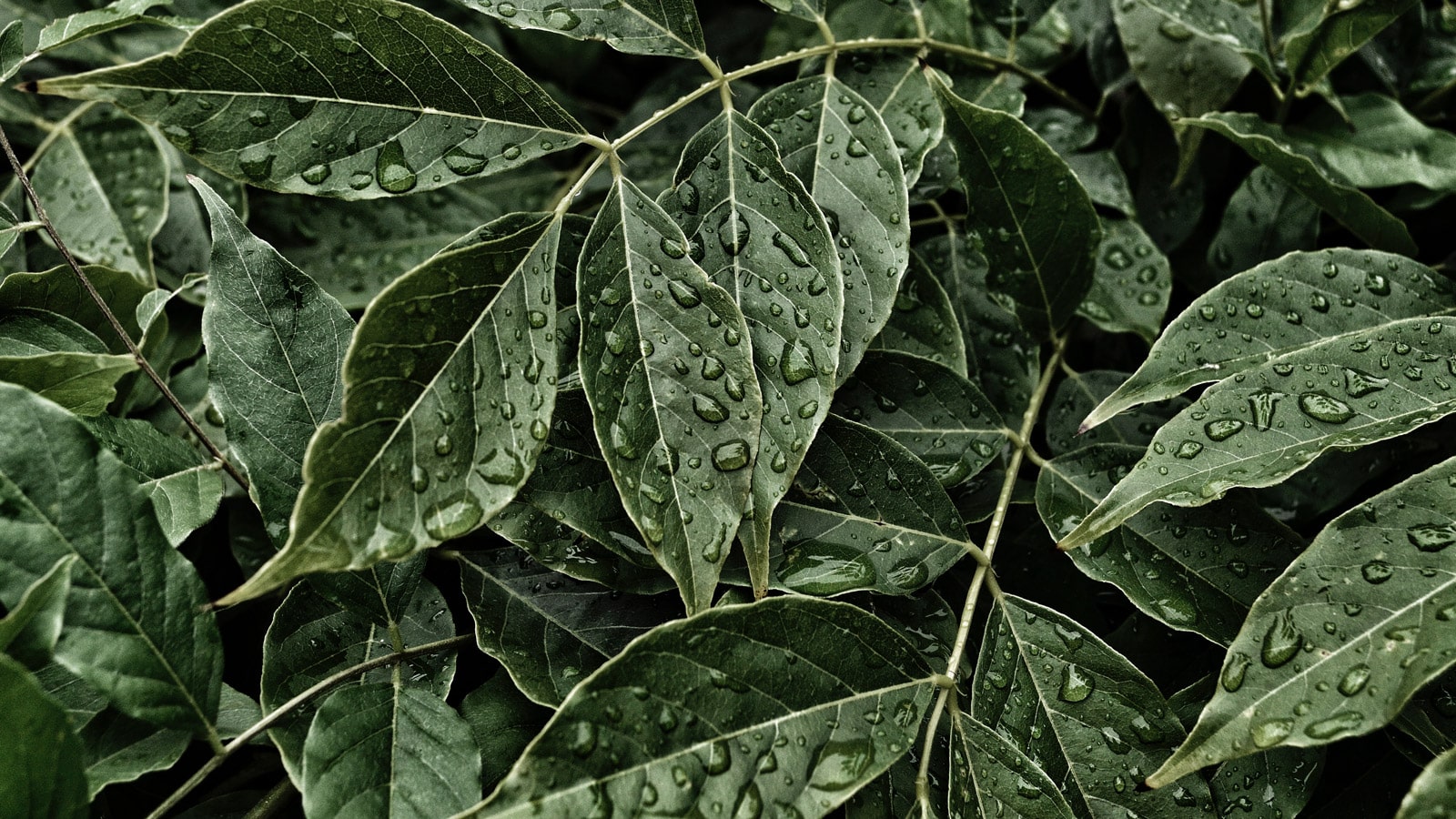
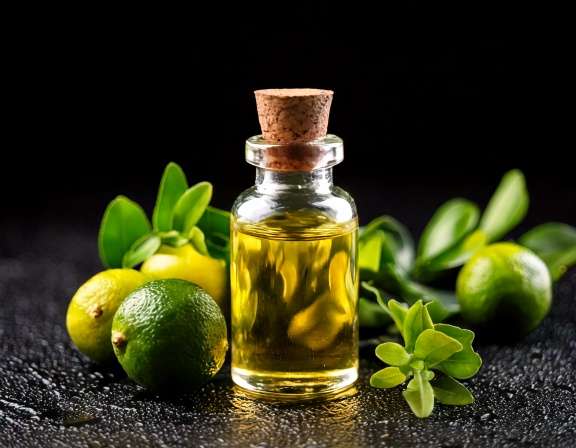
Petitgrain essential oil is steam-distilled from the green leaves and young twigs of the bitter orange tree, Citrus aurantium. Its aroma carries leafy citrus, light wood, and a restrained floral note. Neroli also comes from bitter orange, although neroli is distilled from the fragrant blossoms and smells more honeyed and floral.
Aromatherapists often choose petitgrain when they want an atmosphere that feels settled but awake. Lavender can feel soft and sleepy, while petitgrain has a brighter edge. That quality works well during work breaks, journaling sessions, and evening transitions when you want to release tension without losing your sense of focus.
Human research gives this use some encouraging support. In a 2016 workplace-style study, researchers Ling Huang and Jordi Capdevila examined petitgrain inhalation during a computer task. Participants completed the State-Trait Anxiety Inventory and Profile of Mood States questionnaires. The researchers also measured heart-rate variability before, during, and after the session.
The petitgrain group completed the website task 2.28 minutes faster than the comparison group. The study also reported changes in anxiety, tension, vigor, and heart-rate variability measures linked with autonomic nervous system activity. Those findings suggest that the scent may support a more balanced state of alertness during a demanding task.
A 2018 review of Citrus aurantium aromatherapy also described anxiety-related benefits across several settings. Still, petitgrain deserves its own careful place in a wellness routine. The available research is early and centers on short-term inhalation, so its most fitting role is everyday mood support and a calming sensory ritual.
For a wider menu of plant-based comfort practices, pair your diffuser time with lemon balm tea for stress relief. A warm cup and a green-citrus aroma can make a welcome break feel more complete.
Petitgrain’s character is balanced: leafy enough for concentration, floral enough for an evening exhale.
Simple Ways to Use Petitgrain for Calm, Focus, and Emotional Balance
Inhalation is a practical starting point because the aroma reaches you immediately. A personal inhaler works well in a handbag, desk drawer, or bedside table. A brief diffuser session can freshen a room before a meeting, a stretch break, or a quiet cup of herbal tea.
When you smell the blend, take a few unhurried breaths. Let your shoulders lower as you breathe in, then exhale a little longer than you inhaled. Pair the aroma with one simple habit, such as writing three lines in a journal, stretching your neck and hands, or sipping a warm herbal infusion.
Desk Diffuser Blend
Ingredients
- 3 drops petitgrain essential oil
- 2 drops sweet orange essential oil
- 1 drop lavender essential oil
Add the oils to your diffuser with water according to the manufacturer’s directions. Run it in a ventilated room for a short work session, then pause and enjoy the lingering scent. Sweet orange adds sunny citrus while lavender softens petitgrain’s leafy notes.
Pocket Calm Personal Inhaler
Ingredients
- 6 drops petitgrain essential oil
- 4 drops bergamot or sweet orange essential oil
- 2 to 4 drops cedarwood or lavender essential oil
- 1 blank cotton inhaler wick
- 1 personal inhaler tube
Place the oils on the cotton wick, then assemble the inhaler. Hold it a comfortable distance beneath your nose and take a few slow breaths whenever you need a transition between tasks. Cedarwood gives the blend a warm, grounded finish, while lavender makes it more floral.
Simple Petitgrain Roll-On
Ingredients
- 4 drops petitgrain essential oil
- Jojoba oil or fractionated coconut oil
- 1 clean 10 mL roll-on bottle
Add petitgrain to the roll-on bottle, then fill the rest with your chosen carrier oil. Cap the bottle and roll it between your palms to combine. Apply the diluted blend to pulse points, outer wrists, or the back of the neck as part of a bedtime or workday ritual.
Scent is personal, so let your preference lead. If a blend feels too bright, add lavender. If it feels too soft for a midday task, choose cedarwood or sweet orange for a more grounded, sunny profile.
How to Use Petitgrain Essential Oil Safely
Petitgrain is concentrated, so a little goes a long way. Keep undiluted oil in the bottle and use a carrier oil for skin applications. The 10 mL roll-on recipe above, with four drops of petitgrain, creates an everyday blend of about 2%.
A small patch test supports a comfortable topical routine. Apply a little of the finished diluted blend to a small area of skin and give your body time to respond. Keep blends away from eyes, mucous membranes, inner ears, freshly shaved skin, and areas that feel irritated.
For aromatic use, choose brief sessions in a room with good airflow. Your own comfort is a helpful guide, so use a lighter amount when you prefer a softer scent. Casual internal use is outside this home routine. Ingestion belongs with individualized guidance from a qualified professional.
Pregnancy, Children, Pets, and Health Considerations
Pregnancy, breastfeeding, childhood, pets, prescription medications, epilepsy, liver conditions, cancer, and ongoing health concerns all call for personalized choices. A qualified health professional or trained clinical aromatherapist can help you select an approach that suits your circumstances.
With children, use a gentle amount in a well-aired shared space and keep all bottles securely stored. Pet households benefit from open doors, ventilation, and a place where animals can move away from the scent. These small habits keep aromatherapy pleasant for everyone at home.
How to Choose a Quality Bottle
Look for the botanical name Citrus aurantium on the label. You may also see “petitgrain bigarade” or wording that identifies leaf and twig distillation. A clear ingredient list helps you know what is in the bottle.
Choose essential oil in dark glass packaging from a company that shares sourcing and batch information. Store it tightly capped in a cool, dry cabinet, away from sunlight. Fresh, well-stored oil gives you the truest version of petitgrain’s crisp green aroma.
A modest amount of a well-chosen oil often creates the most enjoyable aromatherapy ritual.
Frequently Asked Questions
Is Petitgrain Essential Oil the Same as Neroli?
Petitgrain and neroli come from the bitter orange tree family, yet they come from different plant parts. Petitgrain is distilled from leaves and twigs, while neroli comes from blossoms. Petitgrain smells greener and woodier, while neroli usually has a sweeter floral character.
What Does Petitgrain Essential Oil Smell Like?
Petitgrain smells fresh, green, gently woody, and softly floral, with a citrus lift that recalls orange leaves. Some people notice a slightly herbaceous or tea-like quality. Because scent preferences vary, smell a gently diffused or properly diluted sample before building a larger blend.
What Is the Best Way to Use Petitgrain for Stress?
A personal inhaler or short diffuser session is an excellent place to begin. Inhalation is the route most closely connected with the available human research on petitgrain and stress-related measures. Pair each breath with a quiet pause between tasks for a more intentional experience.
Can Petitgrain Essential Oil Be Used Every Day?
Many people enjoy low-intensity petitgrain aromatherapy as part of a daily rhythm. Short inhalation sessions, ventilation, and proper topical dilution keep the routine comfortable. Personal guidance is especially helpful when children, pets, medications, pregnancy, or health conditions are part of the picture.
Can Petitgrain Support Anxiety or Low Mood?
Petitgrain may support a calmer mood and everyday stress management through scent and ritual. Ongoing anxiety or low mood also deserves caring support from a qualified healthcare professional, alongside personal wellness practices such as rest, nourishing meals, movement, and connection.
A Fresh Pause in the Middle of the Day
Petitgrain essential oil offers a fresh green-citrus scent and promising early research for stress support during daily routines. Its most useful place is often simple inhalation, where a few breaths can mark the end of one task and the beginning of another.
Begin with one easy option, such as the personal inhaler or desk diffuser blend. Use topical recipes with a carrier oil, keep sessions light, and let the scent become part of a wider self-care routine.
A small calming pause can start with the twist of a diffuser cap, the warmth of herbal tea, and one slow breath.
Stay Connected for More Natural Living Inspiration
If you enjoyed this post about herbal wellness and love discovering natural ways to refresh your home and wellness, don’t miss out on future recipes and clean-living tips! Subscribe to the blog for weekly DIYs, wellness inspiration, and herbal remedies delivered straight to your inbox.
Don’t forget to visit my Amazon storefront for the links to my favorite essential oils, herbal teas, and natural recipes. I also create YouTube ambiance videos for sleeping; a channel I created to help people who have trouble sleeping. The link to all social media content is here.
Thanks for coming by!

Leave a Reply