
(DISCLAIMER: I am not a doctor, and you should consult your healthcare professional before starting any health regimen.)

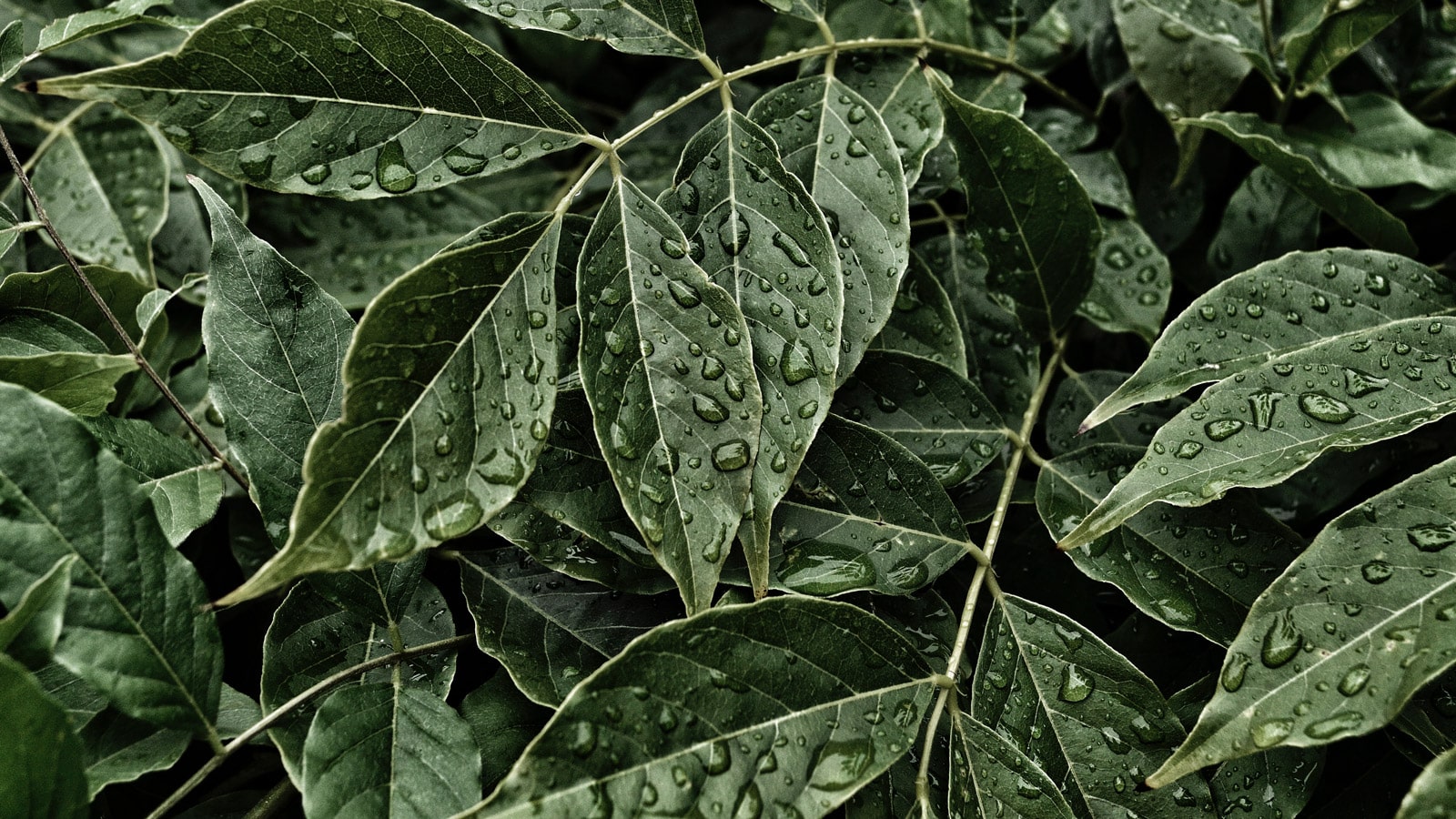
Some herbs feel loud and dramatic, making bold statements with their potent flavors and fragrances. In contrast, lemon balm feels more like a quiet friend, offering a soothing presence that wraps around you like a warm blanket on a chilly day. Its gentle aroma and subtle taste create a sense of calm and tranquility, perfect for moments of reflection or relaxation. Just as a close companion shares comforting words during difficult times, lemon balm provides a tranquil escape, inviting you to slow down and savor the moment, enhancing your overall well-being without demanding too much attention.
This gentle plant, also called Melissa officinalis, comes from the mint family and carries a soft lemon scent. People often turn to it when life feels noisy, sleep feels far away, or the stomach gets tense right along with the mind. In natural wellness, lemon balm has a long, steady reputation for helping people slow down.
In this guide, you’ll learn what lemon balm is, what its benefits may be, how people use it, and when to be careful. This article is educational only and isn’t a substitute for medical care.
Key takeaways
- Lemon balm is a lemon-scented herb in the mint family.
- It’s best known for gentle support for calm, rest, and mild digestive comfort.
- People often use it as tea, tincture, capsules, extracts, or fresh leaves.
- Research suggests it may help ease stress and support sleep, especially when stress makes it hard to unwind.
- Traditional use also points to help for occasional bloating, gas, and stomach upset.
- It’s often considered gentle, but drowsiness, stomach upset, and sensitivity can happen.
- People who are pregnant, breastfeeding, taking sedatives, managing thyroid issues, or using regular medicines should check with a healthcare professional first.
- The simplest approach is often best, start small, use it thoughtfully, and notice how your body responds.
What lemon balm is and why people use it so often
Lemon balm is an herb with soft green leaves and a fresh, lemony smell. Although it smells bright and cheerful, its reputation is tied to calm. That contrast may be part of why people like it so much. It feels uplifting, yet soothing.
The plant has been part of herbal traditions for a very long time. Across many cultures, people used it when nerves felt frayed, digestion felt unsettled, or bedtime came with a busy mind. While old traditions don’t replace modern science, they often point to why an herb still matters today.
Lemon balm is easy to like because it doesn’t feel harsh. Some herbs make a strong entrance. This one tends to work in the background. That’s why it often fits into simple routines, like an evening tea or a few quiet minutes after a tense day.
Lemon balm at a glance, plant family, taste, and traditional use
Lemon balm belongs to the mint family, so it shares some of mint’s easy-growing nature. Its leaves are tender, slightly crinkled, and bright green. Crush one between your fingers and the scent is clear right away, lemon with a soft herbal note.
The taste is mild and pleasant. Most people find it easier to drink than bitter herbs. Because of that, lemon balm shows up in many forms, including teas, tinctures, extracts, capsules, salves, and aromatherapy blends.
Traditionally, people used it for calm, digestive comfort, and rest. In other words, it often showed up where stress and the body crossed paths. That old pattern still shapes how people use it now.
The main active compounds behind lemon balm’s calming effects
Researchers study lemon balm because of a few natural compounds inside the plant. One of the best known is rosmarinic acid. It’s often linked to the herb’s soothing and antioxidant qualities.
Lemon balm also contains small amounts of fragrant oils, including citral and citronellal. These compounds help give the plant its scent, and they may play a part in its gentle effects on mood and relaxation.
The science is still growing, and results can vary from person to person. Still, these compounds help explain why lemon balm keeps coming up in studies on stress, mood, and sleep support.
Potential lemon balm benefits, what research and real life use suggest
Lemon balm isn’t a magic fix. Herbs rarely work that way. Still, many people find that it supports wellness in quiet, useful ways, especially when stress is part of the picture.
The most common theme is simple, lemon balm may help the body and mind settle. That can matter during a tense afternoon, a restless evening, or those nights when the brain keeps replaying the day.
Lemon balm tends to shine when you want gentle support, not a heavy-handed effect.
May help ease stress and support a calmer mood
This is the benefit lemon balm is most known for. People often reach for it when they feel mentally wound up, overstimulated, or emotionally tense. A cup of tea can feel like turning the volume down a notch.
Some research suggests lemon balm may support a calmer mood and help reduce feelings of stress. That doesn’t mean it treats anxiety disorders on its own. It means it may offer light support for everyday tension, which is a more realistic and helpful way to see it.
Real life use lines up with that. Many people sip it on busy workdays, after stressful conversations, or during that odd time in the evening when the body is tired but the mind won’t stop.
Can support better sleep, especially when stress is the problem
Lemon balm may also help with sleep, especially when stress is the reason sleep feels off. If your body is tired but your mind keeps pacing, this herb may fit well into a bedtime routine.
It’s often paired with other calming herbs in teas for evening use. If you enjoy herbal blends, these herbal teas for anxiety relief offer more ideas for calming cups before bed.
On its own, lemon balm is usually gentle rather than heavy. That can be a plus. Some people want support winding down without feeling knocked out.
May soothe mild digestive discomfort
Lemon balm also has a long history of use for mild digestive complaints. Think occasional bloating, gas, or a mildly upset stomach. It makes sense, because stress and digestion often pull on the same thread.
When the nervous system feels tight, the stomach often does too. Lemon balm may help ease that overlap. It’s not a cure for ongoing digestive problems, but it may be a useful part of a calm, simple routine when symptoms are mild and occasional.
The easiest ways to use lemon balm at home
Lemon balm is beginner-friendly. You don’t need a complex setup, a long ingredient list, or a shelf full of bottles. Most people start with tea, and that’s often the easiest place to begin.
The form you choose depends on your goal. If you want a daily ritual, tea makes sense. If you want something quick and portable, tinctures or capsules may fit better. Fresh leaves work well too, especially if you already enjoy keeping herbs in the kitchen.
Lemon balm tea, tincture, capsules, and fresh leaves
Tea is the softest entry point. It’s warm, simple, and easy to build into the day. Many people use it in the late afternoon or evening when they want to settle in.
Tinctures are handy when you want convenience. They’re concentrated liquid extracts, so they take up little space and travel well. Capsules appeal to people who prefer a measured product without the taste of herbs.
Then there are fresh leaves, which can be steeped into tea, added to water, or used as a fragrant garnish. Fresh lemon balm feels almost like a garden shortcut to calm.
No single form is best for everyone. Follow product directions, and if you’re unsure, ask a qualified healthcare professional for guidance.
How to use lemon balm in a simple evening routine
Lemon balm works best for many people when it becomes part of a rhythm. Think of it like dimming the lights in the body, not flipping a switch.
A simple evening routine could look like this: drink lemon balm tea after dinner, step away from bright screens, then spend ten quiet minutes reading or journaling. That small shift may help your body get the message that the day is ending.
Some people also pair lemon balm with a relaxing scent. If you enjoy essential oils, these sweet marjoram essential oil benefits for relaxation and sleep can complement an evening routine nicely.
What to know before using lemon balm, side effects, interactions, and growing tips
Natural doesn’t always mean risk-free. Lemon balm is often described as gentle, and for many people it is. Even so, it still deserves the same common sense you’d give any herb, supplement, or wellness product.
That means paying attention to how you feel, especially if you use it often or in stronger forms. Tea is one thing. Concentrated extracts are another.
Possible side effects and who should talk with a healthcare professional first
Some people may notice drowsiness, mild stomach upset, or simple sensitivity. If you use lemon balm during the day, notice how it affects your focus before driving or doing anything that needs full alertness.
People who are pregnant or breastfeeding should check with a healthcare professional before using it regularly. The same goes for anyone taking sedatives, using other medicines that affect sleep or mood, or managing thyroid concerns. If you take regular medications, it’s smart to ask before adding frequent or concentrated lemon balm products.
Start simple. A gentle herb can still feel different from one person to the next.
How to grow and store lemon balm for fresh, flavorful use
If you like garden herbs, lemon balm is one of the easiest to grow. It does well in pots and garden beds, and beginners usually find it forgiving. Give it sunlight, steady watering, and room to grow.
One thing to know, it can spread fast. A pot helps keep it under control if space is tight.
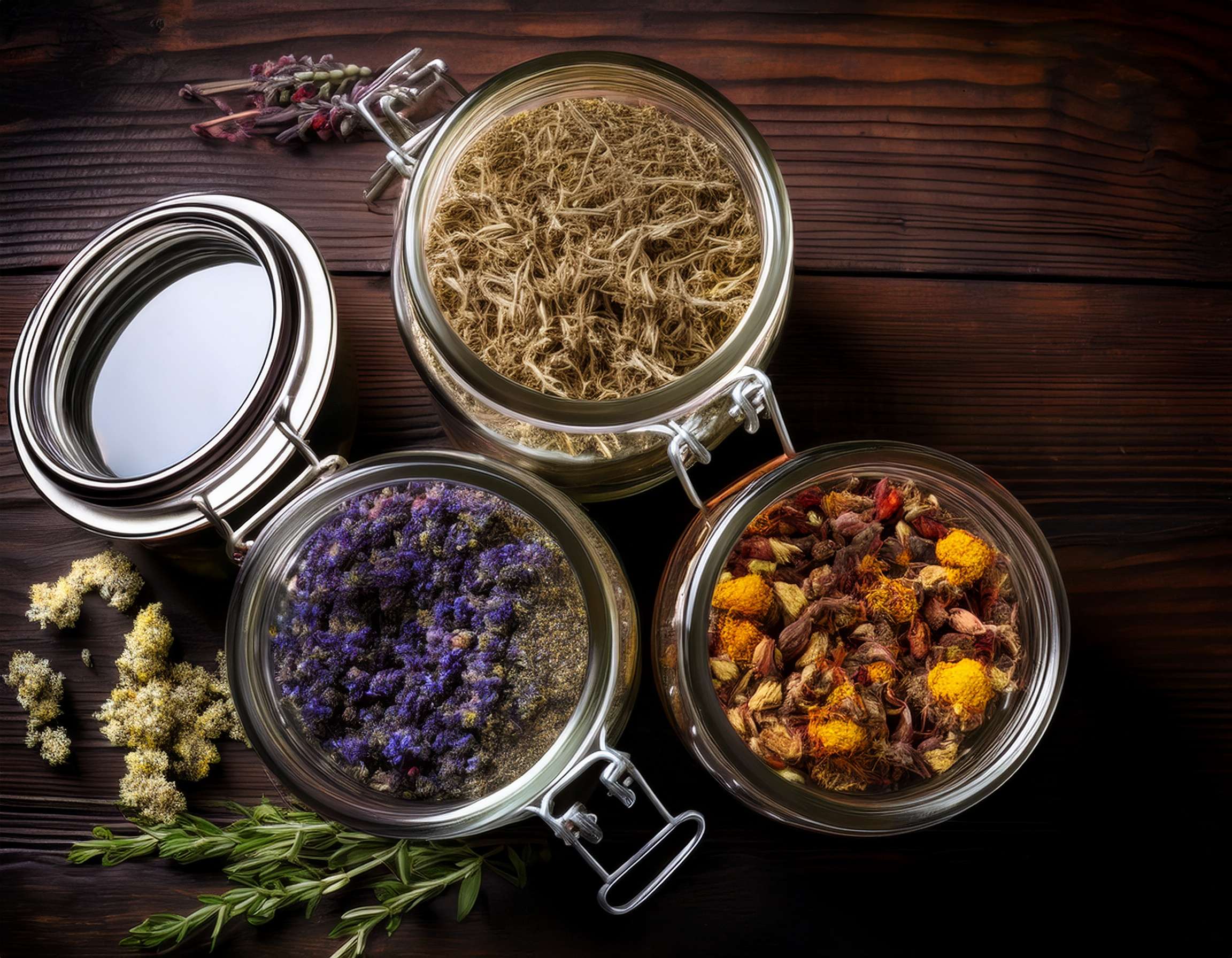
Harvest leaves when they look full and healthy. Use them fresh, or dry them in a cool, airy spot away from strong sunlight. Once dry, store them in a sealed jar in a dark cupboard. That helps hold the flavor and scent longer.
Lemon balm stays popular for a reason. It’s simple, pleasant, and often helpful for people who want gentle support for calm, rest, and mild digestive comfort. While it won’t solve every problem, it can fit beautifully into a steady self-care routine. Start with a basic tea, notice how your body responds, and keep your approach thoughtful. Sometimes the most useful herbs are the ones that work quietly.
Stay Connected for More Natural Living Inspiration
If you enjoyed this post about herbal wellness and love discovering natural ways to refresh your home and wellness, don’t miss out on future recipes and clean-living tips! Subscribe to the blog for weekly DIYs, wellness inspiration, and herbal remedies delivered straight to your inbox.
Don’t forget to visit my Amazon storefront for the links to my favorite essential oils, herbal teas, and natural recipes. I also create YouTube ambiance videos for sleeping; a channel I created to help people who have trouble sleeping. The link to all social media content is here.
Thanks for coming by!

Leave a Reply