
(DISCLAIMER: I am not a doctor, and you should consult your healthcare professional before starting any health regimen. Product links are commissioned and supports the blog)

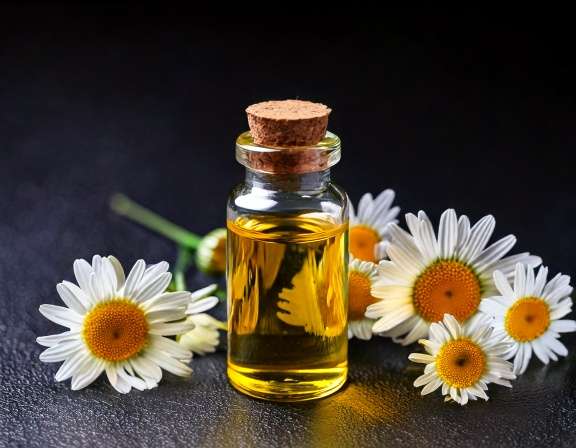
Chamomile essential oil brings a soft, tea-like calm to homemade body care. In a balm, bar, or scrub, it adds a gentle scent that feels clean and quiet, which is a nice match for dry or easily bothered skin. If you’re new to essential oils, a beginner guide to essential oils can make the first batch feel easier to manage.
These recipes stay simple on purpose. Shea butter, beeswax, carrier oils, and sugar do most of the work, while chamomile adds the comforting finish. A patch test still matters, even with a mild blend.
Key Takeaways
- You’ll make lotion bars, salves, a whipped body butter, and a scrub with beginner-friendly ingredients.
- Chamomile adds a soft scent and pairs well with shea butter, beeswax, calendula, and carrier oils.
- Patch testing matters, especially if you react to ragweed-family plants or have sensitive skin.
What makes chamomile a smart choice for skin care recipes?
Chamomile is a good fit for homemade body care because it brings a gentle scent and a calm feel. People often reach for it when skin looks dry, rough, or easily irritated. It works well in recipes that need a soft base, and it does not fight with the other ingredients.
That matters in DIY skin care. A formula with chamomile can feel soothing without becoming heavy on fragrance. It also blends nicely with ingredients that already support a rich texture, like shea butter, beeswax, coconut oil, and calendula oil. The result is simple, smooth, and easy to use.
The qualities that make it blend well with balms and bars
Thicker products hold chamomile well because the scent moves with the wax and butter. Beeswax gives a bar shape that lasts in a tin or pocket. Shea butter adds glide, while carrier oils keep the mix soft enough to spread.
The aroma stays mild, which is one reason it works so well in a bedside salve or a lotion bar by the sink. It feels more like a quiet herbal note than a strong perfume. In that way, chamomile can make a recipe feel finished without taking over.
A few safety notes before you start
Chamomile essential oil should always be diluted. Use a small amount, then patch test on the inner arm and wait 24 hours. People with ragweed, daisy, or marigold allergies should be careful, since chamomile comes from the same plant family.
For a broader refresher, see these tips for safely applying essential oils to skin. If you’re pregnant, nursing, making products for a child, or dealing with a skin condition, talk with a healthcare professional first. These recipes are for general body care, not treatment.
Five homemade body care recipes that pair beautifully with chamomile essential oil
These five formulas use the same gentle note in different ways. Start with the one that matches your skin’s mood, then save the others for later.
Soothing chamomile lotion bars for dry hands and feet
These bars use 1/4 cup chamomile-infused oil, 1/4 cup shea butter, 2 tablespoons beeswax, and 6 to 10 drops chamomile essential oil if you want a stronger scent. Shea butter softens the feel, beeswax gives the bar structure, and chamomile adds a calm finish that suits dry hands and feet.
Melt the beeswax and shea butter over low heat. Stir in the oil, then remove the pan from the heat before adding the essential oil. Pour into silicone molds or a small tin and let the bars set fully. A firmer bar needs a little more beeswax, while a softer one needs more oil. Rub it over hands, elbows, heels, or any rough patch after washing.
A simple chamomile salve for everyday dryness
A salve is softer than a lotion bar and easy to keep near the sink or on a nightstand. Start with 1/2 cup infused oil, 1 ounce beeswax pellets, and 4 to 6 drops chamomile essential oil. If you like, add a small amount of vitamin E oil for a bit more cushion, though it’s optional.
Melt the beeswax into the oil, stir well, then add the essential oil and pour into tins. Let it cool without moving it. A little salve goes a long way, so use only a fingertip amount on cuticles, knuckles, or dry spots that need a gentle coat. This is the kind of recipe you’ll reach for often because it is easy and tidy.
Chamomile and calendula salve for extra comfort
Calendula gives chamomile a friendly partner, especially when skin feels weather-stressed. Use 1/4 cup chamomile-infused oil, 1/4 cup calendula-infused oil, 1 ounce beeswax, and 5 to 8 drops chamomile essential oil. The blend feels herbal, soft, and a little sunny.
Melt the wax and oils together, then stir in the essential oil once the mixture comes off the heat. Pour into tins and let it set. This salve is nice for winter hands, wind-chapped forearms, or elbows that catch every rough edge in the day. Calendula adds a gentle, plant-based depth without making the process complicated.
Chamomile whipped body butter for a softer, richer feel
If you want something creamier, whip 1/2 cup shea butter or mango butter with 1/4 cup jojoba or sweet almond oil and 6 drops chamomile essential oil. This version feels richer than a salve and works well at night or on especially dry skin.
Melt the butter only if it’s very firm, then let it cool until opaque but still soft. Beat it with a hand mixer until fluffy, add the oil and essential oil, and whip again briefly. Spoon the finished butter into a jar. Use a small amount, because too much can leave the skin slick. A light layer is enough to coat dry skin with a smooth finish.
Chamomile sugar scrub for smooth, touchable skin
For rough elbows, knees, and feet, mix 1 cup fine sugar with 1/2 cup jojoba, olive, or fractionated coconut oil and 8 drops chamomile essential oil. Stir until the scrub looks like wet sand. Fine sugar feels kinder than coarse sugar, especially if your skin is touchy.
Use it on damp skin, massage gently, then rinse well. Keep this one away from freshly shaved or irritated areas. One or two uses a week is plenty, because scrubs should smooth the skin, not scrub it raw. The scent is soft, and the texture leaves skin feeling polished without much fuss.
How to store, use, and customize your chamomile body care
A few small habits make these recipes last longer and stay pleasant to use. They also help you adjust the texture without turning the whole batch into a guess.
Storage tips that help your recipes last longer
Store lotion bars and salves in tins, jars, or wrapped bars with tight lids. Keep them out of hot cars, sunny windows, and steamy bathrooms, because heat softens wax and can shorten shelf life. A cool cabinet is better than a shelf above the stove.
These are water-free formulas, so they usually last longer than products with water in them. Even so, clean tools and dry containers still matter. If the scent turns off or the texture changes, make a fresh batch. Your nose is often the first clue that a product has passed its best point.
Easy ingredient swaps for different skin types
If shea butter feels too heavy, replace part of it with mango butter for a lighter finish. Cocoa butter makes bars firmer and adds a deeper scent. You can also swap plain carrier oil for calendula-infused oil if you want a more herbal base.
Jojoba oil gives a smoother glide in salves and body butter, while sweet almond oil feels a bit richer. For a scrub, fine sugar is a better choice than coarse sugar if your skin tends to react. Keep the changes small and test one swap at a time. That makes it easier to see what your skin likes.
Conclusion
Chamomile essential oil brings a soft, steady touch to homemade body care, providing not only a calming aroma but also a wealth of therapeutic benefits. It pairs well with simple bases, which is why lotion bars and salves are such a good place to start for anyone looking to create personalized skincare products. The gentle nature of chamomile makes it an excellent choice for sensitive skin, soothing irritation and promoting a healthy glow. You can easily incorporate it into various recipes, perhaps blending it with shea butter or coconut oil, to elevate the nourishing qualities of your skincare formulations while indulging your senses.
Once you’re comfortable, a whipped body butter or sugar scrub can add a new texture without making the process harder. Homemade skin care can feel practical and peaceful at the same time, especially when the ingredients stay simple and the steps stay calm.
Stay Connected for More Natural Living Inspiration
If you enjoyed this post about herbal wellness and love discovering natural ways to refresh your home and wellness, don’t miss out on future recipes and clean-living tips! Subscribe to the blog for weekly DIYs, wellness inspiration, and herbal remedies delivered straight to your inbox.
Don’t forget to visit my Amazon storefront for the links to my favorite essential oils, herbal teas, and natural recipes. I also create YouTube ambiance videos for sleeping; a channel I created to help people who have trouble sleeping. The link to all social media content is here.
Thanks for coming by!

Leave a Reply