
(DISCLAIMER: I am not a doctor, and you should consult your healthcare professional before starting any health regimen.)

If you’re looking for a simple way to freshen your home without harsh chemicals, making a DIY essential oil room spray is a smart choice. Not only is it chemical-free and safe for families, but you can also tailor every batch to your favorite scents and moods. It takes just a few minutes, a handful of ingredients, and a few drops of the best essential oils for room spray to transform your space.
You’ll discover how to make room spray with essential oils using easy steps, practical tips and ingredient suggestions. Whether you crave a calming lavender blend or an energizing citrus room spray, the options are endless. This guide will walk you through how to make essential oil spray at home, help you pick the right oils, and show you why this cost-effective method is the ideal choice for a fresh, inviting home. For more ideas, check out this DIY Citrus Essential Oil Room Spray for a bright boost.
Why Choose Homemade Essential Oil Room Spray?
Making your own room spray with essential oils isn’t just a fun project. It gives you control over what goes into the air your family breathes every day. Instead of covering up smells with chemicals, you can freshen your home using pure ingredients and scents that fit your mood or needs. Choosing a chemical-free room spray DIY approach lets you make a low-toxin home without sacrificing freshness or quality. Let’s break down the top benefits of making your own DIY essential oil room spray compared to buying store-bought options.
Safer for Your Health
Homemade essential oil spray for home means you skip harsh chemicals and artificial fragrances found in many store-bought sprays. These commercial sprays often include ingredients that can trigger allergies, headaches, or respiratory irritation. By choosing a DIY essential oil room spray, you only add pure essential oils, water, and maybe some witch hazel or alcohol for blending. This simple mix is gentler on your lungs and safer for children and pets.
- Essential oils clean and uplift naturally.
- No parabens, synthetic scents, or fillers.
- Great for anyone with asthma or chemical sensitivities.
Want to know more about picking safe, quality oils for your home? Check out the essential oils for beginners guide for tips on how to use essential oils safely.
Total Customization
With homemade sprays, you choose the scent and strength. Like a zesty citrus burst in the morning or calming lavender before bed? You’re the boss. Mix and match oils to suit each room, season, or mood. You can also adjust the number of drops for a stronger or lighter scent.
Some fun ways to tailor your recipe:
- Create energizing blends for busy spaces.
- Make relaxing sprays for bedrooms or bathrooms.
- Switch scents by the season for a fresh feel year-round.
You can experiment with the best essential oils for room spray to find your signature home scent.
Cost-Effective and Eco-Friendly
Learning how to make room spray with essential oils saves money over time. A small bottle of essential oil can make dozens of sprays, compared to the price of a single store-bought bottle. Plus, you can reuse your spray bottle, cutting down on single-use plastics and packaging waste.
- Buy quality oils once, refill as needed.
- Reuse glass spray bottles.
- Skip the extra packaging and shipping.
Connect to Natural Wellness
A homemade essential oil room spray is more than a pleasant fragrance. Many oils offer bonus wellness perks, like supporting relaxation or boosting focus. When you make sprays at home, you choose blends that work for the people who actually live in your space. For more information on oils that support energy and mood, look into the benefits of grapefruit essential oil as a starting point.
Choosing natural scents for your home is a practical step toward a fresher, more personal living environment. With a DIY approach, you’re not only taking charge of your air quality, you’re also bringing the comforting touch of nature right into your daily routine.
Essential Ingredients and Supplies Needed
Making a chemical-free room spray DIY recipe only takes a few key ingredients and a few basic supplies. The right choices make a big difference in how your DIY essential oil room spray smells, how well it lasts, and how safely it blends into your home. Here’s what you need and why each component matters.
Picking the Best Essential Oils for Room Spray
When learning how to make room spray with essential oils, start by choosing oils that not only smell great but also offer added wellbeing benefits. Certain essential oils are known for their air freshening power and mood-lifting abilities.
Some top picks for an essential oil spray for home include:
- Lavender Ess:ential Oil Calms, relaxes, and brings a gentle floral scent ideal for bedrooms.
- Lemon or Sweet Orange Essential Oil: Bright, energizing, and great for kitchen or bathroom freshness.
- Peppermint Essential Oil: Invigorates and helps clear the mind, perfect for workspaces.
- Eucalyptus Essential Oil: Purifies air, brings a spa-like vibe, and is soothing for congestion.
- Tea Tree Essential Oil: Natural deodorizer and air cleanser.
Pairing a few drops of different oils can help you craft blends for various moods and rooms. For example, mixing citrus and peppermint creates an energizing blend, while lavender and cedarwood are soothing for bedtime. To discover more oils that are beginner-friendly and effective, see this guide to the Top 10 Essential Oils for Beginners.
Recommended Supplies and Tips for Beginners
Getting your ingredients and tools right ensures your DIY essential oil room spray works well and stays safe. You don’t need fancy gear, but a few essentials matter:
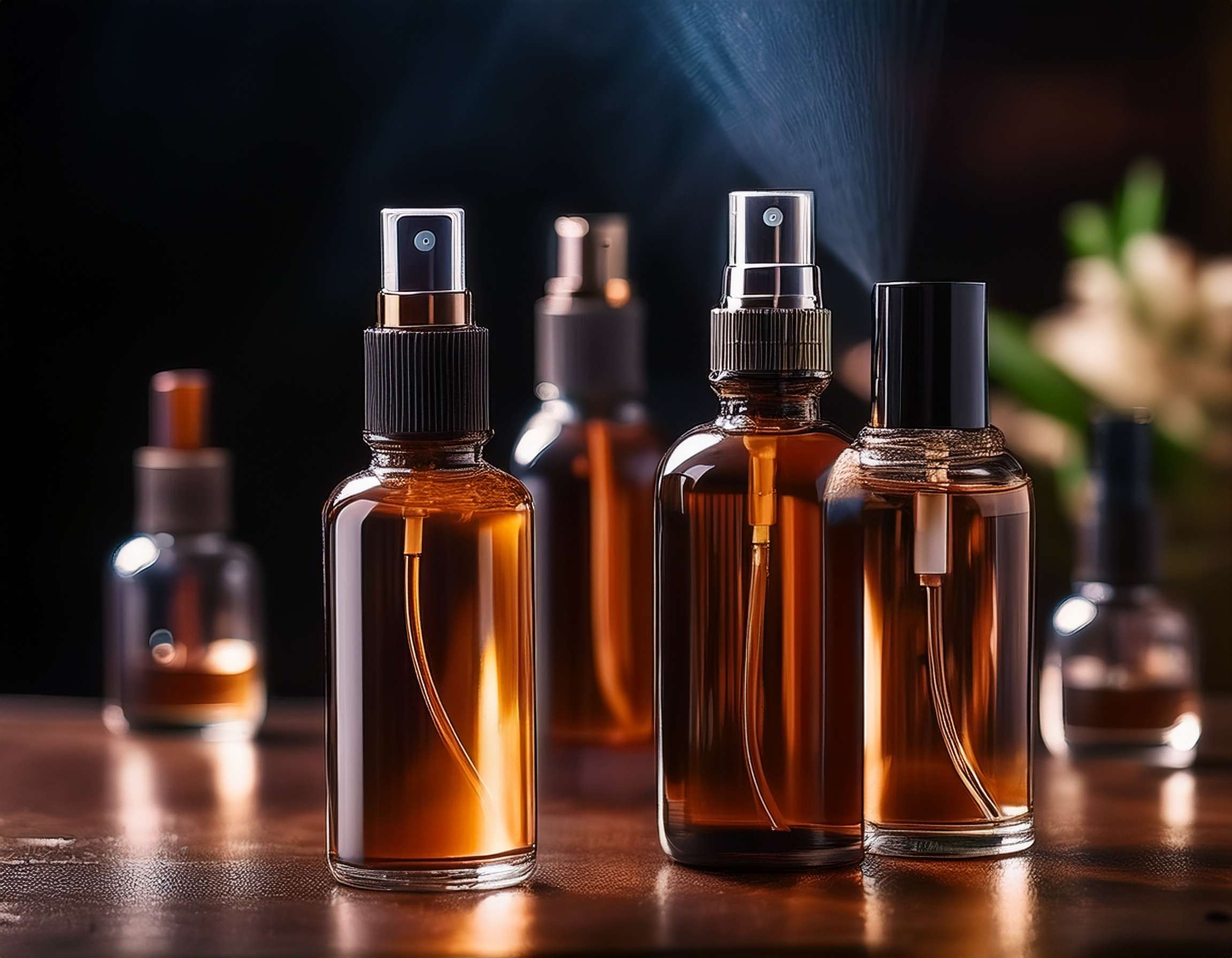
- Spray Bottles (Glass Recommended): Glass bottles are best because oils can break down plastics over time. Amber or cobalt blue glass helps protect oils from light and keeps your spray fresher. Choose 2- to 8-ounce sizes for easy handling.
- Distilled Water: Tap water may contain minerals or bacteria. Distilled water helps your spray last longer and prevents residue.
- Witch Hazel or High-Proof Alcohol: These help blend the oils into the water so your spray doesn’t separate. Witch hazel is gentle and has a neutral scent, while vodka or high-proof grain alcohol also works well. Avoid rubbing alcohol, which has a stronger odor.
- Measuring Spoons and Funnels: Precise measurement ensures the right scent strength. A small funnel helps you pour without spills.
- Essential Oils: Always use pure, high-quality oils for the best scent and safety results.
Safety is important, especially with essential oils. Always keep sprays away from your eyes, pets, and small children. Some oils (like peppermint or eucalyptus) might be too strong for babies or pregnant women, so read labels carefully.
If you’re trying a new blend or oil, test a small batch first to make sure the scent works for your space. Starting with just 20-30 drops of oil per 2 ounces of water is a safe place for most rooms, then adjust for a stronger or milder spray.
For those interested in the cleaning power of botanicals, check out more about the benefits of natural cleaners with this article on Herbal Disinfectants for Home.
Getting organized with these essentials means you’ll find making your own essential oil spray at home simple and rewarding, no stress, just great scent.
Step-by-Step: How to Make Essential Oil Room Spray at Home
Making your own essential oil spray for home is simple, fun, and lets you control every drop that goes into your blend. With a little prep, you can whip up a DIY essential oil room spray that smells great, matches your mood, and stays clear of chemicals you’d rather avoid. Below, you’ll find direct, beginner-friendly instructions that walk you from start to finish. If you prefer lavender in your bedroom or citrus in the kitchen, you’ll learn to make a blend you’ll love.
Gather Your Supplies and Ingredients
Before you start, double-check that you have everything on hand. Here’s what you’ll need for the basic recipe:
- A 2-ounce glass spray bottle (amber or cobalt blue bottles protect your oils and keep your spray fresh).
- Distilled water (prevents bacteria and mineral build-up).
- Witch hazel or high-proof vodka (blends and preserves the oils).
- Pure essential oils (your choice of scent, see recipe variations below).
- Small funnel (for easy pouring).
- Label (optional, but helpful).
Standard Recipe and Proportions
Here’s a basic formula for how to make essential oil spray at home. This amount is easy to double for a larger bottle.
- Add 1 tablespoon of witch hazel or vodka to the empty spray bottle.
- Add 20–30 drops of your chosen essential oils. Start with fewer drops for a light scent (20), or use more (up to 30) for a stronger aroma.
- Fill the rest of the bottle (almost to the top) with distilled water.
- Place the spray top on, and shake well before every use.
Tip: If your room spray is too strong, add more distilled water. If it’s too light, add a few extra drops of essential oil. Remember to shake before each use because oil and water will naturally separate.
Personalized Scent Variations
You can create an endless combination of scents for different rooms, seasons, or moods. Here are a few beginner-friendly, balanced blends:
- Calming Bedroom Blend: 15 drops lavender, 10 drops cedarwood, 5 drops chamomile
- Energizing Citrus Kitchen Spray: 15 drops sweet orange, 10 drops lemon, 5 drops peppermint
- Spa Bath Refresh: 15 drops eucalyptus, 10 drops tea tree, 5 drops rosemary
Mix and match your favorite oils, or stick to a single scent if you want something simple and pure. For more ideas on using lavender specifically, check out these creative uses for lavender essential oil, these tips can spark inspiration for your next batch.
Safety Notes and Troubleshooting
Making a chemical-free room spray DIY-style means you’re already avoiding many harsh ingredients. Still, essential oils are powerful, so keep these tips in mind:
- Always label the bottle with the scent and date. Use within 1–3 months for best freshness.
- Keep out of reach of kids and pets. Some oils (like peppermint or eucalyptus) can be strong for little ones or animals.
- Test a small area first. Spray on a small corner of fabric or surface to make sure it doesn’t stain or react poorly.
- If the spray clogs, unscrew the sprayer and rinse both the cap and the stem with warm water.
Spritz into the air or onto linens (hold the bottle about one foot away) for a light, even scent. Avoid using on silk or delicate fabrics.
Extra Resources for Room Spray Enthusiasts
Want to explore more ways that aromatherapy can freshen your home? Check out these aromatherapy benefits and guides for deeper insights and more recipes you can try. You’ll find helpful tips to keep your DIY essential oil room spray safe, customizable, and enjoyable for everyone in your home.
Favorite DIY Essential Oil Room Spray Recipes
When you know how to make room spray with essential oils, you can personalize every corner of your home. The right blend creates the mood you want, from calm to energized, or even supports wellness during seasonal changes. This section covers how to layer scents and create the best essential oil spray for home. You’ll also find a few tried-and-true recipes to fit every room and lifestyle.
How to Formulate Custom Blends for Any Room
Creating a DIY essential oil room spray is more than mixing oils together. Scent layering and oil ratios are key for a balanced blend that lingers and uplifts your space. Here’s how to do it:
Scent Layering and Ratios:
- Use a simple ratio, like 2 parts top note, 1.5 parts middle note, 1 part base note.
- Top notes (like lemon, orange, peppermint) hit first with a fresh burst.
- Middle notes (like lavender, rosemary, chamomile) carry the heart of your scent.
- Base notes (like cedarwood, patchouli, sandalwood) anchor the aroma and add depth.
- For a 2-ounce spray bottle, start with 20–30 drops total. Adjust based on how strong you want the scent.
Choosing Oils for Each Space:
Each room has its own vibe and needs. Select oils with that in mind:
- Bedroom: Lavender, chamomile, and cedarwood promote calm.
- Kitchen: Lemon, sweet orange, or peppermint neutralize odors and boost energy.
- Bathroom: Eucalyptus, tea tree, or rosemary keep things fresh and spa-like.
- Living area: Try uplifting blends with a mix of citrus, balsam fir, or geranium.
Practical Blend Ideas:
Try these for an easy start or to inspire your own combos:
- Unwind & Relax: 15 drops lavender, 10 drops bergamot, 5 drops cedarwood (add more lavender if you want extra calm). For blending tips and more ways to use lavender, see Creative Uses for Lavender Oil in this comprehensive guide.
- Morning Energy: 12 drops sweet orange, 10 drops lemon, 8 drops peppermint. For a bright and invigorating formula, check out the uplifting DIY Citrus Essential Oil Room Spray.
- Breathe Easy: 12 drops eucalyptus, 8 drops peppermint, 6 drops tea tree, 4 drops lavender.
- Seasonal Wellness: 10 drops lemon, 8 drops eucalyptus, 6 drops rosemary, 6 drops lavender.
Mix and match to create your signature scent. Always shake before each use—essential oils and water will separate naturally.
Blending Tips for Best Results:
- Use glass spray bottles to preserve scent quality.
- Test a small batch before scaling up.
- Write down your favorite combinations so you can repeat them.
By understanding oil selection and blending basics, you’ll create a chemical-free room spray DIY recipe that feels tailor-made for your home. Aromatherapy enthusiasts often discover that freshness and comfort go hand-in-hand when using custom blends daily.
Tips for Safe Use, Storage, and Troubleshooting
Homemade room sprays with essential oils are simple, fresh, and free from harsh chemicals. Getting the most out of your DIY essential oil room spray means taking a few extra steps for safety, effective storage, and optimal performance. This section covers how to store your spray, keep it safe for pets and kids, handle common issues, and stretch that great scent as long as possible.
Storing Your DIY Room Spray for Maximum Freshness
Room sprays made from water, alcohol or witch hazel, and essential oils are best when fresh. These ingredients combine quickly, but their shelf life can vary based on how you store the bottle and the types of oils you use.
- Shelf life: For most DIY essential oil room sprays, aim to use them within 1–3 months. Some blends may last up to 6 months if cool and protected from light.
- Best practice: Keep your spray in a glass bottle, away from direct sunlight. Amber and cobalt blue glass blocks UV rays and helps the spray stay stable.
- Storage tips: Store your spray in a cool cupboard or drawer. Avoid leaving it in hot bathrooms or near heat sources. Always close the cap tightly to prevent evaporation.
If your spray develops a cloudy look, an off smell, or visible residue, make a fresh batch. Clean out the bottle with warm soapy water between uses.
Avoiding Stains and Surface Issues
Essential oils can leave marks on some fabrics and surfaces. Many DIYers want an essential oil spray for home that smells great, but no one wants stained linens or furniture.
- Do a spot test: Spray a small area of fabric or surface before using broadly, especially on light or delicate items.
- Avoid direct sprays: For best results, spritz into the air or hold the bottle about a foot above linens and soft furnishings.
- Opaque bottles: Besides keeping your spray fresh, dark bottles help you spot residue inside so you know when it’s time to clean.
- Lighter oils: Citrus, lavender, and peppermint are less likely to stain compared to heavier, deep-colored oils like patchouli or sandalwood.
Being mindful with use will keep your surfaces looking great while your home smells amazing.
Safety with Kids, Pets, and Sensitive Noses
A chemical-free room spray DIY recipe is naturally safer, but essential oils are strong, especially around children or animals.
- Keep it high and labeled: Store bottles out of reach of kids and pets and always use a clear label with the blend name and date.
- Pet safety: Avoid using heavy doses of oils like tea tree, eucalyptus, or peppermint in rooms where pets spend time. These oils can stress or harm sensitive animals.
- Sensitive users: For young kids, guests, or people with allergies, stick to milder oils such as lavender and sweet orange.
- Air your space: Open windows now and then if using new blends, and never spray directly onto pets or people.
For a deeper breakdown of which oils are safest for families and animals, read up on these Essential Oils for Allergy Relief, this guide also covers oils to skip around pets and kids.
Troubleshooting Common Room Spray Issues
Sometimes your homemade spray may separate, lose scent, or clog. These quick fixes help keep your essential oil spray for home working its best:
- Spray separates quickly: Always shake your bottle well before each use. Witch hazel or a splash of vodka helps oils mix with water, but some separation is normal.
- Weak scent? Add a few extra drops of essential oil at a time, shaking to test after each addition. If your scent vanishes fast, try adding a small pinch of salt before mixing, in some cases, this can help boost staying power.
- Sprayer clog: Remove the spray top and rinse thoroughly with warm water. If using thick oils, wash the nozzle every few weeks to avoid blockages.
- Overpowering or odd smell: Dilute with more distilled water or remake your blend if a batch sits too long or takes on a stale scent.
A well-balanced DIY essential oil room spray will lift your mood and scents your space with minimal effortjust a few mindful checks can keep every bottle at its best.
Tips to Make Scent Last Longer
We all want a room spray that lingers. Here’s how to maximize the life and punch of every spray:
- Use glass spray bottles and store out of sunlight to protect delicate oils.
- Choose longer-lasting oils like cedarwood, sandalwood, or patchouli mixed with your favorite top notes.
- Spray onto soft items like curtains, rugs, or fabric furniture, these hold scent longer than hard surfaces.
- Repeat a light misting every few hours instead of a heavy spray once a day for a consistent, gentle aroma.
As you discover your favorite recipes, keep notes of which blends hold up best in each room. Storing your homemade essential oil spray at home the right way boosts both safety and enjoyment fresh scent, peace of mind, and a happy, welcoming home. For a mood-boosting blend to try next, see this list of Mood Boosting Essential Oils.
Conclusion
Making your own essential oil spray for home is one of the simplest ways to keep your space fresh, safe, and truly personal. You get the peace of mind of a chemical-free room spray DIY, plus the fun of experimenting with the best essential oils for room spray to match every mood or need. With a few basic supplies, you control everything that fills your air, no more settling for store-bought fragrances.
As you experiment with how to make room spray with essential oils, remember that small changes make a big difference. Take notes on blends that stand out and don’t hesitate to explore other ways essential oils can support your wellbeing, like using seasonal immune boosting oils.
Share your favorite recipes or tips with friends and neighbors, and check out more wellness articles on DiWrites for inspiration on living naturally every day. Thanks for reading and putting your trust in these easy, healthy steps for a fresher, more welcoming home.
Stay Connected for More Natural Living Inspiration
If you enjoyed this post about herbal wellness and love discovering natural ways to refresh your home and wellness, don’t miss out on future recipes and clean-living tips! Subscribe to the blog for weekly DIYs, wellness inspiration, and herbal remedies delivered straight to your inbox.
Don’t forget to visit my Amazon storefront for the links to my favorite essential oils, herbal teas, and natural recipes. I also create YouTube ambiance videos for sleeping; a project I created to help with insomnia symptoms and the second channel, Rooted in Nature YouTube Channel both channels feature herbal recipes for wellness and home. The link to all social media content is here.
Thanks for coming by!


Leave a Reply