
(DISCLAIMER: I am not a doctor, and you should consult your healthcare professional before starting any health regimen. Product links are commissioned and supports the blog)

Key Takeaways:
- Grapefruit essential oil smells bright and clean, it’s a quick “reset” for a tired mood.
- It’s popular for making a room feel fresh, especially in kitchens, entryways, and laundry areas.
- With safe dilution, it can support oily-feeling skin, scalp freshness, and post-workout body care.
- It’s a strong helper for DIY cleaning because it has a “grease-cutting” vibe.
- Some people use the scent to support appetite awareness and reduce cravings (it’s not magic, but it can help with habits).
- It can be a great workout and chore buddy when you need motivation fast.
Grapefruit essential oil can do a lot in daily life, but it can’t do everything. It won’t “detox” your body, melt fat, or fix a health condition. What it can do is support routines that make you feel cleaner, lighter, and more awake, mostly through scent and simple self-care.
Quality and safe use matter because citrus oils are powerful. Kids, pets, pregnancy, and sensitive skin all deserve extra caution. If you’re unsure, start with diffusing only, keep it gentle, and talk with a qualified professional for personal guidance.
What grapefruit essential oil is, and what gives it that bright scent
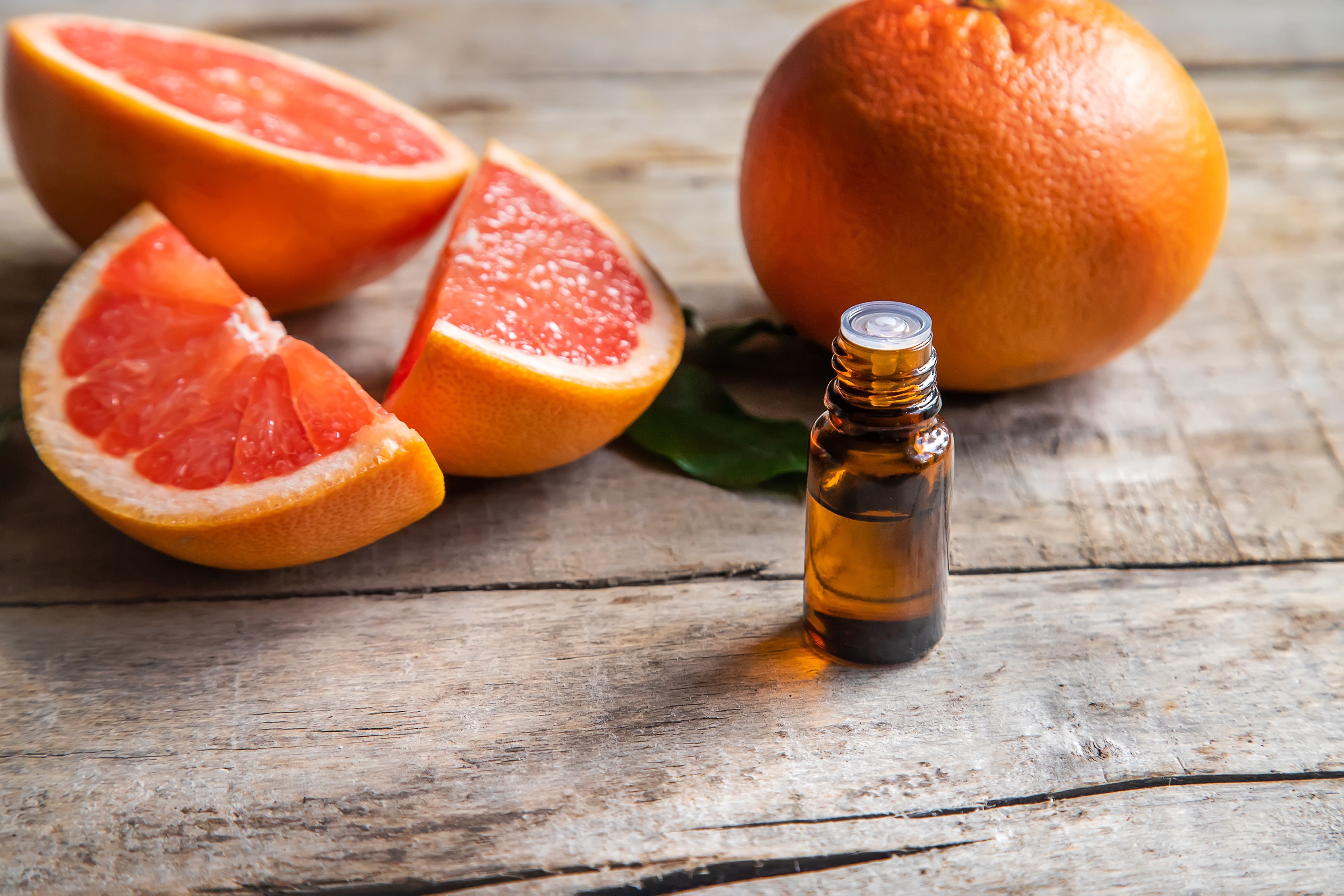
An essential oil is a concentrated aromatic extract from a plant. With grapefruit, the oil usually comes from the peel (not the juicy part). Most grapefruit essential oil is cold-pressed, which means the peel is mechanically pressed to release its fragrant oils.
That matters for two reasons. First, cold-pressed grapefruit oil tends to smell the most like a freshly peeled grapefruit, zesty, slightly bitter, and sweet. Second, cold-pressed citrus oils can be more likely to cause sun sensitivity on skin (we’ll cover that clearly later).
The “sparkle” in grapefruit’s scent mainly comes from natural aroma compounds like limonene. You don’t need to memorize names to use it well. In plain language, these compounds are often linked with an uplifting feel, that crisp “clean kitchen” smell, and an ability to cut through heavy odors.
It also helps to know what grapefruit oil is not. It’s not grapefruit juice. You won’t get vitamin C from it, and it’s far more concentrated than the fruit. Think of grapefruit essential oil like the peel turned up to full volume, one drop can scent a whole bowl of DIY scrub.
Pink vs white grapefruit oil, do they work differently?
Pink and white grapefruit essential oils are more similar than they are different. Their chemistry overlaps a lot, so the day-to-day benefits people report (fresh mood, clean scent, grease-cutting power) are usually comparable.
The real difference is the vibe. Pink grapefruit often smells sweeter and a little rounder. White grapefruit can smell sharper and more bitter, like the pith.
A practical way to choose:
- If you mainly want it for a diffuser or body oil, go with the one you enjoy smelling most (you’ll use it more).
- If you want it for cleaning, white grapefruit’s sharper edge can feel extra “clean,” but either will work.
Everyday grapefruit essential oil benefits you can actually feel
Grapefruit essential oil shines when you want small wins that add up. It’s the oil you grab when the room feels stale, when your brain feels foggy, or when chores feel like a mountain. The benefit isn’t a miracle effect, it’s the way scent can change your momentum.
In aromatherapy practice, citrus oils are often used for mood support and mental lift. Some research on citrus aromas suggests they may help with perceived stress and alertness for some people. That doesn’t mean it treats anxiety or depression, but it can be a helpful part of a calming routine.
It’s also a great “bridge oil.” If you have blends you love but they feel too floral, too earthy, or too heavy, grapefruit can lighten them. It adds brightness the way a squeeze of lemon wakes up a soup.
If you’re building a simple scent routine for focus, you may also like essential oils for focus and mental clarity, especially when you want options beyond citrus.
A brighter mood and a cleaner-feeling space
There’s a reason grapefruit oil is a favorite in the morning. Citrus scents often feel energizing because they’re sharp, familiar, and “clean” to the brain. It’s like opening a window, even when you can’t open a window.
For diffusing, keep it simple and light. In a small room (bathroom, office, bedroom), 3 to 5 drops is usually plenty. In a larger living area, 6 to 10 drops can work, depending on your diffuser size and how strong you like it. Diffuse for 30 to 60 minutes, then take a break.
Two easy diffuser blend ideas:
- Grapefruit + lavender: bright plus soft, great for “I’m tense but I need to function.”
- Grapefruit + peppermint: crisp and energizing, great when your brain feels sluggish.
If you want a little more structure, set a timer and treat it like background music, not an all-day concert. Your nose can get tired, and less is often more.
A fresh boost for workouts, chores, and focus
Scent can work like a cue. The same way a certain song flips your mood, grapefruit can become your “go time” signal. The trick is to use it consistently in the moments you want it to support.
Here are a few quick routines that don’t involve skin use:
Tissue inhale (fast and portable)
Add 1 drop to a tissue, hold it a few inches from your nose, and take 2 to 3 slow breaths. Toss the tissue after. Keep it away from kids and pets.
Pre-clean diffuser session (10 minutes before you start)
Diffuse grapefruit while you gather supplies and clear counters. By the time you begin, the room already smells fresh, and your brain is more willing.
Gym bag refresh spray (for fabric, not skin)
In a 2 oz spray bottle, add 1 tablespoon high-proof alcohol (or witch hazel), 10 to 15 drops grapefruit oil, then top with water. Shake hard before each use and mist the inside of a gym bag or shoes, then let air dry. Spot test first on delicate fabrics.
For more home-safe ideas, how to make non-toxic cleaning products with essential oils at home is a helpful guide to keep on hand.
Skin, scalp, and body uses, plus safe dilution that won’t irritate you
Grapefruit essential oil is commonly used in body care for oily-feeling skin, “not-so-fresh” odor moments, and that just-showered feeling. Some people also like it in scalp care because it smells clean and can make hair feel refreshed between wash days.
The guardrails matter. Essential oils can irritate skin when used undiluted, and citrus oils need extra sun caution. Start low, patch test, and don’t use it on broken or freshly shaved skin.
Choose a simple carrier oil that your skin likes. Jojoba and grapeseed feel light. Sweet almond is a good all-purpose choice. Fractionated coconut oil is popular, but it can feel heavier on acne-prone faces.
If your skin routine includes other strong oils, keep grapefruit as the “accent,” not the main character. For example, clove is powerful and can be irritating for many people, so it’s not a casual add-on. If you’re curious about stronger oils, read clove oil benefits for pain, oral care, and skin healing with extra attention to safety.
Simple dilutions for face, body, and scalp (and when to skip it)
Dilution sounds technical, but it’s just “how many drops in how much carrier.” Here are easy ranges that are gentle for most adults:
- Face: 0.25 to 0.5 percent (about 1 drop per 2 teaspoons of carrier oil).
- Body: 1 percent (about 1 drop per 1 teaspoon of carrier oil).
- Spot use: 1 percent, and only on small areas, not all over.
- Scalp: 1 percent in a carrier oil for scalp massage, or 1 drop mixed into a single-use blob of shampoo in your hand (don’t add to the whole bottle).
Patch test every new blend. Apply a tiny amount to the inside of your forearm and wait 24 hours. If you notice burning, itching, hives, or a rash, wash it off with soap and stop.
Skip grapefruit oil if your skin is already irritated, sunburned, or sensitized from strong exfoliants. Also keep it away from eyes, lips, and other delicate areas.
For a deeper dive on scalp routines, essential oils for hair growth and scalp care has helpful context on safe, consistent use.
Sun safety with grapefruit oil (phototoxicity) made easy
Phototoxicity is a fancy word for a simple problem: some cold-pressed citrus oils can make your skin more likely to react to sunlight. That reaction can look like redness, dark spots, or a burn that feels worse than expected.
A clear, conservative rule: if you apply grapefruit oil to your skin (even diluted), avoid sun and tanning beds on that area for 12 to 24 hours. Evening use is easiest. Put it on after your day is done, not before a walk outside.
You may see grapefruit oils labeled FCF (furanocoumarin-free) or steam-distilled. Those processing choices can reduce risk, but it’s still smart to treat citrus oils with respect. When in doubt, keep it off sun-exposed skin.
DIY home and self-care recipes that make grapefruit oil worth buying
Grapefruit oil earns its spot when you use it in more than one way. One bottle can cover mood, home freshness, and a simple body blend, as long as you keep the safety basics in place.
A few general notes before you mix:
- Use dark glass when possible for storage.
- Label your blends with the date and ingredients.
- Keep oils and DIY products away from kids and pets.
- Never mix essential oils with bleach or bleach-based cleaners.
If you want a wider list of germ-fighting oils to pair with grapefruit, top antibacterial essential oils for natural cleaningis a solid reference.
Quick recipes: diffuser blend, shower steamer, and body oil
Bright Morning Diffuser Blend
Add 4 drops grapefruit plus 2 drops lavender to your diffuser (small room). For a larger space, double it, but keep the total under 10 drops to start. Diffuse 30 to 45 minutes, then take a break.
Simple Shower Spray (easier than steamers)
In a 4 oz spray bottle, add 1 tablespoon high-proof alcohol (or witch hazel), 20 drops grapefruit oil, then fill with water. Shake well. Spray 3 to 5 times onto shower walls away from your face, let the steam carry the scent. Use caution on slippery floors and keep the mist away from eyes.
Grapefruit Body Oil (1 percent dilution)
In a 1 oz bottle, combine 2 tablespoons carrier oil plus 6 drops grapefruit essential oil. Shake gently. Apply to arms or legs after a shower, ideally at night because of sun sensitivity. Store in dark glass, label it, and use within a few months for best scent.
Natural cleaning helpers: sink scrub, greasy-stove spray, and trash-can deodorizer
Citrus Sink Scrub (quick and satisfying)
In a small bowl, mix 1/2 cup baking soda with 8 to 10 drops grapefruit oil. Add just enough castile soap to make a damp paste. Scrub the sink, let sit 5 minutes, then rinse well. Avoid using abrasive scrubs on delicate finishes.
Greasy-Stove Spray (vinegar-free option)
In a 16 oz spray bottle, add 1 tablespoon unscented dish soap, 15 drops grapefruit oil, then fill with warm water. Shake gently. Spray the greasy area, wait 2 minutes, wipe with a damp cloth, then dry. Spot test on painted surfaces first, and don’t use on screens.
Trash-Can Deodorizer (no mixing, no mess)
Add 2 drops grapefruit oil to a cotton ball and tuck it under the liner, or tape it to the inside of the lid. Replace every few days. Keep it out of reach of pets, especially cats, who can be sensitive to many essential oils.
Citrus oils can soften some plastics and dull certain finishes over time, so always test in a hidden spot and wipe surfaces after cleaning.
Conclusion
Grapefruit essential oil is one of those bottles that earns its keep, as long as you use it with common sense. Keep these reminders handy:
- Choose reputable brands and skip “fragrance oils.”
- Check the botanical name and extraction method, cold-pressed peel is common.
- Store it cool and dark, cap tight, less air means longer-lasting scent.
- Start low, dilute well, and patch test every new blend.
- Watch sun exposure after skin use, stick with that 12 to 24-hour window.
A simple first-week plan: diffuse it 2 days (short sessions), try one cleaning recipe, then try one diluted body blend at night. After that, you’ll know if grapefruit oil is your kind of fresh, or if it belongs in the “nice, but not for me” pile. Share how you like to use grapefruit essential oil, and what you pair it with most.
Stay Connected for More Natural Living Inspiration
If you enjoyed this post about essential oils and love discovering natural ways to refresh your home and wellness, don’t miss out on future recipes and clean-living tips! Subscribe to the blog for weekly DIYs, wellness inspiration, and herbal remedies delivered straight to your inbox.
Tap here for more essential oil products, essential oil blends, natural recipes, plus some ambience videos for your sleeping pleasure.
Thanks for coming by!



Leave a Reply