
(DISCLAIMER: I am not a doctor, and you should consult your healthcare professional before starting any health regimen. Product links are commissioned and supports the blog)

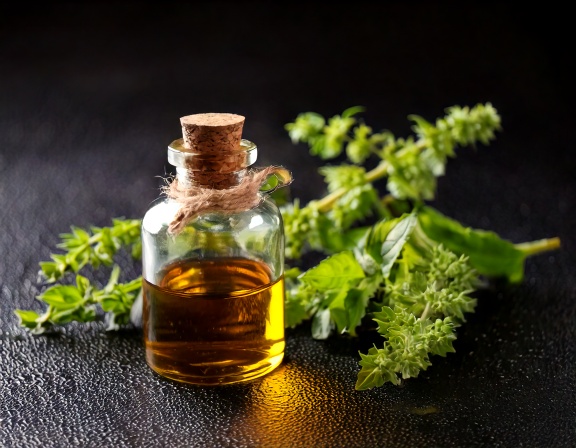
A peaceful evening often starts with a small signal that the busy part of the day is over. Holy basil essential oil has a warm, herbal, slightly spicy scent that can help your space feel calmer and more settled.
Also called tulsi, this aromatic oil may support relaxation when it is part of a simple wind-down routine. A few well-chosen drops, a favorite chair, and a quiet activity can help create a restful atmosphere without making the evening feel overly planned.
Here is how to enjoy tulsi’s scent with practical diffuser blends, gentle usage ideas, and thoughtful care.
Key Takeaways
- Holy basil essential oil has a green, clove-like, herbaceous aroma with a warm and grounding character.
- Its strongest role in an evening routine is supporting relaxation, stress relief, and a comfortable bedtime atmosphere.
- Start with 3 to 4 total drops in a diffuser filled according to the manufacturer’s directions.
- Tulsi pairs well with softer oils such as lavender, magnolia, sweet orange, cedarwood, and frankincense.
- Short diffuser sessions with fresh airflow keep the aroma pleasant and easy to enjoy.
- Tulsi essential oil is concentrated, so conservative use creates a balanced and comfortable scent experience.
Holy Basil Essential Oil Benefits for a Restful Evening Diffuser Blend
Holy basil is commonly called tulsi, and its botanical name is Ocimum tenuiflorum. Some older labels list it as Ocimum sanctum, which refers to the same treasured herb. The essential oil is usually steam-distilled from the leaves and flowering tops.
Its aroma is distinct. Tulsi can smell sweet, pungent, herbaceous, clove-like, balsamic, and lightly camphoraceous. That profile gives it more presence than a soft floral oil. A small amount can bring a room from feeling busy and stale to feeling fresh, warm, and intentional.
For an evening ritual, holy basil essential oil may help mark the transition into rest. It fits beautifully with journaling, slow stretching, meditation, reading, or preparing a warm cup of tea. The scent creates a gentle pause, which can be especially welcome after screens, errands, and long conversations.
Why Tulsi Works Well as a Grounding Evening Aroma
Tulsi has a stronger green herbal note that can feel clarifying and settling at the same time. It gives a diffuser blend some structure, much like a wooden tray gives shape to a cozy tea setup.
Lavender, magnolia, and citrus oils often bring softness. Tulsi brings a fresh herbal center that keeps the blend from feeling overly sweet. Try diffusing it while you take slow breaths, stretch your shoulders, or settle in with a book.
A warm cup of tea also fits naturally beside this routine. The gentle steam and slow pace of sipping can make the room feel even more comforting. You may enjoy pairing your diffuser session with one of these herbal tea relaxation rituals.
What the Research Suggests About Relaxation and Sleep Support
Aromatherapy use of tulsi centers on its calming, meditative, and grounding scent. For diffuser use, the most realistic benefit is support for perceived calm, stress relief, and a more restful setting.
An eight-week clinical trial of an oral Ocimum tenuiflorum extract called Holixer found improvements in perceived stress and subjective sleep quality among stressed adults. That research involved a measured extract taken by mouth. Diffusion is a separate aromatic practice, best enjoyed for its scent, the atmosphere it creates, and the consistency of the evening ritual around it.
A familiar scent can become a useful cue: when tulsi fills the room, your evening routine has begun.
Three Easy Holy Basil Diffuser Blends for a Calmer Evening
Holy basil has a medium-to-strong aroma, so a few drops can shape the whole blend. Fill your diffuser to its water line, then add the oils and use the timing directions that came with your device.
These recipes keep tulsi at the center while adding softer notes around it. Start with one short session, then adjust the next time based on the size of your room and your personal scent preference.
Soft Tulsi and Lavender Wind-Down Blend
Ingredients
- 2 drops holy basil essential oil
- 2 drops lavender essential oil
- 1 drop sweet orange essential oil
Add the oils to a water-filled diffuser and enjoy this blend during the first part of your evening routine. Lavender softens tulsi’s spicy herbal edge, while sweet orange adds a warm, cheerful note that feels like the last light of the day. Diffuse in a ventilated room for a short session while you change into comfortable clothes, read, or prepare herbal tea.
This is a lovely choice for readers who enjoy floral aromas but still want a fresher herbal note in the background. The blend feels soft, clean, and gently bright.
Tulsi, Cedarwood, and Frankincense Grounding Blend
Ingredients
- 2 drops holy basil essential oil
- 1 drop cedarwood essential oil
- 1 drop frankincense essential oil
Place the oils in your diffuser after filling it according to the device instructions. This blend has a steady, earthy character that works well for meditation, quiet reflection, gentle stretching, or reading before bed. Cedarwood brings a dry woodsy note, while frankincense adds a soft resinous aroma around tulsi’s green spice.
The total drop count stays conservative, yet the scent still feels present. If your diffuser is small or your room is compact, this recipe offers a comfortable place to begin. More ideas for balanced combinations are available in this essential oil blending guide.
Tulsi and Magnolia Evening Floral Blend
Ingredients
- 1 drop holy basil essential oil
- 2 drops magnolia essential oil
- 1 drop bergamot essential oil
Add the oils to your water-filled diffuser and diffuse while you settle into a slower evening activity. Magnolia rounds out tulsi’s herbal aroma with a creamy floral softness. Bergamot brings a smooth citrus lift, making the finished blend feel calm, warm, and lightly polished.
This recipe is inspired by the natural harmony between herbal and floral notes. It works well beside a journal, a warm bath, or a cup of suitable herbal tea. Bergamot is often included in aromatic blends, and product labels offer helpful guidance for any topical use you may consider separately.
How to Use Holy Basil Essential Oil in a Diffuser Safely
Start with 3 to 4 total drops in a diffuser filled to its recommended water level. Some devices offer a general guide of about 3 to 5 drops per 100 mL of water. Your diffuser’s directions remain the best starting point because water capacity and mist output vary.
Short sessions are often enough for an evening room. Many people enjoy 15 to 30 minutes of diffusion, then let the gentle scent settle into the space. Fresh airflow helps keep the aroma light and comfortable. A cracked window, open doorway, or larger room can all support a pleasant experience.
Keep your diffuser and oil bottles in a secure spot that is comfortably out of reach of children. Create a separate, airy area for pets, and give every member of the household room to enjoy the environment comfortably. A light scent usually gives the best result, especially with potent clove-like oils such as tulsi.
For skin use, follow product-specific directions, use an appropriate carrier oil, and begin with a small patch test. People who are pregnant, nursing, caring for young children, living with respiratory sensitivities, taking medication, or managing ongoing health concerns benefit from personalized direction from a qualified professional. Keep oils away from eyes and other sensitive areas.
Tulsi tea and tulsi essential oil are two different preparations. Tea uses the herb in a food-style preparation, while the essential oil is a concentrated aromatic product for controlled diffuser use.
Choose a Quality Oil and Store It Correctly
Look for Ocimum tenuiflorum or Ocimum sanctum on the label. A quality bottle may also list the plant part, steam-distillation method, country of origin, batch number, and clear usage directions.
These details help distinguish holy basil from sweet basil and other basil oils, which have their own scent profiles and guidance. Store your oil in its labeled amber bottle with the cap closed tightly. A cool, dark cabinet helps keep the aroma fresh and consistent.
For more simple guidance on timing, ventilation, and diffuser setup, see these safe essential oil diffusion tips.
Build a Restful Routine Around the Diffuser
A diffuser works best as one piece of a familiar evening pattern. Choose one calming activity and repeat it often enough that it feels easy. You might diffuse tulsi while you stretch for five minutes, sip tea, read a few pages, or practice slow breathing.
Keep the routine modest. The comfort often comes from repetition: the same soft light, the same chair, and the same gentle aroma. Adjust your blend strength and timing until it feels right for your home.
Frequently Asked Questions
Is holy basil essential oil the same as sweet basil essential oil?
Holy basil and sweet basil come from different botanical varieties. Their aromas can feel quite different, too. Tulsi usually has a warmer, clove-like, more pungent herbal scent, while sweet basil often smells greener and brighter.
Can I diffuse tulsi essential oil every evening?
Many people enjoy tulsi as part of a regular evening rhythm. Brief, well-ventilated sessions and a small drop count keep the experience comfortable. You can also rotate blends through the week to keep each scent feeling fresh.
What type of diffuser works best with holy basil oil?
An ultrasonic water diffuser is an easy option for most homes because it uses a small amount of oil with water. Follow your device’s fill line and cleaning directions. A diffuser with an intermittent setting also gives you gentle scent breaks.
Can tulsi tea and tulsi essential oil be used in the same routine?
Yes, they can pair beautifully as separate parts of an evening ritual. Tulsi tea offers the comfort of a warm herbal drink, while the oil adds aroma to the room. Choose a tea product with clear preparation directions and enjoy it at your preferred pace.
How long should I diffuse a tulsi blend before bed?
A short session of about 15 to 30 minutes can create a pleasant evening atmosphere. Many readers enjoy diffusing while they read, stretch, or prepare for bed. Once the room feels comfortably scented, you can turn the diffuser off and enjoy the lingering aroma.
A Softer Way to End the Day
Holy basil essential oil brings a warm, grounding herbal scent to an evening that needs a little more ease. Its gentle support comes through the atmosphere you create, whether you prefer a soft floral blend, a woodsy meditation blend, or a citrus-floral option.
Start with a small amount, follow your diffuser’s directions, and pair the aroma with one simple wind-down habit. A restful evening routine can be practical, personal, and easy to enjoy.
Stay Connected for More Natural Living Inspiration
If you enjoyed this post about herbal wellness and love discovering natural ways to refresh your home and wellness, don’t miss out on future recipes and clean-living tips! Subscribe to the blog for weekly DIYs, wellness inspiration, and herbal remedies delivered straight to your inbox.
Don’t forget to visit my Amazon storefront for the links to my favorite essential oils, herbal teas, and natural recipes. I also create YouTube ambiance videos for sleeping; a channel I created to help people who have trouble sleeping. The link to all social media content is here.
Thanks for coming by!

Leave a Reply