
(DISCLAIMER: I am not a doctor, and you should consult your healthcare professional before starting any health regimen. Product links are commissioned and supports the blog)

Key Takeaways
- Lemongrass oil may support comfort by calming irritation and oxidative stress.
- It’s best for mild muscle soreness, tension, and minor stiffness, not severe or unexplained swelling.
- Safe use depends on proper dilution, patch testing, and smart routines.
- Pairing it with sleep, movement, and stress support usually works better than using it alone.
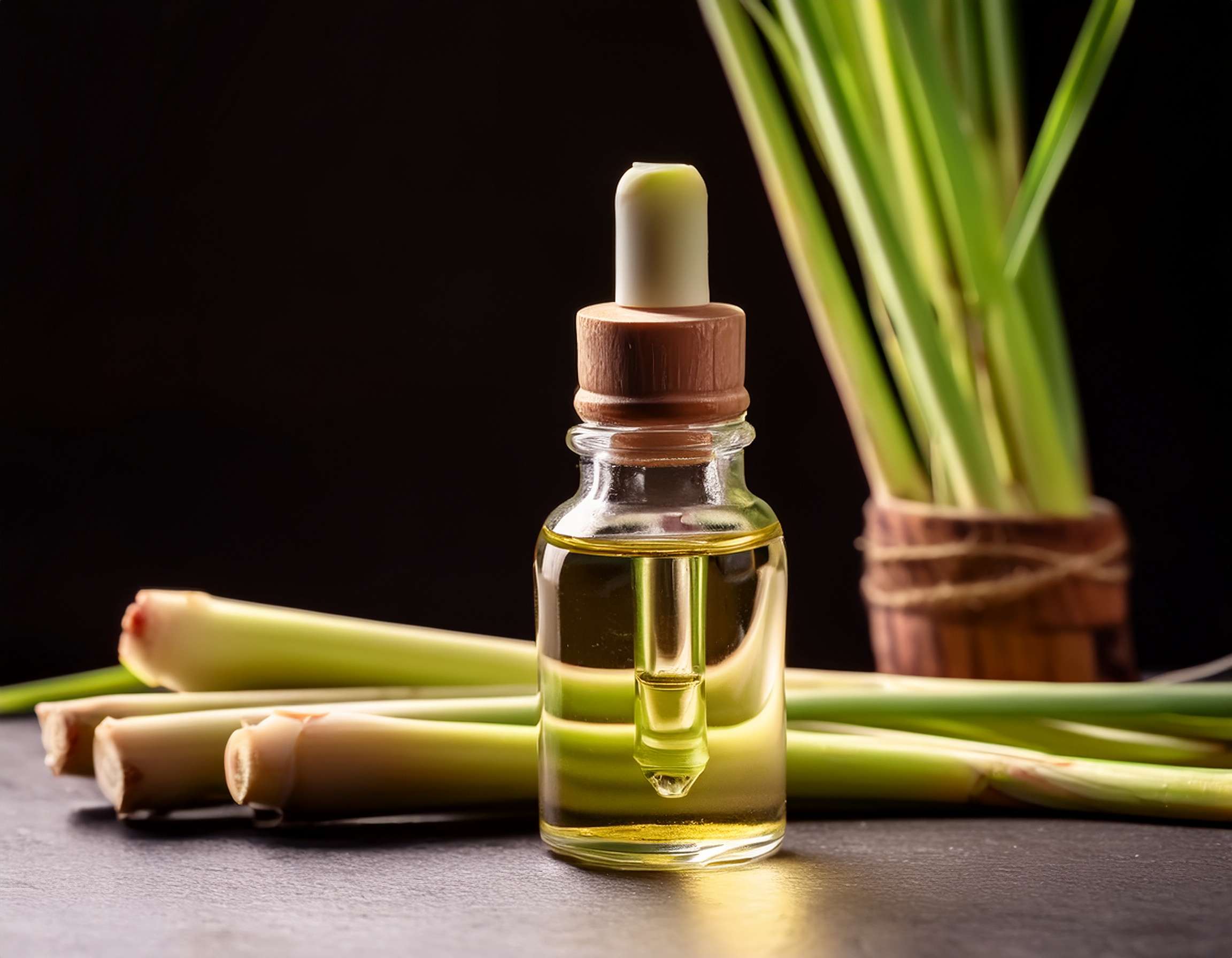
Sore shoulders after a long day, tight calves after a workout, stiff fingers when it’s cold out, pain has a way of shrinking your world. Lemongrass essential oil is a popular pick in natural routines because it smells clean, feels uplifting, and many people say it helps them feel looser and more comfortable.
Here’s the practical truth: lemongrass oil may support everyday comfort and help you feel less “puffy” or tense, but it won’t fix a torn muscle, treat an infection, or replace medical care. Think of it like a helpful sidekick, not the hero of the story.
Can Lemongrass essential oil help with pain relief and inflammation?
Lemongrass (commonly Cymbopogon citratus or Cymbopogon flexuosus) contains naturally active plant compounds that researchers often study for anti-inflammatory and antioxidant behavior. The big names you’ll see are citral (a mix of geranial and neral) and geraniol. In plain language, these compounds may help “turn down the volume” on some of the chemical signals linked to irritation and swelling.
That doesn’t mean lemongrass oil is a cure. It’s more accurate to say it can support comfort when used correctly, especially as part of a wider routine that includes rest, gentle movement, hydration, and professional help when needed.
People most often use lemongrass oil for:
- Post-workout muscle soreness (thighs, calves, shoulders)
- Neck and shoulder tension that builds from stress or screens
- Minor joint stiffness (hands, knees) that comes and goes
It’s less suited for:
- Severe injury (sharp pain, loss of movement, suspected fracture)
- Infection-related swelling (redness, heat, fever)
- Unexplained swelling that appears suddenly or keeps getting worse
If you’re looking for a broader view of oils people use for aches and stiffness, this post on top essential oils for joint pain relief can help you compare options and methods.
How it may work in the body
Inflammation is your body’s alarm system. When you strain a muscle, your immune system sends signals that pull in fluid and repair helpers. That’s useful, until the alarm stays loud and everything feels tender.
Lemongrass oil may help in two down-to-earth ways. First, its plant compounds show signs of calming some inflammation pathways in preclinical research. Second, the scent and massage ritual can relax the nervous system, which matters because tension often makes pain feel sharper.
Picture post-workout soreness. Your legs don’t only ache because you moved. They also feel worse when you’re stressed, dehydrated, and sleeping poorly. A diluted lemongrass massage doesn’t “erase” soreness, but it can help your body shift from clenched to calm, which often feels like real relief.
What the evidence looks like (and why it is limited)
Most lemongrass essential oil research is not the kind that gives perfect, universal answers. You’ll see:
- Lab studies (cells in dishes) looking at inflammatory markers
- Animal studies exploring swelling and pain behaviors
- Small human studies (often on massage, aromatherapy, or specific extracts)
- Long traditional use, which is meaningful, but not the same as clinical proof
Why doesn’t that translate cleanly to everyone? Because essential oils vary by plant type, harvest, storage, and chemistry. Bodies vary too. Sleep, diet, stress, hormones, and the actual cause of pain all change outcomes.
A helpful mindset is: use lemongrass oil as a supportive tool. If your pain is persistent, worsening, or confusing, treat the oil as comfort care while you address the root cause with a clinician.
Best ways to use lemongrass essential oil for pain relief at home
The best results usually come from simple, consistent methods, not using more drops. Lemongrass is potent and can irritate skin if you rush it. Start low, stay diluted, and keep your routine realistic.
Here are the most practical options:
- Topical dilution for targeted areas (neck, shoulders, calves, hands)
- Massage to ease tight tissues and improve perceived comfort
- Warm compress for sore muscles (gentle heat can feel amazing)
- Bath for overall tension (only if the oil is properly dispersed)
- Diffusion to support relaxation when stress is making pain feel louder
Choosing quality matters. Look for the Latin name (Cymbopogon citratus or Cymbopogon flexuosus), a brand that offers batch testing (often called GC/MS reporting), and a fresh, bright, citrus-grass aroma. If it smells stale, harsh, or “flat,” skip it.
If you’re building a basic home wellness stash, this guide to essential oils to stock in a natural first aid kit is a solid companion read.
Topical use: dilution, carrier oils, and patch testing
Lemongrass oil is one of those oils that teaches respect fast. Used “neat” (undiluted), it can cause burning, redness, or lingering irritation, even if you don’t have sensitive skin.
A simple dilution target:
- About 1% for sensitive skin, older adults, or frequent use (think 1 drop per 1 teaspoon carrier oil)
- About 2% for most adults (about 2 drops per 1 teaspoon carrier oil)
- Avoid going stronger unless a trained professional suggests it for your situation
Good carrier oils include fractionated coconut, jojoba, and sweet almond. Pick what your skin already likes.
Patch testing takes five minutes and can save you days of regret:
- Mix your diluted blend.
- Apply a small amount to the inner forearm.
- Leave it alone for 24 hours (no heavy sweating or exfoliating there).
- If you see itching, burning, swelling, or a rash, wash it off and don’t use that blend.
Massage and warm compress routine for sore muscles
Massage works best when you keep it gentle. You’re not trying to punish the knot out of your body. You’re inviting the tissue to soften.
A simple routine:
- Use it after activity (when muscles are warm) or at night (when you want to sleep).
- Massage diluted oil into the sore area for 2 to 5 minutes using slow, steady strokes.
- Follow with a warm compress for 5 to 10 minutes.
A sample blend (keep lemongrass the star):
- 2 drops lemongrass essential oil
- 1 drop lavender essential oil
- 2 teaspoons carrier oil
Finish with a glass of water and a minute of gentle stretching. Hydration and motion make the soothing effects last longer.
Diffusion for tension and stress that can make pain feel worse
Pain and stress feed each other. When you’re tense, your muscles guard. When your muscles guard, pain tends to stick around longer. Diffusing can’t “treat” pain, but it can help shift your mood and your breathing, which changes how your body experiences discomfort.
Basic diffusion tips:
- Diffuse 15 to 30 minutes, then take a break.
- Keep the room ventilated.
- Be careful with pets (especially cats) and keep diffusion optional, not forced.
A balanced blend that keeps lemongrass from feeling too sharp:
- Lemongrass: 2 drops
- Lavender: 2 drops
If you like a more cooling, spa-like profile for tension days, you may also enjoy learning about eucalyptus oil for muscle pain relief tips, since eucalyptus often blends well in post-workout routines.
Safety, side effects, and who should avoid lemongrass oil
Lemongrass oil is not “gentle just because it’s natural.” Skin irritation and sensitization are the most common issues, especially with frequent use, high drops, or poor dilution.
A quick clarity point: lemongrass is not a classic phototoxic citrus oil (like some expressed citrus peel oils). Still, irritation can happen, and irritated skin is more reactive to sun, heat, and friction. Treat it with care.
Be extra cautious (or avoid) if you are:
- Pregnant or breastfeeding (get professional guidance first)
- Using essential oils on children (many experts recommend waiting, and always using much lower dilutions)
- Managing asthma or scent-triggered migraines
- Living with pets that share close indoor air (cats are especially sensitive)
Medication and medical caution matters too. Talk to a clinician before regular use if you take blood thinners, diabetes meds, blood pressure meds, have liver conditions, or you’re preparing for surgery. Stop using and seek help if you have signs of an allergic reaction (hives, wheezing, facial swelling).
Common mistakes that lead to irritation
Most “bad reactions” come from a few predictable habits: using lemongrass undiluted, using too many drops because “more should work better,” applying on broken or freshly shaved skin, and using it under heavy heat (like a heating pad), which can push irritation faster.
Another common issue is using it daily without breaks. Skin can get sensitized over time, even if the first week felt fine. Also watch mixing it with strong exfoliants (retinoids, acids, harsh scrubs) on the same area.
Quick fixes are simple: drop your dilution to 1%, use it 3 to 4 times a week instead of every day, and keep it away from irritated skin. If burning happens, wash with soap and cool water, then apply a plain, gentle moisturizer.
When pain or swelling is a red flag
Some discomfort is normal. Some is your body asking for help.
Get medical care if you notice sudden severe pain, swelling with heat and redness, numbness or weakness, fever, shortness of breath, an injury with deformity, or pain that lasts more than a few weeks without improvement. Also be cautious with calf pain plus swelling (especially after travel) or any chest, jaw, or left arm pain.
Using an essential oil shouldn’t delay proper care. Comfort is great, but clarity is better.
Getting better results: pair lemongrass with simple anti-inflammatory habits
Lemongrass oil tends to work best when your basics are in place. Think of it as adding seasoning to a meal. It helps, but it can’t replace the main ingredients.
A few habits that pair well with aromatherapy:
- Gentle movement (walking, mobility work, light stretching)
- Sleep consistency (same bedtime most nights)
- Heat vs. cold (heat for tightness, cold for fresh swelling)
- Hydration (especially after exercise)
- Magnesium-rich foods (leafy greens, pumpkin seeds, beans)
- Stress tools (slow breathing, short outdoor time, journaling)
A simple 7-day comfort plan you can actually stick with
Try this for one week and keep notes on what changes. On two walk days, do a 2% diluted lemongrass massage on calves or shoulders after your shower. Keep it brief, then drink water and stretch for one minute.
On two evenings, use the warm compress routine on the area that nags you most, then skip oils the next day to give your skin a break. On one higher-stress day, diffuse a lemongrass and lavender blend for 20 minutes while you tidy, read, or do light mobility.
Leave at least two days oil-free. Track triggers like poor sleep, long screen time, or hard workouts. Comfort routines work better when they match your real life, not an imaginary perfect schedule.
Conclusion
Lemongrass essential oil can be a helpful add-on for sore muscles, tension, and mild inflammation, especially when you treat it like a strong plant concentrate and use it with care. Start with a low dilution, patch test, and keep your routine simple enough to repeat.
If you want the easiest next step, make a small diluted roll-on and use it 3 times a week after movement or before bed. Small habits, done consistently, often create the biggest shift in comfort. What kind of pain are you trying to manage right now: muscle soreness, tension, or mild joint stiffness?
Stay Connected for More Natural Living Inspiration
If you enjoyed this post about herbal wellness and love discovering natural ways to refresh your home and wellness, don’t miss out on future recipes and clean-living tips! Subscribe to the blog for weekly DIYs, wellness inspiration, and herbal remedies delivered straight to your inbox.
Don’t forget to visit my Amazon storefront for the links to my favorite essential oils, herbal teas, and natural recipes. I also create YouTube ambiance videos for sleeping; a channel I created to help people who have trouble sleeping. The link to all social media content is here.
Thanks for coming by!

Leave a Reply