
(DISCLAIMER: I am not a doctor, and you should consult your healthcare professional before starting any health regimen. Product links are commissioned and supports the blog)

A bright citrus scent can make a simple scalp massage feel like a small reset. Grapefruit essential oil benefits for hair center on that fresh, clean feeling, plus a light botanical touch for your usual wash-day routine.
Used thoughtfully, grapefruit essential oil can complement carrier oils, pre-shampoo treatments, and hair-end oils. It is a supportive cosmetic ingredient, not a stand-alone answer for ongoing scalp concerns or noticeable hair shedding. A qualified professional can help with care that fits your personal needs.
Start with a measured dilution, then let the scent and simple ritual do their work.
Key Takeaways
- Grapefruit essential oil brings a crisp citrus aroma that can make scalp and hair care feel lighter and more refreshing.
- A carefully diluted blend can support a clean, balanced-feeling scalp routine alongside gentle cleansing.
- Early 2022 mouse research created interest in grapefruit peel oil and hair growth, while human research is still limited.
- A 1% to 2% dilution is a practical range for many leave-on scalp blends.
- Cold-pressed or expressed grapefruit oil calls for sun care on treated, exposed skin.
- Patch testing, fresh oil, and a carrier oil create a comfortable starting point.
Grapefruit Essential Oil Benefits for Hair: What It May Do
Grapefruit essential oil comes from the peel of the grapefruit, often labeled Citrus grandis or Citrus paradisi. Its bright aroma fits especially well in a routine that feels weighed down by richer oils or heavy styling products.
The appeal is mostly cosmetic and aromatic. A consistent wash routine, gentle massage, and well-chosen carrier oil do much of the practical work, while grapefruit oil adds a concentrated citrus note.
May Give the Scalp a Fresh, Clean Feeling
Grapefruit oil has a sunny, tart scent that can make wash day feel more awake and refreshed. Add a small amount to a pre-shampoo carrier blend, and the aroma turns a basic scalp massage into a relaxing self-care step.
People who prefer lighter-feeling routines may enjoy it most in rinse-off products or short treatments. Jojoba and fractionated coconut oil both pair well with its fragrance because they have little scent of their own.
This fresh feeling is a sensory benefit. It can make caring for your hair more enjoyable without making medical claims about scalp conditions.
May Support a Healthy-Looking Scalp Routine
A scalp routine often works best when it stays simple: regular cleansing, light massage, gentle handling, and modest amounts of oil. Grapefruit essential oil can be part of that routine when it is fully blended into a carrier.
Its botanical and antioxidant appeal suits people who enjoy plant-based body care. Meanwhile, the carrier oil brings most of the softness, slip, and easy spread across the scalp and hair.
Use only a small amount of the blend. A light touch helps your hair look clean and polished without leaving the roots overly coated.
What the Early Hair-Growth Research Really Shows
A 2022 study published by Tạp Chí Y Dược Học Cần Thơ examined a product containing grapefruit peel essential oil and dried Gleditsia sinensis extract in shaved white mice. The authors, Nguyen, P. H. T., Nguyen, N. Q., Le, N. L. V., and Tran, T. N. T., reported faster regrowth, longer hair, and higher hair counts than in untreated mice.
That finding is interesting, especially for people exploring grapefruit essential oil benefits for hair. Still, the formula contained more than grapefruit oil, and the research involved mice rather than people.
Treat grapefruit oil as a pleasant addition to scalp care, with realistic expectations around hair growth. For more ideas on measured botanical blends, explore this rosemary essential oil scalp routine.
How to Use Grapefruit Essential Oil on Your Hair Safely
Essential oils are concentrated, so careful measuring keeps a blend pleasant and easy to use. Start with a low dilution, use a carrier oil, and give your skin time to show how it feels.
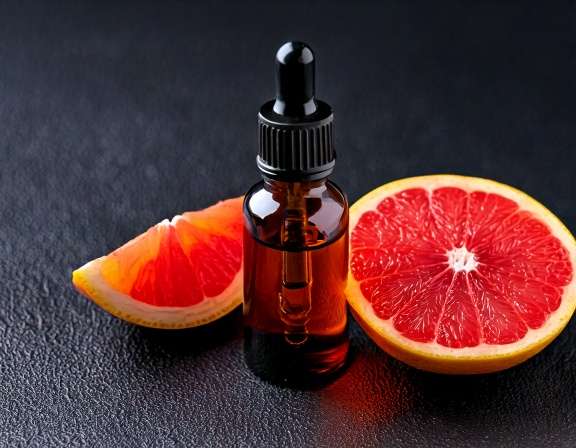
A small dark glass bottle, a dropper top, and a label with the mixing date make the routine easier to repeat.
Choose a Gentle 1% to 2% Dilution
For a simple home blend, 1 drop of grapefruit essential oil per teaspoon of carrier oil is close to a 1% dilution. Two drops per teaspoon is close to 2%.
For a 30 mL bottle, use about 6 drops for 1% or about 12 drops for 2%, then fill the bottle with carrier oil. Jojoba feels light, fractionated coconut stays liquid, and sweet almond oil offers a silky massage glide.
Mix the bottle thoroughly before each use. Apply only enough to lightly coat the scalp or ends, then adjust the amount at your next session. This beginner’s guide to essential oil dilution offers more help with carrier oils and easy ratios.
Protect the Scalp and Hairline From Sun Exposure
Cold-pressed or expressed grapefruit essential oil may increase sun sensitivity on skin that receives the blend. Keep treated skin out of direct sunlight and away from tanning beds for about 12 hours.
Give extra attention to the part line, hairline, temples, ears, neck, and hands. The sun-care point applies to skin contact, not simply to enjoying grapefruit oil in a diffuser.
Evening scalp massages work well for many people. A rinse-off pre-shampoo blend is another practical option when your day includes outdoor time. These essential oil skin safety tips can help you plan citrus oil use with confidence.
Steam-distilled citrus oils are generally considered far less phototoxic than cold-pressed oils, so checking the extraction method on the bottle matters.
Patch Test, Store It Well, and Use It Fresh
Patch test a small amount of your finished diluted blend on an inconspicuous area before using it across your scalp. Leave the area alone for 24 hours, then continue when your skin feels comfortable.
Keep blends away from eyes, broken skin, and already irritated areas. Store grapefruit oil and finished blends tightly closed in a cool, dark place, since exposure to heat, light, and air can age the oil.
Fresh oil supports a more comfortable topical experience. Personal questions around pregnancy, children, medications, or individual skin needs are a good reason to speak with a qualified professional. This guide on how to patch test essential oils offers a simple refresher.
Three Easy Grapefruit Essential Oil Hair Recipes
These beginner-friendly recipes use oil-based dilution rather than adding drops directly to shampoo or water. Patch test each finished blend, use fresh ingredients, and store any extra in a tightly closed dark glass bottle.
One Percent Grapefruit Scalp Massage Oil
This leave-on blend is light enough for a short evening massage or an overnight treatment when it feels comfortable.
Ingredients
- 6 drops grapefruit essential oil
- Jojoba oil or fractionated coconut oil, enough to fill a 30 mL dark glass bottle
Add the grapefruit essential oil to the bottle, then fill with your carrier oil and roll gently between your palms. Part the hair and apply a few drops across the scalp. Massage with soft fingertips for a minute or two, then leave it on for 30 minutes or overnight before shampooing as usual. This is about a 1% dilution. Keep treated skin away from direct sun for about 12 hours, especially when using cold-pressed or expressed grapefruit oil.
Two Percent Pre-Shampoo Scalp Blend
A pre-shampoo treatment suits anyone who enjoys the citrus ritual but prefers a shorter contact time on the scalp.
Ingredients
- 12 drops grapefruit essential oil
- Jojoba, sweet almond, or fractionated coconut oil, enough to fill a 30 mL dark glass bottle
Combine the oils in the bottle and swirl gently to mix. Apply a thin layer along the scalp, focusing on areas that enjoy a little massage, then let it sit for 20 to 30 minutes. Shampoo thoroughly and style as usual. The blend is about a 2% dilution, so a light application is plenty. Patch test first, store it cool and dark, and plan around 12 hours of sun care for any treated skin.
Simple Citrus Hair-End Oil
This tiny blend adds shine and a fresh scent to dry-looking lengths and ends. It works best on damp hair or after styling with heat-free methods.
Ingredients
- 1 drop grapefruit essential oil
- 1 teaspoon jojoba, sweet almond, or fractionated coconut oil
Blend the oils in a small clean dish or bottle, then rub a tiny amount between your palms. Smooth it over the last few inches of your hair, keeping the blend away from your eyes and exposed skin. This is close to a 1% dilution. Patch test before regular use, make a fresh batch as needed, and give the hairline, ears, neck, and hands about 12 hours of sun care if the oil reaches them.
How Grapefruit Oil Compares With Other Hair-Care Ingredients
Grapefruit essential oil works best as a small accent within a routine that already includes gentle shampoo, conditioner, and a carrier oil that suits your hair texture. Its scent and concentrated botanical character are its main strengths.
The key limitation is simple: human evidence for hair growth is still early. For that reason, a measured blend and enjoyable routine are better goals than chasing a dramatic result.
Grapefruit Oil Versus Plain Carrier Oils
Jojoba, fractionated coconut, and sweet almond oil give a scalp or hair blend its moisture, slip, and spreadability. Grapefruit essential oil adds citrus aroma and a small amount of concentrated peel oil.
Start with plain carrier oil if you want the simplest possible routine. Then add grapefruit oil at a carefully measured 1% to 2% dilution when you want a brighter sensory experience.
When a Rinse-Off Product Makes More Sense
A short pre-shampoo treatment or rinse-off hair product gives you the citrus experience without keeping oil on exposed scalp skin for long periods. This approach fits busy mornings and outdoor plans.
Finished commercial shampoos have carefully balanced formulas, so mixing large amounts of essential oil into the bottle can change how the product performs. A freshly mixed, properly diluted treatment gives you more control.
Frequently Asked Questions
Can grapefruit essential oil help hair grow faster?
A 2022 mouse study found encouraging growth-related results with a formula containing grapefruit peel essential oil and Gleditsia sinensis extract. Human evidence remains limited, so grapefruit oil is best enjoyed as a supportive scalp-care ingredient rather than a source of a guaranteed growth result.
Can I put grapefruit essential oil directly on my scalp?
Mix grapefruit essential oil with a carrier oil before topical use. A 1% to 2% blend is a practical range for many adults, and patch testing the finished blend helps you begin comfortably.
Does grapefruit essential oil make skin sensitive to sunlight?
Cold-pressed or expressed grapefruit oil may create sun sensitivity when it touches skin. Keep treated areas away from direct sunlight and tanning beds for about 12 hours, with added care around the hairline, ears, and neck.
Can I use grapefruit oil on my hair before going outside?
Hair lengths and ends are different from exposed skin, although oil can travel to the scalp, hairline, ears, neck, and hands. Evening use, covered treated skin, or a rinse-off blend are comfortable options for outdoor days.
How should I store grapefruit essential oil?
Keep grapefruit essential oil in a tightly closed dark glass bottle in a cool, dark place. Fresh oil and clean, small-batch blends support a pleasant routine and preserve the bright citrus scent.
A Bright Addition to Your Hair Routine
Grapefruit essential oil earns its place in hair care through its fresh scent, light feel, and easy pairing with nourishing carrier oils. Begin with a 1% to 2% dilution, patch test your blend, and use thoughtful sun care with cold-pressed or expressed oil.
One simple scalp massage oil or pre-shampoo treatment is enough to get started. Pay attention to how your scalp and hair feel, enjoy the citrus ritual, and keep expectations realistic around early hair-growth research.
Stay Connected for More Natural Living Inspiration
If you enjoyed this post about herbal wellness and love discovering natural ways to refresh your home and wellness, don’t miss out on future recipes and clean-living tips! Subscribe to the blog for weekly DIYs, wellness inspiration, and herbal remedies delivered straight to your inbox.
Don’t forget to visit my Amazon storefront for the links to my favorite essential oils, herbal teas, and natural recipes. I also create YouTube ambiance videos for sleeping; a channel I created to help people who have trouble sleeping. The link to all social media content is here.
Thanks for coming by!


Leave a Reply