
(DISCLAIMER: I am not a doctor, and you should consult your healthcare professional before starting any health regimen. Product links are commissioned and supports the blog)

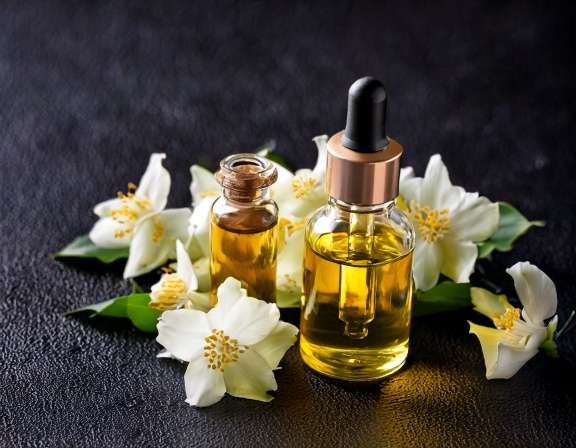
When the lights are low and the bath is warm, a soft jasmine aroma can make an ordinary evening feel special. A few drops of jasmine essential oil may help settle a busy mind while keeping your mood light and comfortable.
Many people search for jasmine oil because they want better sleep, less evening stress, or a more peaceful bedtime routine. Research points to possible benefits for anxiety and sleep quality, although the evidence remains limited. Used with care, jasmine can bring a gentle floral note to a simple home spa ritual without making you feel heavy or groggy.
Key Takeaways: What Jasmine Essential Oil Can Do for Your Night
- Jasmine aroma may reduce short-term anxiety and mental tension.
- Its floral scent can feel calming while still lifting your mood.
- Some studies connect jasmine fragrance with less movement during sleep.
- Diffusion, diluted massage, and light room sprays offer simple ways to use it.
- Good dilution and careful product selection matter, especially for sensitive skin.
A restful ritual starts with understanding why this scent can feel both soothing and bright.
Why Jasmine Essential Oil Feels So Calming and Uplifting at the Same Time
Jasmine essential oil has a rich floral aroma, but it doesn’t smell as dry or sleepy as some traditional bedtime scents. Its sweetness can create a warm, comforting mood, while its fresh floral character helps the room feel pleasant rather than dull.
That balance makes jasmine appealing after a demanding day. You may want to relax without losing all your energy or waking up feeling foggy. The scent can support the transition between daytime activity and nighttime rest.
The Scent, the Brain, and the Mood Shift
When you inhale jasmine, scent molecules reach receptors in the upper part of your nose. Signals then travel through the olfactory system, which connects closely with areas involved in emotion, memory, and stress responses.
That connection helps explain why a familiar fragrance can change your mood within minutes. Jasmine won’t erase a difficult day, but it may give your nervous system a softer sensory cue. Pairing it with slower breathing, warm water, or quiet music can make the shift feel more noticeable.
Some research suggests that jasmine aroma may influence brain activity linked with relaxation and alertness. The effect isn’t the same as taking a sedative. Instead, jasmine may help your body ease toward rest while your mood remains settled and pleasant.
What the Research Says About Restful Sleep
A 2023 systematic review and network meta-analysis found that jasmine, especially Jasminum sambac, ranked well for reducing state anxiety. However, the review also stressed that essential-oil research includes small and varied studies.
Earlier sleep research found that people exposed to jasmine fragrance moved less during the night and reported less anxiety upon waking. The scent didn’t necessarily increase total sleep time, but participants described sleep as more peaceful and felt more alert the following afternoon.
Other studies have linked jasmine aroma with less time awake after falling asleep and improved sleep measures in people with mild sleep disturbance. These findings support jasmine as a relaxation aid, not a treatment for insomnia. If poor sleep continues, look for medical guidance rather than relying on scent alone.
How to Use Jasmine Essential Oil for a Soothing Spa Night at Home
Start with one small ritual. You don’t need a bathroom filled with steam or an elaborate collection of products. A clean surface, warm towel, soft lamp, and gentle fragrance can create enough separation from the day’s demands.
Diffusion is the easiest option. Add the amount recommended by your diffuser, then run it for a short period before bedtime. Many people prefer 20 to 30 minutes rather than leaving a diffuser on all night. Keep the room ventilated and follow the device instructions.
For a more personal ritual, dilute jasmine oil in a carrier oil such as jojoba, sweet almond, or fractionated coconut oil. A 2% blend uses about 4 drops of essential oil in 1 teaspoon, or 5 milliliters, of carrier oil. Apply a small amount to your hands, shoulders, or pulse points after a warm shower. Never put jasmine oil directly on your skin.
A hand massage can work especially well when your thoughts feel scattered. Rub the diluted blend between your palms, then massage each hand slowly for several breaths. If you want more ideas for evening scents, try these calming essential oils for night anxiety.
Baths need extra care. Essential oils don’t dissolve in water, so drops placed directly into a tub can cling to your skin in concentrated spots. Use a properly formulated bath oil or dispersant according to its label. Keep the amount small, rinse afterward, and stop if your skin stings or feels irritated.
Finally, make the room support the scent. Lower bright lights, silence unnecessary notifications, and choose music without a strong beat. Jasmine works best as one part of a slower routine.
Three Easy Jasmine Spa Recipes for a More Restful Night
These small-batch recipes keep the scent light and the measurements simple. Use a dropper when possible, and prepare room sprays in clean, labeled bottles.
Bedtime Diffuser Blend With Jasmine and Lavender
This blend creates a soft floral atmosphere for the first part of your wind-down.
INGREDIENTS
- 2 drops jasmine essential oil
- 2 drops lavender essential oil
- A diffuser filled with the manufacturer’s recommended amount of water
Add the oils to the diffuser after filling it with water. Run the diffuser for 20 to 30 minutes while you change clothes, stretch, or read. Turn it off before you fall asleep unless the device specifically supports safe extended use. If the aroma feels strong, use one drop of each oil instead.
Lavender adds a familiar herbal note, while jasmine keeps the blend warmer and more uplifting. For pets, children, or anyone with respiratory sensitivity in the home, use extra caution and provide fresh airflow.
Jasmine Relaxation Massage Oil
This recipe makes a 2% dilution for a short hand, neck, or shoulder massage.
INGREDIENTS
- 1 teaspoon, or 5 milliliters, jojoba oil or fractionated coconut oil
- 2 drops jasmine essential oil
- A small, clean glass bottle
Pour the carrier oil into the bottle, add the jasmine, and roll the bottle gently between your hands. Apply a few drops to your palms after a warm shower or before journaling. Massage your hands, shoulders, or the sides of your neck with slow movements.
Patch test the blend on a small area of your inner arm first. Wait 24 hours for any reaction before using it more widely. Keep the bottle away from heat and light, and make a fresh batch if the scent or texture changes.
Soft Jasmine Pillow or Room Spray
A light spray can refresh the air without covering the room in perfume.
INGREDIENTS
- 1 ounce, or 30 milliliters, perfumer’s alcohol
- 1 ounce, or 30 milliliters, distilled water
- 6 drops jasmine essential oil
- 4 drops lavender essential oil
- A 2-ounce glass spray bottle
Add the alcohol to the bottle, then add the essential oils and swirl gently. Pour in the distilled water, close the bottle, and shake well. Shake again before every use because the ingredients can separate over time.
Spray once or twice into the air, or mist lightly over washable bedding from a distance. Don’t spray delicate fabrics without testing an unseen area first. Avoid spraying near your eyes, face, or pets, and never use the mixture as a skin product.
Safety, Quality, and Smart Buying Tips Before You Bring It Home
Jasmine can cost more than lavender, peppermint, or eucalyptus. True jasmine fragrance often comes from solvent extraction, so products may be labeled jasmine absolute rather than steam-distilled essential oil. A higher price can reflect the plant material and extraction process, but cost alone doesn’t prove quality.
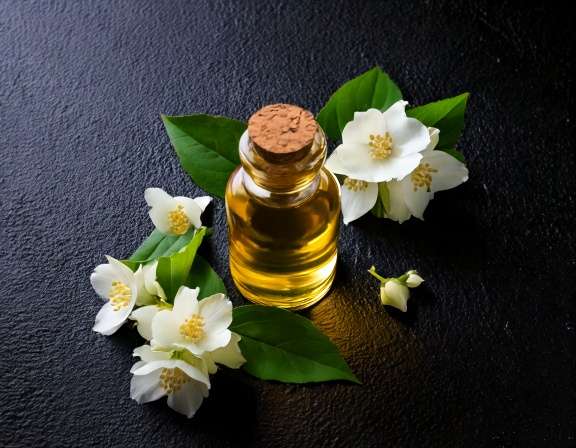
Look for a dark glass bottle, a clear ingredient list, the botanical name, and a batch or lot number. The label should identify the plant, such as Jasminum sambac or Jasminum grandiflorum. Avoid products that list vague fragrance ingredients, fillers, or undisclosed blends when you want a single oil.
Use less than you think you need. Strong fragrance can cause headaches or nausea, especially in a small bedroom. Keep oils away from children and pets, and never swallow them.
People with asthma, fragrance sensitivity, eczema, or reactive skin should start cautiously. Pregnant or nursing readers should ask a healthcare professional before using jasmine oil. Stop immediately if you notice rash, coughing, wheezing, dizziness, or eye irritation.
A Softer Way to End the Day
Jasmine essential oil may help ease short-term anxiety, create a more pleasant mood, and support a calmer approach to bedtime by promoting relaxation and reducing stress levels. Many individuals find that its soothing aroma, when diffused or applied topically, can transform their environment into a more tranquil space, which is particularly beneficial after a long, hectic day.
Research on sleep is promising in places, suggesting that the scent of jasmine can enhance sleep quality and duration; however, it doesn’t prove that jasmine can treat insomnia or replace professional care. Thus, while it can be a wonderful complementary option for achieving a peaceful night’s sleep, it should not be seen as a substitute for medical advice or treatment options for chronic sleep disorders.
Start with one small choice, such as a short diffuser session or a diluted hand massage. With warm light and fewer distractions, a few floral notes can turn a rushed evening into a softer one.
Stay Connected for More Natural Living Inspiration
If you enjoyed this post about herbal wellness and love discovering natural ways to refresh your home and wellness, don’t miss out on future recipes and clean-living tips! Subscribe to the blog for weekly DIYs, wellness inspiration, and herbal remedies delivered straight to your inbox.
Don’t forget to visit my Amazon storefront for the links to my favorite essential oils, herbal teas, and natural recipes. I also create YouTube ambiance videos for sleeping; a channel I created to help people who have trouble sleeping. The link to all social media content is here.
Thanks for coming by!

Leave a Reply