
(DISCLAIMER: I am not a doctor, and you should consult your healthcare professional before starting any health regimen. Product links are commissioned and supports the blog)

Key Takeaways
- Copaiba essential oil has a soft, woody-balsamic scent that works well in home sprays and evening baths.
- It comes from the resin of Copaifera trees and is often chosen for relaxation, skin support, and everyday comfort.
- Dilution matters. Essential oils should not go straight into bathwater or directly onto skin without a proper carrier.
- Home sprays need a simple base, usually distilled water plus witch hazel or alcohol, and they should be shaken before each use.
- Baths should stay gentle, especially if you have sensitive skin, young children in the home, or health concerns.
A soft scent can change the feel of a room fast. That’s part of why copaiba essential oil has become such a steady favorite in simple wellness routines.
If you’ve been curious about using it at home, you don’t need a long ingredient list or complicated method. Copaiba has a gentle, woody aroma, and many people like it because it feels easier to live with than sharper oils. The key is keeping things diluted, safe, and modest.
This guide keeps it practical, with easy spray recipes, calm bath ideas, and the few safety basics that matter most before you begin.
What makes copaiba essential oil worth trying?
Copaiba comes from the resin of Copaifera trees, which grow in South America. Once distilled, that resin produces an oil with a soft, warm scent that many people describe as woody, balsamic, and slightly sweet. It isn’t loud. It doesn’t take over a room. That’s often the appeal.
People usually reach for copaiba when they want an oil that feels calm and easy to use. It’s popular in skin care, massage blends, and quiet evening routines. One of its main natural compounds is beta-caryophyllene, which sounds technical, but the simple version is this: it’s one reason copaiba is often linked with soothing comfort.
Research as of April 2026 still points to promising skin and inflammation support, but human studies remain limited. That matters. Copaiba may be useful, but it isn’t a cure-all, and home use should stay realistic.
A gentle scent that blends well in everyday routines
Some essential oils hit the air like a bright light. Copaiba feels more like a lamp in the corner. It’s present, but soft.
That makes it a nice choice for room sprays, linen mists, and bath blends. If you’re new to aromatherapy, it can be easier to enjoy than sharper oils like tea tree, peppermint, or eucalyptus. It also layers well with lavender, sweet orange, cedarwood, and frankincense when you want a scent that feels rounded instead of sharp.
Why it is often used for skin and comfort support
Copaiba is often used in wellness routines for soothing comfort, mild skin support, and relaxation. Some people add a diluted amount to a carrier oil for massage. Others use it in gentle bath soaks or bedtime sprays because the scent feels grounding.
Still, gentle doesn’t mean careless. Even oils with a lower chance of irritation need smart use. If you’re building a simple home wellness shelf, it can fit nicely alongside other essential oils for a natural first aid kit, especially when you want options that feel supportive without being overpowering.
How to use copaiba essential oil safely in sprays and baths
Before any recipe, safety comes first. Essential oils are concentrated, and copaiba is no exception. Even though it’s often described as one of the gentler oils, it still needs dilution.
For skin use, mix it with a carrier like jojoba, sweet almond, or fractionated coconut oil. For sprays, use a base that helps disperse the oil, such as witch hazel or high-proof alcohol. Plain water alone doesn’t mix with oil well. Without a dispersing helper, those droplets can stay concentrated and land unevenly on skin, fabric, or surfaces.
Baths need extra care. Oil and water don’t naturally combine, so drops floating on the surface can cling to skin in one strong patch. That’s why it’s better to mix copaiba into a carrier or into dry salts before adding it to the tub. Even then, use small amounts.
If you have sensitive skin, keep formulas light and patch test first. For children, pregnancy, nursing, asthma, pets in close spaces, or any ongoing medical concern, it’s best to check with a qualified health professional before regular use. More isn’t better here. Small amounts are often plenty.
Simple dilution rules that help prevent irritation
A little copaiba goes a long way. For beginners, keep topical use around 1 to 2 percent, which is about 1 to 2 drops per teaspoon of carrier oil. For sprays, light formulas often work best, around 6 to 18 drops per ounce depending on how soft or noticeable you want the scent.
Start low. You can always make the next batch a touch stronger. It’s harder to fix a spray or bath blend that’s already too heavy.
If you’re using a new fabric, product base, or skin blend, test a small spot first. That extra minute can save you from irritation or stains.
Bath safety basics people often forget
The most common mistake is also the easiest one to avoid.
Never drop essential oil straight into bathwater and climb in.
Mix the oil into bath salts or a tablespoon of carrier first. Keep the tub floor in mind too, because oils can make it slippery. If your skin starts to feel hot, itchy, or uncomfortable, get out, rinse off, and stop using the blend.
A short soak is enough. Ten to fifteen minutes often feels better than a long bath packed with too much oil.
Easy copaiba spray recipes for a fresher home
Home sprays are one of the easiest ways to use copaiba essential oil. They’re quick to make, easy to adjust, and gentler than many direct skin uses when you keep the formula light.
Use a clean glass spray bottle if possible, especially for frequent use. Dark glass is helpful for storage, but clear glass is fine if you keep it out of heat and direct sun. In every case, shake well before spraying.
A basic room spray for everyday freshness
This is the one to make if you want a soft, lived-in freshness after cleaning or before guests arrive.
You’ll need:
- 2 ounces distilled water
- 1 teaspoon witch hazel or vodka
- 10 drops copaiba essential oil
- 4 drops sweet orange essential oil (optional)
Add the witch hazel and oils to the bottle first, then pour in the water. Cap and shake well.
Mist into the air, not directly onto polished wood, pets, or food surfaces. If the scent feels too light, add 2 more drops of copaiba next time, not all at once. If you enjoy easy scent blends for the home, you may also like these DIY non-toxic cleaning products with essential oils.
A linen spray for sheets, pillows, and soft spaces
For bedrooms, softer is better. Linen sprays should freshen fabric, not soak it.
Try this simple blend:
- 3 ounces distilled water
- 2 teaspoons witch hazel
- 12 drops copaiba essential oil
- 6 drops lavender essential oil
Shake well, then mist lightly over sheets, pillowcases, or a fabric chair from several inches away. Let the fabric dry before lying down. This blend works best when used sparingly. Think of it like a quiet background scent, not perfume for the whole room.
If you have delicate fabric, test a hidden area first.
A quick pillow mist for a calmer evening
A pillow mist is basically a smaller, lighter linen spray with a bedtime mood. Keep the scent soft so it helps you settle instead of pulling your attention.
Use:
- 1 ounce distilled water
- 1 teaspoon witch hazel
- 4 drops copaiba essential oil
- 2 drops cedarwood or lavender
Shake before each use. Spray once or twice onto the air above the pillow, or lightly onto the pillowcase well before bedtime. Don’t oversaturate fabric, and don’t spray near your eyes.
This small bottle is handy if you want a simple wind-down routine without filling the whole bedroom with scent.
Simple copaiba bath ideas for relaxation and self-care
Baths can feel soothing, but they need a little more care than sprays. The goal isn’t a strong aroma cloud. The goal is a gentle soak that doesn’t irritate skin.
A good rule is to mix copaiba into dry salts or a carrier before it reaches the bathwater. That spreads it more evenly and lowers the chance of concentrated droplets touching your skin.
A calming bath soak with Epsom salt
Here’s an easy formula for one bath:
- 1 cup Epsom salt
- 1 tablespoon unscented bath salt, optional
- 4 drops copaiba essential oil
- 1 teaspoon jojoba oil or fractionated coconut oil
Mix the oil with the carrier first. Stir that into the salt until it looks evenly distributed. Add the blend to warm bathwater right before getting in.
Dry ingredients help break up the oil more evenly than dropping it in alone. Step into the bath slowly, soak for about 10 to 15 minutes, and rinse off after if your skin prefers it. If you want more examples of comfort-focused bath use, these bath blends for muscle relaxation may give you a few gentle ideas.
A simple bath ritual for winding down at night
You don’t need a full spa setup for this to feel good. Keep the lights low, leave your phone outside the bathroom if you can, and let the bath stay short.
A modest evening blend can be as simple as 3 drops of copaiba mixed into 1 tablespoon of carrier oil, then stirred into a cup of unscented bath salts. Add that to warm water, settle in, and stop while it still feels pleasant.
That small routine often works better than overdoing it. A short bath, quiet air, and a soft scent can be enough.
How to choose, store, and get the most from your oil
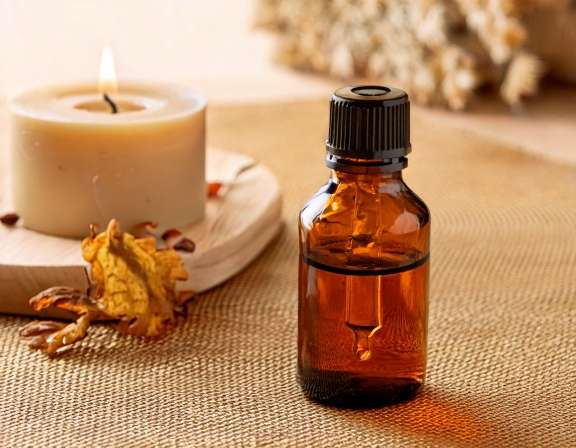
When buying copaiba essential oil, read the label closely. Look for the botanical source, a clear ingredient listing, and a company that describes purity and extraction without vague promises. The scent should smell soft and resinous, not harsh or synthetic.
Store the bottle in a cool, dark place with the cap tightly closed. Heat, light, and air can wear down the oil faster over time. If the scent changes sharply or smells off, it’s better to replace it.
The nice thing about copaiba is that a small bottle can last a long time. Most home recipes use only a few drops. That’s useful if you’re trying to build a simple routine without buying a shelf full of products.
For blending, pair it with other gentle oils rather than overpowering ones. Lavender is a classic bedtime match. Sweet orange brightens a room spray. Cedarwood adds warmth. Keep the blend modest, and copaiba usually does the rest.
Conclusion
Copaiba essential oil doesn’t need a complicated setup to be useful. In home sprays and baths, it works best when you keep things simple, diluted, and light.
Start with one recipe, not five. A small room spray or gentle bath soak is enough to learn how the scent feels in your space and on your skin.
That steady, simple approach is often what makes natural home care feel sustainable. Calm routines don’t have to be elaborate to feel good.
Stay Connected for More Natural Living Inspiration
If you enjoyed this post about herbal wellness and love discovering natural ways to refresh your home and wellness, don’t miss out on future recipes and clean-living tips! Subscribe to the blog for weekly DIYs, wellness inspiration, and herbal remedies delivered straight to your inbox.
Don’t forget to visit my LinkTree for the links to my favorite essential oils, herbal teas, natural recipes, YouTube ambiance videos for sleeping; a project I created to help with insomnia symptoms and the second channel, Rooted in Nature YouTube Channel both channels feature herbal recipes for wellness and home. And if you’re interested in essential oils along with herbal teas, feel free to visit my other websiteDI Writes and Blogs.
Thanks for coming by!


Leave a Reply