
(DISCLAIMER: I am not a doctor, and you should consult your healthcare professional before starting any health regimen.)

A migraine can turn an ordinary afternoon into a search for darkness, silence, and a cool cloth. When an attack begins, some people find that essential oils for migraines add a small measure of comfort alongside their usual care.
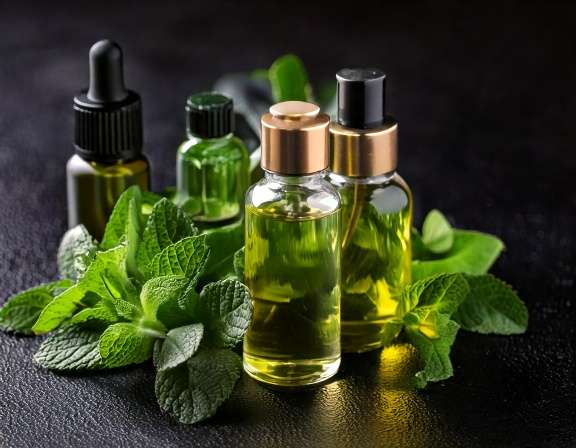
Peppermint essential oil can offer a cooling touch when used in a diluted skin blend. Lavender essential oil often suits a gentler inhalation routine. A little preparation makes it easier to use both oils safely when you need calm most.
Key Takeaways for Using Essential Oils Safely
- Diluted peppermint may create a cooling sensation on the neck, shoulders, or temples.
- Lavender can support a calming inhalation ritual during the early stages of discomfort.
- Never apply essential oils undiluted to your face, scalp, or body.
- Keep every blend away from your eyes, nostrils, mouth, and broken skin.
- Do a patch test before trying a new oil or carrier oil on a larger area.
- Seek medical care for an unusual, severe, sudden, or worsening headache.
A mild scent and a low dilution are usually more pleasant than a powerful blend. Migraine care should feel soothing, not overwhelming.
Essential Oils for Migraines: What Peppermint and Lavender Can Offer
Essential oils may support comfort during a migraine, but they don’t address the underlying neurological process that causes an attack. Use them as one optional part of your personal plan, alongside rest, hydration, prescribed medication, or other care your clinician recommends.
Peppermint essential is often the practical choice for topical comfort. Its menthol content creates a cool, fresh feeling that many people enjoy on tense shoulders, the back of the neck, or the temples. That cooling feeling can be welcome when your head feels hot or heavy, although it doesn’t treat the source of the migraine.
Lavender essential oil is often better as a soft inhalation option. Its floral scent may help create a calmer atmosphere when stress, poor sleep, or muscle tension are part of your migraine pattern. However, scent sensitivity, also called osmophobia, is common during migraine attacks. A smell that feels peaceful on a normal day can feel far too strong during an active attack.
| Oil | Best starting method | Practical reason to try it |
|---|---|---|
| Peppermint | Low-dilution topical blend | Offers a cooling sensation on the neck, shoulders, or temples |
| Lavender | Tissue, personal inhaler, or brief diffuser use | Supports a calmer, quieter breathing routine |
For more ideas on safe peppermint and lavender oil use, keep your routine simple and introduce one method at a time.
Why Peppermint Is Often Chosen for Topical Use
A diluted peppermint blend feels cool on the skin, which can make neck tightness and forehead pressure feel less intrusive. People commonly use a small amount at the base of the skull, on the back of the neck, across the shoulders, or carefully on the temples.
The temple and forehead area needs extra care because it sits close to the eyes. Use a low dilution, keep your hands clean, and never rub the blend near your lash line. Strong peppermint vapor can also irritate the nose or throat, so more oil won’t produce better comfort.
When Lavender May Be the Gentler Aromatherapy Option
Lavender works well on a tissue, cotton pad, or personal inhaler because you can control the distance and intensity. Sit in a dim, quiet room and take slow, ordinary breaths for 10 to 15 minutes.
Start with one drop if smells often trigger nausea or worsen your pain. Stop right away if the aroma makes the attack feel sharper. On scent-sensitive days, a scent-free room is the better choice.
How to Use Essential Oils During a Migraine
The right method depends on your skin, scent tolerance, and the kind of comfort you want. A roll-on provides a cool touch, while lavender inhalation creates a softer sensory routine. Use clean bottles, measure drops carefully, and label every blend.
A Low-Dilution Peppermint Roll-On for Temples and Neck
Ingredients
- 2 drops peppermint essential oil
- Jojoba oil or fractionated coconut oil
- One 10 mL glass roll-on bottle
Add the peppermint to the roll-on bottle, then fill the rest with your carrier oil. This makes a low facial dilution close to 1 percent. Close the bottle and roll it gently between your palms to mix.
Apply a small amount to the sides of your neck, the base of your skull, or your shoulders. If your skin tolerates it, place only a tiny amount on each temple, well away from the eyes. Keep your eyes closed while applying, then wash your hands with soap and water. Give the blend 10 to 15 minutes before deciding whether you want another small application.
A Simple Lavender Inhalation Method
Ingredients
- 2 drops lavender essential oil
- One tissue, cotton pad, or blank personal inhaler
Place the lavender on the tissue or cotton pad, then hold it a few inches below your nose. Breathe normally for 10 to 15 minutes while resting in a calm space. If you use a personal inhaler, add the drops to its cotton wick according to the product directions.
People with scent sensitivity should begin farther away, perhaps at arm’s length. Move it closer only if the aroma feels comfortable. Stop if you notice increased nausea, dizziness, coughing, or head pain. You don’t need to hold the tissue against your nose for the method to work.
A personal inhaler can also be useful away from home. These essential oil inhaler safety tips can help you use one gently and hygienically.
A Cooling Peppermint and Lavender Shoulder Blend
Ingredients
- 3 drops peppermint essential oil
- 3 drops lavender essential oil
- 1 ounce jojoba oil or fractionated coconut oil
- One clean 1-ounce bottle
Add the essential oils to the bottle, then pour in the carrier oil and cap it securely. This is a conservative 1 to 2 percent blend, with about 1 percent total dilution. Roll or shake the bottle lightly before each use.
Massage a small amount into your shoulders, upper back, and the back of your neck for several minutes. Keep this blend off your face if your skin is reactive or you worry about accidental eye exposure. Gentle pressure, a darkened room, and relaxed breathing may matter as much as the aroma itself. Stop if the scent becomes distracting rather than comforting.
During a migraine, a blend should stay in the background. If you notice the oil more than the relief routine, use less or switch to fresh air.
Essential Oil Safety, Dilution, and When to Get Help
Dilution protects your skin while still allowing you to enjoy the scent and feel of an oil. A useful guide is about 6 drops per ounce of carrier oil for 1 percent dilution and about 12 drops per ounce for 2 percent. Keep facial use at the lower end, especially with peppermint.
Don’t apply undiluted oils to skin. Also avoid the eyes, lips, nostrils, mouth, mucous membranes, and irritated or broken skin. If you use a diffuser, choose a brief session in a ventilated room rather than filling a closed space with fragrance.
Check with a qualified clinician or pharmacist before using new essential oils if you are pregnant, breastfeeding, managing asthma, epilepsy, chronic respiratory disease, medication use, or known allergies. Use extra caution around children, since peppermint’s strong menthol aroma may not suit them.
How to Choose a Carrier Oil and Test Your Skin
Jojoba and fractionated coconut oil are easy, light carrier oils for roll-ons and massage blends. The safest option is one your skin already tolerates well. Write the oil names and the date on each bottle so you know what is inside.
For a patch test, apply a small amount of your finished diluted blend to the inner forearm. Wait 24 hours and watch for redness, itching, burning, swelling, or rash. Wash the spot and stop using the blend if irritation appears. Natural products can still cause skin reactions.
Signs You Should Stop the Blend or Seek Medical Care
Stop using an oil immediately if you feel burning, develop a rash, cough, wheeze, become dizzy, or notice worsening nausea or pain. Open a window, move to fresh air, and wash off topical oil with soap and water.
Some headaches need medical attention instead of home comfort measures. The American Migraine Foundation advises urgent evaluation for a sudden severe headache, new weakness, confusion, fainting, seizure, speech or vision changes, or fever with a stiff neck. Get prompt care after a head injury, for a new headache pattern, or when pain keeps worsening or differs from your usual migraine.
Frequently Asked Questions
Can peppermint oil stop a migraine?
Diluted peppermint essential oil may provide cooling comfort for some people, but it can’t be promised to stop a migraine. Use it as an add-on to your established migraine plan.
Is lavender better for migraines than peppermint?
Both essential oils comes with its advantages. Lavender is often a practical choice for gentle inhalation, while peppermint is more often used in a carefully diluted topical blend. Your scent preferences and migraine triggers should guide the choice.
Should I apply essential oil to my forehead or inhale it?
A low-dilution peppermint blend may be used sparingly on the temple area, far from the eyes. Lavender inhalation is often easier for people with sensitive skin. Choose one gentle method at a time, so you can notice how your body responds.
How many drops of essential oil should I use?
For topical blends, use about 6 drops per ounce of carrier oil for 1 percent dilution or 12 drops for 2 percent. A tissue inhalation needs only 1 to 2 drops. Never place essential oil inside your nose.
Can essential oils make a migraine worse?
Yes, strong aromas can worsen symptoms for people with osmophobia or nausea during an attack. Start with a small amount, use fresh air, and stop at the first sign of discomfort. A scent-free rest period may feel best on those days.
A Gentle Place in Your Migraine Routine
Start early and keep the routine light. Choose peppermint essential oil for cautious, diluted topical comfort or lavender essential oil for gentle inhalation, then protect your eyes and stop if symptoms worsen.
Track the oil, amount, method, and timing that feel best alongside your usual migraine care. Safe aromatherapy can be a calming part of self-care, while severe or unfamiliar headaches always deserve professional medical attention.
Stay Connected for More Natural Living Inspiration
If you enjoyed this post about herbal wellness and love discovering natural ways to refresh your home and wellness, don’t miss out on future recipes and clean-living tips! Subscribe to the blog for weekly DIYs, wellness inspiration, and herbal remedies delivered straight to your inbox.
Don’t forget to visit my Amazon storefront for the links to my favorite essential oils, herbal teas, and natural recipes. I also create YouTube ambiance videos for sleeping; a channel I created to help people who have trouble sleeping. The link to all social media content is here.
Thanks for coming by!

Leave a Reply