
(DISCLAIMER: I am not a doctor, and you should consult your healthcare professional before starting any health regimen. Product links are commissioned and supports the blog)

Imagine sipping a warm cup of raspberry leaf tea, feeling nourished from the inside out. This herbal brew is more than just a tasty treat; it’s a powerhouse for women’s health. From easing menstrual cramps to supporting pregnancy and postpartum recovery, its benefits are profound. Are you ready to discover how this simple tea can enhance your wellness routine? Let’s explore the best ways to brew it and when you might need expert advice to maximize its potential. Learn more about the benefits of raspberry leaf tea.
Raspberry leaf tea is a beloved herbal infusion with a rich history and numerous health benefits. Let’s explore what makes this tea special, its nutritional profile, and its traditional uses.
What is Raspberry Leaf Tea?
Raspberry leaf tea is an herbal infusion made from the leaves of the red raspberry plant (Rubus idaeus). This caffeine-free beverage has been used for centuries as a natural remedy, particularly for women’s health.
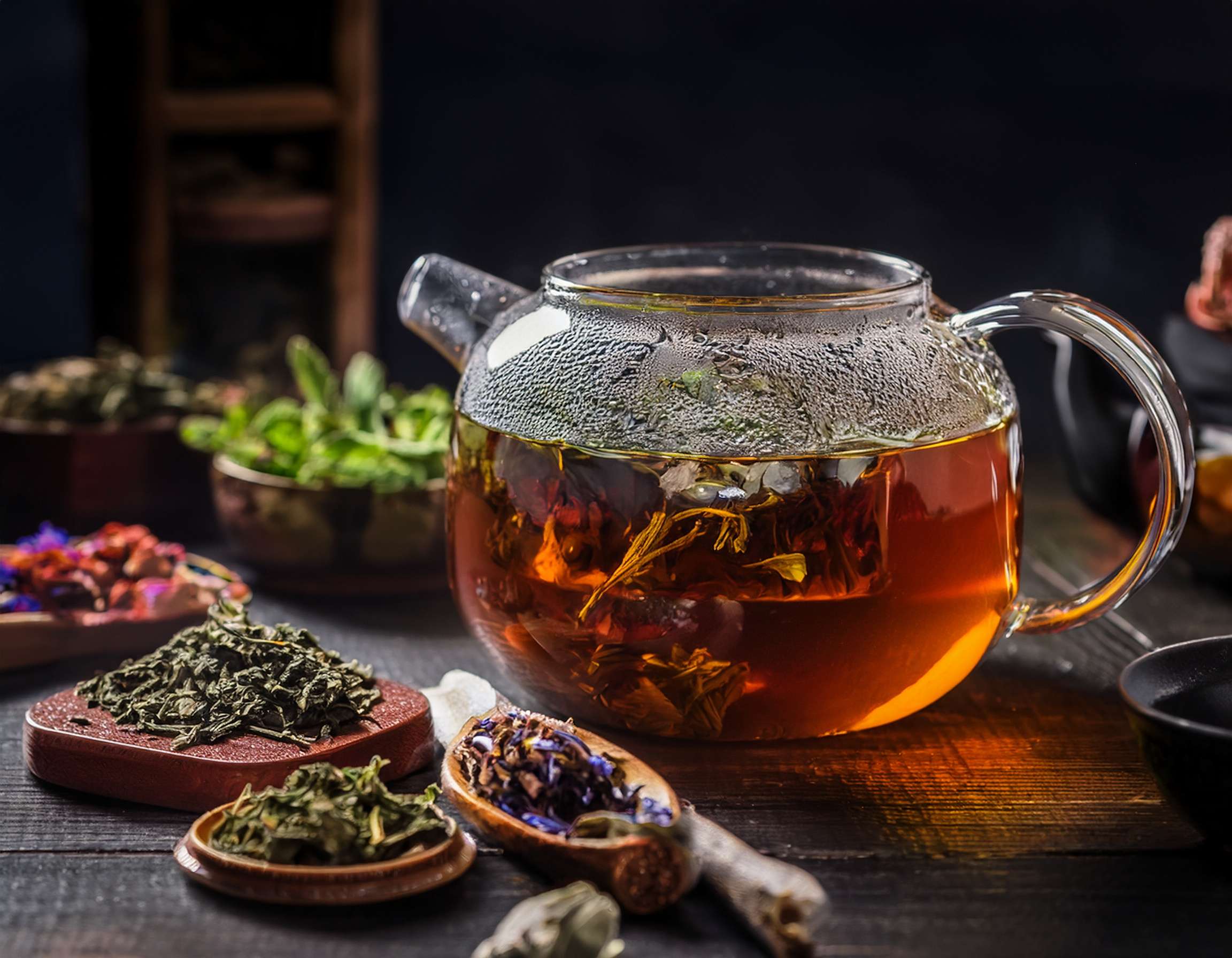
The tea is known for its mild, earthy flavor with subtle sweet notes. It’s often described as similar to black tea but without the bitterness. Many people enjoy it hot or iced, making it a versatile addition to any wellness routine.
Raspberry leaf tea is available in loose leaf form or convenient tea bags, making it easy to incorporate into your daily life.
Nutritional Profile and Benefits
Raspberry leaf tea boasts an impressive nutritional profile, packed with vitamins, minerals, and beneficial plant compounds. This herbal infusion is a natural source of:
- Vitamins: C, E, and B-complex vitamins
- Minerals: Iron, calcium, magnesium, and potassium
- Antioxidants: Flavonoids and tannins
These nutrients contribute to the tea’s potential health benefits, which include supporting women’s reproductive health, boosting the immune system, and promoting overall wellness.
Studies have shown that raspberry leaf tea may help reduce inflammation, support digestive health, and even aid in maintaining healthy blood sugar levels.
Historical Uses and Traditions
Raspberry leaf tea has a long history of use in traditional medicine, dating back centuries. Native American tribes were among the first to recognize its medicinal properties, using it for various women’s health concerns.
In European folk medicine, raspberry leaf tea was often referred to as the “woman’s herb” due to its reputation for supporting reproductive health. Midwives and herbalists have long recommended it for:
- Easing menstrual discomfort
- Supporting pregnancy and childbirth
- Aiding postpartum recovery
Today, many women continue to turn to this time-honored remedy as a natural approach to supporting their health and well-being throughout different life stages.
Menstrual Health Support
Raspberry leaf tea has gained popularity for its potential to support menstrual health. Let’s explore how this herbal remedy can help regulate your cycle, ease discomfort, and support hormonal balance.
Regulating Your Cycle Naturally
Raspberry leaf tea may help regulate menstrual cycles by supporting the uterine muscles and promoting hormonal balance. Its natural compounds work in harmony with the body’s systems.
Many women report more regular and predictable cycles after incorporating raspberry leaf tea into their routines. This can be particularly beneficial for those with irregular periods or those looking to track their fertility.
It’s important to note that while many find relief with raspberry leaf tea, results can vary. Consistent use over time may yield the best results.
Easing Menstrual Discomfort
One of the most celebrated benefits of raspberry leaf tea is its potential to alleviate menstrual discomfort. The tea’s natural compounds may help reduce cramping and bloating associated with menstruation.
Research suggests that the fragarine compound in raspberry leaves can help tone and relax uterine and pelvic muscles. This may lead to less intense cramps and a more comfortable menstrual experience.
Many women find that drinking raspberry leaf tea in the days leading up to and during their period provides noticeable relief from common menstrual symptoms.
Supporting Hormonal Balance
Raspberry leaf tea may play a role in supporting hormonal balance, which is crucial for overall reproductive health. Its rich nutrient profile contributes to this balancing effect.
The tea contains compounds that may help regulate estrogen levels, potentially easing symptoms of hormonal imbalance such as mood swings and breast tenderness.
Regular consumption of raspberry leaf tea might also support the body’s natural hormone production and regulation processes, contributing to overall reproductive wellness.
Pregnancy and Postpartum Benefits
Raspberry leaf tea has long been associated with pregnancy and postpartum care. Let’s explore how this herbal remedy can support expectant mothers and new moms.
Pregnancy Support and Preparation
Many midwives and herbalists recommend raspberry leaf tea during pregnancy, particularly in the third trimester. It’s believed to help prepare the uterus for labor and delivery.
The tea may strengthen uterine muscles, potentially leading to more efficient contractions during labor. Some studies suggest it might reduce the likelihood of interventions during childbirth.
However, it’s crucial to consult with a healthcare provider before using raspberry leaf tea during pregnancy, as individual circumstances can vary.
Postpartum Recovery Aid
After childbirth, raspberry leaf tea can be a valuable ally in postpartum recovery. Its nutrient-rich profile supports overall healing and replenishment.
The tea may help tone the uterus, potentially reducing postpartum bleeding and supporting the body’s return to its pre-pregnancy state. Many new mothers find it soothing and restorative during this transitional period.
Some sources suggest that raspberry leaf tea might also support milk production in breastfeeding mothers, though more research is needed in this area.
Safe Usage During Pregnancy
While raspberry leaf tea is generally considered safe, it’s important to use it wisely during pregnancy. Here are some guidelines:
- Always consult your healthcare provider before adding raspberry leaf tea to your pregnancy routine.
- Most experts recommend waiting until the second or third trimester to start drinking the tea.
- Begin with small amounts and gradually increase intake if tolerated well.
Remember, every pregnancy is unique, and what works for one person may not be suitable for another. Safety and individual health should always be the top priority.
Wellness and Daily Use
Beyond its specific benefits for women’s reproductive health, raspberry leaf tea can be a valuable addition to your daily wellness routine. Let’s explore how it can enhance overall well-being and the best ways to incorporate it into your daily life.
Enhancing Overall Well-being
Raspberry leaf tea offers a range of benefits that contribute to overall wellness. Its rich nutrient profile supports various bodily functions and may boost general health.
Regular consumption of this herbal tea might help strengthen the immune system, thanks to its high vitamin C content. It’s also known for its potential to improve digestion and reduce inflammation in the body.
Many people report feeling more energized and balanced when they include raspberry leaf tea in their daily routine. Its caffeine-free nature makes it a great option for those looking to reduce their caffeine intake while still enjoying a warm, comforting beverage.
Brewing Raspberry Tea Tips
To get the most out of your raspberry leaf tea, follow these simple brewing tips:
- Use 1-2 teaspoons of dried raspberry leaves per cup of water.
- Steep in hot (not boiling) water for 5-10 minutes.
- Strain and enjoy hot, or chill for a refreshing iced tea.
For a stronger infusion, you can let the tea steep for up to 15 minutes. Experiment with different steeping times to find your preferred flavor intensity.
Consider adding a touch of honey or lemon to enhance the taste if desired. Some people enjoy blending raspberry leaf tea with other herbs like peppermint or chamomile for added flavor and benefits.
Incorporating into Daily Routine
Making raspberry leaf tea a part of your daily routine can be simple and enjoyable. Here are some ideas:
- Start your day with a warm cup of raspberry leaf tea instead of coffee.
- Enjoy it as an afternoon pick-me-up or a soothing bedtime beverage.
- Use it as a base for homemade iced tea during warmer months.
Remember, consistency is key when it comes to reaping the benefits of herbal remedies. Aim to drink 1-3 cups daily, adjusting based on your individual needs and preferences.
Practical Advice and Considerations
While raspberry leaf tea offers numerous potential benefits, it’s important to use it wisely and be aware of any precautions. Let’s discuss optimal serving sizes, safety considerations, and when to seek professional advice.
Optimal Serving Sizes and Safety
For most adults, consuming 1-3 cups of raspberry leaf tea daily is considered safe. However, individual needs may vary based on factors such as health status and pregnancy.
Here’s a general guide for serving sizes:
| Life Stage | Recommended Daily Intake |
|---|---|
| General use | 1-3 cups |
| Pregnancy (2nd/3rd trimester) | 1-2 cups (consult healthcare provider) |
| Postpartum | 2-3 cups |
It’s crucial to start with smaller amounts and gradually increase intake to assess your body’s response. While raspberry leaf tea is generally well-tolerated, some people may experience mild side effects like nausea or loose stools.
When to Consult a Healthcare Provider
While raspberry leaf tea is a natural remedy, it’s not suitable for everyone. Consult a healthcare provider before using raspberry leaf tea if you:
- Are pregnant or trying to conceive
- Have a history of hormone-sensitive conditions
- Are taking medications that may interact with herbal supplements
- Have any existing health conditions or concerns
Professional guidance is particularly important during pregnancy, as the effects of raspberry leaf tea can vary based on individual circumstances and health status.
Health Tips for Maximum Benefits
To maximize the benefits of raspberry leaf tea and support overall wellness:
- Choose high-quality, organic raspberry leaf tea to avoid potential contaminants.
- Stay hydrated by drinking plenty of water alongside your tea consumption.
- Combine raspberry leaf tea with a balanced diet and regular exercise for optimal health.
- Listen to your body and adjust your intake based on how you feel.
Remember, while raspberry leaf tea can be a valuable addition to your wellness routine, it’s not a substitute for a healthy lifestyle or professional medical advice. Use it as part of a holistic approach to health and well-being.
Conclusion
Raspberry leaf tea stands as a testament to the power of nature’s remedies, offering a wealth of benefits for women’s health and overall wellness. From easing menstrual discomfort to supporting pregnancy and postpartum recovery, this ancient herbal infusion continues to be a trusted ally in various stages of life. By incorporating raspberry leaf tea into your daily routine, you can harness its nutritional bounty and soothing properties while embracing a natural approach to health. As always, ensure to use it wisely, consulting with healthcare professionals when necessary, and enjoy the rich, earthy flavors that have brought comfort and relief to generations before us.
Stay Connected for More Natural Living Inspiration
If you enjoyed this post about herbal wellness and love discovering natural ways to refresh your home and wellness, don’t miss out on future recipes and clean-living tips! Subscribe to the blog for weekly DIYs, wellness inspiration, and herbal remedies delivered straight to your inbox.
Don’t forget to visit my Amazon storefront for the links to my favorite essential oils, herbal teas, and natural recipes. I also create YouTube ambiance videos for sleeping; a channel I created to help people who have trouble sleeping. The link to all social media content is here.
Thanks for coming by!


Leave a Reply