

(DISCLAIMER: I am not a doctor, and you should consult your healthcare professional before starting any health regimen.)

Flu season can turn bedtime into a long stretch of mouth breathing, throat tickles, and restless wake-ups. A cool eucalyptus scent or warm cup of tea may make those hours feel easier, but essential oils for flu don’t kill influenza, cure the infection, or replace medical care.
The useful question is not whether an oil can cure the flu. It is whether a carefully chosen scent or diluted blend can offer temporary comfort while your body rests, hydrates, and recovers. Here are practical options for congestion, coughs, sleep, and safe home use.
Key Takeaways
- Research on essential oils and flu symptom relief is limited, especially for inhaled oils.
- Eucalyptus and peppermint may create a cooling or soothing sensation for some adults.
- Essential oils cannot treat influenza, prevent complications, or reliably shorten the illness.
- Never swallow essential oils, and always dilute them before applying them to skin.
- Infants, young children, pregnant or breastfeeding people, and those with asthma or COPD need extra caution.
- Seek medical help when symptoms are severe, worsening, or affecting someone at higher risk.
Essential Oils for Flu Comfort: What They Can and Can’t Do
Influenza is a viral respiratory infection. An essential oil may change how your nose, throat, or room feels, but it doesn’t remove the virus or repair irritated airways. Claims that oils “fight viruses” often come from laboratory studies, not strong clinical trials in people with influenza.
Research does offer a smaller, more realistic possibility. Aromatic products containing eucalyptus, menthol, or camphor may reduce the feeling of nasal congestion, nighttime cough, or sleep disruption for some people. A 2022 review of six randomized trials involving 1,857 participants found that eucalyptus products improved cough outcomes, although the benefit was small and its clinical importance remained uncertain.
Those studies don’t prove that a bottle of essential oil will clear mucus or improve lung function. In several aromatherapy studies, people felt less congested even though objective measures of nasal airflow did not change. Comfort matters, but it should be described honestly.
What eucalyptus and peppermint may help with
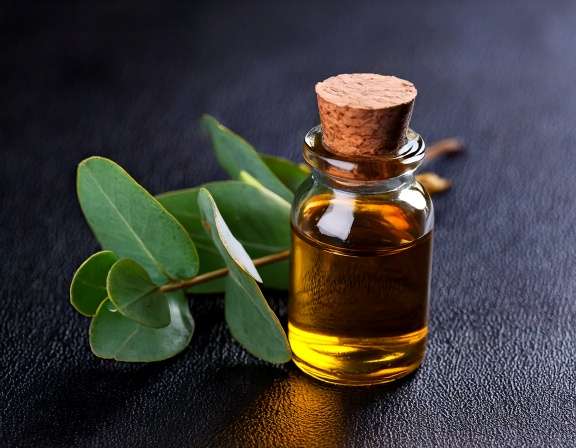
Eucalyptus oil contains aromatic compounds such as 1,8-cineole. Peppermint contains menthol, which produces a cooling sensation. Together, these scents may make breathing feel more open, especially when congestion is keeping you awake.
That sensation is not the same as better airflow. Menthol can make inhaled air feel cooler without physically opening blocked nasal passages. Eucalyptus and peppermint also won’t stop influenza from multiplying.
Concentrated vapor can irritate the nose, throat, eyes, or lungs. Use a small amount, keep the room ventilated, and stop if you notice burning, wheezing, headache, nausea, or worsening congestion.
Why rest and sleep matter more than any oil
Your body needs rest while it responds to an infection. Fluids can help prevent dehydration, and sleep supports normal immune function. A pleasant scent may make a bedtime routine more comfortable, but it cannot take the place of those basics.
Limited research on aromatic ointments containing levomenthol, eucalyptus, or camphor suggests they may reduce nighttime cough and the feeling of congestion. Most of that evidence involves common cold symptoms rather than confirmed influenza. Aromatherapy is best treated as an optional comfort ritual, not a primary treatment.
For more ideas that support a calm evening, explore these essential oil blends for sleep and relaxation, while keeping respiratory symptoms and personal sensitivities in mind.
How to Use Essential Oils for Congestion, Coughs, and Bedtime Comfort
Healthy adults can try gentle aromatherapy if they tolerate fragrance well. Follow the product label, use reputable oils, and keep the area well ventilated. Avoid placing essential oils inside the nose, directly under the nostrils, or in the mouth.
Don’t add undiluted oil to bathwater. Oil floats on water and can contact the skin in concentrated droplets. Skip steam inhalation over a bowl of hot water, too, because burns can happen quickly. A warm shower without essential oil is safer.
A gentle diluted chest or neck blend
Use this blend only for a healthy adult who has no known sensitivity to the ingredients.
Ingredients
- 1 tablespoon jojoba or fractionated coconut oil
- 2 drops eucalyptus essential oil
- 1 drop peppermint essential oil
Mixing three drops into 1 tablespoon of carrier oil creates a conservative dilution of about 1%. If you prefer, use only eucalyptus or replace peppermint with lavender for a softer scent. Readers new to ratios can review this essential oil mixing guide before preparing a blend.
Patch-test a small amount on the inner forearm and wait 24 hours. If no redness, itching, or burning develops, apply a thin layer to the upper chest or back of the neck. Keep it away from the eyes, nostrils, lips, broken skin, and other sensitive areas. Wash your hands afterward.
A simple diffuser routine for a stuffy evening
A diffuser can scent a room, but it doesn’t disinfect the air or treat flu.
Ingredients
- Water according to the diffuser manufacturer’s instructions
- 2 drops eucalyptus essential oil
- 1 drop lavender essential oil
Add the water and oils according to the diffuser directions. Run it for a short period, such as 15 to 30 minutes, then turn it off and air out the room. Don’t run a diffuser all night, and never place it beside your face while sleeping. Anyone with asthma, reactive airways, COPD, or fragrance sensitivity should skip diffusion unless a clinician confirms it’s safe.
A soothing non-oil option for bedtime
A warm drink may comfort an irritated throat without adding airborne fragrance.
Ingredients
- 1 cup warm water or caffeine-free herbal tea
- 1 teaspoon honey for adults and children over age 1
- A small squeeze of lemon, if tolerated
Stir the honey and lemon into the warm drink after it cools slightly. Honey may soothe a cough for some people, but never give honey to an infant under 1 year because of the risk of infant botulism. This drink supports hydration and comfort, not flu treatment.
Essential Oil Safety Rules That Matter During Flu Season
Never ingest essential oils to treat a cough, congestion, or flu. Swallowing concentrated oils can irritate the mouth and stomach, and some can cause poisoning or medication interactions. Oral products studied in research are specific preparations with their own dosing and medical guidance. They aren’t interchangeable with an undiluted bottle from a home collection.
Undiluted oils can cause skin burns, eye injury, allergic reactions, and lung irritation. Product strength and purity vary because essential oils aren’t regulated like prescription medicines. Choose clearly labeled products from reputable suppliers, store them in their original bottles, and keep them away from children and pets.
Apply oils away from the face. If an oil gets in your eyes, don’t rinse with plain water alone, since oil and water don’t mix. Use an appropriate first-aid response and contact poison control or a health professional if irritation continues.
Who should avoid eucalyptus, peppermint, and strong aromas
Don’t use eucalyptus or peppermint around infants and very young children. Their airways are small, and strong vapors can trigger breathing problems. Children age 6 and older still need much lower amounts and close adult supervision.
Ask a health professional before using essential oils during pregnancy or breastfeeding. The same applies to anyone with asthma, COPD, fragrance allergies, seizure disorders, or another chronic condition. A clinician or pharmacist can also check for concerns with current medicines.
People preparing for surgery should disclose essential oil use to their surgical team. Stop any topical or inhaled blend that causes coughing, wheezing, rash, dizziness, or headache.
When flu symptoms need medical attention
Essential oils should never delay testing, antiviral treatment, or urgent care. Antiviral medicines work best when started early, particularly for people at higher risk of complications.
Seek urgent medical help for trouble breathing, chest pain, confusion, bluish lips or face, severe dehydration, or an inability to stay awake. Contact a clinician for a persistent high fever, symptoms that improve and then sharply worsen, or any worsening illness in an older adult, young child, pregnant person, or someone with a chronic health condition.
Frequently Asked Questions
Can essential oils prevent the flu?
No reliable clinical evidence shows that essential oils prevent influenza. A pleasant aroma may improve comfort, but it doesn’t replace vaccination, handwashing, staying home when sick, or medical advice.
Is eucalyptus better than peppermint for flu congestion?
Neither oil has been proven to treat flu congestion. Eucalyptus has more respiratory research behind specific products, while peppermint mainly provides a menthol-like cooling sensation. Some adults may prefer one scent, but stronger fragrance isn’t better.
Can I put essential oils in a hot bath?
Don’t drop undiluted oils straight into bathwater. They can collect on the surface and irritate the skin. A plain warm bath is safer, while a properly formulated bath product contains a suitable dispersant.
Can I use essential oils with cold or flu medicine?
Ask a pharmacist before combining them, especially if you plan to use an oral product or take several medicines. Topical and inhaled oils can still trigger allergies or breathing symptoms, so tell your healthcare provider what you use.
A Gentle Comfort Tool, Not a Cure
Essential oils may add a fresh scent or a small measure of comfort to a difficult flu night. Eucalyptus and peppermint can make breathing feel cooler for some adults, while a diluted topical blend or brief diffuser session may fit into a calming routine.
Rest, fluids, warm drinks, and honey for people over age 1 remain simpler choices. Use careful dilution, gentle ventilation, and extra caution around children and people with respiratory conditions. Aromatherapy has a place beside basic care, but essential oils for flu should remain a comfort tool rather than a cure.
Stay Connected for More Natural Living Inspiration
If you enjoyed this post about herbal wellness and love discovering natural ways to refresh your home and wellness, don’t miss out on future recipes and clean-living tips! Subscribe to the blog for weekly DIYs, wellness inspiration, and herbal remedies delivered straight to your inbox.
Don’t forget to visit my Amazon storefront for the links to my favorite essential oils, herbal teas, and natural recipes. I also create YouTube ambiance videos for sleeping; a channel I created to help people who have trouble sleeping. The link to all social media content is here.
Thanks for coming by!

Leave a Reply