
(DISCLAIMER: I am not a doctor, and you should consult your healthcare professional before starting any health regimen. Product links are commissioned and supports the blog)

When the seasons shift, indoor air can start to feel a little tired. Closed windows, damp coats, cooking smells, and heated rooms all have a way of making a home feel heavier than it should.
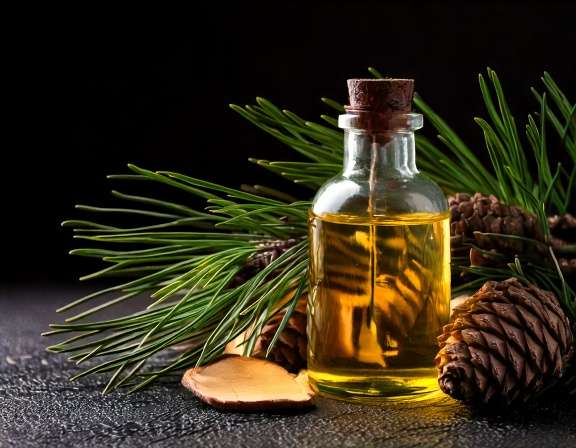
That is where pine essential oil often shines. Its crisp, woodsy scent can make a room feel cleaner and calmer, almost like cracking a window onto cool forest air. Used with care, it can freshen the air, fit into simple DIY cleaning, and add a comforting seasonal touch without turning your home into a perfume cloud.
Key Takeaways
- Pine essential oil has a clean, forest-like scent that helps cover stale indoor odors.
- It’s often used in diffusers, light room sprays, and natural surface cleaners.
- A little goes a long way, stronger does not mean fresher.
- For skin use, dilute it first in a carrier oil and patch test before wider use.
- Diffusion is usually the easiest option if you want the room to feel fresh, not your skin scented.
- Keep it away from eyes, don’t ingest it, and use extra care around children, pets, pregnancy, and scent-sensitive people.
- An easy place to start is a short diffuser session with 3 to 5 drops of pine oil.
- For cleaning, a simple spray with water, vinegar or alcohol, and pine oil can work well on many sealed surfaces.
What makes pine essential oil useful for seasonal freshness?
Pine oil is popular for a simple reason, it smells like clean air. That scent has a sharp, green quality that can cut through the “closed-up house” feeling that shows up in cooler months or during allergy season.
It also fits well with natural home routines. People use it in diffusers, sprays, and diluted blends because it brings freshness without the sugary or overly floral scent that some room products leave behind. Pine tends to smell grounded and outdoorsy, which many people read as “clean.”
There is also a practical side. Pine essential oil may help rooms feel less stuffy when used in short diffusion sessions. That does not make it a treatment, and it will not fix poor ventilation, but it can support a fresher indoor atmosphere.
The scent profile that makes a home feel cleaner
Pine smells brisk, resinous, and slightly dry. Think of fresh-cut branches, cool woods, or the air after a winter walk. It is not soft and powdery. It is not sweet. That difference matters.
Many people connect that scent with order and cleanliness because it feels airy rather than heavy. Even when nothing else changes, a few drops can shift the mood of a room. Kitchen corners, entryways, laundry spaces, and bathrooms often benefit most.
If you like scents that feel subtle and natural, pine usually lands better than stronger bakery or perfume-style blends.
How it can support a fresher indoor routine
Seasonal freshness is often about habit, not one dramatic fix. A brief diffuser session in the morning, a light spray after cleaning, or a cotton ball in a closet can make your home feel less stale day by day.
Pine oil can also help cover lingering odors from shoes, pets, damp fabrics, or cooked food. It is best at refreshing the space around those smells, not masking a deeper problem. If the room is musty because of moisture, you still need to address the source.
That balance is useful to keep in mind. Pine can support a fresher routine, but it works best alongside airflow, regular cleaning, and a light hand.
Safe ways to use pine essential oil without overdoing it
Pine essential oil is simple to use, but it still deserves respect. It is concentrated. A few drops can be enough for an entire room or a small DIY recipe.
Start small. Use proper dilution for skin, keep the room ventilated when diffusing, and stop if the scent feels sharp or irritating. Do not ingest it, and keep it away from your eyes and other sensitive areas.
If a pine blend makes the room smell harsh instead of fresh, you probably used too much.
Children, pets, pregnant people, and anyone with asthma or scent sensitivity may react more strongly to essential oils. If that applies in your home, go slower, shorten the diffusion time, or skip airborne use altogether.
How to dilute it for skin use
If you want to apply pine oil topically, keep it modest. A simple beginner dilution is 2 to 3 drops in 1 teaspoon of carrier oil, such as jojoba, sweet almond, or fractionated coconut oil.
Mix it well, then test a small area first, like the inside of your forearm. Wait 24 hours if you can. If you notice redness, itching, or warmth, wash it off and do not keep using it.
For most seasonal freshness uses, skin application is optional. You do not need to wear pine oil on your body to enjoy its scent at home.
When to choose diffusion instead of direct application
Diffusion is usually the better choice when your goal is room freshness. It is simple, low-mess, and easier to control.
Add 3 to 5 drops of pine essential oil to your diffuser, following the device instructions. Run it for about 20 to 30 minutes, then turn it off and let the scent settle. Short sessions tend to smell cleaner than all-day diffusion.
If you enjoy crisp blends, pine pairs well with eucalyptus oil for congestion relief in cooler months. The combination can feel especially refreshing after cleaning or when the room seems heavy.
Easy ways to use pine essential oil around the house
This is where pine oil earns its keep. It can slip into simple routines without much effort, and the results are usually immediate. The room smells lighter, the house feels more seasonal, and you do not need a cabinet full of products.
Keep your recipes small at first. That helps you adjust the scent level and avoid waste.
A simple diffuser blend for a fresh, woodsy room
Try this easy blend in the morning or right after tidying up: 4 drops pine essential oil, 2 drops eucalyptus essential oil, and 1 drop peppermint essential oil. If peppermint feels too sharp, swap it for lemon.
Run the diffuser for 20 to 30 minutes in a main living area. This works well near entryways, living rooms, and home offices, especially when the weather keeps windows shut.
The blend should smell crisp, not medicinal. If it feels too strong, cut the recipe in half next time. Pine tends to carry a space well, so small amounts usually do the job.
A natural cleaning spray for counters and surfaces
For a simple all-purpose spray, combine 1 cup distilled water, 1/2 cup white vinegar, and 10 to 15 drops of pine essential oil in a spray bottle. If you do not like vinegar, use 1/4 cup vodka or rubbing alcohol instead.
Shake before each use. Spray lightly on sealed counters, tile, outside trash bins, and other hard non-porous surfaces, then wipe with a clean cloth. Avoid unsealed stone, unfinished wood, and anything delicate until you test a small spot first.
If you want more ideas beyond this basic mix, these DIY non-toxic cleaning products with essential oils are a good next step. Pine fits especially well in kitchen and bathroom cleaning because the scent reads fresh instead of fussy.
A quick linen or closet freshener
For fabrics, lighter is better. Fill a small spray bottle with 1 ounce of distilled water, 1 teaspoon of witch hazel or vodka, and 3 to 4 drops of pine essential oil. Shake well and mist the air above linens or inside a closet, not directly onto delicate fabrics.
Another easy option is a cotton ball. Add 1 drop of pine oil and tuck it into a small dish in a closet or laundry room. Refresh it every few days if needed.
This kind of use is subtle, and that is the point. You want the scent to whisper, not shout.
Can pine essential oil help with seasonal discomforts?
Many people reach for pine oil when the air feels stale, stuffy, or heavy. The aroma can feel opening and cooling, even when the room itself has not changed much.
That said, scent is personal. Pine may feel supportive for one person and too sharp for another. It is best to think of it as comfort for the space, not a cure for symptoms.
Using it for a stuffy, dry, or heavy-feeling room
When windows stay closed for long stretches, indoor air can feel flat. A short pine diffuser session may help the room feel easier to breathe in, especially if cooking smells, dust, or seasonal dampness are adding to that heaviness.
Try diffusing pine on its own, or combine it with eucalyptus or lemon. Keep the session short and let fresh air in when possible. Aromatherapy works better when it supports a healthy room, not when it has to fight against stale conditions.
What to know before using it for allergy season
Pine oil does not work the same way for everyone. Some people enjoy the scent during allergy season. Others find any strong aroma irritating.
Start with the smallest amount that still smells pleasant. If you notice coughing, headache, watery eyes, or throat irritation, stop using it and air out the room.
It also should not replace medical care. If allergy symptoms are persistent or severe, treat the room scent as a comfort measure, not the whole plan.
Common mistakes that make pine oil less effective
Most problems with pine oil come from overuse. Too much in the diffuser, too much in a spray, too much hope placed on a single product.
Pine works best when it stays in the background. A home should smell fresh, not like the cleaner aisle.
Using too much oil in a diffuser or spray
A strong pine scent can turn sharp fast. What starts out forest-fresh can end up feeling dry, heavy, or headache-inducing.
Use fewer drops than you think you need, then build up only if the room is large. In most homes, 3 to 5 drops in a diffuser is enough. In sprays, keep the formula light so the scent fades cleanly.
Mixing it with the wrong surfaces or habits
Essential oils do not belong on every material. Some countertops, woods, painted finishes, and fabrics can spot or react, especially with repeated use. Test first, then use sparingly.
It also helps to stay realistic. Pine essential oil can freshen a room and support a seasonal routine, but it cannot fix mold, replace ventilation, or stand in for medical advice.
Conclusion
A home can feel stale fast when the seasons change, and pine essential oil offers a simple yet effective way to shift that feeling. Its clean, woodsy scent not only evokes the freshness of a forest but also has the ability to uplift the atmosphere, making your space feel more inviting. Whether you are diffusing it in the air to create a serene environment, adding it to a light cleaning spray to enhance your cleaning routine, or freshening a closet to keep your clothes smelling delightful, this versatile essential oil can transform your home.
Additionally, incorporating a few drops into your bath can provide a relaxing experience that helps you unwind after a long day, further enhancing the seasonal transition and bringing a sense of tranquility into your daily life. The most useful approach is also the simplest. Start with one small recipe, pay attention to how your space and body respond, and keep the scent gentle.
That is usually when pine smells its best, fresh, comforting, and easy to live with.
Stay Connected for More Natural Living Inspiration
If you enjoyed this post about herbal wellness and love discovering natural ways to refresh your home and wellness, don’t miss out on future recipes and clean-living tips! Subscribe to the blog for weekly DIYs, wellness inspiration, and herbal remedies delivered straight to your inbox.
Don’t forget to visit my Amazon storefront for the links to my favorite essential oils, herbal teas, and natural recipes. I also create YouTube ambiance videos for sleeping; a channel I created to help people who have trouble sleeping. The link to all social media content is here.
Thanks for coming by!

Leave a Reply