
(DISCLAIMER: I am not a doctor, and you should consult your healthcare professional before starting any health regimen. Product links are commissioned and supports the blog)

Quick Takeaways Before You Buy Amber Essential Oil
A few quick facts make shopping easier:
- Amber usually smells warm, resinous, and softly sweet, with wood and spice in the background.
- People use it in diffusers, diluted body oils, and cozy home scent blends.
- Dilute it first before skin use, then patch test.
- Check whether the bottle says essential oil, blend, fragrance oil, or aroma oil, because those are not the same thing.
- A little goes a long way, so you do not need a large bottle for your first try.
Amber essential oil has a scent that feels familiar and hard to pin down at the same time. It smells warm and old-world, yet the bottle can be confusing because amber is not a standard steam-distilled plant oil.
Some products sold under the amber name are true resin extracts, while others are blends or fragrance-style oils made to smell like amber. If you are buying your first bottle, the label matters almost as much as the scent. This guide will help you understand the aroma, use it in simple ways, and choose a bottle with less guesswork.
That matters because amber can smell smoky, sweet, woody, or softly musky, depending on how it was made. A little label reading saves money and helps you avoid a bottle that smells nothing like the one in your memory. Start with the scent, then move into the uses that fit a calm daily routine.
The clearer the label, the easier it is to know what you are buying.
What amber essential oil smells like, and why people love it
Amber sits in the warmer part of the scent family. It often feels resinous, smooth, and a little sweet, with hints of polished wood, soft spice, and faint musk. In the right blend, it can feel like a cashmere throw near a low lamp, soft and steady without becoming sugary.
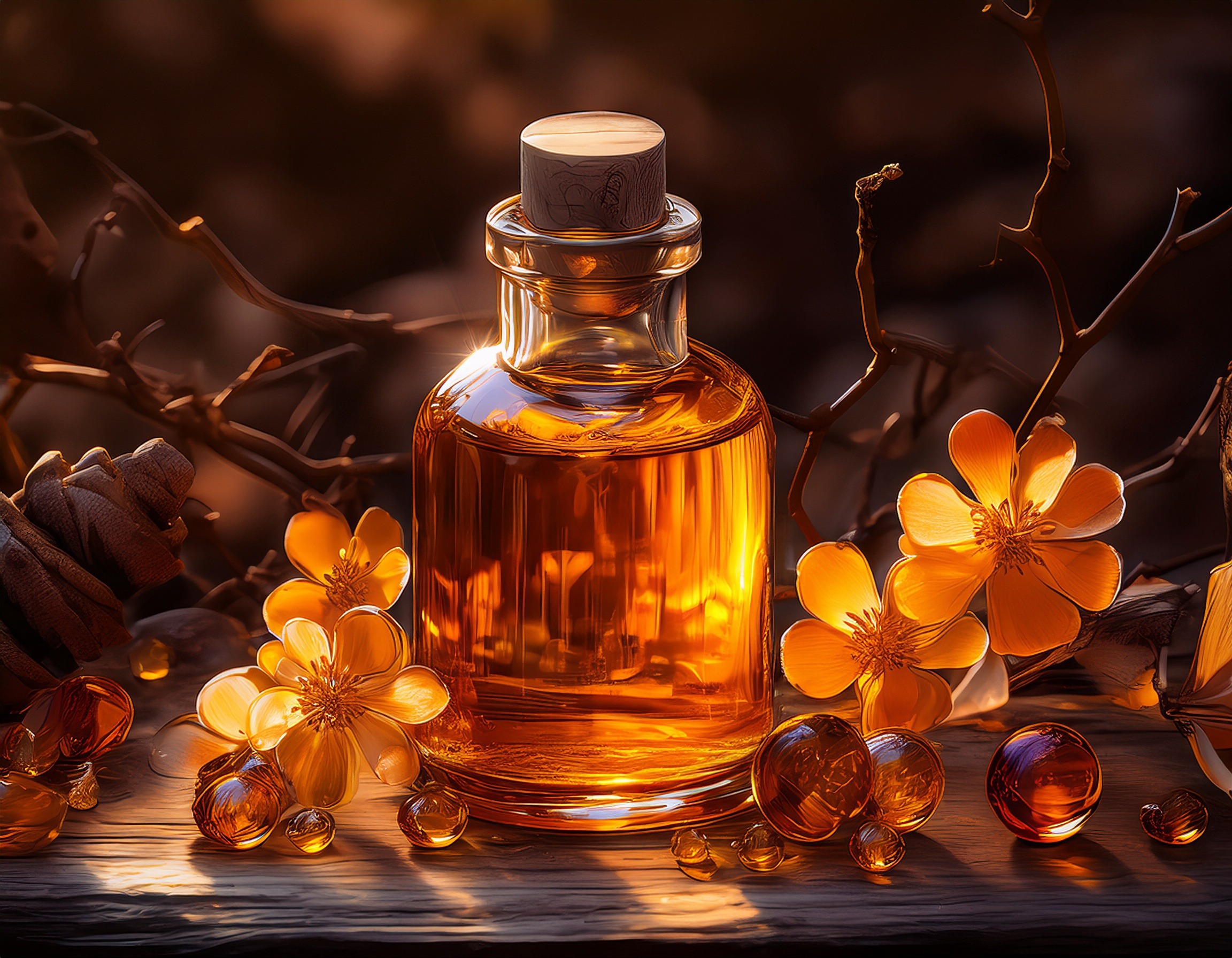
The scent can vary a lot from one bottle to the next. True amber oil may come from fossilized resin and can be produced by dry distillation, but many retail products are amber accords, which means a blend made to smell like amber rather than a single plant oil. One bottle may lean smoky and dark, while another feels lighter and more perfume-like. The label tells you more than the color ever will.
How the scent changes from bottle to diffuser
Amber often smells richer on a blotter or in the cap. In a diffuser, heat and moving air can soften the edges and make the sweetness less obvious. If you blend it with citrus or lavender, the amber note usually becomes the backdrop instead of the star.
That change matters for beginners. A bottle that seems intense on first sniff may feel much smoother once it fills a room. If you want help balancing amber with other oils, a guide to mixing essential oil blends gives you a simple place to start.
What makes amber different from other cozy oils
Sandalwood feels drier and more grounded. Vanilla is sweeter and more dessert-like. Frankincense often feels brighter and more airy. Amber sits between them, with a soft glow that feels comforting rather than crisp.
That middle ground makes amber easy to pair with other oils. It can warm up a blend without taking it over. It can also smooth out sharp edges in citrus or spice scents.
Common amber essential oil uses for everyday self-care
Most beginners use amber for simple comfort. It fits well in relaxation routines, mood support blends, sleep-time diffusers, and home fragrance. Those uses are traditional and sensory, not medical claims, so it helps to keep expectations grounded.
Amber works best when you treat it like a mood scent. A few drops can soften a busy room after work, support a quiet reading hour, or add a cozy note to an evening bath area. Because it smells full and rounded, you usually need less than you think.
Using amber in a diffuser for a calmer room
Amber is a natural fit for a dim lamp, a book, and a slow evening. Try it in the diffuser when you want the room to feel softer, especially after dinner or before bed.
A simple blend is 2 drops amber, 2 drops lavender, and 1 drop sweet orange. For a woodier mood, use amber with cedarwood instead. If you are new to personal scent blends and want a cleaner skin-safety refresher, the essential oil skin care safety tips page is useful before you move from room scent to body use.
Diluted skin use for massage or personal scent
Amber should always be mixed with a carrier oil before it touches skin. Jojoba, sweet almond, and fractionated coconut oil all work well. For a small wrist blend, add 1 or 2 drops of amber to 1 teaspoon carrier oil.
That kind of blend can go on wrists, shoulders, or the back of the neck after a shower. It can also work as a low-key personal scent when you want something warmer than citrus and softer than perfume. Patch test first, then wait a full day before using it more broadly.
Ways to use amber around the home
Amber also works in the spaces around you. Tuck a cotton ball with a drop or two into a drawer, add it to a scent jar, or mix it into a linen mist for pillows and throws.
A few drops on a warm bath tray can make the room feel more settled before bed. You can also pair amber with dried herbs or unscented rice in a small bowl near an entry table. These small touches carry the scent without special tools.
How to choose your first bottle without wasting money
Amber products vary more than many beginner oils, so the label deserves close attention. Start with the front of the bottle, then turn it over. If it says essential oil, check the ingredient list, source details, and whether the oil is pure, blended, or diluted.
A clear label is usually a good sign. If the brand names the resin source, explains the extraction method, or lists every ingredient, you know more about what you are buying. If it says fragrance oil, aroma oil, or amber scent, treat it as a scent product rather than a skin-use oil.
If the ingredient list is vague, assume the bottle is meant for fragrance, not for topical use.
Bottle size matters too. A small bottle gives you room to test the scent without spending too much. Amber can be strong, so a 5 ml or 10 ml bottle is enough for a first try. That size also helps you learn whether you like it in a diffuser, on skin, or mixed into home fragrance.
Price can help tell the story as well. Extremely cheap bottles often hide weak scent, vague ingredients, or a very small amount of the real material. On the other hand, a high price does not fix a messy label. Start with clarity, then compare scent strength and size.
Three easy first-bottle recipes to try at home
A good first bottle should be easy to use right away. These simple recipes keep the drops low and the steps clear.
A soft evening diffuser blend
Add 2 drops amber, 2 drops lavender, and 1 drop sweet orange to your diffuser, then fill it with water as directed by the device. The blend feels round and calm, with just enough brightness to keep it from turning heavy.
For a quieter version, swap sweet orange for cedarwood. Run the diffuser for 20 to 30 minutes, then pause it if the room starts to feel crowded with scent. This blend works well in a bedroom, reading nook, or slow night at home.
A warm roll-on or massage blend
Fill a 10 ml roller bottle with jojoba oil, then add 3 drops amber and 2 drops lavender. Cap it, roll it between your hands, and test a tiny amount on the inner arm.
Use it on wrists, shoulders, or the back of the neck after a shower. Keep the scent light, because amber can build fast on skin. If you have sensitive skin, patch test before regular use, then wait 24 hours to see how your skin responds.
A cozy room spray or linen mist
Mix 2 ounces distilled water, 1 teaspoon witch hazel, and 8 drops amber in a small spray bottle. Shake before each use, then mist lightly over pillows, curtains, or the air above a bed.
Water-based sprays need a short shelf life, so make small batches and use them soon. If you want a slightly longer hold, add a little more witch hazel than water. Spray sparingly, because a soft mist is enough.
Safety tips beginners should not skip
Amber should not go into the mouth, even if the scent feels gentle. Keep it away from your eyes, and wash your hands after making blends. For skin use, dilution matters every time, even with a comforting scent like amber.
Keep bottles out of reach of children and pets unless a qualified source has given clear guidance for your situation. Cats and dogs can be sensitive to strong scent, so use diffusers with care and give animals room to move away. Pregnant people, nursing parents, and anyone with a health concern should check with a professional before using essential oils at home.
A small patch test can save you trouble later. Use a diluted blend on a small area of skin, then wait 24 hours. Less scent is often the smarter choice.
Conclusion
Amber essential oil has a warm, resinous, softly sweet profile that feels easy to live with. This captivating aroma not only evokes a sense of comfort and relaxation but also helps to create a serene environment, making it an ideal choice for various applications. It shines in diffusers, where its soothing scent can envelop a room, promoting a tranquil atmosphere perfect for meditation or unwinding after a long day. Additionally, when blended into diluted body oils, amber essential oil offers skin-nourishing benefits along with its aromatic qualities, providing both a delightful fragrance and a hydrating experience.
Simple home scent ideas, such as including amber in homemade candles or potpourri, can further enhance your living space’s ambiance, transforming it into a warm oasis. However, it is essential to pay attention to the bottle label, as the quality of amber products can vary significantly, ensuring you choose a reputable source that guarantees an authentic and potent oil for the best experience.
Start small, choose a clearly labeled bottle, and try one recipe before buying a larger size. A little care at the start makes the scent easier to trust, and it helps you find the amber style that fits your home best.
Stay Connected for More Natural Living Inspiration
If you enjoyed this post about herbal wellness and love discovering natural ways to refresh your home and wellness, don’t miss out on future recipes and clean-living tips! Subscribe to the blog for weekly DIYs, wellness inspiration, and herbal remedies delivered straight to your inbox.
Don’t forget to visit my Amazon storefront for the links to my favorite essential oils, herbal teas, and natural recipes. I also create YouTube ambiance videos for sleeping; a channel I created to help people who have trouble sleeping. The link to all social media content is here.
Thanks for coming by!

Leave a Reply