

(DISCLAIMER: I am not a doctor, and you should consult your healthcare professional before starting any health regimen.)

A fresher home can start with one small spray bottle, not a cart full of supplies. If you want a cleaner-smelling kitchen, bathroom, or linen closet, simple essential oil sprays get the job done with a few everyday ingredients.
These recipes keep the lists short, the cost low, and the mixing easy enough for a first try. Expect distilled water, witch hazel with alcohol, or vodka, plus a few familiar oils. The focus here is practical home care, not fussy aromatherapy formulas.
Start with the quick takeaways, then move into the basic formula.
Key Takeaways for Fast, Fragrant DIY Success
- Distilled water keeps sprays cleaner and more stable than tap water.
- Witch hazel with alcohol or 80 to 100 proof vodka helps oils mix and linger.
- Small 2 oz batches save money and reduce waste.
- Amber or dark glass protects the scent from light.
- Shake before each use, because oil and water separate.
- A short ingredient list makes it easier to repeat a recipe later.
What Makes a Good Essential Oil Spray on a Budget?
A good spray needs a cheap base, a small oil list, and a bottle that protects the mix. That is the whole trick.
| Base ingredient | Best use | Why it helps |
|---|---|---|
| Distilled water | Everyday room sprays | Cheap, clean, and free of minerals |
| Witch hazel with alcohol | Quick room mists | Helps oils disperse and adds a little preservation |
| Vodka, 80 to 100 proof | Linen sprays and larger batches | Helps scent spread and dry without feeling sticky |
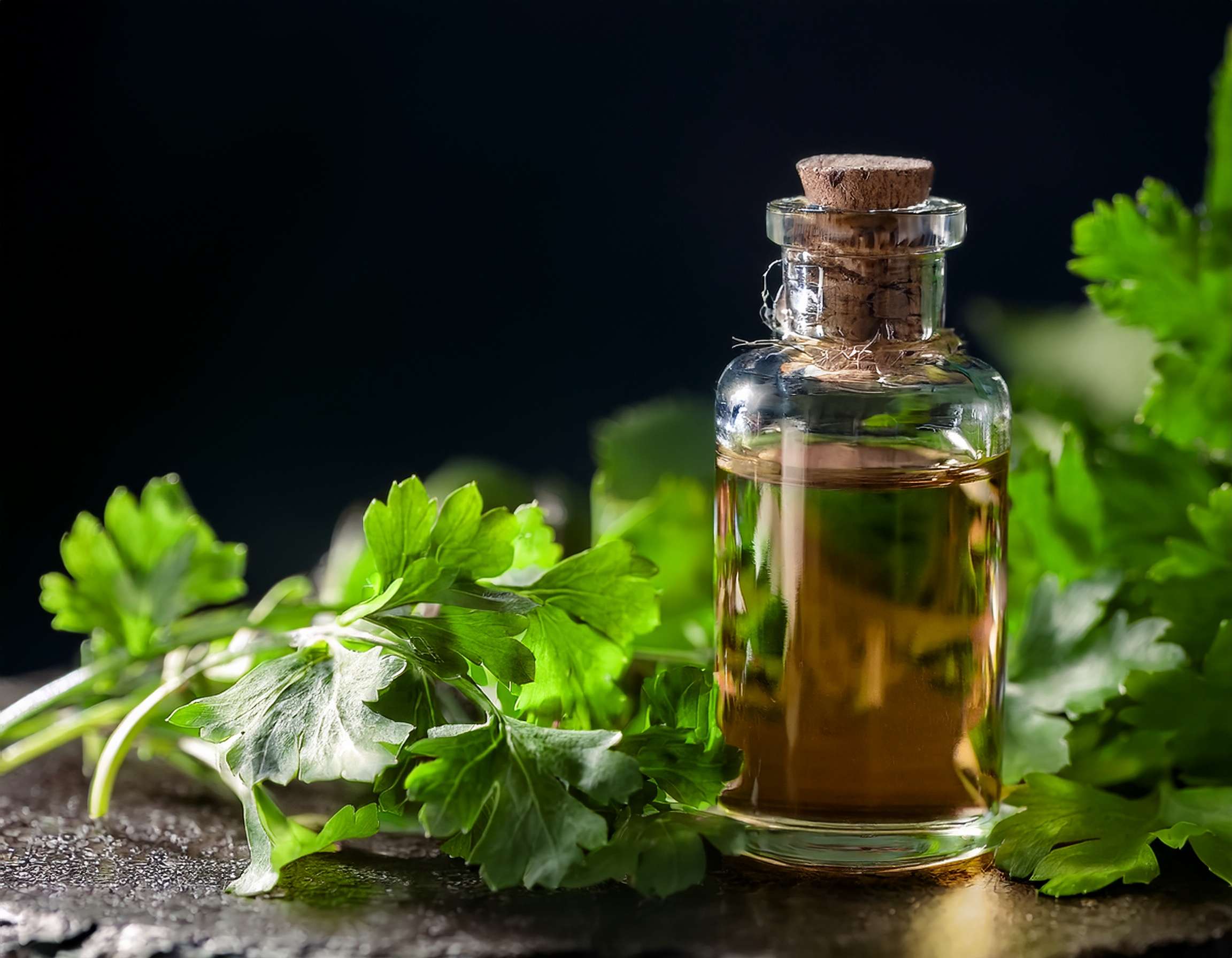
Amber glass is worth the small cost. It helps protect light-sensitive oils, and it makes the spray last longer on a shelf. A 2 oz bottle is the easiest size for testing, while a 4 oz bottle makes sense once you know you like the scent.
The cheapest ingredients that still work well
You do not need a large oil collection. Lavender, lemon, peppermint, eucalyptus, tea tree, orange, and rosemary cover most beginner recipes. For more mixing basics, beginner guide to essential oil blending gives you a simple starting point.
Store-brand distilled water is fine if the label says distilled. For witch hazel, choose one with alcohol, not alcohol-free. A basic bottle of vodka from the cabinet can do the same job when you want a low-cost spray base.
Why simple blends are better for beginners
Two-ingredient and three-ingredient blends are easier to repeat. You remember them without checking notes, and you waste less oil when a scent needs a small change. They also make it easier to tell what you actually like.
When a spray feels too strong, you can cut one oil by a few drops. When it feels flat, add a little more citrus or mint. That kind of adjustment is much easier with a short recipe.
How to Mix Essential Oil Spray Safely So It Stays Fresh
Essential oils do not mix with water on their own, so the bottle needs a helper. Witch hazel with alcohol or vodka gives the oils something to disperse into. Without that base, the scent rises to the top and sprays unevenly.
If the spray separates, shake it again before changing the recipe.
The best bottle size and base ratio for small batches
A 2 oz amber glass bottle is the sweet spot for testing. Use about 20 drops of essential oil total, 1 oz distilled water, and 1 oz witch hazel with alcohol or vodka. For a 4 oz bottle, double everything.
This size keeps the batch fresh while you learn the scent. It also costs less if a blend turns out stronger than you expected. If you plan to use the spray on bedding or curtains, stay on the lighter side with the oil drops.
Common mistakes that make sprays fail
- Skipping the alcohol base, which leaves oil floating at the top.
- Using too much essential oil, which can make the spray harsh.
- Forgetting to shake before each use, which throws off the scent.
- Storing the bottle in heat or sunlight, which dulls the aroma.
- Using tap water, which can cloud the spray and shorten shelf life.
Keep body sprays away from eyes and do a patch test first. If kids, pets, or fabrics are involved, check each oil before you spray.
Three Easy Essential Oil Spray Recipes to Try First
These recipes all use a 2 oz spray bottle. They stay simple, affordable, and easy to repeat.
Two-ingredient lavender and lemon room spray
This is the kind of spray that makes a kitchen or bathroom feel tidier in a minute. Lavender softens the lemon, and lemon keeps the blend bright. It is a friendly recipe for days when you want a fresh scent without much thought.
Ingredients
- 10 drops lavender essential oil
- 10 drops lemon essential oil
- 1 oz witch hazel with alcohol
- 1 oz distilled water
Steps
- Add the oils to the bottle.
- Pour in the witch hazel.
- Add the distilled water.
- Cap and shake hard.
Use it in laundry rooms, bathrooms, or near trash bins that need a lighter scent. It is one of those recipes that feels easy enough to remember after one try.
Two-ingredient tea tree and eucalyptus odor spray
This one feels sharper and cleaner than a floral blend. It works well in damp corners, shoe areas, and musty bathrooms. If you want more ways to use tea tree, tea tree room spray recipes offers more practical blends.
Ingredients
- 10 drops tea tree essential oil
- 10 drops eucalyptus essential oil
- 1 oz witch hazel with alcohol
- 1 oz distilled water
Steps
- Add the oils to the bottle.
- Add the witch hazel.
- Fill with distilled water.
- Shake before each use.
Use only a few sprays at first. The scent is stronger than a soft floral blend, so a little goes a long way in smaller rooms.
Three-ingredient peppermint, orange, and lemon uplifting spray
This blend is bright, crisp, and cheerful. It works well near entryways, in the morning, or anywhere that needs a lift. The mint keeps it cool, while the citrus makes it feel sunny.
Ingredients
- 8 drops peppermint essential oil
- 6 drops sweet orange essential oil
- 6 drops lemon essential oil
- 1 oz witch hazel with alcohol
- 1 oz distilled water
Steps
- Add all three oils to the bottle.
- Pour in the witch hazel.
- Top with distilled water.
- Shake well before spraying.
The scent feels light and lively, so it is easy to keep on hand by the front door or near a desk. It also works well when you want a room to feel awake without smelling sharp.
How to Pick the Right Scent for Each Room
Room choice matters because scent changes how a space feels. Bedrooms usually call for softer notes, while kitchens and bathrooms do better with cleaner, brighter blends.
A quick guide helps:
- Bedrooms, lavender, chamomile, frankincense, ylang ylang, or copaiba
- Kitchens, lemon, rosemary, or peppermint
- Bathrooms, tea tree, eucalyptus, or lemon
- Laundry rooms, lemon, orange, or peppermint
- Entryways, orange, lemon, or peppermint
Calming blends for bedrooms and quiet spaces
Soft herbal scents are easier on the senses at night. Lavender leads the list, but chamomile and frankincense also work well in simple room sprays. If you like a gentle woody note, copaiba oil home spray recipes gives you another calm option.
These blends should feel light, not heavy. A bedroom spray should settle into the background like a low lamp, not sit in the air like a cloud.
Fresh, clean blends for kitchens, bathrooms, and laundry areas
Citrus, mint, and green scents fit busy spaces. Lemon can brighten a kitchen, eucalyptus can freshen a bathroom, and peppermint gives laundry rooms a cool, clean edge. Rosemary works well too because it smells crisp and familiar.
These scents help a room feel more awake without turning it into a perfume counter. They also pair well with the simple two-ingredient recipes above.
Make Your Spray Last Longer Without Spending More
A few small changes can help a spray hold its scent. The key is to change one thing at a time, so you can tell what helped.
Simple ways to boost scent without overdoing it
Vodka gives the scent a little more staying power than water alone. For linen sprays, 1 tsp vegetable glycerin in a 4 oz batch can help the scent linger a bit longer on fabric.
A touch more alcohol is often better than dumping in more oil. That keeps the spray easier to use and less likely to feel overpowering. Quality oils matter too, because a fresh lavender or lemon oil smells fuller than a tired bottle.
How to store and refresh older sprays
Keep the bottle in a cool, dark cabinet. Heat and sunlight fade the scent faster than most people expect.
If the spray starts to smell weak, shake it first. If it still feels flat after a few uses, make a fresh batch instead of trying to rescue an old one. Small batches work best because they stay lively, and they are cheap enough to remake when needed.
Conclusion
A good essential oil spray does not need a long ingredient list or a big budget. In fact, a simple base made from distilled water or a carrier oil serves as an excellent foundation for your spray. By blending just a few carefully selected essential oils, you can create a delightful and effective scent cocktail that meets your specific needs. Opt for calming oils like lavender and chamomile for relaxation, or invigorating scents like lemon and mint for an energy boost.
Furthermore, storing your mixture in a dark glass bottle not only enhances its shelf life by protecting it from light but also adds a touch of elegance to your home. With these minimal yet powerful components, you can easily cover most everyday home care needs, bringing both convenience and a pleasant aroma into your living space.
Start with one recipe that matches the room you use most. Once you know what smells clean, calm, or bright in your home, the rest gets easier fast.
Stay Connected for More Natural Living Inspiration
If you enjoyed this post about herbal wellness and love discovering natural ways to refresh your home and wellness, don’t miss out on future recipes and clean-living tips! Subscribe to the blog for weekly DIYs, wellness inspiration, and herbal remedies delivered straight to your inbox.
Don’t forget to visit my Amazon storefront for the links to my favorite essential oils, herbal teas, and natural recipes. I also create YouTube ambiance videos for sleeping; a channel I created to help people who have trouble sleeping. The link to all social media content is here.
Thanks for coming by!


Leave a Reply