
(DISCLAIMER: I am not a doctor, and you should consult your healthcare professional before starting any health regimen.)

Thick, healthy hair never goes out of style, but thinning strands can leave anyone wanting more. With the rise of natural remedies, essential oils have taken center stage as an easy way for many people to support hair growth and boost confidence. People are now seeking out these potent plant extracts to nourish the scalp, reduce hair shedding, and help follicles thrive.
Essential oils for hair aren’t just a passing trend. Recent studies show certain oils, like rosemary and peppermint, can improve circulation and promote stronger, fuller hair right at the root. In this post, you’ll discover which oils work best, how to use them, and the science behind their growth-boosting effects. Want to see the benefits of essential oils in your own routine? Get ready for tips, natural blends, and the must-know oils for thicker hair, including standouts like Ylang Ylang Essential Oil Benefits.
Understanding Hair Growth and Factors That Affect Thickness
Before diving into instant fixes, it helps to know what makes hair grow and why it sometimes looks thinner. Healthy hair isn’t just about using the right shampoo or a trendy oil. It’s tied to what’s happening below the scalp and throughout your body. Think of your scalp like a garden, the roots, or follicles, need the right care to flourish. Let’s break down what drives hair growth and what might be holding it back.
The Hair Growth Cycle
Hair doesn’t grow in one never-ending stretch. Each strand on your head is in its own cycle, moving through phases of growth, rest, and shedding. This is why you might see some loose hairs in your brush even when your routine seems perfect.
Here are the main hair growth phases to know:
- Anagen (Growth phase): This is the main event, when hair grows actively. It can last 2 to 7 years per strand.
- Catagen (Transition phase): Over a few weeks, growth slows and hair prepares to rest.
- Telogen (Resting/shedding phase): Strands take a break for a few months, then fall out so new hair can replace them.
If most of your hair is in the anagen phase, your hair will appear thicker and fuller. But when more switches to the transition and resting phases, you’ll notice more shedding and less body.
Common Causes of Thinning Hair
Thinning hair isn’t caused by just one thing. Several factors often combine and show up at once.
Here are some of the most common causes:
- Genetics: Family history can set the baseline for your hair’s density and thickness.
- Hormones: Changes during pregnancy, menopause, or thyroid issues can disrupt growth.
- Stress: Physical or emotional stress often triggers more hair to shift out of the growth phase quickly.
- Diet and nutrition: Lack of iron, protein, or vitamins can slow new growth and lead to loss.
- Over-styling and chemical damage: Heat tools, bleach, and dyes can weaken strands and follicles.
- Aging: Over time, hair naturally becomes thinner, and growth slows.
Recognizing these causes helps you find the right solutions and target your hair care routine more effectively.
How Lifestyle, Genetics, and Scalp Health Matter
Your genes play a big part in how thick your hair is, but day-to-day habits shape how well it grows. The health of your scalp matters just as much as the products on your bathroom shelf.
- Nutrition and hydration: Eating a diet rich in protein, healthy fats, and vitamins gives follicles what they need to produce strong hair.
- Stress management: Regular rest, relaxation, and downtime help prevent stress-induced shedding.
- Scalp care: Think of your scalp as the soil for your hair. Massaging essential oils improves blood flow, delivering oxygen and nutrients to hair roots.
You’ll want to keep your scalp clean, nourished, and balanced so hair follicles can do their job. For tips on gentle, natural scalp care, the insights in Essential Oils for Beginners are helpful for every hair journey.
Prioritizing scalp stimulation and overall wellness sets the foundation for the growth you’re aiming for. A little daily effort nurtures not just the strands you see, but also the invisible roots beneath the surface.
How Essential Oils Promote Hair Growth Naturally
Essential oils help many people grow thicker, healthier hair without harsh chemicals or medical treatments. These pure plant extracts support natural regrowth in several ways. The main benefits come from their ability to improve blood flow, feed the hair follicles, calm inflammation, and balance scalp oils. This multi-action approach makes essential oils a smart choice for anyone, no matter their hair type.
Common Active Compounds in Essential Oils for Hair Health
Key essential oils contain powerful natural compounds that make them helpful for hair growth. Let’s dig into some of the most effective:
- Menthol: Found mainly in peppermint oil, menthol cools the scalp and increases blood circulation. Better blood flow helps bring more oxygen and nutrients to the roots, encouraging stronger growth.
- Eucalyptol: Rosemary oil is packed with eucalyptol, which acts as an antioxidant and anti-inflammatory. This can calm an irritated scalp and keep follicles healthy.
- Antioxidants: Many oils, including lavender and rosemary, fight oxidative stress on the scalp. Antioxidants protect hair follicles from free radicals, tiny unstable molecules that can slow down growth or cause thinning.
- Fatty Acids: Oils like rosewood contain fatty acids that lock in needed moisture and keep the scalp barrier strong and balanced.
Scientific research backs up these benefits. For example:
- A study in the journal Skinmed found that applying peppermint oil to the scalp boosted hair growth speed and thickness in test subjects.
- Clinical trials on rosemary oil show results similar to minoxidil, a common chemical hair regrowth remedy, with fewer side effects.
- Antioxidants in oils like rosewood and lavender are known to counteract scalp inflammation, which is a leading reason for slower growth or increased shedding.
- Some essential oils help control the scalp’s oil production, making them great for both dry and oily hair types.
You’ll find essential oils are not just for “natural” fans. Their versatility means they support all hair types, from curly to straight. Oils can be mixed into different routines, added to shampoos, blended for scalp massages, or even used in simple DIY treatments.
For another nourishing option, check out the Rosewood Essential Oil Benefits for how this gentle oil supports both hair and scalp health.
Whether you want to stimulate dormant follicles, address thinning at the crown, or just keep your scalp strong, these natural compounds put power back in your hands.
Top Essential Oils to Grow Thicker, Fuller Hair
Ready to give your hair a chance to thrive? These essential oils are proven allies for anyone looking to boost hair strength, thickness, and fullness. Let’s break down the best oils you can add to your routine, how they work, and easy ways to use them for serious results.
Rosemary Oil: Proven Results and Application
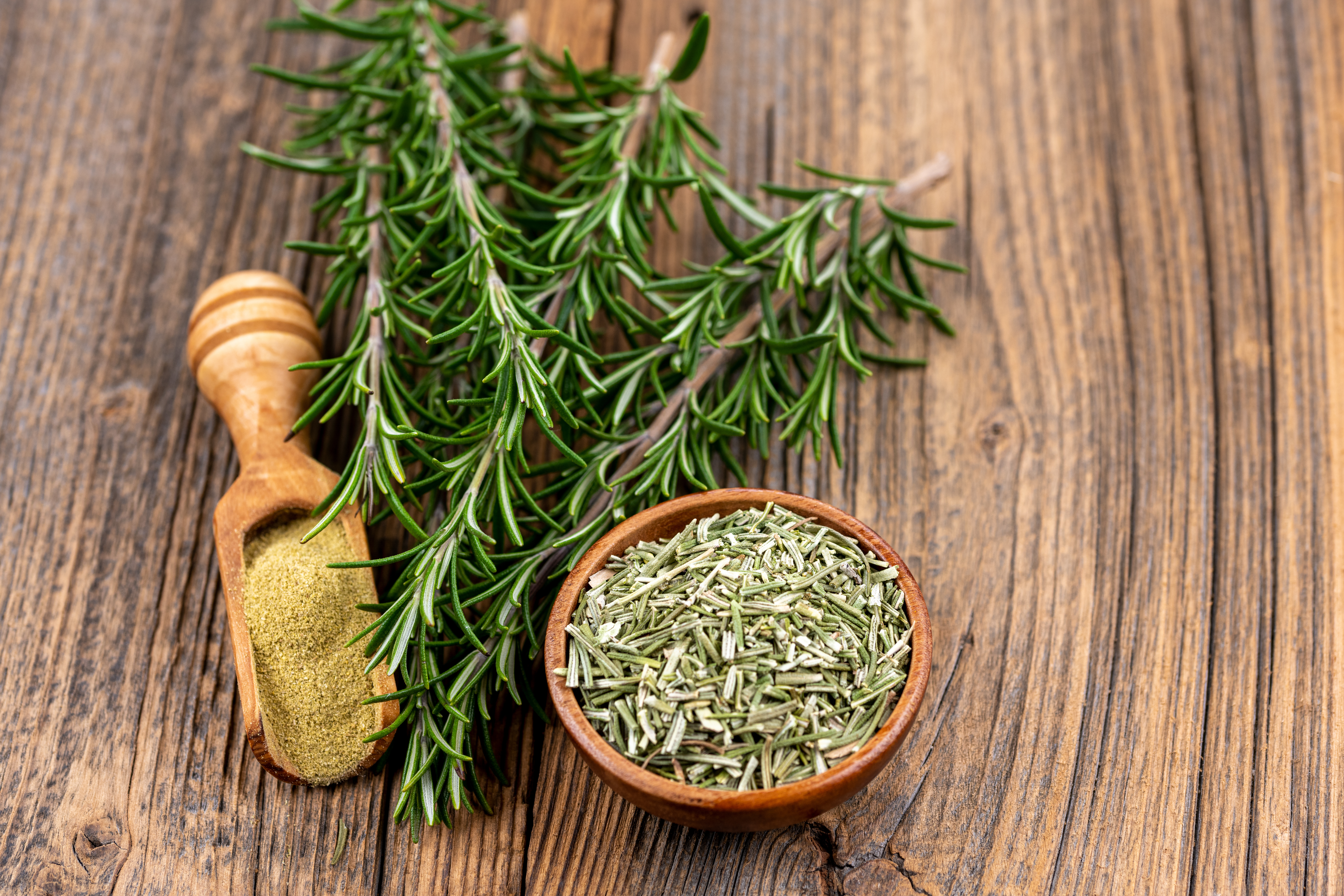
Rosemary oil stands out as a star in natural hair care. Clinical studies show that it can help improve scalp circulation and stimulate follicles, one study even found it as effective as minoxidil, a common chemical hair growth solution, but without the itching or flaking.
Wondering how to get started? Try these simple ways:
- Dilution: Always blend rosemary oil with a carrier oil, like jojoba or sweet almond oil (about 3-5 drops per tablespoon of carrier).
- DIY recipe: Combine 3 drops of rosemary oil, 2 drops of lavender oil, and 1 tablespoon of carrier oil. Gently massage into your scalp for 5 minutes, then let sit for 20–30 minutes before washing.
- Scalp massage: Regular scalp massages help boost blood flow, allowing oil nutrients to penetrate better. Use gentle fingertips and small circles, paying extra attention to thin areas.
For more detailed science and usage ideas, check out Aromatherapy insights on DiWrites, which features deep dives into rosemary essential oil health benefits.
Peppermint Oil: Cooling Stimulation for Scalp Health
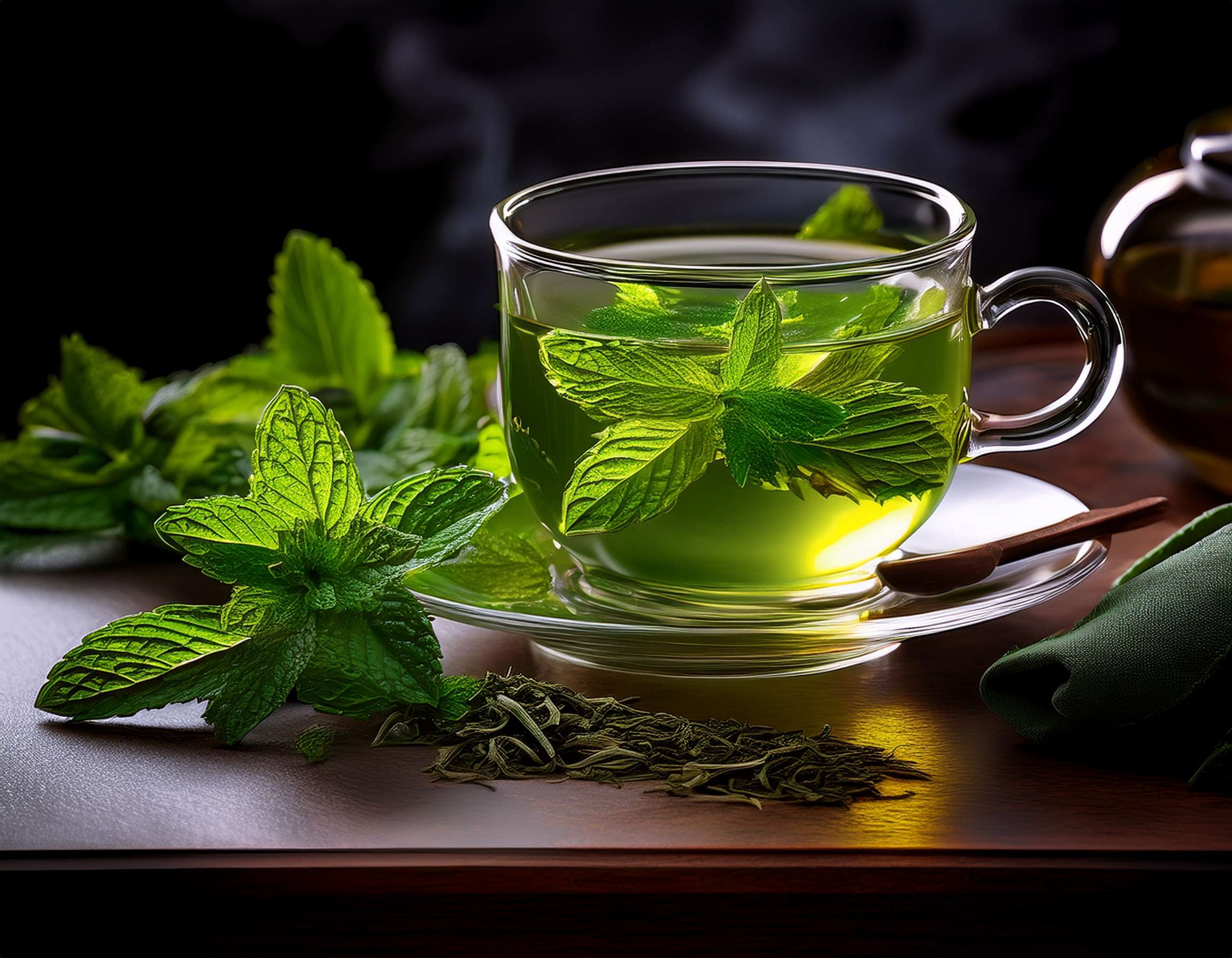
Peppermint oil is famous for its cool, tingling sensation, but the benefits run deeper. Research shows its menthol content ramps up blood circulation and may even promote more active hair follicle phases. In lab studies, peppermint oil increased hair thickness and count after just four weeks of use.
How to use peppermint oil safely:
- Always dilute before applying, try 2 drops peppermint oil per tablespoon of coconut or argan oil.
- Massage into your scalp in gentle, circular motions, especially before shampooing.
- Mix with other nourishing oils for a custom blend.
Consistent use gives a refreshing boost to tired scalps and supports healthy growth right at the root.
Lavender, Tea Tree & Ylang Ylang Oils: Additional Support for Hair Thickness
Three more oils make a big difference for scalp balance and stronger strands:
- Lavender oil: Known for soothing hair follicles and supporting thicker growth. Antimicrobial benefits fight scalp irritation caused by bacteria or fungi.
- Tea tree oil: Keeps the scalp clear by fighting build-up and flaking, creating a healthy environment for new hair.
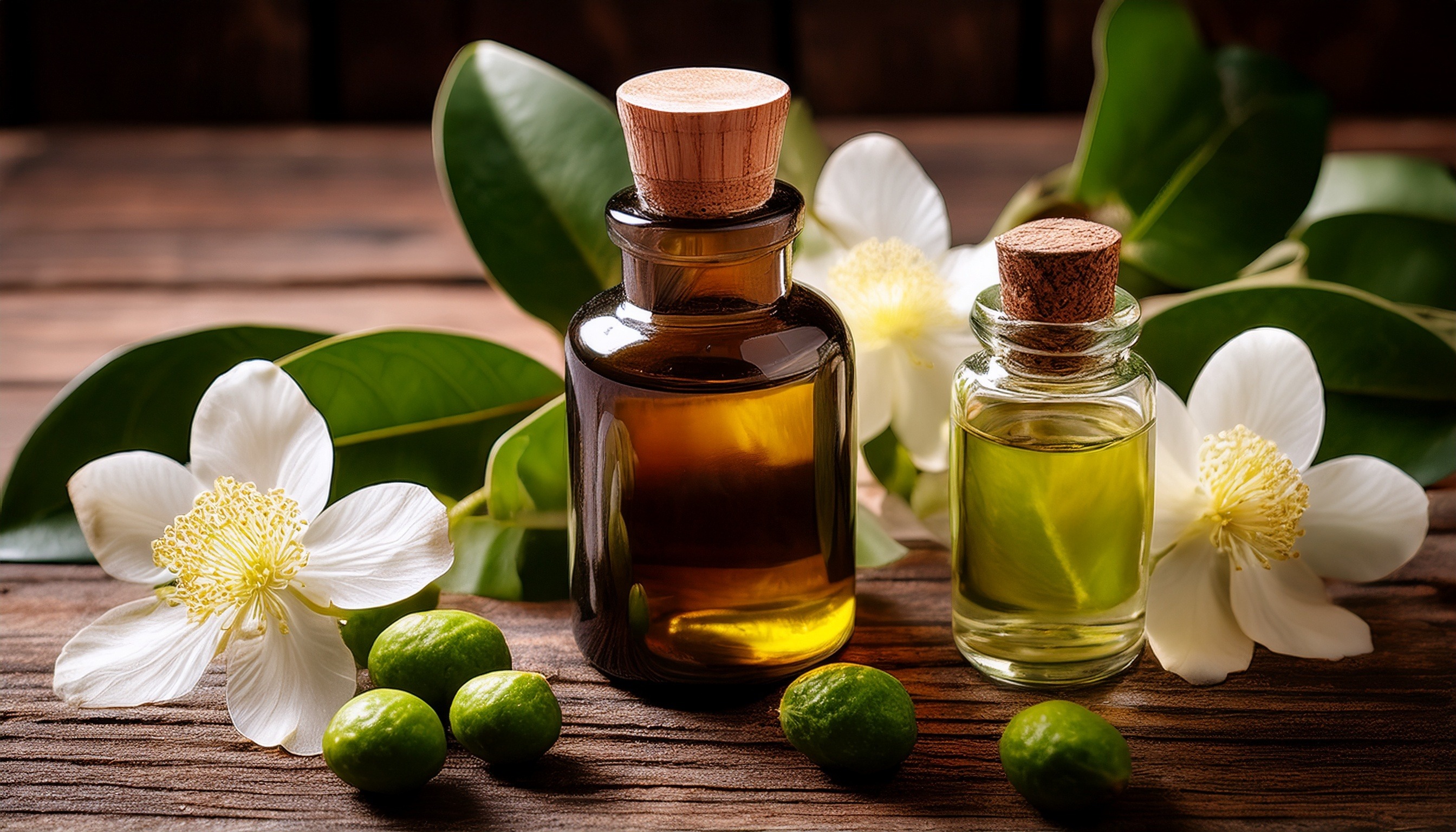
- Ylang ylang oil: This floral oil helps balance scalp oils, reducing dryness and breakage. When your scalp is nourished and balanced, strands grow in stronger.
Curious about adding ylang ylang to your routine? See the full guide to the Top 5 Mood Boosting Essential Oils, you’ll find insights about both mood and hair support.
Create your own blend by mixing 2 drops each of these oils with 2 tablespoons of carrier oil. Use as a pre-shampoo scalp treatment or a mild overnight mask.
Parsley Seed Oil: An Overlooked Solution for Natural Regrowth
Parsley seed oil might not be the first oil you think of, but it’s a hidden gem for scalp and hair restoration. Packed with antimicrobial properties, it helps keep your scalp free from the bacteria and fungi that often block healthy growth.
Benefits include:
- Improving blood flow to hair follicles, encouraging regrowth and thickness
- Calming scalp irritation, reducing redness and dryness
- Offering gentle cleansing without stripping natural oils
For more on how it supports hair (and skin), check out the comprehensive review about the Benefits of parsley seed essential oil.
Working parsley seed oil into your hair oil blend or scalp massage supports a fuller, fresher mane over time.
Let these proven botanical oils be the backbone of your routine for natural, thicker hair, one nourishing drop at a time.
How to Use Essential Oils Safely for Hair Growth
Adding essential oils to your hair care routine is simple, but safety is key. Used the right way, these plant extracts bring powerful benefits for scalp health and hair growth. Below, you’ll find the steps and best practices to tap into the benefits, all while protecting your scalp and overall well-being.
Diluting Essential Oils Properly
Essential oils are highly concentrated. Apply them “neat” (undiluted), and you’ll risk irritation, itching, or even a rash. Always mix with a carrier oil before scalp application.
Most safe blends use:
- 3-5 drops of essential oil per tablespoon (15 ml) of carrier oil for scalp treatments.
- For sensitive skin, start with 1-2 drops per tablespoon and increase as your skin gets used to the oil.
Carrier oils do more than just dilute. They add their own benefits and help the oils spread evenly. Good carrier oils for hair include:
- Jojoba oil (balances scalp, lightweight)
- Sweet almond oil (nourishes, absorbs quickly)
- Coconut oil (deep moisture, best for dry hair)
- Grapeseed oil (light texture, good for oily or fine hair)
Patch Testing for Sensitive Skin
Some people are more prone to reactions than others. Before using any new oil blend, do a patch test:
- Mix your essential oil and carrier oil at your chosen ratio.
- Apply a small amount to your inner forearm or behind your ear.
- Wait 24 hours.
- If there’s no redness, itching, or discomfort, you’re good to go. If a reaction pops up, avoid using that blend on your scalp.
Frequency and Routine for Best Hair Growth Results
Consistency wins when it comes to natural hair growth remedies. Here’s a simple approach:
- Scalp massage: Apply your diluted oil blend 2-3 times per week. Massage gently with your fingertips for 3-5 minutes to boost blood flow and help new hair thrive.
- Pre-shampoo treatment: Let the oil sit on your scalp for 20-30 minutes, then shampoo as usual. For deeper nourishment, try leaving it overnight with a towel on your pillow.
Don’t overdo it. More isn’t always better. Too much oil can clog pores or weigh down strands, especially for those with fine or oily hair.
Best Practices for Safe Scalp Application
For the best results and minimal mess:
- Part your hair into sections to reach your scalp.
- Use a dropper or your fingertips to apply the oil blend close to the roots.
- Massage in small circles to help absorption and increase blood flow.
- Rinse your hands thoroughly afterward.
Keep the oil away from eyes and mucous membranes. If any irritation starts, wash it off with mild soap and water.
Safety Notes for Pregnancy and Sensitive Groups
- Some oils, including rosemary and peppermint, aren’t recommended in pregnancy, especially during the first trimester. Always double-check with your doctor before use.
- Children and those with chronic skin conditions should avoid most essential oils on the scalp unless directed by healthcare providers.
Make Essential Oil Hair Care Part of Your Routine
Trying essential oils for the first time can feel like starting a new hobby. The more regular your application, the better your results will be. Small steps, done often, are what move you closer to thicker, healthier hair. Stick with your routine for at least a few months to give your follicles a chance to respond. Celebrate every bit of soft new growth along the way.
DIY Essential Oil Blends and Hair Growth Routines
Blending your own essential oils at home is a simple way to personalize hair care and turn your routine into a relaxing ritual. Making your own blends means you can tailor every drop to your hair’s unique needs whether you want thicker strands, a balanced scalp, or faster growth. Let’s explore some easy recipes, tips for layering oils with other natural treatments, and how to fit these into your weekly habits for visible improvement you can feel.
Easy DIY Essential Oil Blend Recipes for Thick, Healthy Hair
Getting started with at-home blends doesn’t require fancy equipment or rare ingredients. Here are go-to recipes for different hair goals:
To Promote Thicker, Fuller Hair:
Mix and massage this blend into your scalp 2-3 times per week.
- 3 drops rosemary essential oil
- 2 drops peppermint essential oil
- 1 drop ylang ylang essential oil
- 1 tablespoon jojoba or sweet almond oil
Apply to your scalp, massage gently for 5 minutes, then let sit for 20-30 minutes. Shampoo as usual. Rosemary and peppermint team up for a powerful boost in circulation, while ylang ylang balances and conditions.
To Support Healthy Scalp and Fight Shedding:
This blend helps keep your scalp calm and clear, the perfect foundation for regrowth.
- 2 drops tea tree essential oil
- 2 drops lavender essential oil
- 1 tablespoon coconut or grapeseed oil
Massage in, focusing on itchy or flaky areas. Leave on for 15-30 minutes, then wash out.
For Faster Hair Growth:
Amplify your routine with this blend, designed to wake up lazy follicles.
- 2 drops rosemary
- 2 drops peppermint
- 2 drops cedarwood essential oil
- 1 tablespoon carrier oil
Use as a scalp massage before bed and rinse out in the morning. Fans of rosemary oil can learn even more ways to use it from the Rosemary Essential Oil Benefits article.
Layering Essential Oils With Other Natural Treatments
For maximum impact, try blending your essential oil routine with other hair-friendly practices. Here’s how to layer for results:
- Pre-shampoo oil massage: Start with a scalp massage using your favorite blend. Allow 20–60 minutes before washing for deep nourishment.
- Combine with gentle exfoliation: Once a week, use a soft-bristled scalp brush or sugar scrub before applying oils. This removes buildup, helping oils penetrate better.
- Finish with herbal rinses: After washing out the oil, use a cool herbal tea rinse (like rosemary or nettle tea) to support shine and soothe the scalp.
- Weekly overnight treatment: For stubborn thinning, leave your oil blend on overnight (protect your pillows) twice a week for deeper results.
Treat your DIY oil routine as a flexible toolbox. If you notice dryness, add a little extra jojoba or coconut oil. If your scalp feels too oily, cut back to once a week. Patience, gentle hands, and consistency are your best friends.
Building Your Best Hair Growth Routine
Adopting a regular schedule is key. Here’s a simple routine you can follow:
- Choose your blend based on your current goal (fuller hair, healthier scalp, or new growth).
- Apply oils 2-3 times a week, always after a patch test for safety.
- Pair with supportive care: Eat a balanced diet, drink water, reduce heat styling, and manage stress.
- Keep your scalp clean and clear, rinsing out oil blends fully every time.
If you’re newer to essential oils or want even more beginner recipes and detailed safety tips, you’ll find a full guide at Essential Oils for Beginners.
Real results come when healthy habits stick. Try out these routines for a few months. Keep a hair diary, track what feels different, and don’t get discouraged by the pace. Everyone’s growth story is different, but the daily care you put in now can help you see improvement with every strand.
Conclusion
Growing thicker hair with essential oils is a journey, not a sprint. These simple oils can bring new life to your routine when used with care and patience. By working with hair-friendly blends and practicing consistency, you let nature support you in a way that’s gentle and sustainable.
Many have seen fuller, stronger hair by sticking to the basics; dilution, regular massage, and the right oil choices for their scalp needs. This approach gives your hair time to renew itself, as consistent self-care often leads to the best results. If you have ongoing scalp or health issues, it’s smart to consult a healthcare professional before making big changes to your routine.
Your journey to thicker hair can be both simple and enjoyable, one drop at a time.
Stay Connected for More Natural Living Inspiration
If you enjoyed this post about essential oils and love discovering natural ways to refresh your home and wellness, don’t miss out on future recipes and clean-living tips! Subscribe to the blog for weekly DIYs, wellness inspiration, and herbal remedies delivered straight to your inbox.
Tap here to purchase the essential oils mentioned in this post, explore new essential oil products, herbal tea blends, and more.
Thanks for coming by!

Leave a Reply