(DISCLAIMER: I am not a doctor, and you should consult your healthcare professional before starting any health regimen. Product links are commissioned and supports the blog)

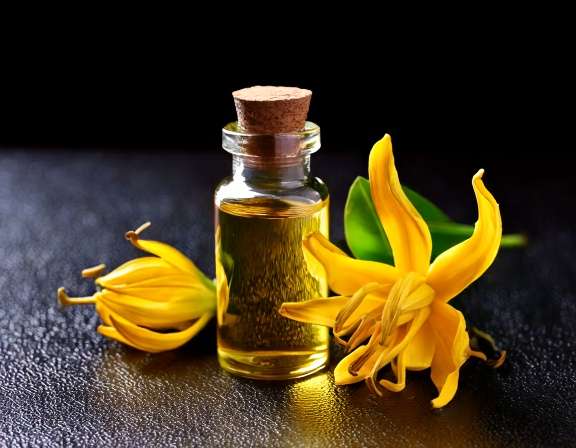
When you open a bottle of ylang ylang essential oil, a rich floral scent rises first, sweet and slightly fruity, with a warm, exotic finish. Its aroma can make an ordinary room feel softer within moments.
Beginners often enjoy this oil because a small amount creates a noticeable fragrance. Aromatherapy users commonly add it to relaxation routines, body oils, hair care, massage blends, and homemade perfumes. The oil is steam-distilled from the flowers of Cananga odorata, a tropical tree. Research is still limited, however, and essential oils can’t replace medical care. Start by learning what the oil can do, then use it carefully.
Key Takeaways
- Ylang ylang essential oil comes from the fragrant flowers of Cananga odorata, a tropical tree native to Southeast Asia.
- Its powerful aroma is sweet, floral, fruity, and slightly spicy.
- Inhaled ylang ylang may encourage a calmer mood and feelings of relaxation.
- Properly diluted oil is common in body care, massage, scalp routines, and hair products.
- Never apply it undiluted, and don’t ingest it without direction from a qualified professional.
- Evidence for anxiety, sleep problems, blood pressure, and other health conditions remains limited.
What Is Ylang Ylang Essential Oil, and What Does It Do?
Ylang ylang essential oil comes from the star-shaped flowers of Cananga odorata. The tree grows in tropical parts of Southeast Asia, including Indonesia and the Philippines. Producers usually collect the flowers and use steam distillation to separate their volatile aromatic compounds from the plant material.
The finished oil has a full, unmistakable scent. It combines sweet flowers with hints of fruit, spice, and freshness. Perfumers often use it as a middle note because it helps connect lighter citrus scents with heavier woods, resins, or vanilla. You’ll also find its fragrance in soaps, lotions, bath products, body oils, and some hair products.
Several compounds contribute to its aroma, including linalool, beta-ocimene, piperonal, and eugenol. When you inhale the oil, these airborne molecules interact with your sense of smell. Smell can influence emotional responses through the nervous system, but that doesn’t mean the oil treats a medical condition.
Traditional practices have used ylang ylang flowers and oil for fragrance, massage, personal care, and emotional comfort. Modern research has examined relaxation, blood pressure, microbes, inflammation, and other effects. Much of that evidence comes from laboratory or animal studies. Human studies remain small, and results from a lab dish or animal model don’t prove that the same effect will occur in your home routine.
A pleasant scent can support a relaxing ritual, but it shouldn’t carry the responsibility of treating anxiety, insomnia, hypertension, or depression.
Potential Benefits for Relaxation, Mood, and Blood Pressure
Small human studies suggest that inhaled ylang ylang may promote calm feelings. One randomized study involving 29 healthy men found lower systolic and diastolic blood pressure after inhalation, along with heart rate reductions in several ECG measurements. Participants also reported feeling more relaxed.
These findings are useful, but they have limits. A short-term change in blood pressure isn’t the same as treating hypertension. Similarly, feeling calmer during an aromatherapy session doesn’t establish a treatment for clinical anxiety, depression, or insomnia.
If you take blood pressure medicine, have a heart condition, or plan to use aromatherapy for ongoing symptoms, speak with a healthcare professional first. Keep prescribed treatment and medical monitoring in place.
Why People Use It for Skin, Hair, and Fragrance
The oil’s rich scent explains much of its popularity in personal care. A few diluted drops can bring a soft floral character to a massage oil, bath blend, body lotion, or homemade perfume. Many people also add it to a scalp or hair routine for fragrance and a smoother-feeling finish.
Those cosmetic uses don’t prove that ylang ylang treats dandruff, acne, psoriasis, scalp irritation, or hair loss. Laboratory findings about antimicrobial or anti-inflammatory activity need more human research before anyone can promise those results. Use the oil as a scented personal-care ingredient, not as a substitute for diagnosis or treatment.
Practical Ways to Use Ylang Ylang Oil at Home
Inhalation, diffusion, and diluted topical use are the easiest starting points. Because the aroma is intense, begin with less than you think you need. Too much may cause a headache, nausea, dizziness, or simple scent fatigue.
For blending help, review this beginner guide to mixing essential oils. Keep every recipe below for external use only. Don’t put these blends in food, tea, water, or capsules.
Calming Ylang Ylang Diffuser Blend
INGREDIENTS
- 2 drops ylang ylang essential oil
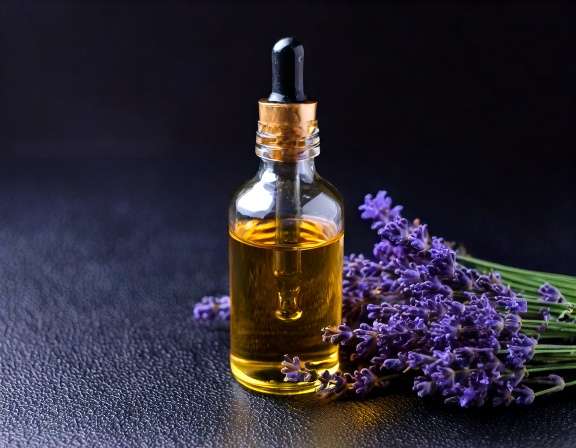
- 2 drops lavender essential oil
- 1 drop sweet orange essential oil, or another suitable citrus oil
- Water according to your diffuser’s instructions
Add the oils to the diffuser water after filling it to the recommended level. Run the diffuser for a short session in a ventilated room, then take a break. Stop immediately if anyone develops a headache, dizziness, coughing, or breathing discomfort. Keep the diffuser away from young children and pets, and place it where it can’t tip over.
A small bedroom diffuser often needs only a few total drops. You can find more guidance in this practical guide to using essential oil diffusers.
Softening Ylang Ylang Body Oil
INGREDIENTS
- 1 fluid ounce jojoba oil or sweet almond oil
- 3 drops ylang ylang essential oil
- 3 drops lavender essential oil
Pour the carrier oil into a clean bottle, add the essential oils, and close the cap. Roll the bottle between your hands to mix it. Patch test the diluted blend first. If your skin stays comfortable, massage a small amount onto slightly damp skin after bathing. This is a low-strength blend, but don’t use it on broken, irritated, inflamed, or sensitive skin.
Simple Ylang Ylang Hair and Scalp Oil
INGREDIENTS
- 1 fluid ounce jojoba oil
- 4 drops ylang ylang essential oil
Combine the oils in a clean, small bottle. Apply a small amount to the scalp or hair ends, keeping the oil away from your eyes. Leave it on briefly if your scalp feels comfortable, then shampoo as usual. This blend adds scent and moisture, but it isn’t a treatment for hair loss, scalp disease, dandruff, or infection.
How to Choose and Use Ylang Ylang Essential Oil Safely
A trustworthy bottle should identify the plant clearly. Look for the botanical name Cananga odorata, the words “100% pure essential oil,” the country of origin, and the extraction method. Batch or lot information also helps you trace the product. Some companies provide independent quality testing, such as gas chromatography and mass spectrometry reports, when available.
The phrase “therapeutic grade” isn’t a regulated guarantee of purity or quality. Marketing language can’t tell you whether a product contains the stated oil, has been diluted, or was stored properly. Buy from a seller that provides clear labeling and contact information.
Essential oils are concentrated materials. Dilution lowers the amount touching your skin, but it doesn’t remove the risk of irritation or allergy. Ylang ylang has a known sensitization risk, so never apply it neat. Keep the bottle closed tightly, and don’t assume that a natural ingredient is automatically gentle.
Store the oil in a cool, dark place away from sunlight, heat, children, and pets. A bathroom shelf may expose it to repeated heat and humidity, so a closed cabinet outside the bathroom is often a better choice. Discard the oil if its smell changes sharply or the bottle shows signs of contamination.
Dilution, Patch Testing, and Common Reactions
For facial products, a cautious dilution is about 0.5% to 1%. General adult body products are often kept around 1% to 2%, although product directions and professional guidance should come first. These percentages don’t guarantee safety because skin sensitivity varies.
To patch test, apply a small amount of the diluted blend to a limited area, such as the inner forearm. Leave the area alone and watch it for 24 hours. Stop using the blend if you notice redness, itching, swelling, burning, nausea, headache, or other discomfort. Wash the area with mild soap and water if a reaction occurs.
Don’t add extra drops because the scent seems faint in a carrier oil. Your nose can adjust quickly, while your skin still receives the same concentrated ingredients. For massage or body care, a simple, low-strength blend is usually enough.
Who Should Avoid It or Ask a Professional First?
Don’t use ylang ylang oil on babies or very young children. Keep it away from the eyes, inside the nose, mouth, and other mucous membranes. If it enters the eyes, rinse with a plain carrier oil or an appropriate first-aid method rather than adding water alone, then seek medical advice if irritation continues.
Ask a healthcare professional before use during pregnancy or breastfeeding. Extra care is also appropriate if you have epilepsy, liver disease, low blood pressure, asthma, fragrance sensitivity, or a medication plan that includes blood pressure-lowering drugs.
People with asthma or fragrance sensitivity may react to diffused oils even without skin contact. Use caution, keep sessions short, and stop if breathing becomes uncomfortable. Never use ylang ylang internally unless a qualified healthcare or aromatherapy professional gives specific direction.
A Gentle Way to Begin
Ylang ylang essential oil is best viewed as a strongly scented wellness and personal-care ingredient. Its floral aroma may encourage relaxation, while a diluted blend can add character to a massage, body oil, or hair routine. Promising laboratory results and small human studies aren’t proof of a cure.
Start with one recipe or a low diffuser setting. Patch test carefully, use fresh air, and stop if your body objects. Enjoy the oil slowly, allowing its warm floral scent to remain a small, mindful part of your routine.
Stay Connected for More Natural Living Inspiration
If you enjoyed this post about herbal wellness and love discovering natural ways to refresh your home and wellness, don’t miss out on future recipes and clean-living tips! Subscribe to the blog for weekly DIYs, wellness inspiration, and herbal remedies delivered straight to your inbox.
Don’t forget to visit my Amazon storefront for the links to my favorite essential oils, herbal teas, and natural recipes. I also create YouTube ambiance videos for sleeping; a channel I created to help people who have trouble sleeping. The link to all social media content is here.
Thanks for coming by!

Leave a Reply