
(DISCLAIMER: I am not a doctor, and you should consult your healthcare professional before starting any health regimen.)

Key Takeaways:
- Rosewood oil is steam-distilled from Aniba rosaeodora wood (and sometimes leaves), and quality varies a lot.
- Many people use it for a skin-soothing feel and a balanced, “exhale” kind of scent.
- Safe results come down to dilution, patch testing, and avoiding eyes and broken skin.
- Ethical sourcing matters because rosewood has a real history of overharvesting.
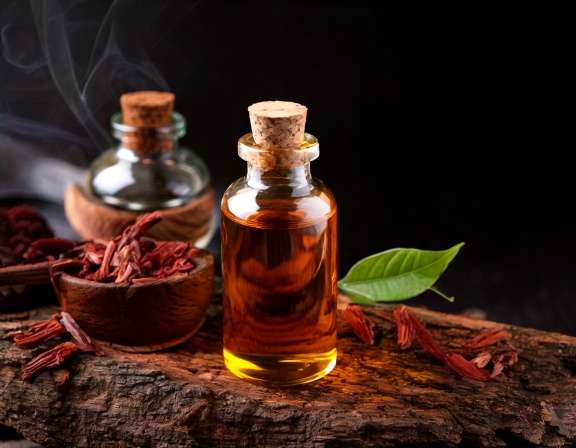
Rosewood essential oil offers benefits with this soft mix of woody, floral, and slightly sweet notes that makes people pause for a second after they open the bottle. It feels gentle, not loud. That’s a big reason it shows up in both skin care routines and aromatherapy calming nighttime blends; it can add comfort without taking over the room (or your face cream).
If you’re here for rosewood essential oil skin benefits, this guide keeps it practical: what the oil is, what people tend to notice on skin, how to use it for stress and anxiety, and how to pick a responsibly sourced bottle you can feel good about.
What rosewood essential oil is, and why quality and sourcing matter
Rosewood essential oil is usually extracted through steam distillation from the wood of the rosewood tree (Aniba rosaeodora). Some products use leaves or a mix of plant parts, which can shift both scent and chemistry. A true rosewood oil often smells smooth and comforting, like fresh-shaved wood with a light floral lift. It’s one of those oils that can make a simple blend feel “finished.”
People often describe rosewood as calming and skin-friendly because it tends to feel soft compared to sharper oils. That doesn’t mean it’s risk-free. It just means it usually blends well in gentle routines when it’s diluted correctly.
Sourcing is a bigger deal with rosewood than with many common oils. Rosewood trees from the Amazon rainforest were heavily harvested in the past, contributing to their status as an endangered species, and that history still affects how the oil is produced today. When you buy rosewood, you’re not just choosing a scent. You’re also voting for how it’s made. Look for brands that talk clearly about where their rosewood comes from, whether there are replanting programs, and how the supply chain is managed.
A few label terms help you shop with more confidence:
- Botanical name: You want Aniba rosaeodora (spelling matters).
- Country of origin: Helpful for traceability and consistency.
- Batch testing and GC/MS: This is a lab report that shows what’s in the oil. You don’t need to read it like a chemist, you just want to know it exists.
- “Therapeutic grade”: This sounds official, but it’s not a regulated term. Treat it like marketing unless it’s backed by real testing, transparency, and proof of therapeutic benefits.
The main compounds people talk about (especially linalool)
Rosewood oil is often talked about as being high in linalool, which is also found in lavender. The elevated linalool content shapes its gentle profile. In plain terms, linalool is one reason rosewood can smell calming and feel gentle in a skin blend.
Some studies suggest linalool-rich aromas may help people feel more relaxed, and many users report a soothing vibe when it’s part of a routine. Still, everyone’s nose and skin are different, so it’s best to think of rosewood as “may help set the tone,” not a guaranteed fix.
How to choose an ethical bottle without overpaying
A good rosewood bottle shouldn’t feel like a mystery. Here’s what to check before you buy:
- Clear Latin name: Aniba rosaeodora
- Plant part listed (wood, leaf, or both)
- Extraction method (usually steam-distilled)
- Brand transparency (origin info, batch testing, and contact details)
- Realistic pricing (super-cheap rosewood can be a red flag)
Once you have it, storage is part of safety. Keep it in dark glass, store it in a cool spot, and tighten the cap. Oils that oxidize can become more irritating over time.
Rosewood essential oil skin benefits people notice most
Rosewood is a favorite for skin routines because it tends to feel “friendly.” It’s not sticky, not sharp, and it pairs well with the kind of carrier oils people already use for dry or stressed skin. The main thing to remember is that essential oils are concentrated. The goal is a gentle add-in, not a heavy hand.
When people talk about rosewood essential oil benefits, they’re usually describing three everyday experiences tied to its skin regeneration powers: skin that feels more comfortable, a routine that smells calming, and a smoother-looking finish when used consistently in a diluted blend. None of that requires complicated products.
Start with safe dilution, especially on the face:
- Face dilution: 0.25 to 0.5 percent
- 1 ounce (30 ml): about 1 to 3 drops total
- 2 ounces (60 ml): about 3 to 6 drops total
- Body dilution: 1 to 2 percent
- 1 ounce (30 ml): about 6 to 12 drops total
- 2 ounces (60 ml): about 12 to 24 drops total
Drop size varies by bottle, so treat these as close estimates. If you’re new, start low. You can always adjust next time.
A few common-sense boundaries matter here: patch test every new blend on sensitive skin, keep oils away from eyes and mucous membranes, ensure topical application is diluted correctly, and don’t apply over broken or irritated skin. If your skin stings or gets red, wash it off with soap and a carrier oil (not just water), then stop.
If you like simple DIY, try one of these low-effort natural blend ideas:
- Face oil add-in: Add 1 to 2 drops of rosewood to a 1-ounce bottle of jojoba or squalane carrier oil. Use a few drops at night on slightly damp skin.
- Body oil after shower: In a 2-ounce bottle of sweet almond or grapeseed carrier oil, add 12 drops rosewood for a 1 percent blend. Apply to arms and legs while skin is still a bit damp.
- Hand cream boost: Put a small amount of unscented hand cream in your palm, then mix in 1 drop of rosewood (only if your total use stays in a safe range). Rub in well, avoid cracked skin.
For more skin-and-mood inspiration with a floral oil, Neroli oil benefits for radiant skin is another helpful read.
Dry, rough, or tired-looking skin, how rosewood fits into a simple routine
Rosewood works best as part of a basic routine you’ll actually repeat. Think of it like adding a soft background note to music. It doesn’t need to be the lead. Its skin regeneration at a cellular level, along with antibacterial properties for acne, anti-inflammatory effects for eczema, and antioxidant properties to fight wrinkles and stretch marks, makes it ideal for these concerns.
Pair it with carrier oils that match your skin type:
- Jojoba feels light and balances well.
- Argan feels richer, great for dry patches.
- Sweet almond is an easy, budget-friendly body option.
- Squalane feels silky and layers nicely under moisturizer.
Don’t expect overnight changes. Most people notice the biggest difference when they use a gentle natural blend several nights a week, and keep the rest of the routine simple.
A gentle option for scenting DIY skin care (without overpowering florals)
If you’ve ever made a DIY lotion and thought, “Why does this smell like a perfume counter,” rosewood might be your answer. It’s floral, but it doesn’t scream.
Two easy blend ideas (keep your total drop count within the dilution limits above):
- Rosewood + lavender: Soft and bedtime-friendly, especially in a body oil.
- Rosewood + frankincense: A calm, grounded scent that pairs well with face oils.
Mix, then pause for a day before you judge the scent. Blends often smell smoother after they sit.
Stress, sleep, and mood support, the aromatherapy side of rosewood
Scent can be like a shortcut to “I’m safe, I can slow down.” Rosewood fits that space for a lot of people because it’s gentle and warm, thanks to compounds like linalool that contribute to its relaxing scent. It doesn’t blast your senses the way peppermint or eucalyptus can. Instead, it supports a calmer atmosphere for stress and anxiety relief, which is often what you want at the end of a long day.
Aromatherapy is personal, though. The same oil can feel cozy to one person and “too sweet” to another. The good news is rosewood is easy to test without committing to a big routine. Start with one drop, see how you feel, then build slowly.
The most useful ways to use rosewood for mood are also the simplest: short diffuser sessions, a personal inhaler for quick moments, or a diluted roll-on that becomes part of a wind-down habit. Pair it with something real and physical, like stretching, meditation for spiritual grounding, a warm cup of herbal tea, or ten minutes without a screen. The oil sets the tone, but the habit does the heavy lifting.
A quick caution: if you diffuse around kids or pets, use fewer drops, keep airflow going, and give everyone the option to leave the room. With scent, less is often better.
Easy ways to use it at home (diffuser, inhaler, roll-on)
For a small room diffuser, try 3 to 6 drops total, then run it for 30 to 60 minutes and take a break. That helps reduce scent fatigue and keeps the air from feeling heavy.
Two simple natural blends:
- Bedtime: 3 drops rosewood + 2 drops lavender
- Mid-day reset: 3 drops rosewood + 1 drop sweet orange
If you like a personal inhaler, add 8 to 12 drops total to the cotton wick (follow the inhaler directions). For a roll-on, use a 10 ml bottle and keep it gentle (about 1 percent is a common choice for wrists). Apply, then rub wrists together lightly and breathe normally.
When rosewood is a better pick than stronger oils
Some oils feel like a splash of cold water. Rosewood is more like a warm mug in your hands. If peppermint makes your head feel buzzy, or eucalyptus feels too sharp, rosewood can be a softer option for relaxation blends.
It’s also a nice “bridge oil” when you want something woodsy but not smoky. Start with 1 drop in any blend, then adjust. Your nose will tell you quickly if it’s a yes.
Safety, dilution, and who should skip it
Rosewood can be gentle, but it’s still an antiseptic oil with antifungal activity. Skin reactions can happen with any oil, even ones people call mild. Always dilute before topical application on skin, and do a skin patch test every new blend on your inner forearm.
Rosewood isn’t known as a major photosensitive oil, so sunlight is not the big worry here. Irritation is the main concern, especially if you use too much, apply it too often, or use an older bottle that’s started to oxidize.
Extra caution matters if you’re pregnant, nursing, or managing a medical condition. Ask a clinician who knows your situation. For children or those with sensitive skin, use much lower dilutions and keep products away from hands that might rub eyes. If you have asthma or strong scent sensitivity, avoid heavy diffusing and keep sessions short.
Home internal use isn’t recommended. It’s hard to dose safely, and it’s not necessary for the uses most people want.
If you’re comparing rosewood to oils that are more intense on skin, using clove essential oil for healthy skin is a good example of why strength and dilution really matter.
Quick safety rules
- Dilute correctly every time before skin use.
- Patch test and wait 24 hours.
- Avoid eyes, lips, and broken skin.
- Stop right away if burning, rash, or itching shows up.
- Use less for kids and sensitive noses, and diffuse with fresh airflow.
- Store tightly capped in dark glass, away from heat.
Conclusion
Rosewood essential oil earns its spot thanks to its versatile rosewood essential oil benefits; it’s flexible: a skin blend can feel more comforting, and a room can feel calmer without a loud scent hanging in the air. Its antioxidant properties help fight free radicals. The best results come from two things you can control: responsible sourcing and safe dilution.
Start simple. Choose a transparent, ethically sourced bottle, patch test, then try one easy recipe like a 1-ounce body oil at 1 percent (about 6 drops). Give it a week or two and see how it fits your routine.
What are you hoping to use rosewood for most, skin support, sleep, or DIY body care?
Stay Connected for More Natural Living Inspiration
If you enjoyed this post about herbal wellness and love discovering natural ways to refresh your home and wellness, don’t miss out on future recipes and clean-living tips! Subscribe to the blog for weekly DIYs, wellness inspiration, and herbal remedies delivered straight to your inbox.
Don’t forget to visit my Amazon storefront for the links to my favorite essential oils, herbal teas, and natural recipes. I also create YouTube ambiance videos for sleeping; a channel I created to help people who have trouble sleeping. The link to all social media content is here.
Thanks for coming by!
Leave a Reply