
(DISCLAIMER: I am not a doctor, and you should consult your healthcare professional before starting any health regimen. Product links are commissioned and supports the blog)

Key Takeaways
- Fir needle essential oil comes from fir trees in the Abies genus, often Abies sibirica or Abies balsamea.
- It is steam distilled from the needles, which captures its fresh, woodsy aroma.
- People often use it for a clearer breathing feel, a calmer mood, and comfort after exercise.
- It works well in diffusers, massage oils diluted with carrier oil, bath blends, and simple cleaning sprays.
- You should always dilute it before skin use and Patch test new blends first.
- Children, pregnant or nursing people, those with asthma, and pet owners should use extra caution.
- Research on fir needle oil is promising, especially in lab settings, but it is not a cure-all and should not replace medical care.
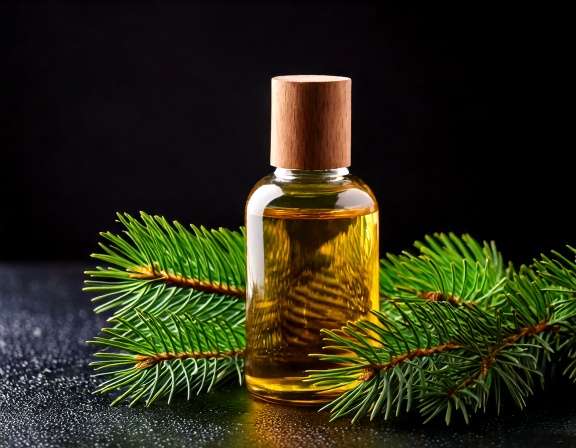
Crack open a bottle of fir needle essential oil, and it can feel like cold air slipping through an Evergreen forest. The scent is sharp at first, then softens into something green, resinous, and quietly clean, like a forest path after rain.
That refreshing scent is a big reason people love it. Fir needle oil shows up in diffusers, massage blends, bath soaks, and simple home cleaners because it can make a room feel invigorating and the body feel less heavy. At the same time, it needs the same care as any concentrated essential oil.
The best way to enjoy fir needle oil is to know what it is, what it may help with, and how to use it safely in real life.
What fir needle essential oil is and why it smells like a walk in the woods
Fir needle essential oil comes from coniferous trees in the Abies genus. Two of the best-known sources are Siberian fir (Abies sibirica) from the Siberian wilderness and balsam fir (Abies balsamea). While they belong to the same tree family, they don’t smell exactly alike.
Some bottles smell brisk and almost sparkling with a pine-like aroma. Others feel softer, deeper, or deliver a balsamic aroma. In simple terms, the scent usually lands somewhere between fresh-cut branches, clean mountain air, and warm tree resin.
That familiar forest note comes from the needles, which hold fragrant compounds the tree uses for its own protection. When those aromatic molecules are captured in oil form, the result is concentrated and vivid. A few drops can shift the feel of a whole room.
As of April 2026, fir and other forest-scented oils remain popular in home aromatherapy. Still, fresh interest doesn’t mean firm proof for every claim. Much of what people love about fir needle oil comes from traditional use, scent experience, and early lab research, not large human trials.
The trees, the needles, and the steam distilled process
Most fir needle essential oil is made through steam distillation. In plain English, steam passes through the needles, lifts the aromatic compounds, then cools so the oil can separate from the water.
It’s a clean, time-tested method. No heavy fragrance tricks are needed when the source material is already richly scented. The species matters, and so does the place where the trees grow. Climate, soil, and harvest timing can all shape the final aroma. That’s why one fir oil may smell bright and airy, while another feels rounder and more resin-like.
The natural compounds behind the fresh, crisp aroma
Fir needle oil contains naturally occurring monoterpene molecules such as alpha-Pinene, beta-Pinene, and Bornyl acetate. You don’t need to memorize those names, but they help explain the scent.
Bornyl acetate often gives fir oil its smooth, piney warmth. Camphene adds a dry, brisk edge. Alpha-pinene brings that sharp, outdoorsy lift people often describe as clearing or energizing.
These compounds are also why fir needle oil is often linked with a calming, refreshing feel. Some early research has explored anti-inflammatory and antimicrobial activity in conifer oils, but that doesn’t mean every bottle acts like medicine. In day-to-day use, most people notice the atmosphere first: cleaner air, a steadier mood, and that “walk in the woods” feeling.
The main benefits people look for, from easier breathing to a calmer mood
People usually reach for fir needle oil for three reasons. They want a room to feel fresher, their mind to settle, or their body to feel less worn out after a long day.
That makes sense. The scent is both crisp and grounding, which is a rare mix. It can wake up a stale space without feeling harsh. It can also soften the edge of stress without turning syrupy or sleepy.
How fir needle oil may support stress relief and mental clarity
A woody scent can change the mood of a room faster than a long to-do list can change your face. Fir needle oil has that effect for many people. Its forest-like aroma evokes the restorative practice of forest bathing, feeling cooling, open, and steady, almost like stepping outside after hours under bright indoor lights.
That response fits with how aromatherapy works. Smell connects quickly with memory and emotion, so a forest-like aroma may help you feel more settled or mentally refreshed. Some people diffuse fir during work, meditation, or evening wind-down time for that reason.
If you enjoy this type of scent profile, other mood-boosting essential oils can pair well with fir in calm, balanced blends.
Why people use it for chest comfort and sore muscles
Fir needle oil is also common in winter routines and post-workout blends. In a diffuser or steam-style setup, people often use it when they want a more open, clear breathing feel. That doesn’t mean it treats colds, asthma, or infection. It means the aroma can feel crisp and comforting when the air feels heavy.
On the body, diluted fir needle oil is popular in massage blends for tired shoulders, stiff backs, and sore legs. Some of that appeal comes from the scent alone. Some may come from compounds that researchers continue to study for anti-inflammatory action. Either way, the evidence in humans is still limited.
Fir needle oil may support comfort and atmosphere, but it should not stand in for medical care.
Used with that mindset, it can be a helpful part of a simple wellness routine.
Simple ways to use fir needle essential oil at home
Fir needle oil shines when you keep the method easy. You don’t need a shelf full of bottles or a complicated ritual. One diffuser blend, one massage oil, and one cleaning spray can take you a long way.
A diffuser blend for fresh air and a clear, cozy mood
Try this blend when a room feels stale or your mind feels crowded, perfect for the holiday season:
- 4 drops fir needle essential oil
- 2 drops lemon essential oil
- 1 drop lavender essential oil
Add the oils to your diffuser with water as directed by the maker. Diffuse for 30 minutes, then give the room a break. Crack a window if you can, especially in a small space.
The result smells like sun on pine needles with a softer finish, mimicking the scent of a Christmas tree. During colder months, you might also enjoy browsing DIY immune-boosting blends with oils for other seasonal diffuser ideas.
A diluted massage blend for post-workout aches
For a gentle beginner blend, mix:
- 5 drops fir needle essential oil
- 1 ounce carrier oil
Good carrier oils include jojoba, sweet almond, fractionated coconut, or olive oil. Always dilute fir needle oil in a carrier oil first for safety. Swirl the mixture in a dark glass bottle, then massage a small amount into sore calves, shoulders, forearms, or the back of the neck.
Keep it away from broken skin, eyes, and other sensitive areas. If you want a bath instead, mix 3 to 4 drops of fir needle oil into 1 tablespoon of carrier oil or unscented liquid soap first, then add that mixture to warm bathwater. Never drip essential oil straight into the tub, because it can cling to the skin in concentrated spots.
An easy fir needle cleaning spray for a forest-fresh home
For a basic spray and one of the simplest natural cleaning products, combine the following in an 8-ounce spray bottle:
- 1 cup distilled water
- 1 cup white vinegar
- 15 drops fir needle essential oil
- 10 drops lemon essential oil
Shake before each use. Spray on sealed countertops, trash can lids, tile, and other hard household surfaces, then wipe clean. Fir needle oil adds its cleansing properties for effective results.
Skip this recipe on unfinished wood, unsealed stone, and other delicate materials that vinegar can damage. The scent is fresh without smelling like fake pine cleaner, which is part of the charm.
If you like keeping a small but practical oil collection at home, this guide to essential oils in a natural first aid kit is a useful next read.
Safety tips to know before you put fir needle oil on your skin or in the air
Fir needle oil smells gentle, but it’s still a concentrated plant extract that can cause skin sensitization. A clean forest scent can trick people into thinking it’s mild enough to use freely. It isn’t.
While fir needle oil is popular in skin care formulations, use a light hand and always dilute it properly. Keep the room ventilated when diffusing. Store bottles away from heat, flame, and direct sun because essential oils are flammable and can lose quality faster in poor storage.
Also, don’t ingest fir needle essential oil unless a qualified clinician has told you to do so. Home use should stay simple and external.
How much to dilute and when to do a patch test
A 1 to 2 percent dilution is a practical range for most adult topical use. That works out to about 6 to 12 drops per ounce of carrier oil. If you have sensitive skin, start lower.
Patch testing is easy. Apply a small amount of your diluted blend to the inside of your forearm, then wait 24 hours. If redness, itching, or burning shows up, don’t keep using it.
Who should be extra careful with fir needle essential oil
Some people need more caution, even with diffusion. That includes young children, pregnant or nursing people, anyone with asthma or other reactive breathing conditions, and households with pets, especially cats and birds.
Natural doesn’t always mean risk-free. Strong scents can irritate airways, and some animals process essential oils poorly. If you’re diffusing around pets, keep the area well ventilated and make sure they can leave the room.
If you have a chronic health condition, take regular medication, or want to use fir oil often, it makes sense to ask a health professional first.
Frequently Asked Questions
Can I apply fir needle essential oil directly to my skin?
No, never use fir needle essential oil undiluted on your skin. It’s a concentrated extract that can cause irritation or sensitization, so always dilute it to a 1-2% blend with a carrier oil like jojoba or sweet almond first. Patch test on your inner forearm for 24 hours to check for reactions.
Is fir needle essential oil safe around children, pregnant people, or pets?
Use extra caution with young children, pregnant or nursing individuals, and pets like cats or birds. Strong scents can irritate sensitive airways, and some animals process essential oils differently, so keep diffusion short, ventilate well, and ensure they can leave the area. Consult a healthcare professional if unsure.
Does fir needle essential oil help with colds, congestion, or sore muscles?
Fir needle oil’s crisp aroma can create a feeling of clearer breathing and comfort in massage blends for tired muscles, but it’s not a treatment for colds, asthma, or infections. Early lab research shows promise for anti-inflammatory effects, yet human studies are limited—use it as a supportive addition to wellness routines, not a medical replacement.
How should I store fir needle essential oil?
Store your fir needle oil in a dark glass bottle away from heat, light, and flame to preserve its fresh, woodsy aroma and potency. Essential oils can degrade or become flammable in poor conditions, so keep it in a cool, dark cabinet and use within 2-3 years for best results.
Fir needle oil works best when you keep it simple
The best thing about fir needle essential oil isn’t that it promises too much. It’s that a few drops can bring scent, comfort, and a cleaner mood into ordinary moments.
Start small. Try a diffuser blend on a slow evening or a diluted massage oil after a long walk, and consider pairing it with cedarwood essential oil for an even deeper forest experience; then pay attention to how your space and body respond. Used with care, fir needle essential oil feels less like a trend and more like a quiet breath of the woods brought indoors.
Stay Connected for More Natural Living Inspiration
If you enjoyed this post about herbal wellness and love discovering natural ways to refresh your home and wellness, don’t miss out on future recipes and clean-living tips! Subscribe to the blog for weekly DIYs, wellness inspiration, and herbal remedies delivered straight to your inbox.
Don’t forget to visit my Amazon storefront for the links to my favorite essential oils, herbal teas, and natural recipes. I also create YouTube ambiance videos for sleeping; a channel I created to help people who have trouble sleeping. The link to all social media content is here.
Thanks for coming by!

Leave a Reply