

(DISCLAIMER: THIS TOPIC HITS CLOSE TO HOME. I am not a doctor, and you should consult your healthcare professional before starting any health regimen. Product links are commissioned and supports the blog)

Key Takeaways
Natural remedies for endometriosis, such as essential oils, may offer relief from common symptoms.
- Some people find that essential oils help ease cramps, chronic pelvic pain, bloating, tension, and stress during flare-ups.
- They do not remove endometriosis tissue or treat the disease itself.
- The oils most often discussed for these symptoms are lavender essential oil, clary sage, frankincense, ginger, peppermint, chamomile, and geranium.
- If you apply oils to skin, always dilute them in a carrier oil like sweet almond oil first.
- Patch testing matters, especially if your skin is sensitive or reactive.
- Never swallow essential oils.
- Medical care still matters, especially for severe pain, heavy bleeding, fertility concerns, fainting, or new symptoms.
Living with endometriosis can feel like carrying a storm inside your body. Pelvic pain, heavy cramps, bloating, fatigue, and stress can pile up fast, especially during a flare.
Some people use essential oils for endometriosis as a comfort tool when symptoms spike. They are not a cure, and they do not treat the root cause of endometriosis. Still, they may help some people feel calmer, looser, and a little less overwhelmed.
As of April 2026, the research is still limited. Most studies are small, older, and focused on menstrual pain rather than large trials on endometriosis itself. That doesn’t make the experience unreal, but it does mean claims should stay modest. A grounded approach is the safest one.
What essential oils may actually do for endometriosis symptoms
The most realistic benefit is temporary comfort. For some people, oils help take the edge off cramp pain and chronic pelvic pain, soften muscle tension, or make a hard day feel more manageable.
Scent can also change the mood of a room, and sometimes that matters more than it sounds. When pain is loud, your nervous system often gets loud too. A familiar calming scent interacts with the limbic system to influence emotional response and may help your body loosen its grip a little.
Topical blends may feel soothing on the lower belly or lower back, especially when paired with gentle massage and warmth. Peppermint may feel cooling for bloating. Ginger may feel warming on sore muscles due to its anti-inflammatory properties. Lavender and chamomile may help some people settle enough to rest.
Still, oils do not affect ectopic endometrial tissue or inflammation deep within the pelvis. They are part of symptom support, not disease treatment.
The best case for essential oils is comfort care, not cure.
For many people, that comfort still has value. On a flare day, a small drop in pain or stress can feel like a window cracking open in a stuffy room.
Why pain relief may come from both the oils and the routine
Relief often comes from more than the bottle. The act of slowing down, warming the area, rubbing tight muscles, and breathing more steadily can help lower pain intensity.
Massage may relax the abdominal wall and low back. Heat may loosen cramping muscles. Rest may lower the strain that builds when you push through pain. When you add a diluted oil blend, the scent and skin sensation can make the routine feel even more soothing.
In other words, the ritual matters. A gentle belly massage with warm hands, soft light, and a heating pad may help because it gives your body several calming signals at once.
What the research says, and where the evidence is still thin
The current evidence is promising but thin. Small, older studies suggest that aromatherapy massage may reduce menstrual cramps. One well-known 2013 study found less pain with an abdominal massage blend that used cinnamon, clove, lavender, and rose in sweet almond oil.
That said, menstrual pain and endometriosis pain are not the same thing. As of April 2026, there are no large, high-quality clinical trials proving essential oils treat endometriosis itself.
Some lab and animal findings, such as those linked to frankincense, are interesting. However, they do not prove the same effects in people with endometriosis.
So the honest takeaway is simple. Essential oils may help some symptoms for some people, but the research has not caught up with the hope.
The best essential oils people use for cramps, pelvic pain, and stress
A few oils come up again and again because they fit common symptoms. People usually choose them for calm, cramp relief, soreness, bloating, or stress. If you already use essential oils for joint pain relief, some of those same soothing massage habits, including aromatherapy massage, can also apply here.
Lavender Essential Oil, Clary Sage, and Chamomile for Calm and Cramp Relief
Lavender essential oil is one of the most talked-about oils for period pain and menstrual cramps. Small studies on menstrual cramps suggest it may help reduce pain and anxiety, especially when used in aromatherapy massage or inhalation. It also offers stress relief.
Clary sage is often used in blends for cramping, tension, and mood support. Some people find its scent grounding when stress climbs and pain makes sleep harder.
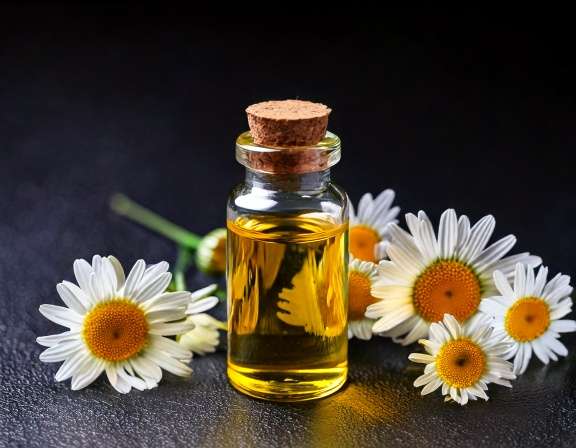
Chamomile, especially Roman chamomile, is another gentle favorite. It is often chosen for a warm bath, a bedtime diffuser blend, or a light belly massage when your body feels tight and worn out.
These oils are less about brute force and more about softening the edges. They may help you relax enough to rest, and that can matter on a painful day.
Frankincense, Ginger, and Peppermint Oil for Soreness, Swelling, and Bloating
Frankincense is often used when pain feels heavy and inflamed. Thanks to its anti-inflammatory properties and the presence of boswellic acids, many people include it for its earthy scent and soothing feel in massage oils, even if research specific to endometriosis is limited.
Ginger is a common pick for warming comfort. It shows up often in blends for pelvic pain and menstrual cramps, and it pairs well with slower massage over the low belly or back.
Peppermint oil feels different from the others. Its cooling sensation may help when bloating, nausea, or abdominal tension makes everything feel swollen and sharp. Still, keep it well diluted because it can irritate sensitive skin.
If you are curious about stronger warming oils, read carefully before trying benefits of clove essential oil. Clove can be harsh on skin, so a little goes a long way.
Geranium Oil, Rose, Cinnamon, and Clove, When Blends May Be More Useful Than One Oil
Some of the best-known research used a blend, not one single oil. That matters because oils may work differently together, and massage itself is part of the effect.
Geranium oil and rose are often chosen for emotional comfort and a softer floral scent. Meanwhile, cinnamon and clove are warming oils that appear in the 2013 menstrual pain blend.
Use extra care with cinnamon and clove. They are more likely to irritate skin, especially on the abdomen. If you try them at all, keep the dilution low and patch test first.
| Oil Name | Primary Benefit | Safety Note |
|---|---|---|
| Lavender | Calm, menstrual cramps, stress relief | Dilute before topical use |
| Clary Sage | Cramping, tension, mood support | Avoid during pregnancy |
| Frankincense | Anti-inflammatory for soreness | Generally safe; patch test first |
| Peppermint Oil | Cooling for bloating and tension | Highly dilute; can irritate skin |
Safe ways to use essential oils at home
Safety is where this whole practice either helps or backfires. Endometriosis already asks a lot from your body, so your self-care should not add burning, itching, or headaches to the list.
For topical use, dilution is the rule. Patch testing is the second rule. And swallowing oils is never a good idea.
If you want a broader primer on safe handling, storage, and skin use, this guide to top essential oils for natural first aid covers the basics well.
Stop using any blend right away if you notice burning, rash, itching, dizziness, or nausea.
How to dilute oils for a lower belly or lower back massage
A simple guideline for dilution rates is a 2 to 3 percent blend. That means 12 to 18 drops total essential oil per 1 ounce of carrier oil. For a smaller batch, use 2 to 3 drops per teaspoon of carrier oil.
Good carrier oils include sweet almond oil, jojoba, coconut, olive oil, and castor oil. Sweet almond oil and castor oil are excellent options for abdominal application. If your skin runs sensitive, jojoba or plain sweet almond oil often feels lighter and gentler.
Massage the diluted blend gently into the lower abdomen, hips, or lower back. Use slow circles and light pressure. Avoid broken skin, freshly shaved skin, and the genital area.
Patch test first on the inner forearm and wait 24 hours. If your skin stays calm, then try a small amount on the area you want to treat.
Oils to Use with Caution
Some oils like clary sage or certain fennel oils are often debated for hormonal balance due to potential effects on the menstrual cycle and estrogen. If you have hormone-sensitive conditions, consult your doctor before trying them.
When baths and diffusers can help, and when they may not
Warm baths can help when your muscles feel clenched and your stress is high. The heat itself often does part of the work. Oils may add scent and comfort, but they are not the main driver of deep pelvic pain relief.
Never drip essential oils straight into bathwater. They float on top and can hit your skin full strength. Mix them first into a tablespoon of carrier oil, unscented bath gel, or salts.
A diffuser is best for mood, tension, and rest. It is less likely to touch pelvic pain directly, but it may help you unwind enough to sleep. A well-ventilated room matters, especially if you are scent-sensitive. Some people also like magnesium soaks for stress and sleep on flare days because warmth and rest often work well together.
Easy essential oil recipes for endometriosis flare-up days
Keep recipes simple. When pain is high, you don’t need a chemistry project on the counter.
These blends are often sought by those looking for stress relief or relief from dysmenorrhea symptoms.
A simple massage blend for pelvic pain and low back cramps
In a 1-ounce bottle, combine:
- 6 drops lavender
- 4 drops clary sage
- 4 drops ginger
- Optionally, 2 drops Copaiba essential oil or Myrrh essential oil for their grounding scents
- Fill the rest with carrier oil
Shake gently. Massage a small amount over the lower abdomen or lower back up to twice daily during a flare.
Use light pressure, not a deep massage. If your belly feels tender, start with the low back instead. Avoid broken or freshly shaved skin.
A calming bath soak or diffuser blend for tense, stressful days
For a bath soak, mix together:
- 1 tablespoon carrier oil or unscented bath gel
- 3 drops Roman chamomile, rose, or ylang ylang
- 2 drops clary sage
Add the mixture to warm bathwater and soak for 15 to 20 minutes.
For a diffuser blend, try:
- 3 drops lavender
- 2 drops frankincense
Diffuse for 30 to 60 minutes in a well-ventilated room. This type of blend is more about stress relief than pain relief. It can help take the sharpness out of a stressful day, especially before bed.
Frequently Asked Questions
Can essential oils cure endometriosis?
No, essential oils cannot cure endometriosis or treat the root cause, such as ectopic endometrial tissue. They may provide temporary comfort for symptoms like cramps, pelvic pain, bloating, and stress through scent, massage, and warmth. Research is limited, so consult your healthcare professional before use and rely on medical care for the disease itself.
Which essential oils are most helpful for endometriosis symptoms?
Lavender, clary sage, chamomile, frankincense, ginger, peppermint, and geranium are commonly used for calm, cramp relief, soreness, bloating, and tension. Small studies suggest benefits for menstrual pain via aromatherapy massage, but evidence for endometriosis specifically is thin. Choose based on your symptoms, dilute properly, and patch test first.
How do I safely apply essential oils topically for pelvic pain?
Dilute to 2-3% (12-18 drops per ounce of carrier oil like sweet almond or jojoba) and massage gently on the lower abdomen or back after patch testing for 24 hours. Pair with heat and slow circles for added relief, but avoid broken skin, genitals, or undiluted use. Stop immediately if irritation occurs and never ingest oils.
When should I talk to a doctor before using essential oils?
Consult a doctor if pregnant, trying to conceive, breastfeeding, on hormone therapy, or with skin sensitivities, asthma, or pets like cats. Seek care for severe pain, heavy bleeding, fainting, new symptoms, or if oils cause reactions. Essential oils support symptoms alongside medical treatment, not in place of it.
When to be careful, and when to call your doctor instead
Some situations call for extra caution. If you are pregnant, trying to conceive, breastfeeding, living with asthma, or highly scent-sensitive, talk with a clinician before using essential oils, especially regarding your reproductive organs and hormonal balance. The same goes if you have eczema, frequent skin reactions, migraines triggered by smells, or pets that share your space. Cats, in particular, can be sensitive to diffused oils.
Medicine interactions are possible too. If you use fertility treatment, hormone therapy, blood thinners, or other regular medication, ask your doctor or pharmacist before starting a new oil routine.
Home remedies are not enough for severe or changing symptoms. Get medical care if you have worsening pelvic pain affecting your reproductive organs, fainting, fever, vomiting, very heavy bleeding during your menstrual cycle, new bowel or bladder changes, or pain that feels different from your usual pattern.
Essential oils fit best beside medical care, not in place of it. The goal is comfort, not delay.
Pain that keeps stealing your days deserves a full care plan. Essential Oils for Endometriosis may offer some comfort through massage, warmth, scent, and rest, especially for stress relief when cramps and tension rise together.
Used carefully, they can be one small tool in a larger kit. Pay attention to what helps your body, keep dilution and patch testing front and center, and bring persistent or severe symptoms to a qualified clinician. Even a gentle ritual has more value when natural remedies for endometriosis complement safe, steady care.
Stay Connected for More Natural Living Inspiration
If you enjoyed this post about herbal wellness and love discovering natural ways to refresh your home and wellness, don’t miss out on future recipes and clean-living tips! Subscribe to the blog for weekly DIYs, wellness inspiration, and herbal remedies delivered straight to your inbox.
Don’t forget to visit my Amazon storefront for the links to my favorite essential oils, herbal teas, and natural recipes. I also create YouTube ambiance videos for sleeping; a channel I created to help people who have trouble sleeping. The link to all social media content is here.
Thanks for coming by!



Leave a Reply