
(DISCLAIMER: I am not a doctor, and you should consult your healthcare professional before starting any health regimen.)

Key Takeaways
- Basil essential oil is steam-distilled from basil leaves, and the label matters more than the brand name.
- Many people use it for tired muscles, stiffness, and tension from long days.
- It can also fit into routines for mild digestive discomfort and stuffy-season comfort.
- Safe use is mostly about dilution, short sessions, and avoiding sensitive areas.
- Don’t take essential oils internally unless a qualified professional guides you.
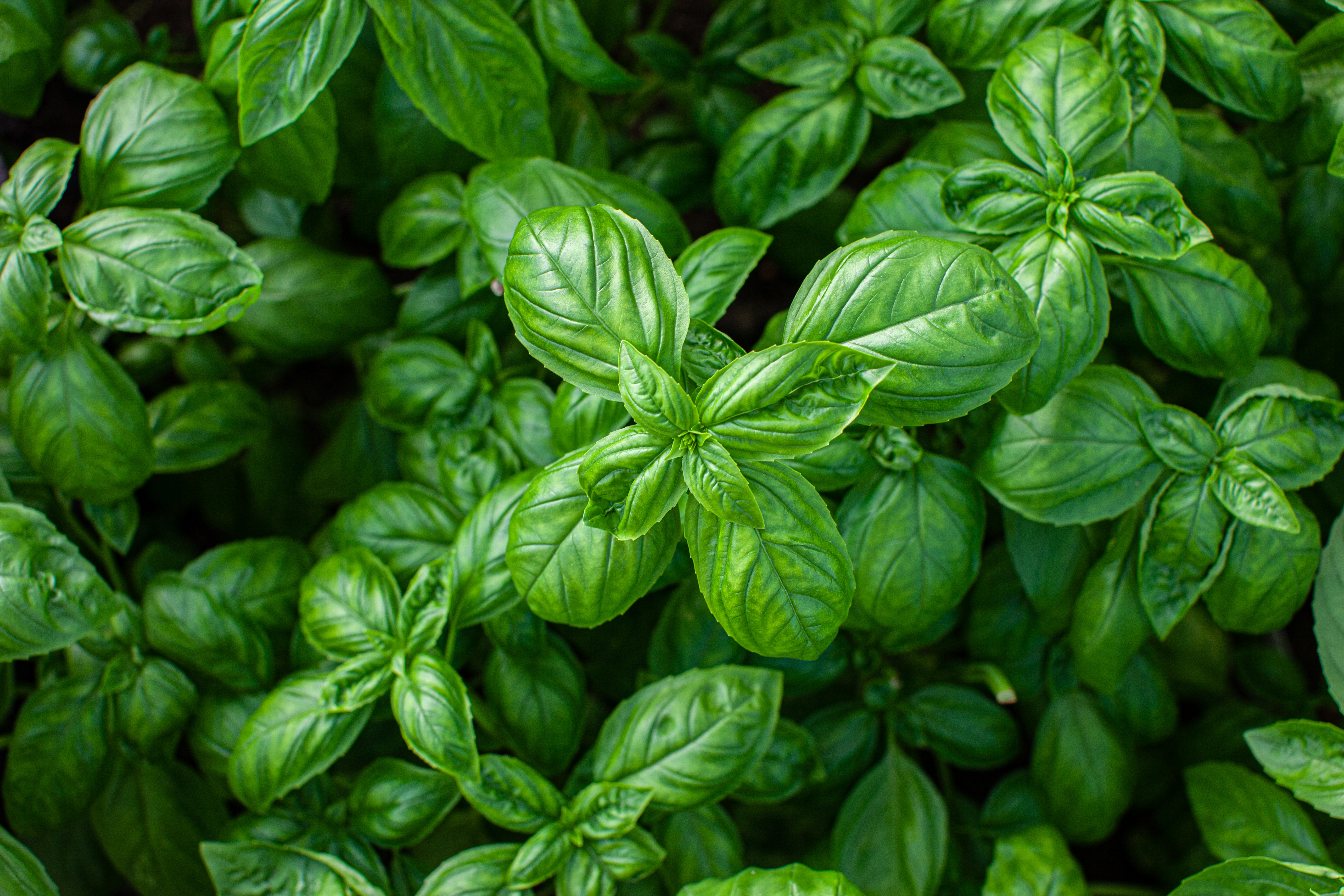
Basil isn’t just for pasta night. Basil essential oil is a strong, herbaceous oil that many people keep around for everyday body comfort, especially when they feel tight, sore, or run down.
This post is about physical wellness support, not medical treatment. Think of basil oil like a small tool in a bigger self-care toolbox, not a replacement for medical care.
If you’re building a simple home routine with oils, it can help to see how others use them safely in a kit like this one: Top essential oils for a natural first aid kit.
What basil essential oil is and why it can support wellness
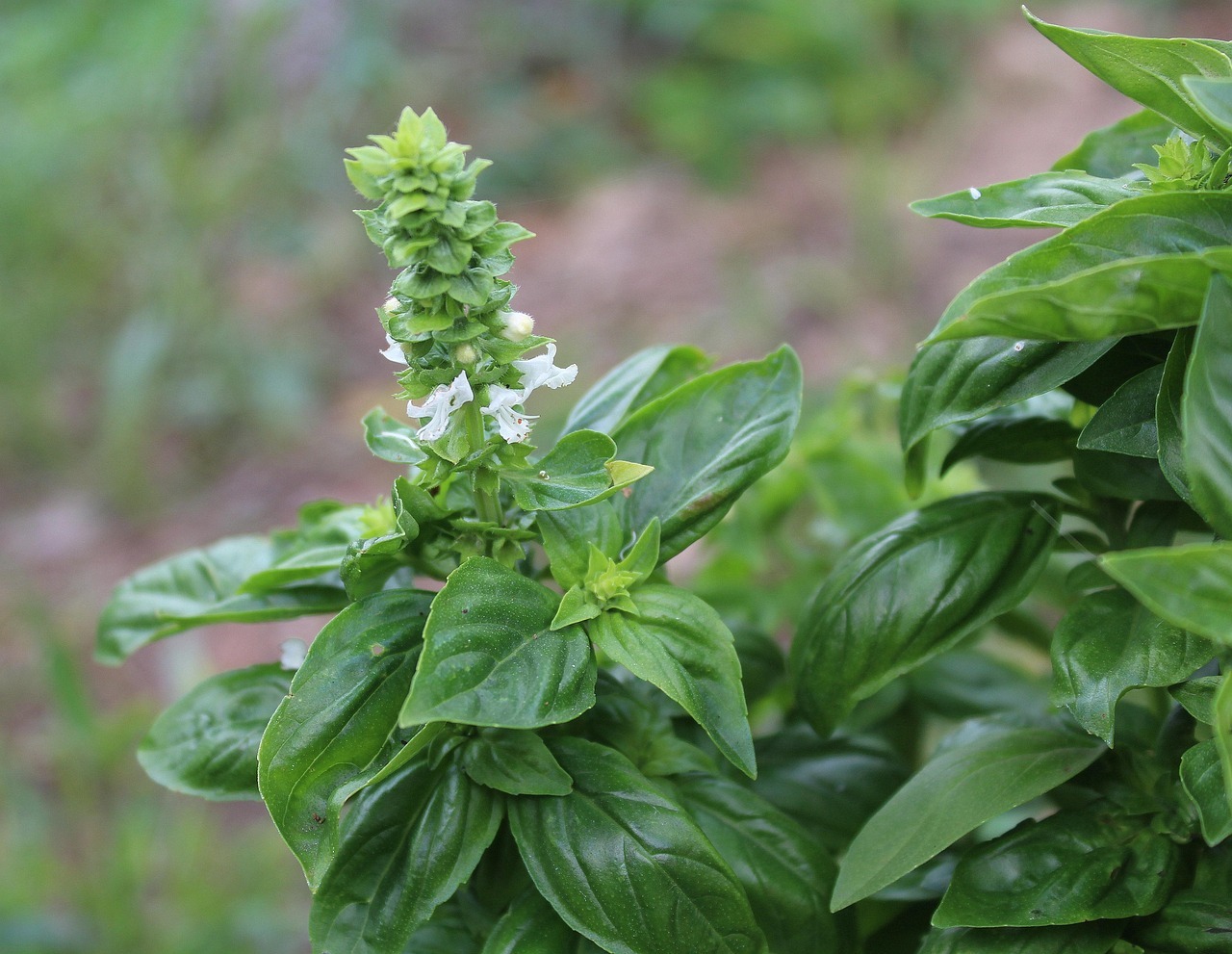
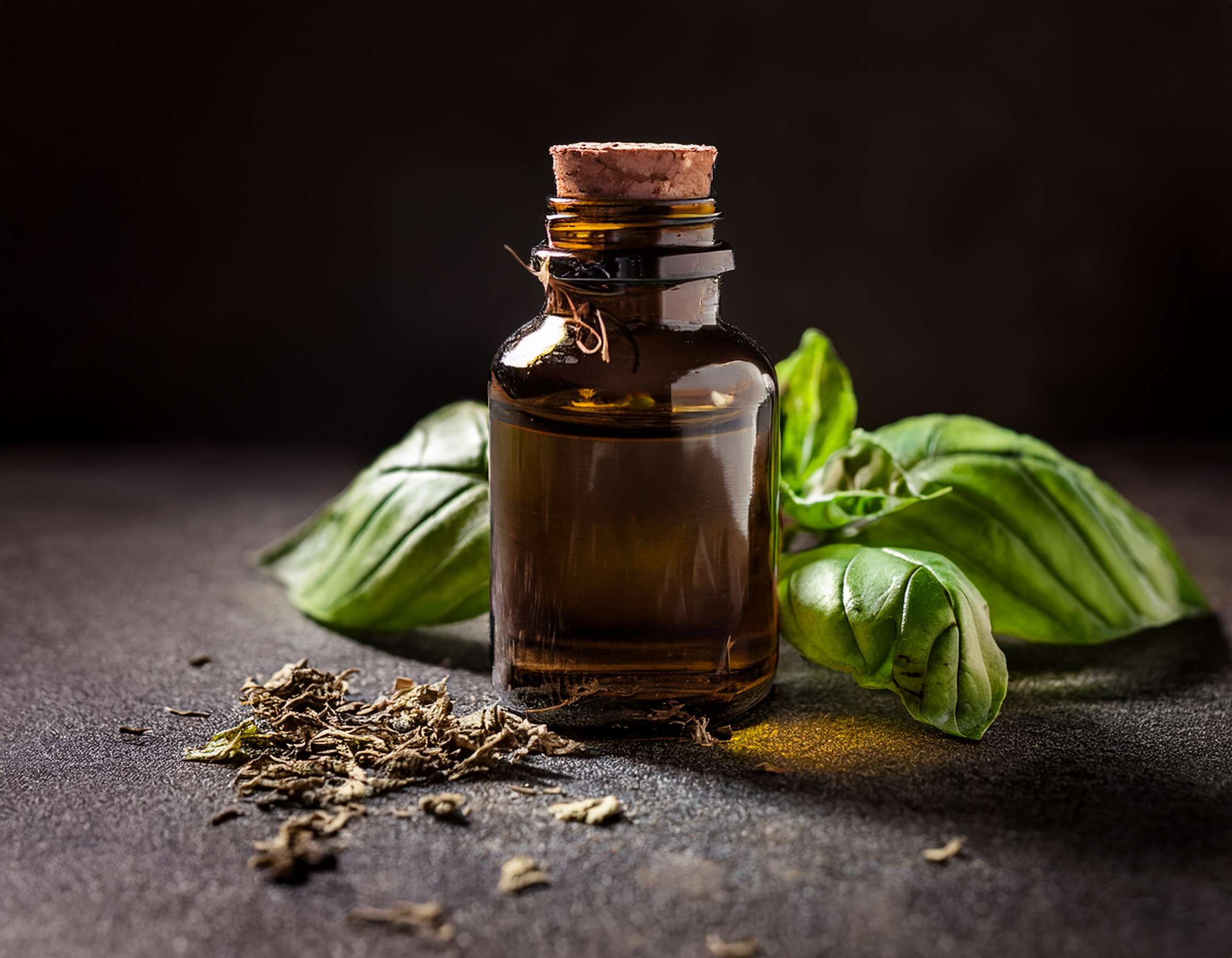
Basil essential oil is usually made by steam distillation of basil leaves (and sometimes flowering tops). Steam pulls the aromatic compounds out of the plant material, then the oil is separated from the water.
That matters because essential oils aren’t “basil in a bottle.” They’re concentrated plant chemistry. One small bottle can contain the aromatic compounds from a lot of basil, which is why a little goes a long way.
People reach for basil oil in wellness routines because its scent often feels:
- warm and herbal
- slightly spicy or sweet (depending on the type)
- mentally “clearing” and physically soothing
You’ll also see certain natural components mentioned in basil oil discussions. You don’t need to memorize them, but it helps to recognize the names on lab reports or product pages:
- Linalool: also found in lavender, often linked with calming, soothing scents.
- Eugenol: also in clove, known for a warm, spicy profile.
- Estragole (methyl chavicol): common in some basil oils, part of why careful use and low dilution is a smart idea.
Here’s the simple takeaway: basil oil can be a comforting add-on for massage, inhalation, and blends, but it should be used with respect. The “right” basil oil for you often comes down to the label and how your body reacts to the scent.
Sweet basil vs holy basil vs other basil oils, what the label should say
“Basil oil” can mean a few different plants. Holy basil (tulsi) is not the same as the sweet basil you cook with.
When you’re buying, look for:
- Botanical name (this is the big one):
- Sweet basil is often Ocimum basilicum
- Holy basil (tulsi) is often Ocimum tenuiflorum (or Ocimum sanctum)
- Plant part: leaf, flowering top, or aerial parts
- Extraction method: steam-distilled is common for basil
Scent can also vary by chemotype (basically, the plant’s natural chemical “style”). One basil oil may smell sweet and soft, another may smell sharper and spicier. If you’re prone to headaches or skin irritation, chemotype differences can affect tolerance, so start slow.
How basil essential oil is used, topical, inhaled, and in blends
Most at-home use fits into three lanes:
Inhaled
- Diffuser sessions for a fresh, herbal room scent
- Personal inhaler for quick, low-dose scent support
- A drop on a tissue (kept a few inches from your nose)
Topical (always diluted)
- Added to a carrier oil for massage on tight areas
- Used in a roller bottle for occasional spot application
BlendedBasil often pairs well with lavender, peppermint, or frankincense, especially when you want a blend that feels both soothing and “awake.”
One clear boundary: don’t take basil essential oil internally unless a qualified professional (trained in essential oil internal use) tells you it’s appropriate for your situation.
Basil essential oil benefits for the body, pain relief, muscles, and daily comfort
Basil oil shows up in a lot of “comfort” blends because it can feel warming and relaxing, especially when your body is holding tension like a clenched fist.
If you sit a lot, drive a lot, lift weights, or carry stress in your shoulders, you already know the feeling: the neck gets stiff, traps feel like rocks, calves feel tight, and the lower back complains. Basil oil is often used for those moments when you want a massage oil that feels like it’s doing something.
Used realistically, basil essential oil pain relief routines are usually about supporting circulation and relaxation, plus helping you stick with gentle self-care like stretching, hydration, and rest.
Here are a few everyday ways people work it in:
- Post-workout rub: After a shower, massage a diluted blend into calves or thighs.
- Desk-day reset: A drop in a personal inhaler, then a quick shoulder roll routine.
- Wind-down massage: A warm compress and a light neck rub (avoiding the throat).
Basil can also be helpful when discomfort has a “tension” feel, not an injury feel. That distinction matters. If you have sharp pain, swelling, heat, bruising, loss of function, or pain that keeps getting worse, it’s time to get checked out.
If you want more ideas for body comfort blends, this guide has a helpful overview: Essential oils for joint pain and arthritis relief.
Sore muscles and joint stiffness, warming comfort for tight spots
Basil oil is a popular pick in massage blends because it can feel gently warming on the skin when diluted, especially paired with slow, steady pressure.
A simple adult dilution range is 1 to 2 percent:
- 1 percent: about 1 drop essential oil per teaspoon (5 ml) of carrier oil
- 2 percent: about 2 drops per teaspoon (5 ml)
Good carrier oils for massage include jojoba, sweet almond, or fractionated coconut oil.
Common areas people apply diluted basil blends:
- neck and shoulders (avoid the throat area)
- upper back
- forearms and hands (great for “phone grip” tension)
- calves and feet
Skip:
- broken or irritated skin
- eyes, inner ears, and other sensitive tissues
- very sensitive areas (and always wash hands after applying)
Results vary. Some days it feels like magic, other days it feels mild. That’s normal. The real win is consistency with gentle care, not hunting for a one-time fix.
Head tension and minor aches, when scent and rubs can help
Head tension can come from so many directions: jaw clenching, dehydration, too much screen time, poor sleep, loud environments, or just a stressful week.
Basil oil can fit into a calm, low-effort routine:
- Tissue method: Put 1 drop on a tissue, wave it in the air once, then inhale softly from a distance.
- Diluted roll-on: Use a very mild dilution for the temples (many people prefer 0.5 to 1 percent here), and keep it away from the eyes.
- Pair it with basics: Drink water, eat something simple, and take a 5-minute screen break.
Use extra caution with any oil near the face. If your eyes sting or water, you used too much or got too close.
Also, don’t ignore red flags. If a headache is sudden, severe, new for you, comes with fever, vision changes, weakness, fainting, or neck stiffness, get medical advice.
Wellness uses beyond pain, digestion support, breathing comfort, and energy
Basil oil isn’t only a “muscle oil.” Many people like it for body routines that involve the gut, breath, and that heavy, sluggish feeling that shows up mid-afternoon.
The trick is keeping the goal realistic: you’re supporting comfort, not treating disease. Think in terms of rituals that help your body settle, like warm tea, a short walk, and fresh air, with basil oil as an add-on.
Upset stomach and digestive discomfort, calming rituals that feel good
For mild digestive discomfort, basil oil is often used in two gentle ways: inhalation and diluted abdominal massage.
A simple comfort routine:
- Inhale from a tissue for 10 to 20 seconds.
- Mix a low dilution (start around 0.5 to 1 percent) and massage the belly in a slow clockwise circle.
- Add a warm compress for 5 minutes.
If you like blends, basil pairs nicely with ginger or peppermint for a “settle the stomach” vibe, but keep the total drops low and the dilution gentle.
Common sense still does a lot of the heavy lifting here:
- smaller meals
- slowing down while eating
- skipping known trigger foods
If you want a non-oil option to keep in rotation, this post is a solid companion: Herbal teas for digestion and bloating relief.
Breathing comfort and seasonal stuffiness, freshening the air
Basil has a fresh, green-herbal scent that can make a room feel cleaner and easier to breathe in, especially during stuffy seasons.
A basic diffuser approach:
- Small room: 2 to 4 drops total
- Medium room: 4 to 6 drops total
- Diffuse for 15 to 30 minutes, then take a break
Ventilation matters. Crack a window if you can, and don’t run oils all day.
Good pairings for a “clearer air” scent:
- basil + eucalyptus (crisp)
- basil + lavender (soft and calming)
- basil + peppermint (sharp and energizing)
If seasonal allergies are part of your yearly routine, this guide has more oil options and safety notes: Seasonal allergy relief with essential oils.
Safety notes for breathing comfort:
- Kids and pets need lower exposure, and sometimes none at all.
- People with asthma or fragrance sensitivity should be extra cautious, and may prefer the tissue method over diffusing.
- Cats can be especially sensitive to diffused oils, so skip diffusion around them or ask your vet.
How to use basil essential oil safely, best practices, and who should skip it
Basil oil is potent. Safe use is less about being nervous and more about having simple rules you actually follow.
Start with these basics:
- Don’t use it undiluted on skin.
- Don’t get it in eyes (or on contacts).
- Don’t apply to broken skin.
- Don’t ingest it unless guided by a qualified professional.
- Wash your hands after using it, even if you think you avoided contact.
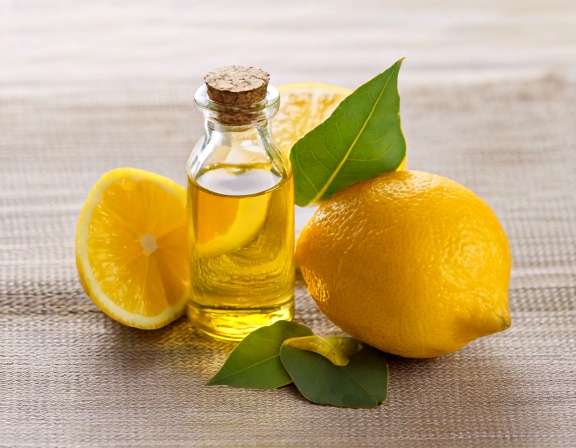
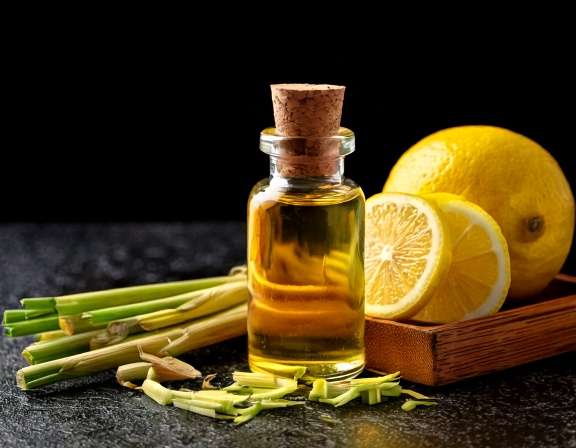
Basil essential oil isn’t known for the same sun sensitivity as some cold-pressed citrus oils, but blends can include photosensitive oils. If you add citrus to your basil mix, check which type it is and play it safe in the sun.
Quality also matters. Buy oils that clearly list:
- botanical name
- country of origin (often included)
- plant part
- extraction method
- batch info or testing info (when available)
Simple dilution guide, patch test, and sensitive-skin tips
A practical dilution range for most healthy adults:
- 0.5 percent for face-adjacent areas or very sensitive skin
- 1 percent for daily comfort blends
- 2 percent for short-term use on tougher skin (like calves)
Patch testing takes a minute and can save you a lot of annoyance:
- Apply a small amount of your diluted blend to the inner forearm.
- Leave it alone for 24 hours (don’t cover it with a tight bandage).
- If you see redness, itching, burning, or swelling, don’t use that blend.
If you tend to react easily, start low, use fewer drops, and choose a gentle carrier like jojoba.
Pregnancy, kids, pets, and medication cautions
Some groups should treat basil oil as a “check first” oil, not a casual everyday one.
Use extra caution with:
- Pregnancy and breastfeeding: Ask a clinician who knows your history.
- Young kids: Their skin and systems are more sensitive, so many families skip basil oil or use only very low-dose diffusion with guidance.
- Seizure disorders: Strong aromas and certain oils can be triggering for some people.
- Blood thinners or bleeding disorders: Basil oils can vary in composition, and it’s smarter to check with a clinician.
- Chronic conditions and multiple medications: Always worth a quick professional check.
For pets, store oils where they can’t be knocked over or licked. And again, cats tend to be more sensitive to airborne oils than dogs.
Conclusion
Basil essential oil can be a comforting, practical add-on for physical wellness, especially for tired muscles, stiffness, head tension rituals, and that stuffy-season “I just want to breathe easier” feeling. The best results usually come from simple habits you repeat, not from using more drops.
Start with one method that feels easy, like a 1 percent diluted massage oil for shoulders, or a short diffuser session with good airflow. Keep notes on how you feel, and adjust slowly.
Save this post for later, share it with a friend who loves herbal scents, and drop a comment about how you use basil essential oil in your routine.
Stay Connected for More Natural Living Inspiration
If you enjoyed this post about herbal wellness and love discovering natural ways to refresh your home and wellness, don’t miss out on future recipes and clean-living tips! Subscribe to the blog for weekly DIYs, wellness inspiration, and herbal remedies delivered straight to your inbox.
Don’t forget to visit my LinkTree for the links to my favorite essential oils, herbal teas, natural recipes, YouTube ambiance videos for sleeping; a project I created to help with insomnia symptoms and the second channel, Rooted in Nature YouTube Channel both channels feature herbal recipes for wellness and home. Thanks for coming by!
Leave a Reply