(DISCLAIMER: I am not a doctor, and you should consult your healthcare professional before starting any health regimen.)

The front door closes, your shoes come off, and your shoulders finally drop an inch. Tired feet, tight calves, and an upper back that feels knotted can make even a peaceful evening feel far away.
Anti-inflammatory essential oil blends for sore muscles can bring cooling, warming, floral, and herbal notes to a slow massage ritual. They support massage comfort and relaxation after a full day, while persistent, severe, or unusual pain deserves timely care from a qualified health professional.
A small bottle of diluted oil, a warm shower, and a few unhurried minutes can change the tone of the evening. Start with these simple blends, then notice which aroma feels most welcoming.
Key Takeaways
- A 2% dilution is a practical starting point for occasional body massage in most healthy adults.
- A 1% dilution suits sensitive skin, older adults, and first-time topical use.
- Carrier oils help essential oils spread evenly and give hands enough glide for a comfortable massage.
- Each blend brings a different scent experience, including cooling peppermint, cozy ginger, and calming lavender.
- A patch test helps you use a new blend with confidence.
- Herbal tea can be a soothing part of the evening ritual. Enjoy it separately, with dried herbs or tea bags rather than essential oils stirred into the cup.
How to Prepare an Essential Oil Blend for Sore Muscle Massage
Essential oils are concentrated plant extracts, so a carrier oil gives them a gentle, skin-friendly base. It also slows evaporation and helps your hands move smoothly across shoulders, calves, feet, and other tired areas.
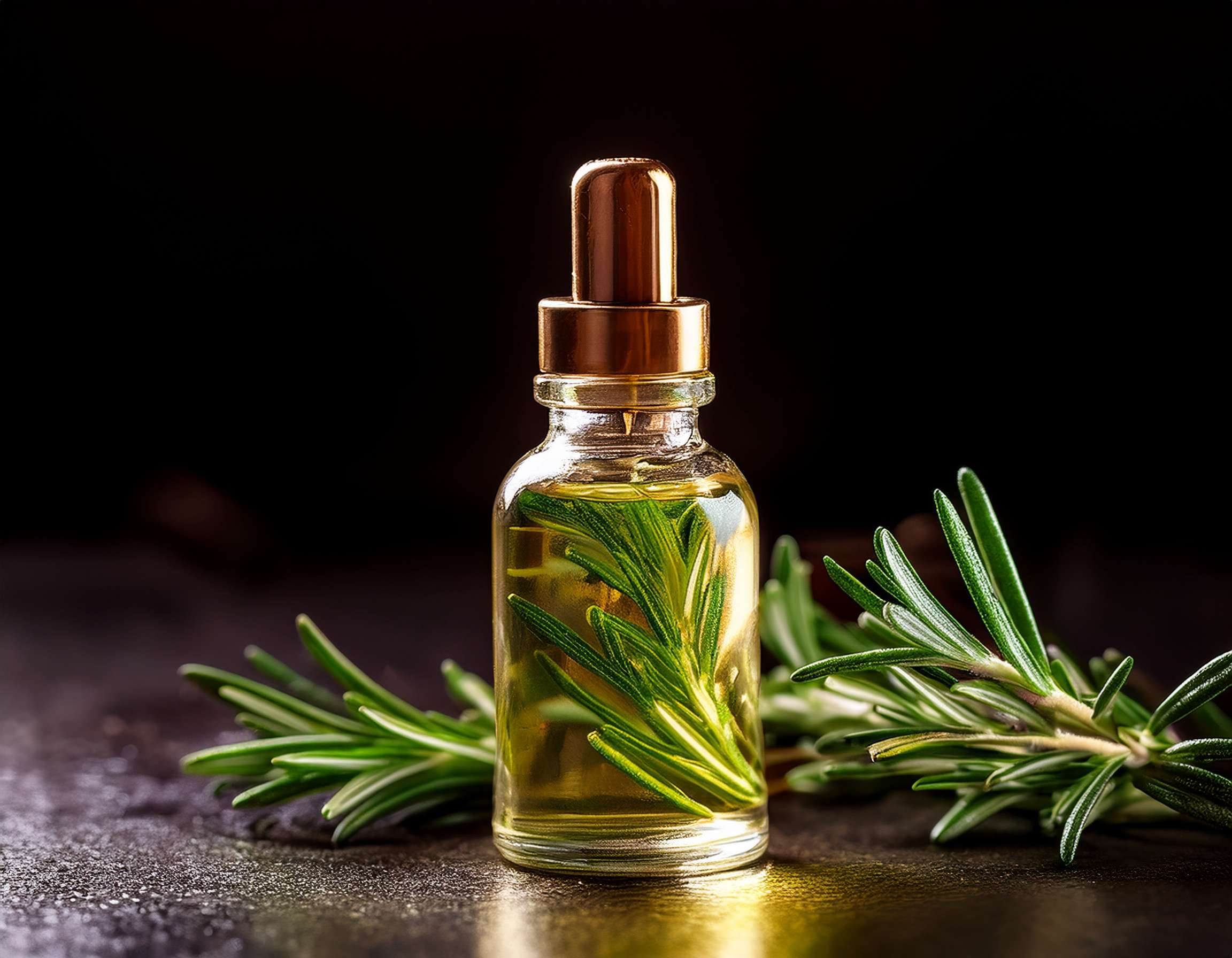
Sweet almond oil has a silky texture that suits longer massage. Grapeseed oil feels light and absorbs quickly. Jojoba offers a lighter, wax-like feel, while fractionated coconut oil stays liquid and has little aroma. Apricot kernel, sunflower, and olive oil also make useful choices, especially when they are already in your home.
For a 1-ounce glass bottle, use about 12 total drops of essential oil for a 2% blend. Use about 6 total drops for a 1% blend. The International Childbirth Education Association lists 1% to 2% as a thoughtful topical range for many body applications, with lower concentrations fitting sensitive users and special circumstances.
For deeper guidance, keep these essential oil skin safety tips nearby as you build your collection.
Add the essential oils to a clean amber or cobalt glass bottle first. Next, fill the bottle with your chosen carrier oil, cap it, and roll it gently between your palms. Label the bottle with the ingredients and date, then store it in a cool, dark cabinet.
Before massage, pour a teaspoon-sized amount into your palm and warm it between both hands. Slow strokes and light-to-medium pressure often feel especially good after desk work, errands, exercise, or long hours on your feet. Short-term targeted blends can use different concentrations when the oil and individual profile fit, though every recipe here stays at a gentle 2% level.
7 Anti-Inflammatory Essential Oil Blends for Sore Muscles
These anti-inflammatory essential oil blends for sore muscles are aromatic massage recipes for comfort, rest, and an enjoyable end-of-day rhythm. Each makes 1 ounce of finished oil at about a 2% dilution. For a half batch, use half the carrier oil and half the listed drops.
Lavender and Sweet Almond Oil for a Soft, Calming Massage
Lavender and sweet marjoram create a soft floral-herbal aroma that fits a bedside ritual. Use this blend on shoulders, the neck, or tired feet when you want the room to feel calmer.
Ingredients
- 6 drops lavender essential oil
- 6 drops sweet marjoram essential oil
- 1 ounce sweet almond oil
Add the oils to the bottle, top with sweet almond oil, and roll gently to combine. Massage a small amount with slow, light-to-medium pressure. For a lavender-forward variation, use 12 drops of lavender in place of the two-oil formula.
Peppermint and Lavender for a Cool, Refreshing Feel
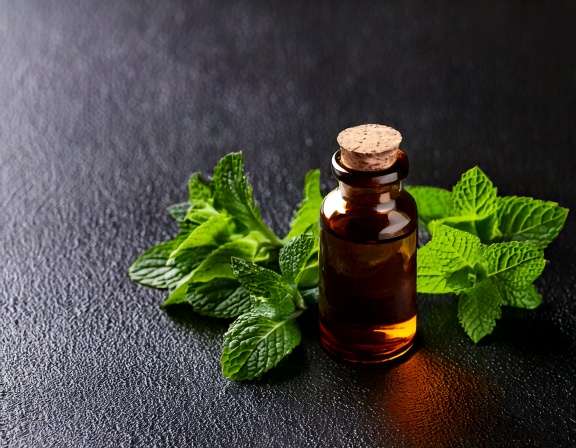
Peppermint brings a crisp, cool sensation, while lavender and frankincense round out its sharper edges. This blend feels bright and refreshing on tired legs, calves, and feet.
Ingredients
- 4 drops peppermint essential oil
- 4 drops lavender essential oil
- 4 drops frankincense essential oil
- 1 ounce grapeseed or jojoba oil
Blend the oils in a 1-ounce bottle, then apply a small amount with broad upward strokes on the legs or gentle circles on the feet. Keep the blend away from the eyes, and wash your hands after application.
Eucalyptus and Rosemary for an Invigorating Evening Reset
Eucalyptus, rosemary, and lavender make the air around your massage feel fresh and herbal. The aroma suits a post-workout leg rub or an end-of-day shoulder massage after a packed schedule.
Ingredients
- 4 drops eucalyptus essential oil
- 4 drops rosemary essential oil
- 4 drops lavender essential oil
- 1 ounce fractionated coconut oil
Combine the oils, then use a small amount on the upper back, shoulders, or legs. Pregnancy, breastfeeding, aroma sensitivity, and family use call for individualized care. Peppermint, eucalyptus, and rosemary also deserve age-specific guidance around young children.
Four More Aromatic Massage Recipes
A single blend can become a familiar evening cue, much like switching on a favorite lamp or steeping a cup of tea. These next four offer warmer and more resinous scent profiles.
Ginger and Sweet Marjoram for a Warm, Spicy Aroma
Ginger has a cozy, warm scent, while sweet marjoram and lavender soften the blend. It feels especially inviting on larger areas such as thighs, shoulders, and lower legs.
Ingredients
- 4 drops ginger essential oil
- 4 drops sweet marjoram essential oil
- 4 drops lavender essential oil
- 1 ounce apricot kernel or sunflower oil
Mix the essential oils with the carrier oil and test a small patch of skin before broader use. Once your skin feels comfortable, massage the blend over tired muscles with steady, unhurried strokes.
Frankincense and Lavender for a Quiet, Grounded Ritual
Frankincense has a resinous, slightly earthy aroma that pairs beautifully with lavender’s familiar floral scent. This simple formula suits evenings when you want fewer ingredients and a slower pace.
Ingredients
- 6 drops frankincense essential oil
- 6 drops lavender essential oil
- 1 ounce jojoba or sunflower oil
Pour the oils into a glass bottle and roll it between your hands until blended. Jojoba is a lovely choice for people who prefer a lighter-feeling carrier. Smooth a small amount over the shoulders, hands, or feet before settling in for the night.
Rosemary and Ginger for a Bright Herbal Blend
Rosemary, ginger, and peppermint create a lively blend with herbal, spicy, and cooling notes. A little goes a long way during a calf, thigh, or upper-back massage.
Ingredients
- 4 drops rosemary essential oil
- 4 drops ginger essential oil
- 4 drops peppermint essential oil
- 1 ounce olive or grapeseed oil
Mix carefully in a 1-ounce bottle and follow the listed dilution. Peppermint, rosemary, and ginger are concentrated oils, so this measured ratio keeps the aroma pleasant and the massage blend gentle. Apply sparingly, then enjoy the fresh scent as you rest.
Sweet Marjoram and Eucalyptus for a Mellow Herbal Massage
Sweet marjoram softens eucalyptus into a balanced, mellow herbal blend. It pairs well with gentle stretching, a warm shower, or a few minutes of steady breathing before bed.
Ingredients
- 6 drops sweet marjoram essential oil
- 6 drops eucalyptus essential oil
- 1 ounce fractionated coconut or sweet almond oil
Blend the oils in a labeled bottle and warm a small portion in your hands before use. Massage it into areas that feel tired after a long day, using pressure that feels comfortable and relaxed.
Aroma can shape the mood of a massage, while the carrier oil and slow hand movements create the soothing physical experience.
How to Use These Blends Safely in an Evening Self-Care Routine
A comfortable routine starts with a small patch test. Apply a tiny amount of the finished blend to a small area of intact skin, then give your skin time to respond before a full massage. This step is especially helpful with a new essential oil, supplier, or formula.
Apply blends to healthy, intact skin and keep them away from eyes, lips, nostrils, and other delicate areas. Begin with a small amount, then add more carrier oil if you prefer a softer scent or lighter feel. Wash your hands after massage, especially before touching your face.
A 1% dilution is a thoughtful choice for sensitive skin, older adults, and first-time users. Children benefit from age-specific advice from a qualified aromatherapy professional. The International Federation of Aromatherapists gives lower dilution ranges for children and highlights special care with oils rich in menthol or 1,8-cineole, including peppermint, eucalyptus, and some rosemary varieties.
Pregnancy, breastfeeding, asthma, allergies, epilepsy, medication use, and personal health concerns all call for personalized guidance. A qualified clinician or trained aromatherapist can help you choose oils and dilution levels that fit your situation.
Pair your massage with a caffeine-free herbal tea for a fuller evening ritual. Chamomile, lemon balm, and ginger tea bring their own comforting aromas and flavors. Brew the tea as directed on the package or with dried herbs, while keeping essential oils in their labeled topical products unless a product clearly provides food-use directions.
Frequently Asked Questions
How long does a homemade massage blend stay fresh?
Most blends stay pleasant for several months when stored in a sealed dark-glass bottle away from heat and sunlight. The carrier oil usually determines freshness, so check its label and use your senses. A stale or off aroma signals that it is time to make a fresh bottle.
Can I use these blends after a workout?
Yes, a gentle post-workout massage can feel wonderful after walking, strength training, gardening, or a long shift. Choose eucalyptus and rosemary for a fresh scent, or lavender and sweet marjoram for a softer wind-down. Apply the blend after cooling down and drinking water.
Which carrier oil feels least greasy?
Grapeseed and jojoba usually feel lighter than olive oil or sweet almond oil. Fractionated coconut oil is also a popular choice because it stays liquid and has a clean, subtle feel. Your best match depends on how much glide you enjoy during massage.
Can I use one blend every night?
Many adults enjoy a gently diluted blend as part of a regular evening routine. Start with a 1% or 2% dilution, patch test each new recipe, and listen to how your skin feels. Rotating among a few aromas can also keep the ritual fresh and enjoyable.
What should I do if I want a stronger scent?
Choose a more aromatic carrier ratio by using the recipe as written, rather than adding extra drops. You can also place the capped bottle near you while you massage and enjoy the scent as it rises from warm hands. A well-balanced 2% blend offers plenty of aroma for a personal routine.
A Softer Ending to a Long Day
A few diluted drops, a suitable carrier oil, and slow massage can turn an ordinary evening into a calming ritual. Start with one blend and a gentle dilution, then pay attention to the scent that makes your shoulders loosen and your breathing slow.
Patch testing and thoughtful use around sensitive skin, children, pregnancy, and breastfeeding keep the experience comfortable. Aroma, touch, and a little unhurried time can make home feel more restorative.
Stay Connected for More Natural Living Inspiration
For more wellness tips, subscribe to the blog for weekly posts about essential oils, teas, and herbs. Want an ad free experience with DIY essential oil, herbal recipes and tips? Head here for a distraction free experience.
Thanks for stopping by!

You must be logged in to post a comment.