
(DISCLAIMER: I am not a doctor, and you should consult your healthcare professional before starting any health regimen. Product links are commissioned and supports the blog)

Key Takeaways
- Always dilute eucalyptus oil for skin use. A carrier oil like jojoba, coconut, or almond keeps it gentler.
- Never swallow it. Eucalyptus oil is for inhaling or for diluted topical use only.
- It works well in diffusers, cleaning sprays, shower steam, and muscle rubs.
- Keep it away from young children, pets, pregnancy, breastfeeding, and sensitive lungs.
- Choose pure essential oil from a trusted brand, since quality matters for both scent and safety.
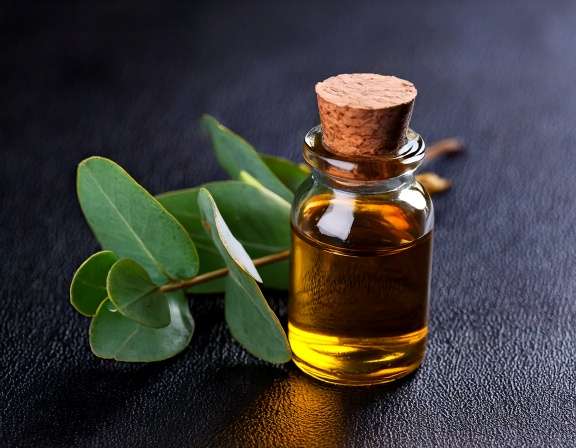
A bottle of eucalyptus essential oil can change the feel of a room in minutes. Used well, it makes a home feel fresher, cleaner, and calmer without harsh scents hanging in the air.
The trick is using it with care. A few drops can do a lot, whether you want to freshen the air, clean a sink, or ease tired muscles. The recipes below stay simple, practical, and safe enough for everyday use.
How to use eucalyptus essential oil safely at home
Safety comes first with this oil, because eucalyptus is powerful. For skin use, start with a low dilution, then test it on a small patch of skin before using it more widely. For most adults, 1 to 2 percent is enough, which usually means a few drops in an ounce of carrier oil. That carrier oil is the plain oil that helps spread the essential oil across the skin and lowers the chance of irritation.
For air use, less is better. A diffuser can fill a room fast, so short sessions work best. Keep windows open when you can, and stop if the scent feels too strong. A little eucalyptus can freshen a room. Too much can turn sharp fast.
Never ingest eucalyptus essential oil. Even small amounts can be dangerous.
Keep the bottle out of reach of kids and pets, and store it away from heat or flames. Eucalyptus oil is flammable, so avoid placing it near candles, burners, or hot steam sources. If you’re pregnant, nursing, caring for a baby, or managing asthma, ask a professional before using it. For skin-focused guidance, safe essential oils for skin is a helpful companion read.
How much to use so it stays gentle
For a diffuser, start with 3 to 5 drops in a small room. For a skin blend, use 3 drops in 1 tablespoon of carrier oil for a simple adult massage oil. For cleaning spray, a light hand is enough, because the scent should support the job, not overpower it.
If you’re new to essential oils, start smaller than you think you need. You can always add one more drop later.
When eucalyptus oil is not a good idea
Skip it or get advice first if you’re using it around infants, very young children, or pets. Cats are especially sensitive to essential oils, and strong vapors can bother dogs too. People with asthma or other breathing issues should be cautious, since strong scent can trigger discomfort.
Pregnancy and breastfeeding are also times to be careful. The same goes for anyone with very sensitive skin or scent-triggered headaches. If a strong smell makes you feel worse, that’s your cue to stop.
Use it to make the air feel fresher and easier to breathe
Diffusing is one of the easiest ways to use eucalyptus oil at home. A short session can make a bathroom feel less stale, give an entryway a cleaner edge, or help a bedroom smell crisp after a stuffy day. It’s a simple way to clear the air without filling the whole house with perfume.
The best part is that you don’t need much. A diffuser works like a small misting cloud, so the oil spreads fast. Start with a short run, about 15 to 30 minutes, then pause. If the scent feels pleasant and light, that’s enough. If it’s still too strong, use fewer drops next time.
If you want more blend ideas, how to create diffuser blends gives you a solid place to start.
A simple diffuser blend for everyday freshness
Try this blend in a standard diffuser:
- 3 drops eucalyptus essential oil
- 2 drops lemon essential oil, for a crisp, clean feel
- 1 drop lavender essential oil, for a softer edge
Use this mix in the morning, or after cleaning. Lemon brings brightness, while lavender rounds out the sharpness. If your goal is a cleaner, more open scent, this blend does the job without feeling loud.
Clean counters, sinks, and other hard surfaces with a homemade spray
Eucalyptus oil fits well into a natural cleaning routine, especially for sinks, counters, and other washable surfaces. It adds a fresh scent and can help your cleaner feel more useful on greasy or damp spots. Just keep the claim simple. It is a cleaning helper, not a magic fix for every surface.
A spray bottle makes this easy. Because oil and water separate, shake the bottle before each use. Test on a hidden spot first, especially if you’re cleaning a new surface. For more ideas, DIY non-toxic cleaning products with essential oils covers other helpful blends for home care.
A no-fuss eucalyptus cleaning spray recipe
Mix the following in a spray bottle:
- 1 cup water
- 1 cup white vinegar
- 1 teaspoon mild dish soap
- 10 to 15 drops eucalyptus essential oil
Shake gently, spray on the surface, then wipe with a clean cloth. This works well on sealed counters, stainless sinks, and other hard, washable spots. It should not go on stone that reacts to vinegar, unfinished wood, or any surface that hates moisture.
Where this cleaner works best, and where it does not
This spray is best for sealed counters, bathroom sinks, shower walls, and appliance exteriors. It’s a strong fit for places that collect fingerprints, soap film, or everyday grime.
Avoid natural stone, waxed wood, and delicate finishes. If a surface absorbs liquid easily, skip the spray and choose a safer cleaner instead.
Freshen floors and bathrooms without heavy fragrances
Floors and bathrooms often need scent help after a long day. Eucalyptus oil can make these spaces feel cleaner without turning them into a perfume shop. Use a small amount in mop water, or make a light bathroom spray for quick touchups.
Ventilation matters here. Open a window, turn on the fan, and keep the scent light. If you can smell the oil from the next room, it’s too much.
A light bathroom refresh spray
Mix this in a small spray bottle:
- 1 cup water
- 1 tablespoon witch hazel or vodka
- 6 drops eucalyptus essential oil
Shake before each use, then mist the air lightly after showers or after wiping the sink. Spray into open air, not directly onto floors where people may slip. A few quick spritzes are enough.
Create a shower steam ritual that feels like a reset
A shower can feel like a reset button when eucalyptus gets involved. The warm steam carries the scent upward, and the whole space feels clearer. This is one of the easiest ways to enjoy the aroma on a busy morning or after a long, stuffy day.
The safest method is simple. Put a few drops on a washcloth, then place it where the steam can reach it without sending oil straight onto your skin. Don’t pour the oil into the tub or onto the shower floor. That can make surfaces slick and increase irritation.
The safest way to use it in the shower
Use 2 to 3 drops on a washcloth, then set the cloth on a shower ledge or hang it near the spray, out of direct water. Let the steam carry the scent.
Keep the amount small, because the goal is a soft aroma, not a sharp blast. Also, keep the cloth away from children and make sure the shower floor stays safe to step on.
Make sore muscles feel calmer after a long day
After yard work, workouts, or hours at a desk, a diluted eucalyptus rub can feel soothing. The cool scent pairs well with a light massage, especially on shoulders, calves, or the back of the neck. Since skin can react fast to strong oils, the dilution matters.
Use a carrier oil every time. Jojoba, sweet almond, or fractionated coconut oil all work well. Patch test the blend first, then wait a full day before using it on a larger area. If your skin feels warm, red, or itchy, stop.
A basic muscle rub recipe anyone can try
Mix:
- 1 tablespoon carrier oil
- 3 drops eucalyptus essential oil
- 1 drop lavender essential oil, optional
Rub a small amount into tired muscles after a shower or before bed. Keep it away from broken skin and your face. This blend is simple, gentle, and easy to repeat.
A safer bath soak alternative
Baths need extra care, because essential oils do not mix into water on their own. If you want a eucalyptus bath, pre-mix the oil into 1 tablespoon of carrier oil or unscented liquid soap first, then add that to the bath.
Use 3 to 5 drops total, no more. Sensitive skin may do better with the rub instead. If the scent feels too strong, skip the bath and stick with a massage blend.
Conclusion
Eucalyptus oil can do a lot at home when you keep it simple. It freshens the air, supports a cleaner routine, and adds a calming touch to showers, baths, and sore muscles.
The main rule is easy to remember: use small amounts, dilute for skin, and keep it away from kids, pets, and your mouth. Handle it with that kind of care, and eucalyptus essential oil becomes a helpful part of an everyday home routine, not another bottle collecting dust.
Stay Connected for More Natural Living Inspiration
If you enjoyed this post about herbal wellness and love discovering natural ways to refresh your home and wellness, don’t miss out on future recipes and clean-living tips! Subscribe to the blog for weekly DIYs, wellness inspiration, and herbal remedies delivered straight to your inbox.
Don’t forget to visit my Amazon storefront for the links to my favorite essential oils, herbal teas, and natural recipes. I also create YouTube ambiance videos for sleeping; a channel I created to help people who have trouble sleeping. The link to all social media content is here.
Thanks for coming by!

Leave a Reply