
(DISCLAIMER: I am not a doctor, and you should consult your healthcare professional before starting any health regimen.)

Key takeaways
- Soap-safe essential oils can add scent, personality, and a natural feel to handmade bars.
- Flashpoint matters less in soap than in candles, but it still helps you sort safer choices with more confidence.
- A safe usage rate matters more than a high scent load, because too much oil can irritate skin or throw off your recipe.
Essential oils are one of the easiest ways to give homemade soap a fresh scent without relying on synthetic fragrance. Still, even a small batch needs care, because what smells clean and calming can still be too strong for skin.
Flashpoint gets talked about a lot, but in cold process soap it matters far less than it does in candle making. What matters more is choosing oils that behave well in soap, fit a beginner-friendly usage rate, and hold up without causing trouble.
If you want a simple place to start, this guide walks through 10 soap-safe essential oils for beginners, how to think about flashpoint, and how to stay within a safe range.
Quick takeaways for soap makers who want the safest start
A safe first batch of soap starts with simple choices. Pick beginner-friendly oils, keep the formula modest, and treat scent like a small accent, not the star of the show. That approach keeps your recipe calmer, your skin happier, and your learning curve much smoother.
Soap making already asks you to manage lye, heat, and timing. Essential oils should fit into that process without adding extra stress, so start with oils that are known to behave well and keep your usage rate conservative. For more on skin-safe handling, these essential oil safety tips for handmade products are a useful starting point.
Start with oils that are gentle and predictable
For beginners, the safest picks are usually oils with a clear track record in soap, such as lavender, sweet orange, cedarwood, tea tree, and peppermint in modest amounts. They are easier to work with than sharp, highly reactive oils that can irritate skin or speed up trace too fast.
Use one oil at first if you want a cleaner learning experience. That way, if the scent fades or behaves oddly, you know which ingredient caused it. Once you understand how a single oil performs, you can build blends with more confidence.
Keep flashpoint in context
Flashpoint matters more for storage and handling than for the finished soap itself. In cold process soap, the lye reaction and cure time are the bigger concerns, so do not let flashpoint be the only thing guiding your choice.
A low flashpoint does not automatically make an oil unsafe for soap, and a high flashpoint does not make it skin-friendly.
Instead, focus on the full picture, including skin safety, scent strength, and how the oil behaves in your recipe. If you are mixing your own blends, these beginner blending rules can help you stay within a sensible range.
Measure scent with a light hand
Too much essential oil can overpower soap fast. It can also increase the chance of irritation, especially on sensitive skin. A balanced bar often smells better than an overloaded one because the scent feels cleaner and easier to wear.
If you are unsure, start low and write everything down. Keep notes on the exact oil, amount, and batch results so you can adjust the next loaf with less guesswork.
Three simple soap-safe starter blends
These quick blends keep things easy and beginner-friendly. They are mild, familiar, and simple enough to test in small batches before you scale up.
- Lavender clean blend: Lavender alone gives a soft, calm scent that works well in face and body bars. It is a solid first pick when you want one oil and no fuss.
- Fresh citrus blend: Sweet orange with a little cedarwood creates a bright, clean scent that feels cheerful without getting too sharp. Keep the citrus portion modest so the bar stays gentle.
- Herbal spa blend: Lavender with a touch of tea tree gives a crisp, herb-forward profile that suits everyday soap. Use a light hand with tea tree and test the scent in a small batch first.
Test each batch before making a bigger run
Soap scent changes as it cures, so give each batch time before you judge it. A mix that seems bold on day one can settle into something softer after a few weeks.
A small test loaf saves time, money, and ingredients. It also gives you a safe way to learn how your oils act in your exact recipe, which matters more than any general rule on a label.
How flashpoint and usage rate affect soap safety
Soap safety starts with two numbers that people often mix together. Flashpoint tells you how an oil behaves around heat and flame, while usage rate tells you how much of that oil belongs in the batch. In soap making, both matter, but they matter in different ways.
A beginner can keep this simple. Choose oils that are known to work in soap, use them at a modest rate, and treat flashpoint as one part of the label, not the whole story. That keeps the process steady and your finished bars easier on skin.
What flashpoint really means for soap makers
Flashpoint is the temperature at which an essential oil can ignite if it meets an open flame or spark. For soap makers, that definition matters, but the fear around it is often bigger than the actual risk.
In cold process soap, you are not working over a flame. The soap batter may warm up, and it may even go through gel phase, yet that does not mean the scent disappears or becomes unsafe by default. The real goal is simple handling, safe storage, and smart recipe choices.
Flashpoint is a handling note, not a panic button.
That said, flashpoint should not be the only thing on your checklist. Skin safety, scent strength, and how the oil behaves in soap all matter too. A low flashpoint does not automatically make an oil a bad choice, and a high flashpoint does not automatically make it gentle.
Why the 3% rule helps beginners stay on track
Usage rate is the amount of essential oil in the whole soap batch, not just in the oil portion. That distinction matters because soap formulas are built as a full mix, so your scent load needs to fit the whole recipe.
A simple beginner guideline is to stay around 3% of the total batch weight. For example, a 1 kg batch allows about 30 g of essential oil at the upper limit. That amount is already plenty for many soaps, and for first-time makers, less is often better.
Keeping the rate lower gives you more room to learn. It also helps you avoid harsh scent levels, wasted oil, and bars that feel crowded or unstable. If you want a quick reference while planning blends, understanding essential oil usage rates can help you think in safer ranges.
A few simple habits make the math easier:
- Weigh everything instead of guessing by drops.
- Check the full batch size, not just the oils.
- Start below the top limit when you test a new scent.
- Write down your exact amount so you can repeat what works.
Simple starter soap approaches that stay within a safe range
A light hand works best when you are new to soap making. These easy combinations keep the scent clean and the usage rate manageable.
- Lavender solo soap: Use lavender on its own for a soft, steady bar. It gives you a clear test batch because you can judge one oil without any blending noise.
- Sweet orange and cedarwood bar: Use sweet orange for brightness, then ground it with a little cedarwood. The result feels fresh without pushing the scent too hard.
- Peppermint and lavender blend: Keep peppermint lower than lavender so the bar stays balanced. This makes a crisp soap that still feels smooth on skin.
Each of these works best when you keep the scent load modest and let the soap cure fully. A small, well-measured batch often smells better than an overloaded one.
10 soap-safe essential oils beginners can use with more confidence
These oils give you a strong starting point because they are familiar, versatile, and easier to place in a soap recipe. Some smell soft and friendly, while others bring a cleaner or brighter edge, so you can choose the mood you want without guessing.
A good beginner formula usually starts with one oil, or a simple two-oil blend. That keeps the scent clear, makes flashpoint easier to track, and helps you learn how each oil behaves in cold process and melt and pour soap.
For a quick first test, these simple recipe ideas work well:
- Soft lavender bar: Use lavender on its own for a calm, clean scent. It is the easiest way to learn scent strength without mixing.
- Fresh wood and citrus bar: Blend sweet orange with cedarwood for a bright top note and a warm base.
- Herbal spa bar: Mix tea tree with a small amount of rosemary or eucalyptus for a crisp, wellness-style soap.
Lavender for a soft, crowd-pleasing scent
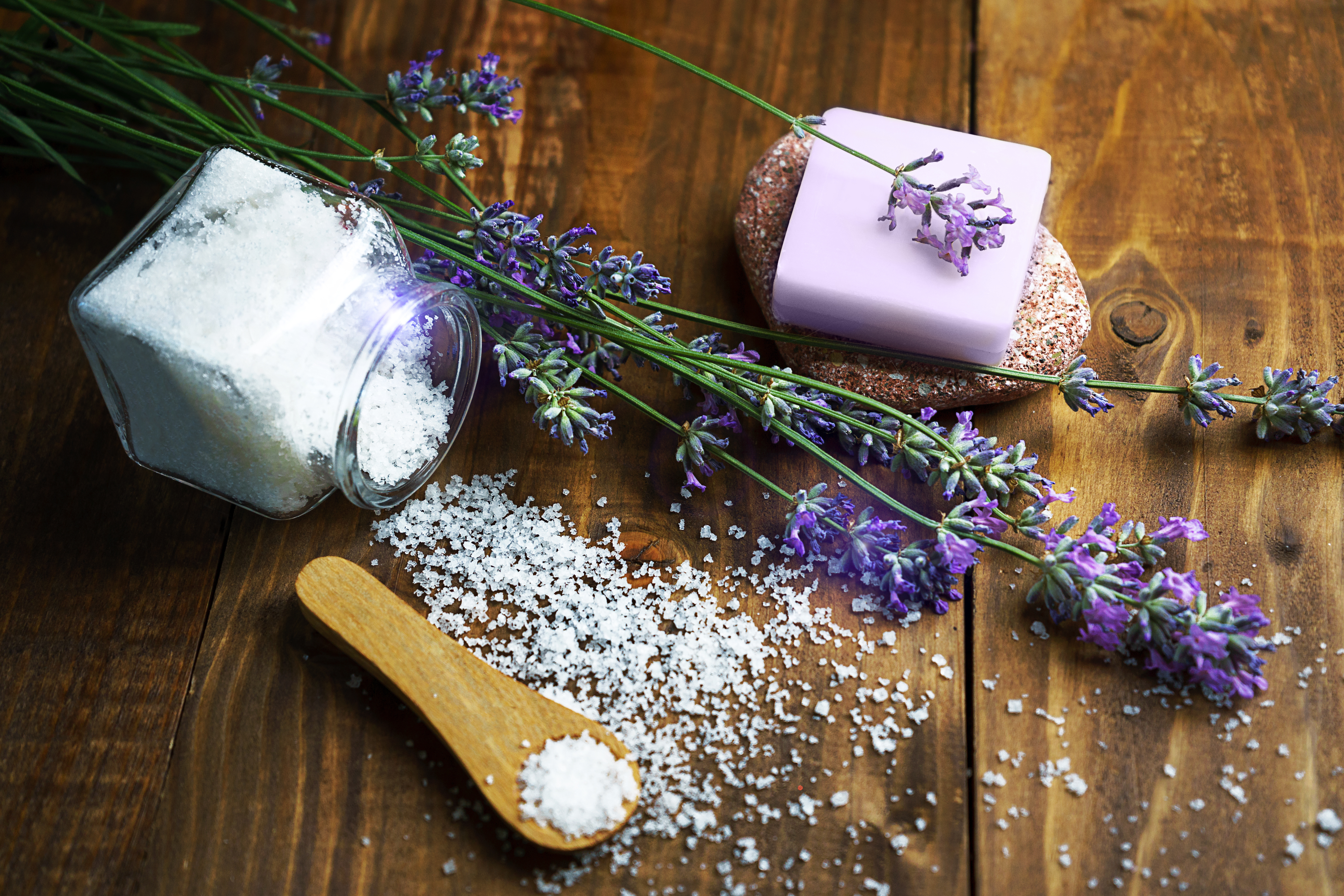
Lavender is one of the easiest starter oils because it feels familiar right away. It blends well with citrus, wood, and herbal notes, so you can keep it simple or use it as the center of a blend.
Its flashpoint is about 70°C, which makes it a comfortable choice for beginners. It works well in both cold process and melt and pour soap, and it usually gives a smooth, balanced scent without much drama.
Cedarwood for a warm, earthy base note
Cedarwood brings depth to soap and helps round out brighter oils that might feel too sharp on their own. If your blend needs a little weight, cedarwood acts like a steady base that anchors the whole bar.
Its flashpoint is above 65°C, so it is simple to handle in beginner batches. Use it to soften citrus notes or to give herbal blends a drier, woodsy finish.
Tea tree for a fresh, clean-style soap
Tea tree has a sharp, clean scent that fits wellness-focused bars and everyday soaps. It gives a recipe a crisp edge, which works well if you want a no-fuss, fresh-smelling bar.
Its flashpoint is lower than some other starter oils, around 55°C, so add it with a little more care. Even so, it can still be used safely in soap, especially when you keep the amount modest and mix it into a well-planned batch.
Lemongrass for a bright, energizing bar
Lemongrass brings a crisp citrus-herb scent that stands out in simple soap recipes. It wakes up a blend fast, so you do not need much to get a noticeable result.
Its flashpoint is above 65°C, which makes it beginner-friendly from a handling point of view. Because the scent is strong, use it in small amounts and let it play a supporting role instead of taking over the whole bar.
Sweet orange, patchouli, peppermint, eucalyptus, rosemary, and frankincense in short profiles
A few more oils deserve a place on any beginner list. They each bring something useful to soap, but the best results usually come from a light hand and clear intention.
- Sweet orange: Cheerful and easy to blend, sweet orange is a natural fit for bright, happy bars. It works well in simple citrus soaps and usually pairs nicely with cedarwood or lavender. Its scent is easy to use, though citrus oils often need careful storage and a modest amount in soap.
- Patchouli: Earthy and grounding, patchouli gives soap a deeper base note. It works best in small amounts, especially when you want to soften a sweet or sharp blend. Its scent can dominate, so a little goes a long way.
- Peppermint: Cool, sharp, and strong, peppermint gives soap a fresh snap. It is a good choice for a brisk morning bar, but use less than you think you need because the scent can take over fast. Keep it balanced with gentler oils.
- Eucalyptus: Fresh and spa-like, eucalyptus fits bars meant to feel clean and open. It is a smart pick for a simple herbal blend, especially with lavender or tea tree. Use it sparingly, since the scent is powerful and can become harsh in large amounts.
- Rosemary: Herbal and clean, rosemary is a natural match for rustic or garden-style soap. It works well with citrus or mint, and it gives a blend a dry, crisp edge. A moderate amount usually performs best.
- Frankincense: Resinous and calming, frankincense brings a soft, steady depth to soap. It is useful in blends that need a richer base or a more meditative feel. Its flashpoint is lower than some other beginner oils, so temperature control matters more here than with the higher-flashpoint options.
When in doubt, use less oil and simpler blends. A clean scent often outperforms a crowded one.
These oils give beginners enough range to make fresh, herbal, woody, and citrus-style soaps without getting lost in complicated formulas. Start with one or two scents, keep notes, and let each batch teach you something useful.
How to choose the right essential oil for your soap recipe
The best essential oil for soap depends on more than scent alone. You want a bar that smells pleasant, fits the mood you want, and behaves well in the batter without causing extra trouble.
That choice gets easier when you break it into two parts, scent style and test performance. A floral oil can feel soft and soothing, while a minty one feels sharp and fresh. A woodsy oil adds depth, and a citrus oil can brighten the whole bar.
Match the scent to the kind of bar you want to make
Floral oils give soap a gentle, calm feel. Lavender, palmarosa, and similar notes work well when you want a soft bath bar or a quiet evening soap. If you want a sweet, clean floral edge, palmarosa essential oil is a good place to start.
Woodsy scents feel warm and grounded. Cedarwood, amyris, and patchouli fit bars that feel earthy or cozy, especially when you want the scent to linger without shouting. These notes also pair well with citrus, since the bright top note keeps the blend from feeling heavy.
Herbal oils bring a fresh, garden-like character. Rosemary, eucalyptus, and tea tree work well for a crisp bar that feels clean and awake. Minty scents, like peppermint, add a cool burst that makes a soap feel brisk and energizing, which is a nice fit for morning use or hot-weather batches.
Citrus oils are bright and lively. Sweet orange, lemon, and lemongrass make soap feel cheerful and simple, but they can fade faster than deeper notes. For that reason, many makers use citrus as the top note, then add a woodsy or herbal oil underneath for balance.
A quick way to choose is to match the scent to the mood:
- Floral for soft, calming, or self-care bars
- Woodsy for earthy, grounded, or spa-style bars
- Herbal for clean, crisp, everyday bars
- Minty for cool, sharp, refreshing bars
- Citrus for bright, happy, morning-friendly bars
Start with a small test batch before scaling up
A test batch tells you more than a label ever will. Scent strength, trace speed, and how the oil behaves in your soap base can all change once the fragrance meets lye, heat, and curing time.
Use a small batch first so you can see the full picture without wasting ingredients. Does the oil stay pleasant after cure, or does it fade too fast? Does it speed up trace and make your swirl hard to work with? Those answers matter before you commit to a full loaf.
A simple test batch also helps you compare oils side by side. One scent may smell lovely in the bottle, then turn flat in soap. Another may surprise you and hold its shape better than expected. That kind of hands-on check is the easiest way to avoid waste.
These three beginner-friendly tests keep the process simple:
- Single-oil lavender batch: Use lavender alone to check how a soft floral scent holds up after cure. This gives you a clean baseline for future blends.
- Sweet orange and cedarwood batch: Blend a bright citrus note with a woody base to see how top and base notes balance in soap.
- Peppermint and rosemary batch: Try this fresh herbal mix if you want to test a sharper, more energizing scent profile.
Write down the exact amount you use, the trace behavior, and the scent after curing. That record becomes your best guide when you scale up.
Three simple beginner soap recipes that put these oils to use
These starter recipes keep the process simple and the scent choices clear. Each one uses a small number of oils, so you can focus on measuring, mixing, and watching how the soap behaves in the mold.
If you’re new to soap making, that matters more than a fancy blend. A calm first batch teaches you more than a crowded recipe ever will.
A calm lavender bar for a first test batch
Lavender is the easiest place to start because it smells clean, soft, and familiar. Use it on its own for a simple bar that lets you focus on the basics, like trace, pouring, and cure time.
For a beginner-friendly melt-and-pour batch, use 1 pound of soap base and about 0.3 ounces of lavender essential oil, or the amount recommended by your supplier for that base. Melt the cubes, stir in the oil once the base is smooth, then pour right away.
A plain lavender bar gives you a clean read on the scent. If the aroma fades too much, you’ll know to adjust the amount next time. If it feels too strong, you can scale back and still keep the bar pleasant.
A simple first-batch method looks like this:
- Cut the soap base into small cubes.
- Melt it in short bursts until smooth.
- Stir in the lavender oil gently.
- Pour into a mold and tap out bubbles.
- Let it harden fully before unmolding.
Keep the look plain, too. A single-color lavender bar often feels polished without any extra work, which is perfect for your first try.
A balanced woodsy blend with cedarwood and patchouli
Cedarwood and patchouli make a grounded, warm blend that feels earthy without turning heavy. Cedarwood gives the bar structure, while patchouli adds a small, rich base note that stays in the background if you use it lightly.
For a simple blend, try 2 parts cedarwood to 1 part patchouli. That ratio keeps patchouli from taking over, which is important because its scent can overpower a soap fast. A 1-pound melt-and-pour batch can use a modest total scent load, then you can adjust after the first cure.
This recipe is useful because it helps you practice pairing base notes with a softer middle note. Cedarwood holds the blend steady, while patchouli rounds it out and gives it more depth.
A good beginner mix is:
- Cedarwood for the main woodsy body
- Patchouli for a soft, earthy finish
- Optional lavender if you want to soften the blend a little
The result feels warm, calm, and steady, like a well-worn blanket rather than a loud perfume. Let the bar cure and smell it again before you decide whether to increase the patchouli next time.
A fresh spa-style bar with tea tree and eucalyptus
Tea tree and eucalyptus make a bright, clean bar that feels easy to reach for every day. The scent is crisp and airy, which suits a simple shower soap or a morning wash.
Use a light hand here, because stronger oils need careful measuring even when they smell mild in the bottle. Tea tree and eucalyptus can seem soft before they hit the soap base, then become much stronger than expected once cured.
For a fresh beginner blend, keep the ratio gentle:
- Tea tree as the main note
- Eucalyptus in a smaller amount
- A touch of lavender if you want the edge softened
This combination works well in melt-and-pour soap, but it can also fit a cautious cold process batch if you already know the basics. Measure by weight, not drops, and keep your total scent load within a safe soap-making range.
The finished bar feels clean and practical, almost like fresh air after rain. It’s a smart recipe when you want something simple, useful, and easy to repeat.
Simple mistakes that can make soap scents less safe or less pleasant
Scent should support the soap, not fight it. The wrong amount, or the wrong timing, can make a bar smell harsh, fade fast, or irritate skin.
A steady hand usually gives the best result. Keep the blend simple, measure with care, and treat the essential oil as part of the full recipe, not an afterthought.
Using too much oil for the size of the batch
More scent does not always make better soap. Once you push past a sensible usage rate, the bar can turn sharp, oily, or uneven, and the finished scent may feel heavier than you expected.
Excess oil can also bother skin, especially on bars meant for daily use. If you want to test a new oil, a small batch and a cautious amount are safer than trying to make the soap smell strong right away. A short essential oil skin sensitivity test guide can also help you think about irritation before you scale up.
Too much oil can throw off the recipe balance, too. The bar may feel softer, take longer to cure, or lose its clean finish. In practice, a well-measured soap often smells more polished than one loaded with fragrance.
A good rule is simple:
- Weigh the oil instead of guessing by drops.
- Stay within the batch limit for your recipe size.
- Start low when you try a new scent.
- Record the amount so you can repeat what works.
A soap that smells calm and clean usually beats one that feels loud and greasy.
Adding the oil at the wrong time or temperature
Timing matters because essential oils can behave very differently once they hit soap batter. Add them too early, and some of the scent can flash off or spread unevenly. Add them too late, and you may get clumps, poor mixing, or a rushed pour.
Temperature matters too. Delicate oils tend to do better when the batter is warm but not hot, so the scent stays in the soap instead of escaping during the process. In cold process soap, that usually means working with a batter that is stable and easy to stir, not overheated or thick as paste.
For many beginner batches, steady mixing is better than rushing the pour.
A few oils also react faster than others. If you are working with a scent that is known to move trace quickly, add it only when you are ready to pour. That small adjustment can save the batch from seizing or looking rough.
Three easy scent pairings to keep in mind are:
- Lavender alone for a soft, low-stress first batch.
- Sweet orange with cedarwood for a balanced scent that is less likely to feel too sharp.
- Tea tree with a little lavender for a fresher bar that still feels smooth.
Good timing helps the scent settle into the soap, and it keeps the whole process more controlled.
Conclusion
Beginner soap making does not have to feel complicated. Start with soap-safe essential oils, keep your usage rate under 3%, and treat flashpoint as a helpful guide, not a reason to second-guess every batch.
A simple single-oil test, like lavender, sweet orange, or cedarwood, gives you a clean starting point. From there, you can watch how the scent behaves, how the soap cures, and how the bar feels on skin.
One oil, one small batch, one clear lesson, that is how confidence builds. Try the scent that feels easiest first, then let each batch teach you a little more.
Stay Connected for More Natural Living Inspiration
If you enjoyed this post about herbal wellness and love discovering natural ways to refresh your home and wellness, don’t miss out on future recipes and clean-living tips! Subscribe to the blog for weekly DIYs, wellness inspiration, and herbal remedies delivered straight to your inbox.
Don’t forget to visit my Amazon storefront for the links to my favorite essential oils, herbal teas, and natural recipes. I also create YouTube ambiance videos for sleeping; a project I created to help with insomnia symptoms and the second channel, Rooted in Nature YouTube Channel both channels feature herbal recipes for wellness and home. The link to all social media content is here.
Thanks for coming by!

Leave a Reply