
(DISCLAIMER: I am not a doctor, and you should consult your healthcare professional before starting any health regimen. Some links are commissioned and supports the blog)

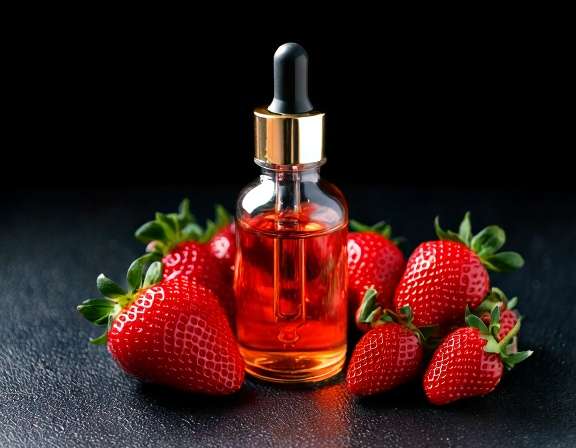
The smell of fresh strawberries can feel like a tiny vacation. Sweet air, warm sun, sticky fingers, and that bright red burst of joy. So it makes sense that people go looking for strawberry essential oil, a popular aromatherapy oil, to bring that feeling home.
Here is the tricky part, though. True strawberry essential oil is rare because strawberries (Fragaria Ananassa) do not yield much volatile oil for steam distillation. So when a bottle says “strawberry essential oil,” it often means one of three things: a fragrance oil, a strawberry absolute, or a strawberry-scented blend made from other botanicals.
That difference matters, because it changes what benefits you can realistically expect. In this guide, you will learn the day-to-day benefits that come from strawberry aroma, simple ways to use it, key safety rules, and how to shop without getting fooled by vague labels.
Key Takeaways:
- Know what you are buying: Many “strawberry essential oil” products are either an essential oil blend, a strawberry absolute, or a strawberry fragrance oil.
- Most realistic benefits: Strawberry scent can support mood, comfort, and a more enjoyable self-care routine.
- Best beginner uses: Try a diffuser session (only if the product is diffuser-safe), a simple room spray for home fragrance, a bath add-in done correctly, or a body oil with proper dilution.
- DIY-friendly: Strawberry aroma can make home and body care feel more inviting, so you actually use what you make.
- Safety basics: Dilute before skin use, patch test first, avoid eyes and mucous membranes, use only diffuser-safe products in equipment like a diffuser, and keep oils away from kids and pets.
- Shopping tip: Look for a clear ingredient list, any botanical name (like Fragaria), and the extraction method. If details are missing, skip it.
What “strawberry essential oil” usually is, and why that matters for benefits
When people say “essential oil,” they usually mean a plant oil made by steam distillation (like lavender or peppermint). That process works well for many herbs and flowers because they contain a lot of aromatic, volatile compounds.
Strawberries are different. The fruit smells strong when you bite it, yet it does not commonly produce a steam-distilled essential oil you can buy with consistent quality. While true aromatic strawberry essential oils from the fruit remain rare, Strawberry Seed Oil offers a common cold-pressed and unrefined option popular in beauty products for its nourishing qualities. As a result, most strawberry-scented bottles on the market fall into a few categories:
Essential oil blends mimic strawberry using other oils and aroma isolates. You might see citrus oils for brightness, benzoin for candy-like sweetness, and vanilla notes for warmth. These can smell lovely, but the “benefits” are mostly about scent enjoyment, not strawberry plant chemistry.
Absolutes are concentrated aromatic materials, often made with solvents to pull fragrance from delicate botanicals. A strawberry absolute is more likely to show up in perfumery than in everyday aromatherapy. It can smell rich and jammy, but it is usually expensive and not always intended for diffusers.
Fragrance oils are designed for scent performance. They can be natural, synthetic, or a mix (many are “nature-identical,” meaning lab-made molecules that match scents found in nature). These fragrance oils shine in soaps and candles. However, they are not automatically safe for diffusers or skin, and they are not used for therapeutic aromatherapy in the classic sense.
So what benefits can you expect? Think of strawberry as an experience-based aroma. It can make a room feel happier, a bath feel more comforting, and a body oil feel like a treat. On the other hand, it is not a shortcut to medical results.
Label reading helps you set the right expectations, especially when shopping for aromatic blends. Check for a Therapeutic grade claim or ask for a Safety data sheet to verify purity and ingredients. A good label usually includes:
- a full ingredient list (not vague wording)
- a botanical name when relevant
- an extraction method for natural extracts
- IFRA information and usage rates for fragrance oils (especially for skin products)
A red flag is any bottle that simply says “strawberry oil” with no other details.
If the label hides the ingredients, it is asking you to trust without proof. Choose clarity over hype.
A simple label check you can do in 30 seconds at the store
First, look for the ingredient line. You want real words, not mystery.
Next, scan for any plant name or source. Strawberry may appear as Fragaria (the genus for strawberry). A label might also say “strawberry absolute,” “strawberry extract,” or list what creates the scent (for example, “vanilla oleoresin, sweet orange oil, benzoin resin”).
Then, check for how it is meant to be used. If it is a fragrance oil, the maker often lists safe usage rates and may mention IFRA compliance. If the bottle is meant for soap or candles only, do not treat it like a diffuser oil.
Finally, avoid products that only say “strawberry essential oil” with no botanical name, no blend breakdown, and no safety directions. If you cannot tell what it is, you cannot use it with confidence.
If you want natural strawberry aroma, here are the most common options
Strawberry fragrance oil smells strong and consistent. It is best for candles, wax melts, and some body products (only when used at the maker’s safe rate). It is not meant for “therapeutic” aromatherapy.
Strawberry absolute can smell deeper and more true-to-fruit, like ripe berries and warm syrup. It is often used for perfume-style blends and can be pricey.
Strawberry-scented essential oil blends use other essential oils to create a berry impression. They are best for people who want a natural-leaning aroma for home routines, especially if they already enjoy blending oils.
Strawberry essential oil benefits you can actually feel day to day
Strawberry scent does not need to “fix” you to be useful. Sometimes the benefit is simple: you walk into a room and your shoulders drop. The air feels softer. The day feels less sharp around the edges.
That is what strawberry aroma does well. It supports small emotional shifts and cozy routines, especially when life feels loud. Because scent is closely tied to memory, strawberry can also tap into feelings of summer, comfort, or childhood treats. For someone else, it may do nothing at all. Both are normal.
Here are the benefits that tend to show up in real life, without stretching the truth.
Strawberry aroma can provide a mood-boosting lift to the mood in a gentle, friendly way. It often reads as playful and sweet, which makes it a nice choice for gloomy afternoons. It can also help a home feel welcoming, like you have already baked something good.
It can make your space feel clean and cozy, even if all you did was pick up clutter and open a window. Scent is not cleanliness, of course, but it changes how a room feels. That matters when you are trying to reset.
It also helps with ritual and consistency. A DIY body oil you love using is the one you will keep using, especially when made with natural strawberry extracts that contain antioxidants to help protect against free radicals as part of a holistic skin care routine. A bedtime routine that smells comforting is easier to repeat. Strawberry can be the “treat” note that turns a basic habit into something you look forward to.
Finally, strawberry pairs well with other aromas. Citrus brightens it. Vanilla softens it. Floral notes make it feel more grown-up. Resin notes make it feel warm and calm.
If you enjoy home scenting, pairing strawberry vibes with simple house routines can fit nicely alongside ideas like these DIY non-toxic cleaning products (where scent makes the whole process feel less like a chore).
A sweeter mood and lighter stress, because scent talks to memory
Scent takes shortcuts in the brain. One breath can pull up a whole scene, like flipping open a photo album you forgot you owned. That is why strawberry aroma can feel comforting fast.
On a tense afternoon, try a small, controlled dose of strawberry scent. Put a drop on an aroma stone (or a tissue), then set it near your desk. Each time you notice it, take one slow breath. Keep it subtle. Strong scent can turn cloying, especially in small rooms.
The goal is not to force relaxation. Instead, you are giving your nervous system a softer signal, like turning down the volume by one notch. Over time, that can make your self-care feel more natural and less like work.
A cozy-home boost for cleaning days and guest-ready rooms
Strawberry aroma shines when you want your home to feel friendly. It is not sharp like pine or medicinal like eucalyptus. It reads as warm and inviting.
For kitchen odors, a light diffuser session can help after cooking, but ventilation still matters. Open a window first, then add a few drops of a diffuser-safe blend. Keep sessions short, especially in tight spaces.
For living room comfort, a linen mist can make the couch feel fresh. Spray into the air, then let it settle. Do not soak fabric, and always test on an unseen spot first.
If you like the idea of diffuser blends in general, you might enjoy experimenting the way you would with a sinus decongestant diffuser blend (even if you swap the scent goal from “clear” to “cozy”).
How to use strawberry-scented oils safely in aromatherapy and DIY
Because “strawberry essential oil” often means a blend, absolute, or fragrance oil, safe use starts with one question: What is this product made for?
If it is a fragrance oil for candles, do not pour it into a diffuser. If it is an absolute intended for perfumery, use it in tiny amounts and follow the maker’s guidance. If it is a diffuser-safe blend, you can enjoy it like other essential oil mixes, with a light hand.
For home scenting, less is usually better. Start low, then adjust. Over-scenting can cause headaches or nausea, and it can bother kids and pets.
For topical use, dilution is not optional. Many aromatic materials can irritate skin, even if they smell like candy. A patch test protects you from learning that lesson the hard way.
If you are new to dilution, a solid primer on carrier oils for skin and hair makes blending feel much simpler. Strawberry Seed Oil shines as a carrier oil here, rich in antioxidants, Vitamin E, and ellagic acid. Its essential fatty acids, including omega-3 fatty acids, omega-6 fatty acids, linoleic acid, and linolenic acid, strengthen the skin barrier while delivering hydration for skin care. Non-comedogenic and gentle on sensitive skin, it also supports collagen production and works well in hair care routines.
A few extra cautions:
- Pregnancy and nursing: Ask a qualified professional, especially for leave-on body products.
- Asthma and scent sensitivity: Use very low amounts, or skip diffusion entirely.
- Kids and pets: Diffuse lightly, use short sessions, and give them a scent-free space to leave.
Beginner-friendly diffuser and room spray ideas that smell like a fruit bowl
Product type matters. Do not diffuse strawberry fragrance oil unless the manufacturer clearly says it is diffuser-safe. Many fragrance oils are made for soap or candles, not inhalation.
If you have a strawberry-scented aromatherapy oil blend meant for diffusers, keep the drops conservative.
Try one of these gentle “fruit bowl” concepts:
- A bright-and-sweet vibe: 2 drops sweet orange, 1 drop lemon, 1 drop benzoin (then add 1 drop of your strawberry-style blend).
- A soft “strawberries and cream” vibe: 2 drops sweet orange, 1 drop ylang-ylang, 1 drop vanilla oleoresin (then 1 drop strawberry-style blend).
For a room spray, use a small glass bottle. Add water plus a solubilizer (like unscented castile soap, or a product made for emulsifying oils). Then add your scent. Shake before each use, and mist into the air, not directly onto pets, kids, or faces.
If you want more habits and safety reminders that apply to any oil, these tea tree diffuser benefits tips also cover good basics like timing and ventilation.
Skin and bath safety, dilution, patch tests, and common irritations
For skin, aim for a 1 to 2 percent dilution for most adults. Keep it lower if you have sensitive skin, and consider Strawberry Seed Oil as a base for a facial serum in your skin care routine.
Here is easy math:
- About 1%: 6 drops per 1 ounce (30 ml) carrier oil
- About 2%: 12 drops per 1 ounce (30 ml) carrier oil
Massage the blend onto arms or legs, not near eyes, lips, nostrils, or other sensitive areas. Its linoleic acid and other antioxidants help reinforce the skin barrier, lock in hydration, and soothe sensitive skin. Stop right away if you feel burning, itching, or heat. Wash with soap and water, then give your skin time.
Baths need extra care, because oil and water do not mix. Never add aromatic oils straight into bathwater. They can stick to skin in concentrated patches. Instead, mix your measured drops into an unscented castile soap, a solubilizer, or a pre-made bath base that is designed for oils.
One more note: if your strawberry blend includes citrus oils (like bergamot or expressed lime), ask about sun sensitivity. When in doubt, avoid applying before sun exposure.
Conclusion
Strawberry Essential Oil Benefits often come from something simple: a scent that makes life feel sweeter. Because true strawberry essential oil is uncommon, most products are fragrance oils, absolutes, or blends. For those seeking nutrient-dense topical applications rather than just scent, Strawberry Seed Oil is the preferred choice. That means the biggest wins are mood, comfort, and enjoyment, not dramatic health claims.
Read labels like you mean it. Start with low amounts, then build slowly. Keep your routine easy, whether it is a short diffuser session or a light linen mist before guests arrive.
This week, try one safe method and notice how your space feels afterward. Then share your favorite strawberry pairings in the comments, do you like it with citrus, vanilla, florals, or something spicy?
Stay Connected for More Natural Living Inspiration
If you enjoyed this post about herbal wellness and love discovering natural ways to refresh your home and wellness, don’t miss out on future recipes and clean-living tips! Subscribe to the blog for weekly DIYs, wellness inspiration, and herbal remedies delivered straight to your inbox.
Don’t forget to visit my Amazon storefront for the links to my favorite essential oils, herbal teas, and natural recipes. I also create YouTube ambiance videos for sleeping; a channel I created to help people who have trouble sleeping. The link to all social media content is here.
Thanks for coming by!
Leave a Reply