
(DISCLAIMER: I am not a doctor, and you should consult your healthcare professional before starting any health regimen. Product links are commissioned and supports the blog)

Key Takeaways
- Ylang ylang essential oil is often used at night for mood support, stress relief, and a calmer bedtime atmosphere.
- Its aroma may help slow a racing mind and promote relaxation, though the research is still limited and not a substitute for medical care.
- The safest bedtime methods are short diffuser sessions, properly diluted skin use, a gentle bath, or a light pillow spray.
- For topical use, keep dilution low and patch test first. A little goes a long way.
- Don’t diffuse it all night. Thirty to sixty minutes is usually enough for an evening wind-down.
- Be cautious if you have low blood pressure, are pregnant, have young children at home, or live with pets that are sensitive to essential oils, following essential oil safety guidelines.
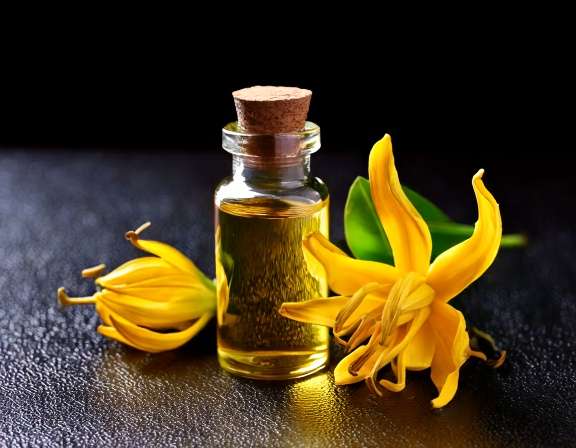
Ylang Ylang Essential Oil comes from the star-shaped flowers of the tropical tree known as Cananga odorata, and its scent is hard to mistake. Its sweet floral aroma, a little fruity, is often used when people want their evenings to feel softer and less tense.
That appeal makes sense at night. When your mind is still busy but your body wants rest, a comforting aroma can act like a gentle cue that the day is ending. Ylang ylang essential oil won’t fix every sleep problem, but it may help take the edge off mild stress and help you settle.
The key is using it in a way that feels calm, not overpowering. Here’s how to use it before bed, what works best, and what to avoid.
Start with less than you think you need. Ylang ylang is strong.
Why this floral oil is linked to calm and emotional balance
Scent reaches the brain quickly, especially areas tied to memory, mood, and emotional response. That’s one reason aromatherapy can feel so immediate. A smell can shift the tone of a room before you even think about it.
Ylang ylang essential oil, produced via steam distillation from the flowers with the distillation process often occurring in Madagascar and Comoros, is frequently used for worry, irritability, and everyday emotional tension. Ylang Ylang Complete results from a full distillation. Some small human studies suggest inhaling it may help people feel more relaxed and slightly less anxious. A few also found changes in heart rate and blood pressure during inhalation, which fits with the oil’s reputation for calming the nervous system and its traditional use for high blood pressure. As of April 2026, though, most human research is older and fairly small, so it’s best to stay realistic about what it can do.
That balanced view matters. This oil may support a peaceful mood before sleep, but it doesn’t replace treatment for insomnia, panic, depression, or ongoing anxiety. Think of it as a supportive bedtime tool, not a cure.
If you’re curious about similar oils, this guide to ylang ylang for joy and relaxation pairs well with a simple nighttime routine.
What it smells like and why that matters at night
Ylang ylang smells lush and full, with historical ties to the perfume industry. Most people notice a rich floral note first, then a soft fruity sweetness underneath. It can feel tropical, creamy, and almost perfume-like.
At bedtime, that matters more than people expect. A scent that’s too sharp can keep you alert. One that’s warm and rounded can feel like lowering the lights in your mind. Ylang ylang works best when used lightly, so the room feels comforting, not crowded with fragrance.
How it may support stress, tension, and sleep
The main benefit at night is not that it “knocks you out.” It’s that it may help you shift from tension to rest, acting as a natural mood booster. When stress is mild, that shift can make falling asleep easier. It is often used for anxiety and depression.
Some studies suggest ylang ylang inhalation may lower heart rate and blood pressure in healthy adults. That doesn’t mean it works like a sedative, but it may encourage the body to downshift. There is also limited evidence that blends including ylang ylang may support sleep quality, especially when paired with oils like lavender.
That’s most useful for everyday restlessness, mental chatter, or that wired-but-tired feeling. If your sleep problems are frequent, severe, or tied to mental health symptoms, it’s time for more than aromatherapy.
The safest ways to use ylang ylang essential oil at night
Night use should feel simple. You don’t need a long ritual or a dozen products. In most cases, one gentle method is enough.
The main rule is to keep the dose low and avoid internal use. Ylang ylang essential oil is beautiful, but it’s easy to overdo. Too much can cause headache, nausea, or sensory fatigue, especially in a small bedroom.
Use a diffuser for a short evening wind-down
Diffusing is the easiest place to start. Run the diffuser for 30 to 60 minutes before bed, then turn it off. Try not to diffuse all night, especially in a closed room.
A beginner-friendly evening blend is:
- 2 drops ylang ylang essential oil
- 3 drops lavender essential oil
- 1 drop Roman chamomile essential oil
Place the diffuser a few feet away from the bed, not right next to your pillow. An auto shut-off is helpful, especially if you tend to fall asleep early.
If you want help with ratios and blending basics, this guide on how to mix essential oils safely for beginners keeps it simple.
Apply it to skin only when diluted
Never put ylang ylang directly on skin. It needs a carrier oil, such as jojoba oil, almond oil, or fractionated coconut oil.
A safe bedtime blend for beginners is easy:
- 1 tablespoon carrier oil
- 1 drop ylang ylang essential oil
- 1 drop lavender essential oil
Mix, then apply a small amount to your wrists, feet, or the back of your neck (great for skin and hair). You can also use it for a brief hand or foot massage before bed. Patch test first on a small area of skin and wait 24 hours, as natural constituents like isoeugenol can cause an allergic reaction, especially if you’re sensitive to fragrance.
A low dilution is often enough. You don’t need to smell it strongly on your skin for it to be useful.
Try a warm bath or pillow spray for a softer routine
A bath works well when stress sits in the body, not only the mind. Warm water, dim light, and a gentle aroma can help you loosen up before sleep.
For a simple bath blend, mix 2 drops of ylang ylang with 1 tablespoon of carrier oil or unscented liquid bath base, then add it to warm water. If you like Epsom salts, add about 1 cup separately. Keep the scent light. Baths should feel soothing, not like perfume.
A pillow spray is even softer. In a 2-ounce spray bottle, combine 2 ounces distilled water, 1 teaspoon witch hazel or unscented vodka, 3 drops ylang ylang, and 5 drops lavender. Shake well before each use. Mist lightly onto bedding, then let the fabric dry before lying down.
That last step matters. Wet fabric right under your nose can feel too intense.
Build a bedtime routine that helps your mind settle
Ylang ylang, with its reputation for aphrodisiac properties, tends to work better as part of a pattern. The scent becomes a cue. Over time, your brain starts to connect that smell with slowing down, much like dim lights or a favorite blanket.
The goal isn’t perfection. It’s repetition. A short, steady routine often works better than a complicated one you only manage twice.
A simple 30-minute nighttime routine to follow
Try this about half an hour before bed:
- Turn off bright screens or switch them to low light.
- Start your diffuser with a low-drop blend of pure and natural ylang ylang.
- Dim the room and do three to five slow breaths.
- Spend 10 minutes journaling, reading, or stretching.
- If you like, take a warm bath or apply a diluted oil blend to feet or wrists.
- Turn the diffuser off before sleep.
That’s it. No need to stack every calming habit you know. Pick a few steps that feel doable and keep them consistent.
How to keep the scent comforting instead of overwhelming
With ylang ylang, more is not better. Too much of its floral scent can flip the experience from cozy to cloying.
If the scent feels heavy, cut the drop count in half next time. You can also blend it with softer partners, such as lavender or Roman chamomile, so the floral note doesn’t dominate the room. Some people do better using it every other night instead of nightly.
Pay attention to your body’s feedback. A mild, pleasant background scent is the sweet spot. If you get a headache, feel nauseated, or wake up feeling overstimulated, scale back or stop.
Who should be careful before using it
Most healthy adults can use ylang ylang essential oil at night without trouble if it’s diluted, used in small amounts, and selected with essential oil safety in mind. Look for therapeutic grade or USDA Organic certifications to ensure quality. Still, a few groups need extra care.
Inhalation may lower heart rate and blood pressure, which can benefit those with high blood pressure and improve circulation, but people with low blood pressure should be cautious or skip it. Pregnancy is another reason to check with a qualified clinician first, since essential oil safety data in pregnancy is limited. For young children, lighter dilution or avoidance is often the safest route unless your pediatrician says otherwise.
Pets matter too. Cats are especially sensitive to many essential oils. Diffuse in a well-ventilated space, keep pets out of the room if needed, and never apply this oil to their skin or bedding. Also avoid contact with eyes, inside the nose, broken skin, and anywhere that feels irritated.
If you’re dealing with severe anxiety, depression, trauma symptoms, or ongoing insomnia, aromatherapy can be comforting, but it isn’t enough on its own. Support from a licensed professional is the safer next step.
Frequently Asked Questions
Is ylang ylang essential oil safe for nightly use?
Yes, for most healthy adults when kept light and short, like 30-60 minutes of diffusion or low-dilution skin application. Overdoing it can cause headaches or nausea, so start with less than you think and monitor how you feel. Always follow essential oil safety basics, including patch testing.
Does ylang ylang help with sleep or anxiety?
It may ease mild stress and promote relaxation by slowing heart rate and calming the mind, based on small studies, but it’s no substitute for medical care. Think of it as a supportive wind-down tool, not a sedative. Pair it with a simple bedtime routine for best effect.
How do I dilute ylang ylang for skin safely at night?
Mix 1 drop ylang ylang with 1 tablespoon carrier oil like jojoba or fractionated coconut oil for wrists, feet, or neck. Patch test on a small skin area first and wait 24 hours. A little diluted blend goes far without overwhelming.
Can I use ylang ylang around kids, pets, or if pregnant?
Be cautious: pregnant people, those with low blood pressure, young children, and pets like cats need extra care or avoidance. Consult a doctor or vet, diffuse in ventilated spaces, and never apply to kids or animals. Safety first over scent.
Conclusion
A sweet floral scent can’t solve every hard night, but Ylang Ylang Essential Oil can be a helpful part of emotional balance when used with a light hand. The best results usually come from simple habits, short diffusion, gentle dilution, and a bedtime routine that tells your body it’s safe to rest.
Start small. Try one method, notice how you feel, and adjust from there.
Over time, that soft evening cue may become one of the quietest, steadiest parts of your night.
Stay Connected for More Natural Living Inspiration
If you enjoyed this post about herbal wellness and love discovering natural ways to refresh your home and wellness, don’t miss out on future recipes and clean-living tips! Subscribe to the blog for weekly DIYs, wellness inspiration, and herbal remedies delivered straight to your inbox.
Don’t forget to visit my Amazon storefront for the links to my favorite essential oils, herbal teas, and natural recipes. I also create YouTube ambiance videos for sleeping; a channel I created to help people who have trouble sleeping. The link to all social media content is here.
Thanks for coming by!


Leave a Reply