
(DISCLAIMER: I am not a doctor, and you should consult your healthcare professional before starting any health regimen.)

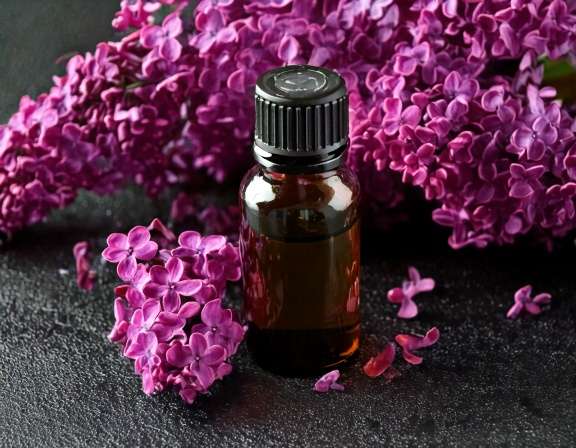
A favorite book, a warm cup of herbal tea, and a soft floral scent can turn an ordinary evening into a small retreat at home. Lilac essential oil is a lovely search term, yet many products sold under that name are lilac fragrance oils, perfume oils, specialty extracts, absolutes, or fragrance-inspired blends.
These recipes focus on scent and atmosphere, not lilac-specific health claims. Each blend brings a floral note to reading time, peaceful mornings, and gentle bedtime routines.
Key Takeaways for Calming Lilac Diffuser Blends
- Check that any lilac product is clearly labeled for diffuser use before adding it to water.
- Lavender and gentle citrus oils soften a lilac-style fragrance and give it a lighter, more balanced character.
- Start with a low drop count, especially in a bedroom, reading corner, or other small room.
- Use short, intermittent sessions with fresh airflow rather than leaving a diffuser on for hours.
- Follow every product label and choose oils that suit your household, room size, and personal scent preferences.
Calming Lilac Essential Oil Diffuser Blends for Reading and Mornings
A lilac aroma has the feeling of open windows and spring branches after rain. Use a verified diffuser-safe lilac blend, or another lilac product with clear diffuser directions, as the floral center of these recipes.
For a small room diffuser, these formulas use five drops total. Smaller diffusers may call for fewer drops, so check the manufacturer’s water line and instructions first.
Lavender Lilac for a Quiet Reading Nook
Ingredients
- 2 drops diffuser-safe lilac blend
- 2 drops lavender essential oil
- 1 drop sweet orange essential oil
Fill your diffuser with water according to its instructions, then add the oils. Lavender rounds out the lilac note, while sweet orange brings a faint sunlit brightness. The finished aroma feels soft, floral, and lightly fresh.
Set this blend beside a reading chair, journal, or stack of library books. Run it for a short intermittent session with a cracked window or fresh airflow nearby. Pair it with a caffeine-free herbal tea if you enjoy a slower afternoon ritual.
Mandarin Lilac for a Fresh, Unhurried Morning
Ingredients
- 2 drops lilac scent product approved for diffusion
- 2 drops mandarin essential oil
- 1 drop geranium essential oil
Add the oils to a water-filled diffuser, following the directions on both the diffuser and the lilac product. Mandarin gives the floral scent a bright peel-like lift, while geranium adds a green, rosy layer that keeps the blend from becoming overly sweet.
This is a pleasant choice for slow mornings, light housekeeping, or drinking herbal tea before the day gathers speed. A short session can scent the room without taking over the space.
A lilac blend often feels more natural when one companion note adds contrast, such as citrus for lightness or cedarwood for warmth.
Lilac Diffuser Recipes for a Cozy Evening
As daylight fades, floral oils can feel fuller when paired with woods or richer blooms. Keep the total amount modest so the scent stays close and comfortable.
Cedar Lilac for a Cozy Evening Reset
Ingredients
- 2 drops diffuser-safe lilac blend
- 2 drops cedarwood essential oil
- 1 drop lavender essential oil
Fill the diffuser basin to its marked line and add the oils. Cedarwood brings a dry, warm base beneath the lilac, while lavender smooths the edges. Together, they create a softly floral scent with the warmth of a wooden bookshelf.
Use this blend during an evening bath, while soft music plays, or while reading a few pages before bed. Choose a short session, then let the room return to its natural air.
Two Easy Lilac Variations for Rose and Jasmine Lovers
For a rosy floral blend, combine the following ingredients:
- 2 drops lilac diffuser blend
- 1 drop rose essential oil or a diffuser-safe rose blend
- 2 drops lavender essential oil
This variation has a petal-rich character that fits a slow evening, fresh linens, or a letter-writing hour. Rose can be intense, so one drop gives the blend room to breathe.
For a fuller floral blend, use these ingredients:
- 2 drops lilac diffuser blend
- 1 drop jasmine absolute or diffuser-approved jasmine product
- 2 drops mandarin essential oil
Jasmine and mandarin create a brighter, more lush interpretation of lilac. Rose and jasmine products vary widely, so confirm diffuser directions, dilution information, and household suitability before using either one.
Choosing a Lilac Scent for Your Routine
The label tells an important story. A true essential oil usually comes from plant material through distillation or expression. Lilac is rarely available as a standard steam-distilled single-plant oil. Instead, specialty suppliers may offer lilac absolute, enfleurage material, extract, or a blend inspired by the flower.
An absolute is a concentrated aromatic material, often used in perfumery. A CO2 extract uses carbon dioxide during extraction. Fragrance and perfume oils are made for scent, and their formulas differ from botanical essential oils. A pre-made lilac blend may contain several essential oils arranged to resemble blooming lilac.
Look for the botanical name when one applies, the intended use, a full ingredient list when available, batch or safety information, and direct diffuser instructions. Eden’s Garden, for example, describes its Lilac Essential Oil Blend as a blend of pure essential oils inspired by lilac’s aroma.
For broader guidance on labels, water levels, and session length, see this practical essential oil diffuser guide. A clear label makes it easier to enjoy the aroma with confidence.
Simple Ways to Match a Blend to Your Space and Routine
Lavender or cedarwood pairs well with a cozy reading corner because both give a lilac scent more softness and depth. Mandarin suits a bright morning, while rose or jasmine fits an unhurried evening when you want a fuller floral profile.
Balance a strong blossom scent with one gentle companion note. Citrus adds sparkle, cedarwood adds warmth, and geranium brings a leafy floral quality. In a smaller room, fewer drops often create the most comfortable experience.
Test one blend at a time for a few sessions. Personal scent preferences matter, and a blend that feels perfect beside your tea mug may feel too rich in a small bedroom.
How to Use Lilac Essential Oil Safely at Home
Begin with three to five total drops in a well-ventilated small room, then adjust for diffuser size and the product’s label. Intermittent sessions give you time to notice how the aroma fills the room. Fresh air and an easy path out of the space help everyone stay comfortable.
Keep bottles capped and stored out of reach. Pets benefit from access to another room, so they can choose a space that feels comfortable. Place the diffuser where it cannot be bumped, tipped, or reached by curious paws.
Children under 6 do best with an oil-free shared air space. For older children, select age-appropriate guidance from a qualified professional and keep all oils secured. Anyone who is pregnant, breastfeeding, managing asthma or respiratory concerns, or has a seizure history should ask a qualified healthcare professional before diffusing.
Lilac products deserve the same care as any aromatic concentrate. Use only products made for diffusion, use the amount directed, and let the aroma remain a gentle part of the room rather than the whole room.
Building a Small Aromatherapy Ritual
A diffuser works best when it supports a routine you already enjoy. Set out your book, steep a cup of herbal tea according to its package directions, and choose one blend that suits the hour. The scent becomes a familiar signal that the pace can soften.
For more inspiration, this beginner essential oil blending guide offers practical ways to pair floral, citrus, and woody notes. Keep a small notebook nearby if you enjoy tracking combinations that make your home feel welcoming.
A simple ritual needs very little: clean water, a low drop count, fresh air, and time to notice the fragrance. That is often enough.
Frequently Asked Questions
Is lilac essential oil a true essential oil?
Most products marketed as lilac essential oil are fragrance oils, perfume oils, pre-made blends, absolutes, or specialty extracts. Lilac is not commonly sold as a standard steam-distilled essential oil. The label and intended use tell you what the product contains and whether it belongs in a diffuser.
Can I use lilac fragrance oil in an essential oil diffuser?
Use lilac fragrance oil when the supplier clearly labels it as diffuser-safe and provides directions for your diffuser type. Fragrance and perfume oils have different formulas, so each product needs its own usage guidance. Follow the stated amount and room recommendations.
How many drops should I use for a lilac diffuser blend?
Three to five total drops is a comfortable starting point for a small room. Follow your diffuser and oil labels, then adjust based on room size and scent strength. Short, intermittent sessions with ventilation keep the fragrance light and pleasant.
Which oils pair well with a lilac scent?
Lavender, mandarin, sweet orange, geranium, cedarwood, rose, and jasmine can all complement a lilac-style fragrance. Citrus creates a fresh effect, geranium adds green floral character, and cedarwood brings warmth. Choose products approved for diffusion and match the pairing to the mood you want.
Can I diffuse these blends around pets or children?
Give pets access to another room and keep diffusers and bottles out of reach. Children under 6 benefit from an oil-free air space, while older children need age-appropriate guidance. Households with pets, children, or special health considerations can keep sessions low-dose, well-ventilated, and closely observed.
A Soft Scent for Everyday Pauses
A lilac aroma can bring a graceful finishing touch to a book, a morning cup of herbal tea, or a peaceful evening at home. Begin with one low-drop blend, read the product label, and let the scent settle naturally into your space.
The most satisfying rituals are often small ones. Fresh air, mindful pauses, and a gentle floral fragrance can make an ordinary day feel more settled.
Stay Connected for More Natural Living Inspiration
If you enjoyed this post about herbal wellness and love discovering natural ways to refresh your home and wellness, don’t miss out on future recipes and clean-living tips! Subscribe to the blog for weekly DIYs, wellness inspiration, and herbal remedies delivered straight to your inbox.
Don’t forget to visit my Amazon storefront for the links to my favorite essential oils, herbal teas, and natural recipes. I also create YouTube ambiance videos for sleeping; a channel I created to help people who have trouble sleeping. The link to all social media content is here.
Thanks for coming by!

Leave a Reply