
(DISCLAIMER: I am not a doctor, and you should consult your healthcare professional before starting any health regimen. Product links are commissioned and supports the blog)

Key Takeaways
- Fresh, clean scent: Many people use white tea oil to make a home smell airy and “just cleaned.”
- Mood support: The light, spa-like aroma offers mood enhancement and may help you feel calmer during tense days.
- Stress and anxiety management: White tea essential oil is often used to help manage stress and anxiety with its soothing properties.
- Relaxation routines: It fits well in wind-down rituals for relaxation and well-being, especially in the early evening.
- Focus-friendly background scent: Some find it helps a workspace feel more settled and less stuffy.
- Best uses: Diffusers, room sprays, linen refreshers, and light scenting for closets or bathrooms.
- Use extra caution: Pregnancy, asthma, migraines, young kids, and pets can react to scented air.
- Big buying tip: Many “white tea oils” are fragrance oils or blends, so check the label before any skin use.
A cup of pale tea steams on the table, and the air turns soft. The scent is a delicate fragrance, clean, a little floral, a little sweet, like fresh sheets warming in the sun. That same “quiet luxury” feeling is what many people want when they reach for white tea essential oil in a diffuser.
White tea essential oil benefits are often sought after by those wanting the atmosphere of luxury spas. Here’s the twist: when people say “white tea essential oil,” they’re often talking about a fragrance style, not a true essential oil distilled from tea leaves. That doesn’t mean it’s useless. It means you should buy and use it with clear eyes.
This guide breaks down white tea essential oil benefits people report, why the evidence can feel mixed, and how to use white tea oil safely at home (plus what to look for on the label).
What “white tea essential oil” really is, and why labels get tricky
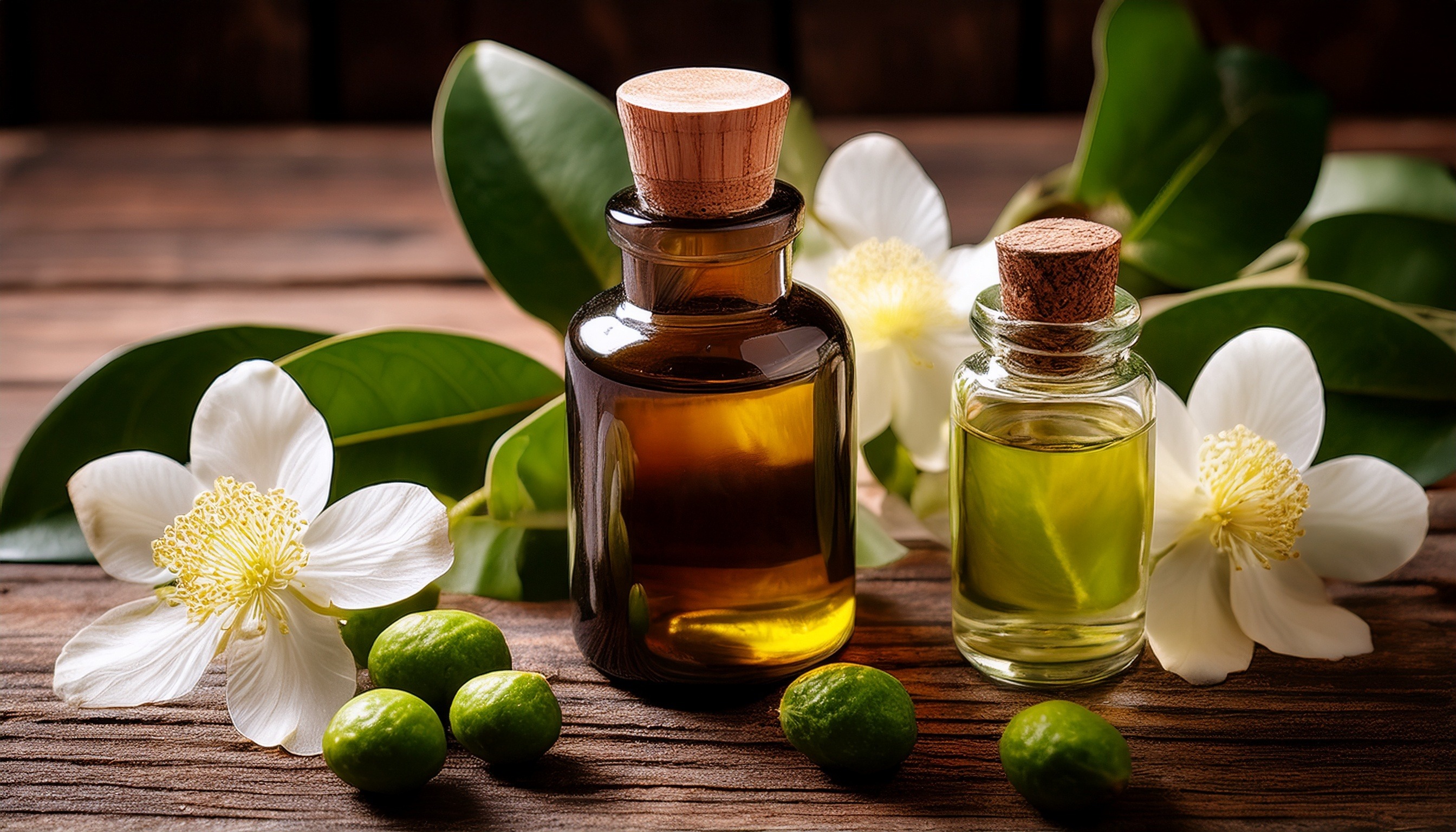
True essential oils usually come from steam distillation (think lavender flowers or peppermint leaves). Tea, however, doesn’t behave the same way. Camellia sinensis leaves (the tea plant) don’t commonly produce an affordable, widely available steam-distilled essential oil the way other aromatherapy plants do. As a result, most “white tea essential oil” products on the market fall into one of these buckets:
- Fragrance oils: Blends made for scent, sometimes using aroma compounds (natural, synthetic, or both). These can smell amazing, yet they may not be intended for skin.
- Aromatherapy blends: A mix of essential oils designed to smell like white tea (often with citrus, light florals, and soft woods).
- Extracts (CO2, absolute, or solvent extracts): Less common, more expensive, and usually labeled clearly. These can be potent and still need careful safety guidance. Unlike fragrance oils focused purely on scent, extracts offer more concentrated plant compounds.
Why it matters: the “benefits” people talk about depend on what’s inside the bottle. A fragrance oil can still create a calming, clean-home vibe, but it shouldn’t be treated like a therapeutic essential oil. Fragrance oils excel at aroma but lack the purity of extracts for deeper therapeutic use. On the other hand, a well-made essential oil blend that mimics white tea can be safer for diffuser use (with normal aromatherapy precautions).
Here’s a simple label-reading checklist that keeps you out of trouble:
- Ingredients listed clearly: Look for full ingredients, not just “proprietary blend.”
- INCI names (when relevant): For topical products, you want cosmetic-style ingredient naming.
- Obvious wording: If it says “fragrance oil” or “perfume oil,” assume air use only unless skin guidance is provided.
- Dilution info and safety notes: A trustworthy seller tells you how to dilute and who should avoid it.
- Transparency: Some brands share GC/MS for essential oils (or at least detailed sourcing). If everything is vague, treat it as scent-first.
If a label won’t tell you what’s in the bottle, don’t put it on your skin. Use it only for scenting the air, or skip it.
Tea plant vs tea scent: Camellia sinensis compared to “white tea” blends
In perfumery and home fragrance, “white tea” usually describes a feeling, not a single plant oil. It often smells soft, clean, slightly sweet, and lightly floral. That profile may include notes like citrus peel, jasmine-style florals, ginger, pear, or pale woods (even when none of those plants appear as essential oils).
Meanwhile, Camellia sinensis, originating from regions like Fujian Province (a primary source for silver-white tea buds), is the plant behind white tea, green tea, and black tea. Central to Chinese tea culture and prized during imperial dynasties, Camellia sinensis leaves are processed minimally for white tea, not as a separate species with its own essential oil.
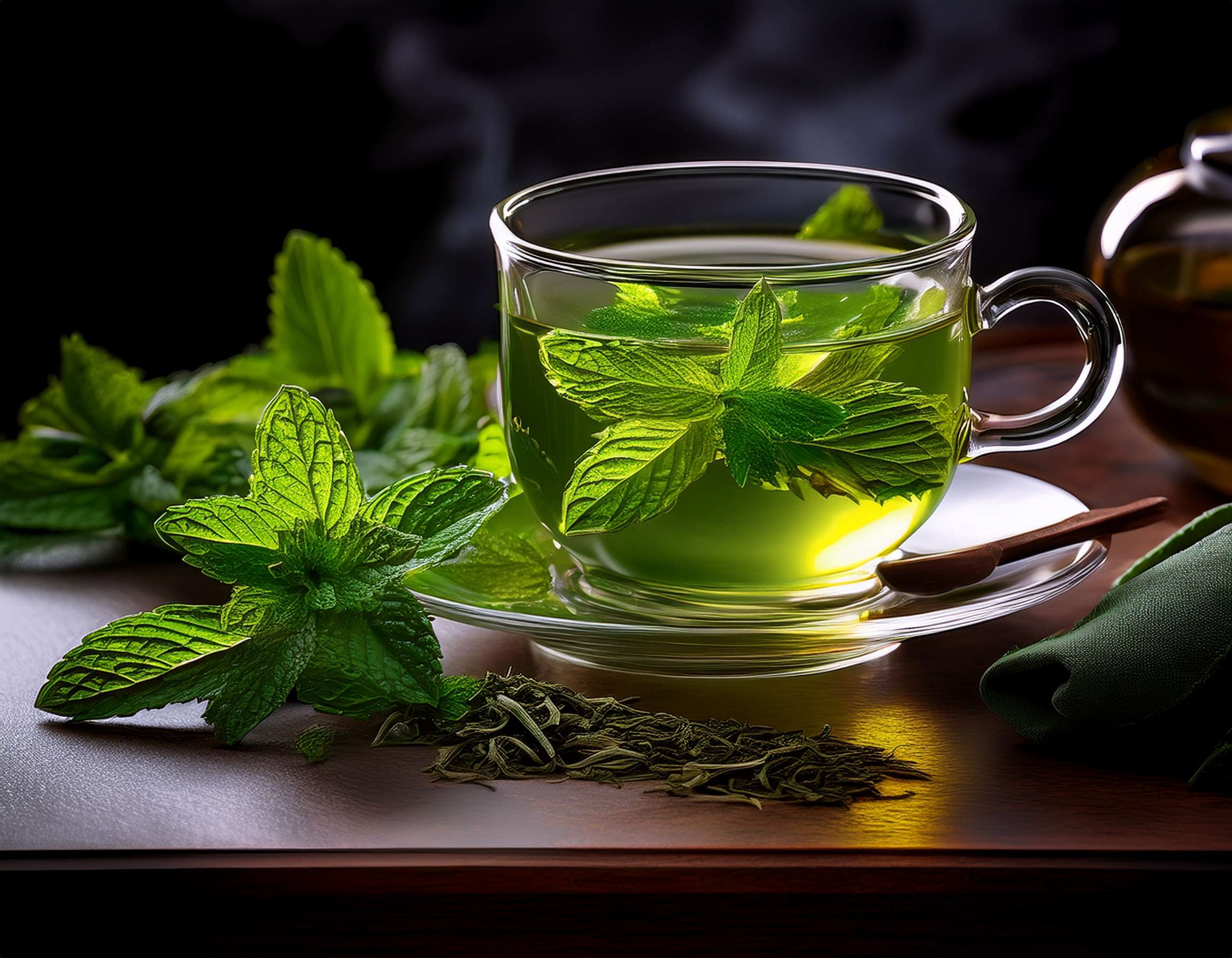
So when you love a white tea scent, you’re often loving a carefully built blend. If you also enjoy tea as a daily ritual, a calming cup can pair nicely with gentle scent work, like this Green Tea Rose Petal Tea Blend Recipe.
Quick buying guide: how to spot a quality white tea oil for aromatherapy
A good white tea oil should feel easy to understand. These checks take less than a minute:
- Seller reputation: Clear contact info, consistent labeling, and real safety guidance.
- Full ingredients: You should know if it’s essential oils, fragrance oil, or a mix.
- “Skin-safe” explained: A real claim includes dilution guidance (not just a badge).
- Packaging: Dark glass helps protect scent ingredients from light and heat.
- Child and pet warnings: Responsible brands mention them upfront.
- Marketing red flag: “Therapeutic grade” has no standard definition, so don’t treat it as proof.
Benefits people notice most, and what the research can and can’t say
Most white tea essential oil benefits are aromatherapy benefits, meaning they relate to mood, atmosphere, and daily routines. That’s still meaningful. Scent is one of the fastest ways to shift a room’s energy, like opening a window on the first warm day of spring.
While the white tea plant is rich in antioxidants and anti-inflammatory properties, especially when brewed as tea, the therapeutic benefits of white tea essential oil come from its scent rather than ingestion.
Research on aromatherapy often looks at individual essential oils (like lavender) rather than “white tea” blends. Also, many white tea products are fragrance blends, which makes firm conclusions harder. Still, we can talk honestly about two things at once: what many users report, and what studies on scent and relaxation suggest in general.
Here’s the grounded version of what white tea scent tends to do well:
- Supports a calmer mood: Many people find the clean, gentle aroma helps them unclench after a long day.
- Makes routines feel lighter: Folding laundry, resetting the kitchen, or tidying a bathroom can feel less dull with a fresh background scent.
- Helps a space feel “clean”: Not sterile, not disinfected, but more inviting and airy.
- Works as a social scent: White tea profiles usually don’t overpower guests the way heavy vanilla or strong herbal oils can. For example, Westin White Tea is a well-known version of this scent profile used in commercial spaces like hotel lobbies.
- Pairs well with other oils: If your bottle is an essential oil blend, white tea profiles often sit nicely next to citrus, florals, and resin scents.
Scent affects mood because smell signals travel quickly to the limbic system, the brain area tied to memory and emotion. This interaction promotes mental clarity fast, which is why one familiar aroma can bring comfort, even if your day hasn’t changed much.
If you’re building a bigger “feel better” scent toolkit, this guide on Mood-Boosting Essential Oils can help you find supportive pairings that fit your style.
Mood lift and stress support: the spa-like calm effect
White tea scent usually feels fresh, airy, and softly floral. It’s the olfactory version of a crisp, white shirt. Because it’s not sharp or heavy, many people turn to its aromatherapy benefits for mood support when they want calm without sleepiness. The scent interacts with the limbic system to promote mental clarity alongside relaxation.
It can work well:
- After work, when your brain keeps replaying the day
- During chores, when you want the house to feel less chaotic
- Before guests arrive, when you want “fresh” without screaming air freshener
For diffuser use, less often feels better. Try a short session, then stop. A common rhythm is 15 to 30 minutes on, then a break. If you want more depth, pair it with oils that stay gentle, such as lavender-style blends or a hint of bergamot. If you share space with pets, keep the room ventilated and give them a way to leave.
Fresh-home benefits: deodorizing rooms, linens, and “stale air” moments
A white tea profile shines when the air feels stale. Think closed-up winter rooms, a busy kitchen after cooking, or towels that smell a little tired. The scent can make a space feel cleaner because our brains link “fresh” notes with cleanliness.
Still, it’s important to separate nice-smelling from sanitized.
A fresh scent can improve how a room feels, but it doesn’t replace soap, ventilation, or proper cleaning.
If you want an essential-oil approach that focuses more on that “clean home” theme, you might also like this practical guide on Tea Tree Oil Diffuser Benefits (tea tree is much stronger, so it’s not the same vibe, but it’s popular for musty odors).
Easy, safe ways to use white tea oil at home (with simple recipes)
Before the fun recipes, a few essential oil safety rules keep things comfortable:
Start low, because strong scent can trigger headaches or irritation. Ventilate the room, especially with kids or pets. Diffuse in intervals rather than all day. Keep oils away from eyes and mucous membranes. If you use anything on skin, do a patch test first. Always follow essential oil safety guidelines. Finally, never ingest white tea oil, essential oil blends, or fragrance oils.
One more key point: if your product is labeled fragrance oil, treat it as air-scent only unless the maker clearly provides cosmetic skin-safe rates.
Diffuser blends for focus, unwind time, and gentle sleep routines
Keep total drops modest. For most average rooms, aim for 4 to 8 total drops in a scent diffuser using cold-air diffusion.
- Clean Focus (bright and tidy)
- 3 drops white tea oil (floral aroma)
- 2 drops lemon essential oil
- 1 drop rosemary essential oil
Use in a scent diffuser for 15 to 25 minutes, then pause.
- Soft Calm (quiet, not sleepy)
- 3 drops white tea (floral aroma)
- 2 drops lavender essential oil
- 1 drop frankincense essential oil
Good for late afternoon, mindful meditation sessions, or after dinner to support sleep quality.
- Sunday Reset (fresh sheets vibe)
- 3 drops white tea
- 2 drops bergamot essential oil
- 1 drop cedarwood essential oil (woody fragrance)
Avoid bergamot on skin before sun, even when diffusing, keep it gentle.
If anyone feels nauseated or tight-chested, stop the scent diffuser and open a window.
Linen and room spray that won’t leave your sheets smelling like a perfume counter
Oil and water don’t mix. That’s why sprays need a helper, either alcohol or a solubilizer (like polysorbate 20). This keeps droplets more even and reduces “oil spots” on fabric.
4 oz (120 ml) light linen spray
- 1 tablespoon high-proof vodka or perfumer’s alcohol (or 1 to 2 teaspoons polysorbate 20)
- Distilled water to fill the bottle
- 20 to 35 drops white tea oil (start at 20)
Add the alcohol or solubilizer first, then the oil, then water. Cap and shake well. Shake again before each use. Always spot-test on fabric, especially silk or delicate dyes. Also avoid spraying near babies, and be cautious around pets that can’t leave the room.
For more laundry-friendly scent ideas, this guide on Essential Oils for Laundry Freshness pairs well with the “clean linen” goal.
Skin use, bath time, and massage: when to dilute, and when to skip it
Topical use for skin rejuvenation depends on what you bought. A fragrance oil may smell like white tea, but it can irritate skin. Only apply to skin if the maker provides clear cosmetic guidance.
If your product is a true essential oil blend intended for skin rejuvenation, follow basic dilution:
- Sensitive skin: 0.5% to 1% dilution
(About 3 to 6 drops per 1 ounce, which is 2 tablespoons, of carrier oil) - Typical adult use: 1% to 2% dilution
(About 6 to 12 drops per 1 ounce of carrier oil)
Good carriers include jojoba, sweet almond, and fractionated coconut oil. For baths, don’t drop oil straight into water. Mix it into a dispersing base first (like unscented liquid soap) to lower the risk of a hot spot on skin.
If you’re pregnant, managing asthma, prone to migraines, or dealing with eczema, keep scents light and talk with a qualified clinician if you’re unsure. Comfort matters, and your body’s signals are useful.
If you want your whole home to smell fresh without heavy fragrance, this post on DIY Non-Toxic Cleaning with Essential Oils offers simple ideas that support a cleaner-feeling space in a more practical way.
Conclusion
White tea essential oil benefits tend to live in the everyday moments of natural wellness, a calmer mood, a brighter room, and a home that feels softly reset. Used well, the scent can become a gentle cue that creates a zen ambience, signaling it’s time to breathe slower and loosen your shoulders.
The most important points are simple: label clarity matters, because many “white tea oils” are fragrance blends. Safe use matters too, because low drops, good ventilation, and proper dilution prevent most problems.
Choose one small next step today: try a 20-minute diffuser session, or mix a light linen spray for sheets and towels. Then notice how your body responds, because scent should feel supportive, never overwhelming. Discover the white tea essential oil benefits for yourself.
Stay Connected for More Natural Living Inspiration
If you enjoyed this post about herbal wellness and love discovering natural ways to refresh your home and wellness, don’t miss out on future recipes and clean-living tips! Subscribe to the blog for weekly DIYs, wellness inspiration, and herbal remedies delivered straight to your inbox.
Don’t forget to visit my LinkTree for the links to my favorite essential oils, herbal teas, natural recipes, YouTube ambiance videos for sleeping; a project I created to help with insomnia symptoms and the second channel, Rooted in Nature YouTube Channel both channels feature herbal recipes for wellness and home.
Thanks for coming by!

Leave a Reply