
(DISCLAIMER: I am not a doctor, and you should consult your healthcare professional before starting any health regimen. Some links are commissioned and supports the blog)

Key Takeaways
- It can help your body shift into a calmer state, especially when you feel tense.
- Many people use it for heart-opening rituals, like self-forgiveness and connection.
- It can support meditation focus by giving your mind a simple anchor.
- It’s often linked with sensual confidence and feeling comfortable in your skin.
- It may help you release worry and soften harsh inner talk.
- It fits well into restful sleep routines, when used lightly and safely.
- Your experience will vary, start small and trust your senses.
Warm night air drifts through an open window. Somewhere, flowers are still holding onto the day’s heat, and the scent feels thick, sweet, almost like jasmine with a softer edge. It’s the kind of smell that makes your shoulders drop before you even realize you were tense.
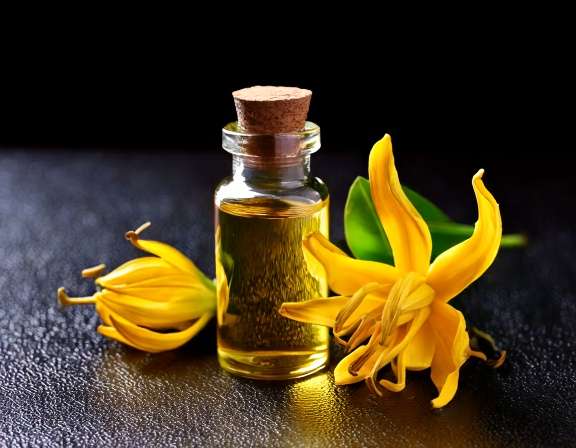
That’s why so many people reach for ylang ylang essential oil when they feel wound up, closed off, or emotionally stuck. This oil comes from the fragrant flowers of Cananga odorata. In this post, “spiritual benefits” means the gentle, real-life ways scent can support mood, presence, self-connection, and personal rituals, not dramatic promises or instant transformation.
This isn’t medical advice. Also, scent can stir up memories and feelings fast, sometimes lovely, sometimes heavy. If ylang ylang brings something up for you, that’s not “wrong,” it’s information worth listening to.
Why ylang ylang feels so comforting to the mind and spirit
Smell takes a quick route through the brain. When you breathe in an aroma, signals travel to areas tied to emotion and memory (often called the limbic system). In simple terms, scent can change how you feel before you talk yourself into feeling better. That’s one reason essential oils can feel “spiritual,” they help create the inner conditions for reflection, prayer, journaling, and honest rest.
Ylang ylang’s aroma is rich, floral, and creamy. For many noses, it reads as nurturing. Not sharp. Not icy. More like sinking into a warm bath than stepping into bright sunlight. That cozy feeling can make it easier to slow down, unclench, and notice what’s going on inside.
Some of this comes down to the oil’s natural plant compounds, which shape its scent profile and how your body responds to it. You don’t need to memorize chemistry to use it well. Your breath and your body’s signals are already good teachers.
Ylang ylang also has a long history of traditional use in parts of Southeast Asia, often in ceremonies and celebrations, including weddings. People have used fragrant flowers to set a mood, mark transitions, and invite tenderness into important moments. It’s worth approaching that history with respect. A modern home ritual can be simple and still feel meaningful.
From stressed to steady: what you may notice after inhaling it
Think of ylang ylang like a soft blanket for the senses. Not everyone responds the same way, but here are common “maybe” experiences people report:
- Breathing feels slower and deeper
- Jaw and shoulders feel less tight
- Mood turns warmer, less prickly
- Racing thoughts ease up a notch
- Patience shows up a little sooner
A quick “try it now” practice: put 1 drop on a tissue (or use a personal inhaler). Hold it a few inches from your nose. Take 3 slow breaths. Then pause and check in with your body. Are you clenching anywhere? Is your forehead tight? Is your stomach braced? Let the answers be simple.
If the scent feels too strong, pull it farther away, or stop. With ylang ylang, less often works better.
Heart-centered energy and emotional openness (without the hype)
A lot of people describe ylang ylang as “heart” oil. That can sound dramatic, but the everyday version is practical. When you feel safer in your body, you often speak kinder. You listen better. You’re more willing to repair a relationship, even if the relationship is with yourself.
In spiritual routines, ylang ylang is often used to support feelings like love, forgiveness, and connection. Not as a shortcut, but as a helper. You might diffuse it while you journal, or wear a tiny amount (properly diluted) as a reminder to stay gentle.
Try pairing the scent with one grounded prompt: “What do I need to hear today?” Write one honest sentence. That’s enough. The point isn’t to force an answer, it’s to soften the door.
If you like scent anchors for concentration, you may also enjoy this guide on essential oils for focus and mental clarity, especially for days when your mind won’t settle.
Simple spiritual practices with ylang ylang essential oil (safe and beginner-friendly)
Spiritual practice doesn’t need special gear. It needs attention. A scent can be like lighting a candle in your mind, a small signal that says, “I’m here now.”
A few safety basics first: ylang ylang is potent. Start with 1 drop, use good ventilation, and dilute before skin use. If you feel nauseated, get a headache, or feel overstimulated, open a window and stop. Your body gets to vote.
A 5-minute grounding ritual for anxious days
Set a glass of water nearby, not as a symbol you have to interpret, but as a practical act of care. If you have a diffuser, add 1 to 2 drops of ylang ylang and let it run for five minutes in a well-ventilated room. If you don’t, use a tissue or inhaler.
Plant your feet on the floor. Feel the heel, the ball of the foot, the toes. Then do this slowly: name five things you can see in the room. Keep it plain, “chair,” “lamp,” “shadow,” “mug,” “door.”
Now speak one sentence intention out loud. Something like, “I’m safe enough to take the next step,” or “I can go slowly today.” Close with a quick body scan from forehead to belly. If the scent feels too strong, step back from it. Grounding works best when your senses feel supported, not flooded.
Meditation and prayer: using scent as a focus point
When your mind wanders in meditation, it’s not failure, it’s the normal mind being the normal mind. A scent can help by giving you a steady point to return to, like holding a smooth stone in your palm.
For a simple practice, make a diluted blend first. For adults, a common gentle dilution is about 1 percent (roughly 2 drops essential oil per 10 ml carrier oil). Dab a tiny amount on your wrists, or over the heart area on your chest (over clothing works too). Avoid your face and eyes.
Then sit quietly for three minutes. When your mind runs off, return to the scent and one short phrase. Here are two options that fit many belief systems:
- “Breath in, peace. Breath out, worry.”
- “Let my heart be soft, and my steps be steady.”
Keep it small. If you can stay present for even 60 seconds, that counts.
Self-love bath or shower steam for “reset” nights
Some nights feel like you’ve been carrying everyone’s noise in your shoulders. A bath or shower can rinse off more than sweat. Scent turns it into a reset.
For a bath, don’t drop essential oils straight into water. They can pool on skin and irritate. Instead, pre-mix 2 to 4 dropsof ylang ylang into a carrier first, like a tablespoon of unscented shower gel, honey, or carrier oil (such as jojoba or coconut). Swirl that into the bathwater, then soak for 10 to 15 minutes.
For a shower, try 1 drop on a damp washcloth placed on a shelf, away from the direct stream. Let the steam carry it softly.
Reflection prompt for afterward: “Where did I abandon myself today?” You don’t need a long answer. One sentence is honest medicine. Then hydrate and rest, even if rest just means sitting in a towel for two quiet minutes.
Sacred space spray to shift the mood in a room
A room can hold the emotional weather of the day. A simple spray can help you reset the tone before guests come over, before bedtime, or before a hard conversation.
In a 2 oz spray bottle, combine distilled water with a splash of witch hazel or high-proof alcohol to help the oils disperse. Use 10 to 20 total drops of essential oils. Ylang ylang pairs well with bergamot or lavender for a calmer feel. Cap it, then shake before each use.
Mist into the air, not onto your face. Patch test on fabrics first (some oils can stain). Keep sprays away from pets, and don’t use in a closed room where animals can’t leave. The goal is a gentle shift, not a fog of fragrance.
How to choose, blend, and use ylang ylang without headaches or skin issues
Ylang ylang is beautiful, but it’s not subtle. If you’ve ever sniffed it and thought, “Too much,” you’re not alone. That intensity matters for spiritual use because a ritual should feel steady. If the aroma overwhelms you, it pulls you out of your body instead of bringing you home.
Start with tiny amounts, shorter diffusion times, and plenty of fresh air. For many people, ylang ylang works best as a supporting note instead of the main event.
Quality also matters. A good bottle should list the Latin name (Cananga odorata), the plant part (flower), and the extraction method (often steam-distilled). Country of origin and batch details are a plus. Some brands also provide GC/MS testing information, which can help confirm what’s in the bottle.
Picking a bottle you can trust (and why “Extra” smells different)
Ylang ylang is often sold in grades, which usually reflect stages of distillation: Extra, I, II, III. These grades can smell noticeably different.
“Extra” is often the most lush and sweet, the one people picture when they think of ylang ylang. Later fractions can smell greener, drier, or softer. For spiritual practice, that can be useful. If you want a strong romantic, heart-softening vibe, Extra may suit you. If you want something calmer for meditation, you may prefer a gentler grade.
Buy a small bottle first if you can. Your nose will tell you what your mind tries to overthink.
Best blends for common intentions: calm, confidence, sleep, and connection
These blends are simple, with exact amounts you can actually use. Keep diffuser totals to 4 to 6 drops. For a 10 ml roller, use 6 to 10 total drops essential oil, then fill the rest with carrier oil (adult use), and shake.
- Sleep and quiet mind: Diffuser, 2 drops ylang ylang + 2 drops lavender. Roller, 3 drops ylang ylang + 4 drops lavender.
- Meditation and inner stillness: Diffuser, 2 drops ylang ylang + 2 drops frankincense + 1 drop cedarwood. Roller, 3 drops ylang ylang + 3 drops frankincense + 2 drops cedarwood.
- Mood lift and soft confidence: Diffuser, 2 drops ylang ylang + 3 drops sweet orange. Roller, 3 drops ylang ylang + 4 drops sweet orange.
- Grounding and emotional steadiness: Diffuser, 2 drops ylang ylang + 2 drops cedarwood + 1 drop lavender. Roller, 3 drops ylang ylang + 3 drops cedarwood + 2 drops lavender.
If you use cold-pressed citrus oils on skin (like sweet orange or bergamot), avoid sun exposure on that area for a while, or choose a steam-distilled citrus option. When in doubt, keep citrus for diffusion at night.
Safety checklist, especially for kids, pregnancy, and pets
Use ylang ylang with the same attitude you’d bring to a strong cup of tea. Sip first, then decide if you want more.
Patch test any new topical blend on a small area. Keep oils away from eyes, inner nose, and sensitive skin. Don’t ingest essential oils.
If you get a headache, it usually means the dose is too high or the room needs airflow. Open a window, dilute more, and shorten diffusion time. Start with 1 drop and build slowly.
Pregnancy, nursing, and certain medical conditions can change what “safe” means, so professional guidance matters. With kids, use extra caution and lower amounts, and consider skipping diffusion around very young children unless you’ve checked reliable safety guidelines.
For pets, diffuse only in a large space, keep the session short, and always give animals a clear exit route. Never apply essential oils directly to your pet unless a qualified professional tells you to.
Closing thoughts: let ylang ylang support calm, softness, and presence
Ylang ylang’s spiritual benefits often show up in quiet ways: a calmer body, softer self-talk, a little more presence, an easier exhale. That’s not flashy, but it’s real, and it adds up.
Choose one simple ritual to try tonight, keep the dose low, and write one sentence about how it felt in your body. The “right” practice is the one that feels safe and supportive.
If you want to build a bigger routine over time, explore more essential oil guides on the site and keep your approach gentle, curious, and grounded in what your senses tell you.
Stay Connected for More Natural Living Inspiration
If you enjoyed this post about herbal wellness and love discovering natural ways to refresh your home and wellness, don’t miss out on future recipes and clean-living tips! Subscribe to the blog for weekly DIYs, wellness inspiration, and herbal remedies delivered straight to your inbox.
Don’t forget to visit my Amazon storefront for the links to my favorite essential oils, herbal teas, and natural recipes. I also create YouTube ambiance videos for sleeping; a channel I created to help people who have trouble sleeping. The link to all social media content is here.
Thanks for coming by!


Leave a Reply