
(DISCLAIMER: I am not a doctor, and you should consult your healthcare professional before starting any health regimen. Product links are commissioned and supports the blog)

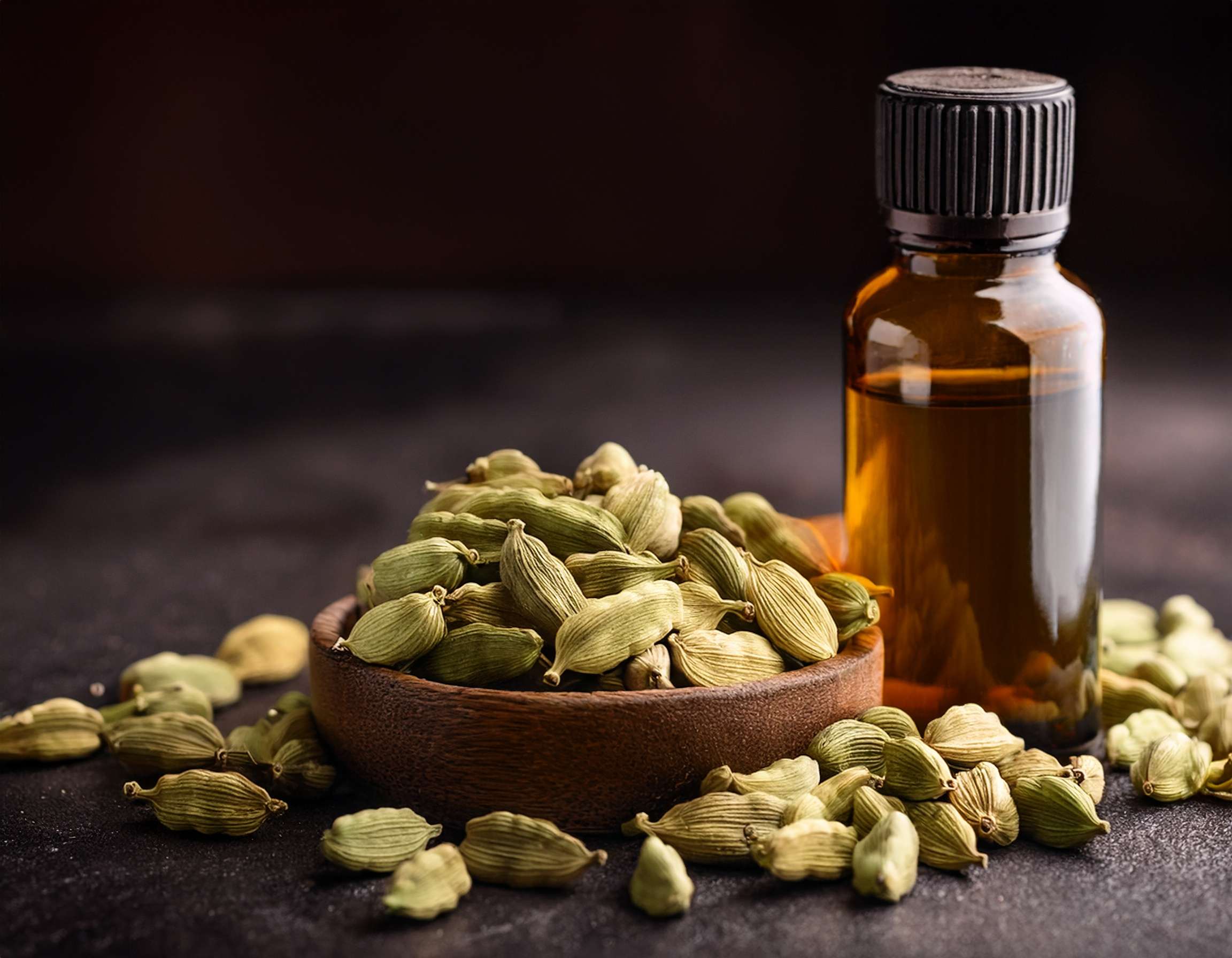
The scent of cardamom is warm, sweet, and lightly peppery, with a fresh lift that can brighten a room. Cardamom essential oil captures that fragrance in a concentrated form for aromatherapy and personal care.
Many people reach for it when they want a comforting scent, a fresher breathing experience, or a soothing addition to a massage blend. Research is promising in a few areas, but it remains limited. The oil can complement a wellness routine, but it can’t diagnose, prevent, or treat disease.
Key Takeaways
- Cardamom oil may support a calm, refreshed mood when inhaled briefly.
- Traditional digestive uses are well known, but clinical evidence for the essential oil remains limited.
- Laboratory research points to antioxidant and antimicrobial activity, although test-tube findings don’t prove human health benefits.
- Use a diffuser in a ventilated room, or dilute the oil to about 1 percent before applying it to intact skin.
- Pregnant or breastfeeding people, young children, pets, and anyone with asthma or fragrance sensitivity need extra caution.
- Never swallow essential oil or place it in the nose, eyes, or ears.
What Is Cardamom Essential Oil and How Does It Work?
Cardamom essential oil usually comes from the seeds of Elettaria cardamomum, the green cardamom plant. Producers commonly extract it through steam distillation, which carries volatile aromatic compounds away from the crushed seeds and then condenses them into oil.
The finished oil has a warm, clean scent with sweet, spicy, and slightly camphor-like notes. Its chemistry can vary by plant source and production method, but common compounds include 1,8-cineole, alpha-terpinyl acetate, and limonene. These compounds help shape the aroma and are part of the reason researchers study cardamom oil’s possible antioxidant, antimicrobial, digestive, mood-related, and breathing benefits.
Still, the essential oil is not the same as cardamom spice, cardamom tea, or cardamom capsules. Those products contain different amounts of plant compounds and enter the body in different ways. A single drop of essential oil is highly concentrated, so swallowing it or applying it undiluted can cause harm.
Early laboratory work and small human studies offer useful clues, yet they don’t provide strong proof for treating health conditions. More well-designed research must establish effective amounts, reliable methods, and possible risks.
Cardamom Essential Oil Benefits Worth Knowing
Cardamom has a long history in traditional herbal practices, especially in food and tea preparations. The possible benefits below combine traditional use with early scientific findings. Each one has limits, so realistic expectations matter.
It May Support Digestion and Ease Occasional Queasiness
Cardamom has traditionally been used after meals for gas, bloating, and general digestive discomfort. Its sweet, spicy aroma may also feel soothing when nausea or a heavy stomach makes strong scents unpleasant.
However, inhaling or applying cardamom essential oil isn’t the same as eating cardamom. A diffuser may make a room feel more comfortable, but it hasn’t been shown to treat reflux, ulcers, irritable bowel syndrome, infections, or other digestive conditions.
Use the aroma as a small comfort measure rather than a remedy for ongoing symptoms. Seek medical advice for persistent pain, repeated vomiting, severe bloating, black stools, unexplained weight loss, or trouble swallowing.
Its Aroma May Help Create a Calmer, More Alert Mood
Warm aromas can change the feel of a personal space within minutes. Cardamom’s fresh spice note may help you feel more settled while keeping the room bright and pleasant. Some people prefer it during a work break, meditation session, or evening wind-down.
Aromatherapy research is still developing, and scent responses vary widely. Cardamom oil shouldn’t be presented as a treatment for anxiety, depression, insomnia, or another mental health disorder. Instead, add a brief inhalation session to a routine that already supports rest, movement, social connection, and professional care when needed.
For more ideas focused on stress, see these cardamom essential oil benefits for stress.
Early Research Points to Antioxidant and Antimicrobial Activity
In laboratory studies, cardamom compounds have shown antioxidant activity. Antioxidants can help neutralize unstable molecules in controlled experiments. Researchers have also observed antimicrobial effects against certain microorganisms in test settings.
Those results are interesting because they may guide future research into cardamom’s plant chemistry. They don’t prove that diffusing the oil prevents infection, cleans the air, repairs damaged skin, or improves a health condition.
A product that smells fresh isn’t automatically disinfecting. Use approved cleaning products for sanitation, and keep cardamom oil in the role of an aromatic or cosmetic ingredient.
It May Feel Refreshing for Breathing and Everyday Congestion
The 1,8-cineole in some cardamom oils contributes to a cool, clearing scent. Brief inhalation may feel refreshing when seasonal congestion makes breathing seem less comfortable. A diffuser is safer than placing oil in hot water or leaning over steam.
Never put essential oil inside your nose, swallow it, or apply it near the nostrils. Hot steam can burn the face and airways, especially when a child is involved. Breathing difficulty, wheezing, chest pain, blue lips, or congestion that persists needs prompt professional care.
Simple Ways to Use Cardamom Oil at Home
Start with the smallest practical amount and keep exposure brief. For a diffuser, follow the device’s water and drop limits. Run it in a well-ventilated room for short periods, then take a break rather than leaving it on all day.
For skin use, a conservative dilution is about 1 percent. One drop of essential oil in 1 teaspoon of carrier oil is a simple beginner ratio. Patch-test the mixture on a small area first, then wait a day before wider use.
A Gentle Cardamom Diffuser Blend for a Fresh Room
This blend gives cardamom a soft citrus and floral background.
Ingredients
- 2 drops cardamom essential oil
- 2 drops sweet orange essential oil
- 1 drop lavender essential oil
- Water according to your diffuser’s instructions
Add the oils to the diffuser water after checking the manufacturer’s drop limit. Diffuse for 15 to 20 minutes in a ventilated room, and stop if anyone develops a headache, cough, throat irritation, or skin discomfort.
A Diluted Cardamom Massage Oil for Hands and Shoulders
This small batch is suitable for aromatic skin care and gentle comfort on intact skin.
Ingredients
- 1 drop cardamom essential oil
- 1 teaspoon jojoba, sweet almond, or fractionated coconut oil
Mix the oils in a clean teaspoon or small glass dish. Apply a small amount to the hands or shoulders, keeping it away from the eyes, lips, broken skin, and other sensitive areas. Wash your hands afterward. This blend supports a pleasant massage experience, but it isn’t a treatment for pain or illness.
A Cozy Cardamom-Inspired Room or Linen Mist
An alcohol-based spray helps disperse the oil more evenly than water alone.
Ingredients
- 2 teaspoons unscented perfumer’s alcohol made for room or body sprays
- 2 teaspoons distilled water
- 4 drops cardamom essential oil
- A clean 1-ounce spray bottle
Add the alcohol and cardamom oil to the bottle first. Add the distilled water, close the bottle, and shake well before every use. Oil and water don’t mix safely on their own, so don’t skip the alcohol base or a suitable solubilizer.
Make a small batch and test it on a hidden section before spraying lightly on washable linens. Don’t spray it on your face, pets, food, or delicate fabrics. Label the bottle and keep it away from flames, children, and animals.
Cardamom Oil Safety, Side Effects, and Buying Tips
“Natural” doesn’t mean risk-free. Undiluted cardamom oil may irritate the skin or cause an allergic reaction. Strong aromas can also trigger headaches, nausea, coughing, or breathing symptoms in sensitive people.
Keep the bottle away from the eyes. If oil enters an eye, don’t rub it or rinse with plain water alone. Seek poison control or medical guidance for accidental swallowing, especially when a child is involved. Don’t use the oil on babies or young children without advice from a qualified clinician.
Pets can react badly to concentrated essential oils. Avoid applying cardamom oil to an animal, placing drops on its fur, or diffusing it in a closed room where the pet can’t leave. Birds are especially sensitive to airborne fragrances, so avoid diffusion around them.
Choose a product with clear labeling. Look for the botanical name, plant part, extraction method, country or batch information, and contact details for the manufacturer. A dark glass bottle and a stated testing or safety policy are useful signs of careful packaging. A high price alone doesn’t prove better quality.
Who Should Avoid It or Ask a Professional First?
Pregnant or breastfeeding people should ask a qualified clinician before using cardamom oil. The same applies to young children, people with asthma or fragrance sensitivity, and anyone taking medication or managing a chronic health condition.
A certified aromatherapist can discuss dilution and exposure, while a clinician can check for medication or health risks. Essential oil should never be swallowed unless a qualified professional gives specific instructions for a particular product. It also shouldn’t replace prescribed treatment.
How to Store Cardamom Essential Oil Safely
Keep the bottle tightly closed in a cool, dark place away from sunlight, heaters, children, and pets. Dark glass helps limit light exposure, but it doesn’t make careless storage safe.
Check the scent and appearance from time to time. A sharp, stale, or noticeably changed smell may indicate that the oil has degraded. Follow the product label, and dispose of old oil responsibly. Don’t pour concentrated essential oil down a drain.
A Practical Way to Approach Cardamom Oil
Cardamom essential oil offers a warm, refreshing aroma that may support a calmer or more focused mood. Traditional digestive uses remain interesting, while early research on antioxidant, antimicrobial, digestive, and breathing-related effects needs stronger human evidence.
Careful dilution, short exposure, ventilation, and sensible storage matter more than using a large amount. Start with one small aromatic use, notice how your body responds, and ask a professional when pregnancy, medication, asthma, children, or pets are part of the picture.
Stay Connected for More Natural Living Inspiration
If you enjoyed this post about herbal wellness and love discovering natural ways to refresh your home and wellness, don’t miss out on future recipes and clean-living tips! Subscribe to the blog for weekly DIYs, wellness inspiration, and herbal remedies delivered straight to your inbox.
Don’t forget to visit my Amazon storefront for the links to my favorite essential oils, herbal teas, and natural recipes. I also create YouTube ambiance videos for sleeping; a channel I created to help people who have trouble sleeping. The link to all social media content is here.
Thanks for coming by!


Leave a Reply