
(DISCLAIMER: I am not a doctor, and you should consult your healthcare professional before starting any health regimen. Product links are commissioned and supports the blog)

Key Takeaways
- True lilac essential oil is uncommon, so many lilac-scented products are fragrance oils, absolutes, or blended formulas.
- A clear label should include the botanical name, ingredients, extraction method, and directions for use.
- Lilac scent can create a soft, comforting atmosphere and support a relaxing home routine.
- Essential oils, absolutes, and fragrance oils have different safety guidelines.
- Start with a small amount, use good airflow, and follow the product’s instructions.
- A lilac-inspired diffuser blend, linen spray, or diluted body oil can bring this fresh floral scent into your routine.
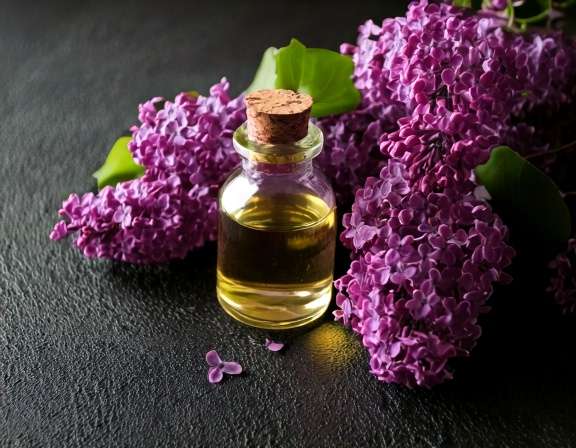
Lilac has a soft springtime scent that can make a room feel cleaner, lighter, and more welcoming. The fragrance often brings back memories of open windows, fresh gardens, and warm afternoons.
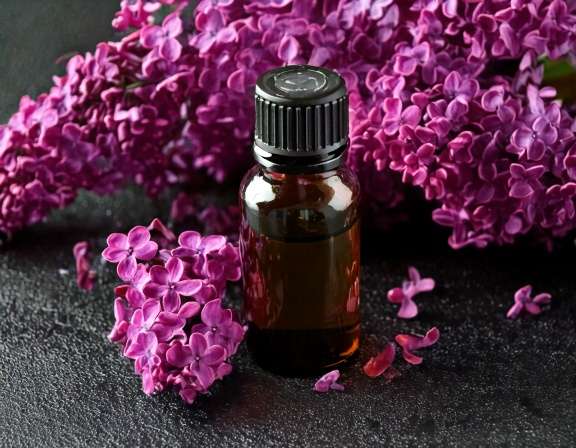
Before you shop for lilac essential oil, there is one helpful detail to understand. True lilac essential oil is uncommon. Many products sold as “lilac oil” are fragrance oils, lilac absolutes, perfume blends, or essential oil blends created to capture the scent of lilac.
That doesn’t make these products less enjoyable. It simply means each type has a different purpose, ingredient list, and safety profile.
What Does “Lilac Essential Oil” Usually Mean?
The phrase “lilac essential oil” can describe several different products. Learning the difference makes it easier to choose the right one for your home, diffuser, skincare routine, or DIY project.
Steam-distilled essential oil
Essential oils are often produced through steam distillation. Steam passes through plant material and carries aromatic compounds into a cooling chamber, where the vapor turns back into liquid. The essential oil separates from the water and is collected.
Lilac flowers produce a delicate scent, and standard steam distillation isn’t a common way to capture that aroma. Because of this, many products labeled lilac essential oil are actually fragrance blends or floral formulas.
When a product is sold as a true essential oil, look for the botanical name and extraction method. A transparent label gives you a much clearer idea of what you’re purchasing.
Lilac absolute
A lilac absolute is made through solvent extraction. This method is often used with delicate flowers because it can preserve a fuller floral aroma.
Absolutes are popular in natural perfumery and may smell closer to fresh lilac blossoms than a simple fragrance blend. They are highly concentrated, so they belong in properly diluted formulas and should be used according to the supplier’s directions.
A lilac absolute is usually more expensive than a fragrance oil because floral extraction takes more plant material and a more involved process.
CO2 extract
CO2 extraction uses pressurized carbon dioxide to collect aromatic compounds from plant material. Some CO2 extracts have a rich, rounded scent because the method can capture a broad range of aromatic components.
Lilac CO2 extracts are less common in everyday aromatherapy shopping. If you find one, check that the product clearly lists the plant name, ingredients, extraction method, and recommended uses.
Fragrance oil or perfume oil
Fragrance oil is the most common type of lilac-scented oil. These products are created to smell like lilac and are often used in candles, wax melts, soaps, room sprays, and home fragrance products.
Some fragrance oils are approved for certain body-care products at specific usage rates. Others are intended for candles or home scenting. The product label and supplier’s usage instructions should guide you.
A fragrance oil isn’t the same as a distilled essential oil. It may contain aromatic compounds that recreate the lilac scent, along with natural or synthetic fragrance ingredients.
How to Read a Lilac Oil Label
The label usually gives you the best information about the product. Before adding an oil to your cart, look for:
- A complete ingredient list
- The botanical name, such as Syringa vulgaris
- The extraction method, such as steam-distilled, solvent-extracted, or CO2
- Clear wording about whether the product is an essential oil, absolute, fragrance oil, or blend
- Directions for diffuser, topical, linen, or soap use
- Dilution recommendations for skin application
- Storage instructions
- Batch or product information from the supplier
Words such as “fragrance,” “parfum,” and “perfume” usually indicate a fragrance blend or scented product. These formulas can still be useful, especially for room scenting, but they need to be used for the purpose listed on the label.
A simple product-checking list
Ask yourself:
- Does the bottle list the ingredients?
- Does it include a botanical name?
- Does it explain how the scent was created?
- Does it provide safety instructions?
- Does it tell you whether the formula is suitable for skin?
- Does the scent seem reasonably priced for the type of product?
A small bottle with clear information is a good place to start. You can test the scent, learn how it works in your space, and decide whether you want a larger size later.
Why the Product Type Matters
Each product has its own uses. A fragrance oil can make a room, candle, or linen spray smell beautiful. A lilac absolute can add a rich floral note to a properly diluted perfume blend. An essential oil blend may be made for diffusion or topical use.
These products shouldn’t be treated as interchangeable.
A product made for candles belongs in candle-making formulas. A product labeled for room scenting belongs in the air or on an approved aroma material. A skin-safe essential oil blend belongs in a carrier oil at the suggested dilution.
The name on the front of the bottle is only one part of the information. The ingredient list and usage directions tell you how to use it safely.
Lilac Scent Benefits for Mood and Relaxation
There isn’t a large body of direct information about true lilac essential oil because the product is uncommon. Still, scent can play a lovely role in everyday relaxation.
Your sense of smell is closely connected to memory and emotion. A familiar floral scent may remind you of a garden, a favorite room, or a peaceful season. That connection can make a simple home routine feel more comforting.
Lilac scent may fit well into:
- An evening wind-down routine
- A quiet reading session
- A relaxing bath or shower
- Light housekeeping
- A welcoming entryway
- A spring cleaning routine
- A personal aroma inhaler
The goal is simple. Use the scent as a cue for slowing down and enjoying the moment. It can be part of a calming routine without needing to make big promises.
Creating a Calmer Home With Lilac
Lilac is floral, but many lilac blends also include green, airy, powdery, citrus, or lightly woody notes. These combinations can make the scent feel fresh instead of heavy.
Try lilac in:
- The living room after work
- The entryway before guests arrive
- A home office during a short break
- The bathroom during a cleaning routine
- The bedroom during a short evening wind-down
For a water diffuser, begin with 2 to 4 drops total. Use less in a small room and adjust the amount during your next session. Run the diffuser for a short period, follow the device directions, and keep fresh airflow in the room.
A scent that feels gentle to one person may feel strong to another. Your own comfort is a useful guide.
Lilac for a Simple Bedtime Routine
A bedtime routine works best when it feels easy enough to repeat. You don’t need a complicated setup.
Lower the lights, place your phone on its charger, and run a diffuser for 10 to 20 minutes while you wash up, stretch, or read. Turn the diffuser off before you fall asleep.
You can also use a personal aroma inhaler or place one drop of a diffuser-approved product on a tissue. Keep the scented area away from your eyes and face, and avoid placing loose oils where children or pets can reach them.
For a small personal scent area, add one drop to a cotton ball and place it inside a small jar. Keep the lid on between uses. This gives you a soft scent nearby without filling the entire room.
Use extra care with diffusers around children, cats, birds, and other sensitive pets. Short sessions, good airflow, and a low number of drops are sensible starting points.
Skin and Body Use: Simple Safety Rules
Lilac-scented products vary widely, so topical use depends on the exact formula.
If you have a lilac absolute or an essential oil blend labeled for skin use, dilute it in a carrier oil before applying it. Jojoba, sweet almond, fractionated coconut, and grapeseed oil are common carrier oil choices.
Keep concentrated oils away from:
- Eyes
- Lips
- The inside of the nose
- Sensitive or intimate areas
- Broken or irritated skin
Don’t ingest essential oils, fragrance oils, or absolutes. Internal use requires specific professional guidance and a product made for that purpose.
If you have sensitive skin, eczema, fragrance allergies, asthma, migraines, or reactive airways, start with a very small amount and choose a low-scent routine. Pregnant and nursing individuals should ask a qualified healthcare professional before using essential oils or concentrated fragrance products.
Dilution made simple
More drops don’t create better results. A well-diluted blend is comfortable, practical, and easier to use consistently.
For a healthy adult, these are common starting points:
- A 1 percent dilution is gentle for many everyday body-care formulas.
- A 2 percent dilution is stronger and often used for occasional body oils.
For a 1-ounce, or 30 ml, bottle:
- A 1 percent dilution uses about 6 drops of essential oil in total.
- A 2 percent dilution uses about 12 drops of essential oil in total.
These drop counts apply to essential oils and skin-safe essential oil blends. Fragrance oils follow the supplier’s recommended usage rate, which may be different.
Patch testing
Apply a small amount of the diluted blend to the inner forearm. Leave the area alone for 24 hours and observe how your skin feels.
A comfortable patch test supports gradual use. If your skin feels irritated, wash the area with soap and water and choose a different product or a lower-scent option.
Three Easy Lilac-Inspired Recipes
1. Fresh Lilac Diffuser Blend
This blend creates a soft floral scent with a fresh, clean finish.
Ingredients
- 2 drops lilac fragrance oil approved for diffuser use, or a lilac-style essential oil blend
- 1 drop lavender essential oil
- 1 drop sweet orange essential oil
- Water according to your diffuser’s fill line
Instructions
Add the water to your diffuser first. Add the oils, place the lid on the diffuser, and run it for 10 to 20 minutes. Start with a shorter session in a small room and adjust the scent to your comfort level.
Use only oils approved for your type of diffuser. Follow the product directions when using a fragrance oil.
2. Lilac Linen and Room Spray
This spray is a simple way to refresh linens, curtains, or the air around a room.
Ingredients
- 1 tablespoon high-proof vodka or witch hazel
- 1/2 cup distilled water
- 10 drops lilac fragrance oil approved for room or linen use, or a lilac-style essential oil blend
- A 4-ounce glass spray bottle
Instructions
Add the vodka or witch hazel to the spray bottle, followed by the oil. Add the distilled water, close the bottle, and shake well. Shake before each use and mist lightly into the air or onto a small fabric test area.
Check the product label before spraying linens. Test a hidden section of fabric first, since some oils may leave marks on delicate materials. Store the bottle away from heat, children, and pets.
3. Gentle Lilac Body Oil
Use this recipe only with a lilac absolute or essential oil blend clearly labeled for topical use.
Ingredients
- 1 ounce jojoba oil or sweet almond oil
- 6 total drops of a skin-safe lilac-style essential oil blend
- A 1-ounce glass bottle with a dropper or reducer cap
Instructions
Add the essential oil blend to the bottle, then fill the bottle with the carrier oil. Close the cap and roll the bottle gently between your hands to combine the ingredients.
Apply a small amount to your arms, shoulders, or hands after patch testing. Keep the blend away from your face, eyes, and broken skin. Store it in a cool, dark place.
Ways to Enjoy Lilac Without Applying Oil to Your Skin
Air scenting is a simple choice when your product is made for home fragrance or when you want to keep your routine especially gentle.
Linen refresh
Use a linen spray only when the label approves it for fabric use. Mist lightly and test the fabric first.
Drawer and closet sachets
Add 1 or 2 drops to a cotton round and place it inside a small breathable pouch. Keep the pouch away from delicate clothing and refresh it when the scent fades.
Aroma stones
Place one drop on an aroma stone and allow it to absorb before setting it in a personal space. Keep the stone on a stable surface away from children and pets.
Diffuser jewelry
Add one drop to the absorbent part of the jewelry and allow it to dry before wearing it. The oil should stay on the absorbent material rather than directly on your skin.
If you’re unsure what type of lilac product you have, use it as a room scent and follow the directions on the bottle.
Herbal Tea and a Lilac Evening Routine
A warm cup of herbal tea pairs naturally with a floral wind-down routine. Chamomile, lemon balm, peppermint, and rooibos are popular choices for a cozy evening cup.
A simple tea ritual can include:
- Brew a cup of your preferred herbal tea according to the package directions.
- Add a lilac diffuser blend to the room, using a low number of drops.
- Lower the lights and put away tasks that can wait until morning.
- Enjoy the tea while reading, journaling, or listening to quiet music.
Choose herbal teas from a reliable source and follow the preparation directions on the package. If you take medication, are pregnant or nursing, or have a health condition, check with a healthcare professional before adding new herbs to your routine.
Keep essential oils out of your tea unless the product is specifically made for internal use and a qualified professional has provided clear guidance. Essential oils are highly concentrated, while herbal tea uses the plant in a very different form.
Common Safety Tips for Lilac-Scented Products
A few simple habits can make aromatherapy more comfortable:
- Use good ventilation during diffusion.
- Start with one or two drops when testing a new scent.
- Keep diffuser sessions short.
- Follow the product’s intended use.
- Dilute skin-safe products before topical use.
- Store oils in a cool, dark location.
- Keep caps closed between uses.
- Keep oils away from children and pets.
- Use extra care around cats, birds, babies, and people with scent sensitivities.
- Stop the session if the scent causes discomfort.
A headache, tight chest, nausea, or an overwhelming feeling is a clear sign to turn off the diffuser, open a window, and get some fresh air.
Choosing a Lilac Product You’ll Enjoy
Shopping for floral oils becomes easier when you know the scent style you prefer. Lilac products may smell:
- Fresh and green
- Soft and powdery
- Sweet and floral
- Bright with citrus notes
- Warm with vanilla
- Clean with light white-floral notes
Start with a small bottle and read the full product description before buying. A supplier that shares ingredients, recommended uses, and dilution information gives you more useful information than a label with only a large floral name on the front.
The right product depends on your goal:
- Choose a diffuser-approved blend for room scenting.
- Choose a fragrance oil approved for soap or candle making for those projects.
- Choose a skin-safe absolute or essential oil blend for diluted body-care formulas.
- Choose a linen-approved product for fabric sprays.
Who Should Use Extra Care?
A gentle approach is helpful for people with:
- Sensitive skin
- Eczema-prone skin
- Fragrance sensitivities
- Contact dermatitis
- Scent-triggered headaches
- Asthma or reactive airways
- Pregnancy or nursing considerations
- Young children in the home
- Cats, birds, or other scent-sensitive pets
Use a small amount, keep sessions short, and allow fresh air into the room. If you have questions about a health condition, medication, or pregnancy, ask your healthcare professional before using concentrated oils.
Frequently Asked Questions
Is true lilac essential oil available?
True lilac essential oil is uncommon. Many products sold under this name are fragrance oils, lilac absolutes, perfume blends, or essential oil blends designed to smell like lilac.
What is the best way to use lilac oil?
The best use depends on the product. Diffuser-approved formulas work well for room scenting. Skin-safe products can be diluted in a carrier oil. Fragrance oils made for candles, soap, or room sprays should stay within those recommended uses.
Can I apply lilac oil directly to my skin?
Concentrated oils should be diluted before topical use. Apply lilac only when the product is labeled for skin use, and follow the supplier’s dilution guidance. A small patch test is a helpful first step.
Can lilac oil be used in a diffuser?
Many lilac-style products are made for diffusers, but the label should confirm this. Use the number of drops recommended for your diffuser and begin with a short session.
Can I use lilac fragrance oil in a body oil?
Use fragrance oil in a body oil only when the supplier approves it for topical products and provides a safe usage rate. Fragrance oils made for candles or general home scenting belong in those applications instead.
What oils blend well with lilac?
Lilac pairs nicely with lavender, sweet orange, bergamot, cedarwood, ylang ylang, and frankincense. Start with one floral note and one fresh or woody note so the blend stays balanced.
Can I drink lilac essential oil in herbal tea?
Essential oils are highly concentrated and should stay out of tea unless the product is specifically intended for internal use and a qualified professional gives you clear instructions. For a warm beverage, choose a prepared herbal tea from a reliable source and follow its directions.
How long should I diffuse lilac oil?
A short session of 10 to 20 minutes is a comfortable starting point for many homes. Use good airflow and adjust the time based on the room, the diffuser, and how the scent feels to you.
Is lilac oil safe around pets?
Pet sensitivity varies by species. Use extra care around cats, birds, and small animals. Keep oils stored securely, use good ventilation, and ask a veterinarian about essential oil use around a specific pet.
Final Thoughts
Lilac scent can bring a soft spring feeling into an ordinary day. It works beautifully in a diffuser, a linen routine, a personal aroma stone, or a gentle evening ritual with a cup of herbal tea.
The main step is learning what is inside the bottle. Once you know whether you have an absolute, fragrance oil, essential oil blend, or diffuser formula, you can choose a use that fits the product.
Start with a small amount, read the directions, dilute skin-safe products, and keep the air fresh. A simple lilac routine can add comfort to your home without making self-care feel complicated.
Stay Connected for More Natural Living Inspiration
For more wellness tips, subscribe to the blog for weekly posts about essential oils, teas, and herbs. Want an ad free experience with DIY essential oil, herbal recipes and tips? Head here for a distraction free experience.
Thanks for stopping by!


Leave a Reply