

(DISCLAIMER: I am not a doctor, and you should consult your healthcare professional before starting any health regimen.)

Key takeaways at a glance
- CO2 extracts often provide a fuller, deeper scent profile that remains closer to the living plant.
- Essential oils usually offer a lighter aromatic experience and are generally easier to blend with consistency.
- CO2 extracts can feature a thicker consistency, meaning they may not pour or diffuse as easily as more fluid options.
- Essential oils remain the preferred choice for standard diffusers and beginner-friendly DIY projects.
- Swapping CO2 extracts for essential oils directly can significantly alter the scent, texture, and required dilution of your final product.
- Proper safety protocols, storage practices, and supplier guidelines are essential when working with either variety.
A bottle might smell like lavender and still pour like syrup or flow like water. That is why people often confuse CO2 extracts and essential oils. While both are derived from plants, the specific extraction method changes the scent, texture, potency, and physical behavior of the substance in a blend.
If you are interested in aromatherapy, DIY body care, or crafting wellness recipes, these differences become apparent quickly. A diffuser blend, roller bottle, salve, or perfume can produce very different results depending on the specific ingredients you choose.
This guide focuses on practical application rather than technical lab details, helping you choose the right botanical extracts with complete confidence.
What makes CO2 extracts different from essential oils?
CO2 extracts are created using supercritical CO2 extraction, a process where carbon dioxide is brought to a supercritical state. In this state, the carbon dioxide acts as a solvent to pull plant compounds from the plant material. Because this method operates at lower temperatures, it avoids the thermal degradation of sensitive volatile molecules that can occur during steam distillation. In contrast, essential oils are typically produced through steam distillation or cold pressing, which collect a narrower slice of the plant’s aromatic profile.
Unlike traditional solvent extraction used for absolutes, which can leave behind traces of hexane or other petrochemicals, supercritical CO2 extraction leaves no chemical residue. Once the pressure is released, the carbon dioxide simply evaporates, leaving behind only the pure extract.
For a plain-language comparison, Amy Galper’s overview of essential oils and CO2 extracts is a useful reference point.
How the extraction method shapes the aroma
Rosemary can smell sharp and green in one form, then fuller and almost leafy in another. CO2 extracts often stay closer to the scent of the original plant material, with earthy, resinous, or honeyed notes that feel less polished. Because essential oils rely on steam distillation, they can be brighter, sharper, and easier to recognize at a glance compared to the deep, nuanced profile of a CO2 extract.
That does not mean one smells better. It means they tell different parts of the same story. A chamomile CO2 extract may feel softer and more tea-like, while a distilled essential oil may smell lighter and airier. In a blend, that can change whether the scent sits at the front of the room or stays close to the skin.
Why texture and strength can feel different
Texture is another clue. Many CO2 extracts are thicker or more resin-like than essential oils. Some pour slowly, some need warming, and some arrive as a dense liquid that behaves almost like a soft resin.
Because of that, they can feel stronger in a formula even when you use a tiny amount. They may also mix less evenly in light blends. A drop that seems small in the bottle can take over a recipe if the scent of the CO2 extract is particularly dense and concentrated.
How the two change the way you use them
The best way to choose is to match the extract to the job. A diffuser blend requires one type of behavior, while a balm requires another. When selecting your ingredients, it is helpful to distinguish between select extracts, which are thinner, and total extracts, which often include a wider range of plant constituents.
| Use case | Essential oil | CO2 extract |
|---|---|---|
| Diffuser blends | Common choice, disperses well | Some work, others are too viscous |
| Roller bottles | Easy to dilute and blend | Good for richer scent, use sparingly |
| Salves and balms | Works well in many recipes | Often shines due to waxes and lipids |
| Natural perfume | Bright top or middle notes | Fuller, more plant-like scent |
| Light body mist | Better fit | Usually not ideal |
For air, choose the lighter extract. For depth, choose the fuller one.
Essential oils are often the simpler path for quick blends and familiar aromatherapy. CO2 extracts often fit better in oil-based body care and scent recipes that need more depth. The difference in their chemical composition shows up fast once you start mixing.
When essential oils are the easier choice
Essential oils are often the easier choice for diffuser blends, simple roller bottles, and quick room sprays. They usually mix into carrier oils without much fuss, and most beginner recipes are written with them in mind. If you are new to blending, essential oils for beginners are easier to sort through.
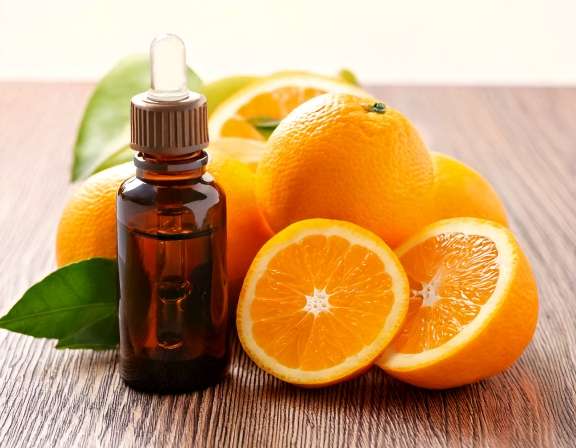
A small diffuser blend is a good first test. Try 3 drops lavender, 2 drops sweet orange, and 1 drop cedarwood in a bedroom diffuser. It stays light, smells familiar, and gives you a clean read on how the oils behave.
When CO2 extracts make more sense
CO2 extracts shine when the goal is a fuller plant scent. That makes them appealing in natural perfume, richer facial oils, salves, and body balms. Because total extracts often contain waxes and lipids, they provide a much richer texture. This adds significant aromatic complexity compared to traditional distillations.
A CO2 extract is often a better fit when you want the blend to smell closer to the plant itself. A chamomile, rose, or frankincense CO2 extract can feel more layered and less sharp because of its unique aroma profile. Still, not every extract behaves the same way, so product notes matter. Some are made for fragrance work, some for skin care, and some for very small use only. If you choose a select extract, you will find it is much thinner and easier to pour than the more viscous total varieties.
How to adjust recipes when swapping one for the other
Start with a test batch, not a full bottle. A direct one-to-one swap can make a blend too strong, too thick, or too muted. If the CO2 extract is dense, warm the bottle in your hands first. If the essential oil is lighter, the scent may fade faster than you expect.
Pay attention to three things: dilution, skin feel, and scent balance. A formula that smells beautiful in a diffuser may feel heavy in a balm. A blend that works in a salve may be too sharp in a roller bottle. Small changes save time and ingredients.
Safety, dilution, and shelf life are not the same
Both plant extracts require careful handling, but the specific rules for use are not identical. The unique chemical composition of a product determines its therapeutic benefits, and because CO2 extracts and essential oils are processed differently, their concentration levels vary. A CO2 extract may contain heavier plant compounds that change how it feels on the skin compared to a distilled essential oil. To ensure quality, always look for a GC/MS report from your supplier, which allows you to verify the purity and specific components of your botanical extract.
This is general wellness information, not medical advice. Patch testing, proper dilution, and careful storage are smart habits for both types of products. If a formula burns, stings, or smells off, stop using it immediately.
For topical blending basics, safe use of essential oils on skin is a helpful starting point.
How to dilute for skin use
Always use a high-quality carrier oil, such as jojoba, fractionated coconut, or sweet almond oil, to safely apply these concentrated plant materials. Keep the blend gentle, especially when applying it to sensitive areas like the face and neck. Since CO2 extracts can be much denser than essential oils, start with less than you think you need. Always perform a patch test on a small area of skin before regular use.
If you are mixing a roll-on or body oil, learning how to mix essential oils can help you keep ratios simple and safe. These careful habits are essential whether you are working with distilled oils or CO2 extracts.
What to know about storage and freshness
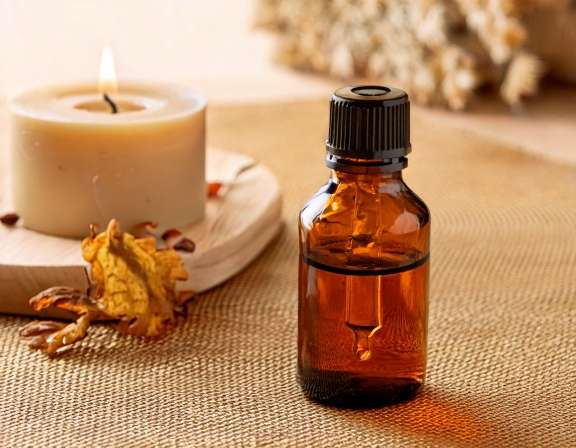
Keep both products in dark glass containers, away from direct heat and light, with caps tightly closed. A sunny shelf can degrade the scent and chemical integrity quickly, and a warm bathroom cabinet can have a similar effect.
Remember that a stronger aroma does not always indicate a longer shelf life. Always check labels and supplier notes, because each extract ages on its own timeline. Proper storage remains the best way to protect both the scent and the performance of your ingredients.
Which one should you choose for your next DIY blend?
The best choice depends on the recipe, not the label on the bottle. Diffusers, room sprays, and quick starter blends usually fit essential oils perfectly. Oil-based body care, natural perfume, and richer salves often suit CO2 extracts better.
A simple way to decide is to ask what you want the blend to do:
- Fill the air with a light scent, use an essential oil.
- Build a beginner roller bottle, use an essential oil.
- Make a fuller body oil or balm, try a CO2 extract.
- Create a more plant-like perfume scent, a CO2 extract often fits.
- Test a new recipe, start with a small batch either way.
Choose essential oils if you want simplicity
Essential oils are usually the best starting point when you want quick blending and familiar aromatherapy use. They are easier to find, easier to mix, and easier to compare across recipes. That makes them handy for daily routines and straightforward DIY projects.
If you want a clean path into scent mixing, how to mix essential oils for beginners is a solid next stop.
Choose CO2 extracts if you want richer plant character
CO2 extracts make more sense when you want a fuller, more layered scent. Because this extraction method preserves the whole plant chemistry, the final result feels more specific and closer to the living plant. They also contain no residual solvents, which is a significant benefit for anyone creating skin-sensitive DIY products.
CO2 extracts also suit recipes where depth matters more than brightness. A salve, facial oil, or perfume-style blend can benefit from that rounder, more authentic plant character. Whether you choose CO2 extracts or essential oils, always consider the final application to ensure your blend reaches its full potential.
Frequently Asked Questions
Can I substitute CO2 extracts and essential oils one-to-one in my recipes?
While you can technically swap them, a direct one-to-one substitution is rarely ideal. CO2 extracts are often much more concentrated and have different physical textures than steam-distilled essential oils, which can drastically change the final aroma or viscosity of your project. It is best to start with a very small amount and adjust as you go.
Why do some CO2 extracts require warming before use?
Many CO2 extracts contain heavier plant compounds, waxes, or lipids that cause them to have a thick, resinous, or even semi-solid consistency at room temperature. Warming the bottle gently in your hands or a warm water bath helps thin the extract, making it easier to pour and blend smoothly into your carrier oils.
Are CO2 extracts considered cleaner or safer than essential oils?
Supercritical CO2 extraction is a clean process that leaves behind no solvent residues, which many makers appreciate for sensitive skin applications. While this makes them a popular choice, ‘safety’ ultimately depends on the specific chemical constituents of the plant material itself. Always check the GC/MS report for your specific batch to understand its composition and potency.
Do CO2 extracts have a longer shelf life than essential oils?
Not necessarily, as shelf life is determined by the specific chemical makeup of the plant material rather than the extraction method alone. Because CO2 extracts often capture a broader range of plant compounds, they can sometimes be more sensitive to oxidation or environmental factors. Store all your botanical extracts in dark glass, away from heat and light, to ensure they last as long as possible.
Conclusion
While CO2 extracts and essential oils both originate from botanical sources, they behave quite differently in terms of scent profile, chemical strength, and practical application. Understanding the distinctions between CO2 extracts vs essential oils is the best way to ensure your aromatic projects turn out exactly as intended. One extract might offer a lighter, more volatile aroma, while the other provides greater depth and a more authentic, raw plant character.
The easiest rule to follow is simple: choose the product that best fits your recipe, the specific aroma you desire, and your intended method of use. Whether you are working with CO2 extracts or high-quality essential oils, the secret is to start with small amounts, test your blend carefully, and let the scent guide your creative process.
Stay Connected for More Natural Living Inspiration
If you enjoyed this post about herbal wellness and love discovering natural ways to refresh your home and wellness, don’t miss out on future recipes and clean-living tips! Subscribe to the blog for weekly DIYs, wellness inspiration, and herbal remedies delivered straight to your inbox.
Don’t forget to visit my Amazon storefront for the links to my favorite essential oils, herbal teas, and natural recipes. I also create YouTube ambiance videos for sleeping; a project I created to help with insomnia symptoms and the second channel, Rooted in Nature YouTube Channel both channels feature herbal recipes for wellness and home. The link to all social media content is here.
Thanks for coming by!
Leave a Reply