(DISCLAIMER: I am not a doctor, and you should consult your healthcare professional before starting any health regimen.)

Key takeaways
- Turmeric comes from the root of a plant in the ginger family.
- Curcumin is turmeric’s best-known active compound.
- Whole turmeric contains more than just curcumin.
- Absorption matters because curcumin is hard for the body to take in on its own.
- Food and supplements serve different purposes.
- Black pepper and fat are often used to help absorption.
- High doses aren’t right for everyone.
- Some people should check with a healthcare professional before using supplements.
Why does one bright yellow root show up in soups, teas, wellness shots, and supplement aisles? Turmeric has a long history as both a cooking spice and a traditional herbal remedy, and people still turn to it for simple, everyday support.
Most often, turmeric gets used for joint comfort, digestion, and general wellness. It can be a useful part of a healthy routine, especially when paired with good food, sleep, and movement. At the same time, it isn’t a cure-all, and results can vary from person to person.
This guide keeps things practical. You’ll learn what turmeric is, how curcumin fits in, which benefits get the most attention, easy ways to use it, safety points to know, and how to shop without getting lost in marketing.
Turmeric can support wellness, but it doesn’t replace medical care or healthy habits.
What turmeric is, and why curcumin gets most of the attention
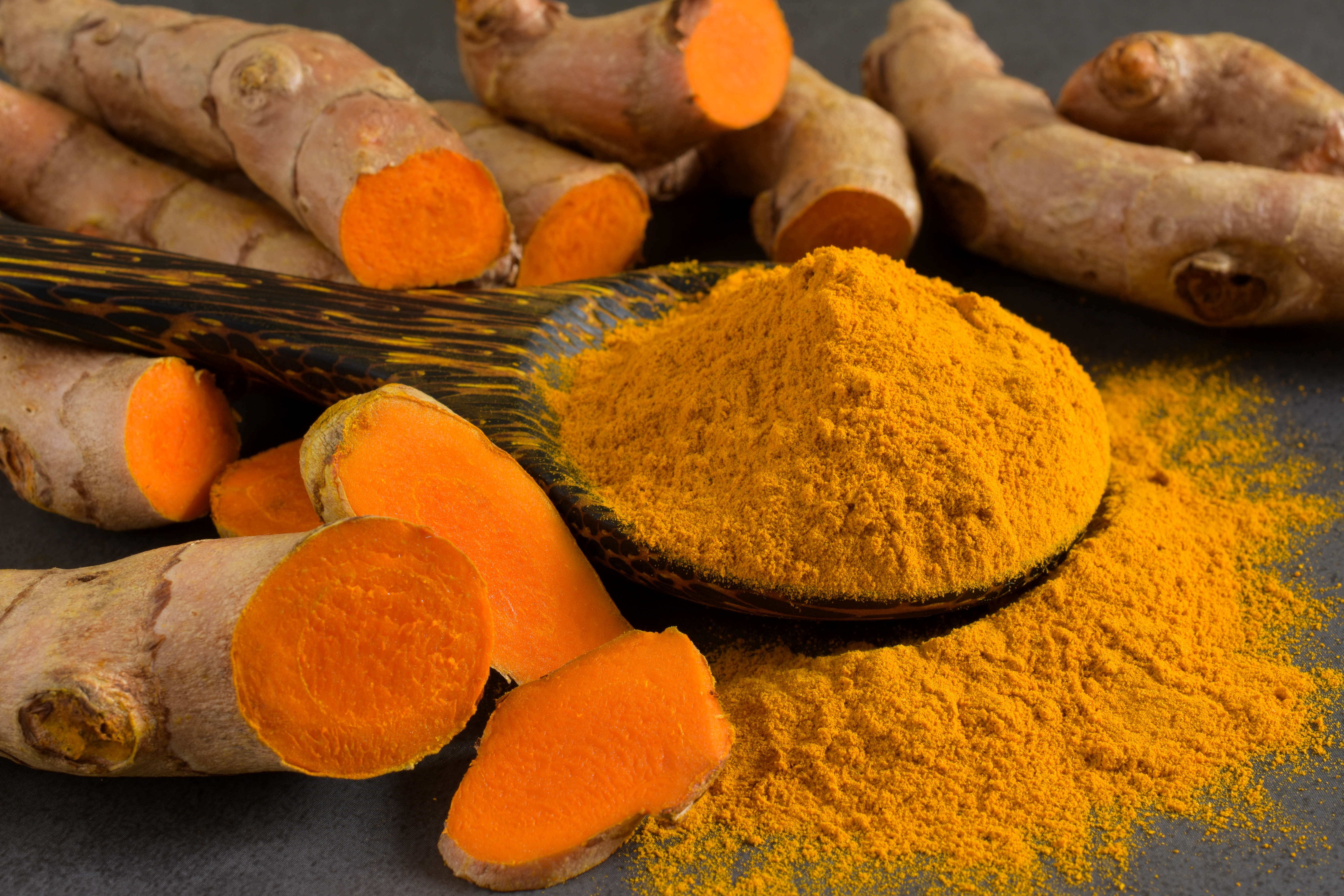
Turmeric is the deep golden root of Curcuma longa. Fresh turmeric looks a bit like ginger on the outside, but inside it has a rich orange-yellow color that can stain almost anything it touches. In the kitchen, it’s used in curries, rice dishes, soups, and warm drinks. In herbal wellness, it’s valued for the plant compounds it contains.
Curcumin gets most of the attention because it’s the best-studied compound in turmeric. That’s why many supplements highlight it on the label. Still, turmeric is more than curcumin alone. The whole root contains a mix of natural compounds, and some people prefer using the spice itself as part of a daily food-based routine.
In simple terms, think of turmeric as the full orchestra and curcumin as the lead violin. The lead matters, but it’s not the whole performance.
Turmeric root, powder, tea, and capsules all work a little differently
Fresh turmeric root works well in cooking, smoothies, and homemade tea. It has a bright, earthy taste and gives food a vivid color. Powdered turmeric is the most common form because it’s cheap, easy to store, and simple to add to meals.
Turmeric tea offers a lighter, gentler option. It’s less concentrated than a supplement, but many people enjoy it as part of a calming daily habit. Tinctures are liquid extracts that some people like for ease of use, though strength can vary by brand.
Capsules and other supplements are different. They often contain turmeric extract or curcumin in a more standardized amount. That can be helpful if someone wants convenience or a product with clearer dosing.
Why absorption matters more than most people realize
Here’s the catch: curcumin doesn’t absorb well on its own. You can take it, but your body may not use much of it without extra help. That’s one reason turmeric supplements vary so much in design.
Many products add black pepper extract, often listed as piperine, because it may improve absorption. Taking turmeric with a meal that contains some fat can also help, since curcumin isn’t water-friendly. A warm curry made with olive oil or coconut milk makes more sense than dry turmeric stirred into plain water.
That doesn’t mean one method is perfect for everyone. It simply means how you take turmeric can matter as much as how much you take.
The main turmeric benefits people care about most
People usually reach for turmeric for one reason: they want steady, natural support for how they feel day to day. Research on turmeric and curcumin is still growing, and the results are mixed in some areas. Even so, a few wellness benefits come up again and again.
May help support a healthy inflammation response
Inflammation sounds technical, but the basic idea is simple. Your body uses it as part of its normal response to stress, strain, and injury. The trouble starts when that response gets out of balance over time.
Turmeric is popular because curcumin may help support a healthy inflammation response. That’s why many active adults, older adults, and people with occasional joint stiffness keep it on their radar. It isn’t a fast-acting fix like flipping a switch. Instead, many people use it more like a steady background habit, similar to stretching or walking.
This is also where expectations matter. Turmeric may support comfort and mobility for some people, but it won’t replace medical treatment for ongoing pain or serious joint issues. If symptoms are persistent or worsening, it’s smart to get checked.
Can be soothing for digestion and gut comfort
Turmeric has a long traditional history in digestive wellness. Many people use it after heavy meals or during times when they feel a bit bloated, sluggish, or off balance. Its warm, earthy nature makes it a natural fit in foods and drinks that people already associate with comfort.
Some people find turmeric especially pleasant in teas, broths, and simple meals. If digestion is your main focus, it can pair nicely with other gentle options, including best digestive herbal teas. That kind of food-first approach feels manageable for a lot of people.
Still, more isn’t always better. Large amounts may upset the stomach in some cases, so a smaller daily amount may be easier to tolerate than a big dose all at once.
Simple ways to use turmeric every day
Turmeric is easiest to stick with when it fits into routines you already enjoy. Daily use doesn’t need to look fancy or expensive.
Easy food and drink ideas, from golden milk to soups and teas
A pinch of turmeric can go into scrambled eggs, roasted vegetables, rice, lentils, soups, or salad dressings. It adds warmth more than heat, so it blends well with garlic, ginger, cinnamon, and cumin. For better absorption, many people pair it with black pepper and a source of fat when it makes sense in the recipe.
Golden milk is one of the simplest options. Warm milk or a plant-based milk, then add turmeric, a little black pepper, and spices like cinnamon or ginger. Some people also stir it into smoothies, although the flavor tends to shine more in warm drinks and savory meals.
Turmeric tea is another easy habit. Fresh slices or powder can be steeped with ginger and lemon for a soothing cup. If evening rituals help you stay consistent, you might also enjoy calming teas for stress relief alongside turmeric-based drinks.
When a supplement may make more sense than the spice jar
Sometimes the spice jar isn’t enough. A supplement may make more sense if you want a more consistent amount, don’t enjoy the taste, or don’t cook often. Travel, busy schedules, and convenience matter too.
That said, supplements ask a bit more from the buyer. Read the label, note the serving size, and follow directions. Don’t assume that the strongest-looking product is the best one. For many people, a moderate, well-made supplement is a better fit than a mega-dose formula with big promises.
If you take medicines, are pregnant, or manage a health condition, talk with a healthcare professional before starting a turmeric or curcumin supplement.
Turmeric safety, side effects, and who should be careful
Turmeric has a healthy image, and in many cases that’s fair. Still, natural doesn’t always mean risk-free, especially in concentrated supplement form.
Common side effects and smart dosing habits
The most common side effects are digestive. Some people get stomach upset, nausea, cramping, or loose stools, especially with larger amounts. If that happens, backing off the dose often helps.
A simple rule works well here: start small. Give your body time to respond before adding more. Taking turmeric with food may also make it easier on the stomach.
Capsules can be convenient, but they can also make it easy to take more than you need. That’s one reason food-based use appeals to many people. It’s usually gentler and easier to work into daily life.
Medication interactions and health conditions to keep in mind
This section matters. People who take blood thinners or other medicines should be careful with high-dose turmeric or curcumin supplements because interactions are possible. The same goes for anyone with gallbladder issues, since turmeric may not be appropriate in that setting.
Pregnant people, those who are breastfeeding, and anyone managing an ongoing medical condition should check with a healthcare professional before using supplements. That advice is even more important with concentrated extracts than with normal culinary use.
Turmeric as a spice in food is one thing. High-dose curcumin capsules are another. The difference isn’t small, and treating them as the same can lead to mistakes.
How to choose a good turmeric product without getting overwhelmed
Store shelves can make turmeric feel more confusing than it needs to be. The easiest way to shop is to focus on a few basics and ignore flashy claims.
First, decide on the form you want. If you mainly want a kitchen staple, plain organic turmeric powder may be enough. If you want convenience or a more measured amount, a capsule may fit better. Next, check the ingredient list. A shorter, clearer list is often easier to trust than one packed with extras.
Then look for absorption support. Some products include black pepper extract, while others use special delivery systems. You don’t need to chase every new feature, but it helps to know why it’s there. After that, look for third-party testing or other signs of quality control. That adds confidence that the product contains what the label says.
Finally, stay alert for hype. A good turmeric product should sound useful, not magical. If the label reads like a miracle story, step back. Real wellness tools usually make modest promises.
Conclusion
Turmeric has earned its place in many wellness routines because it’s simple, flexible, and rooted in both tradition and modern interest. This vibrant yellow root, known for its active compound curcumin, has been celebrated for centuries in various cultures for its potential health benefits. Used thoughtfully, turmeric may support joint comfort, digestion, and general well-being, whether you prefer food, tea, or supplements. Its versatility allows you to seamlessly incorporate it into your diet, enhancing everything from savory dishes to smoothies or even herbal teas.
Pick the form that fits your goals, whether that means adding a dash of turmeric to your favorite recipes or opting for a concentrated supplement for convenience. Stay consistent in your use, and keep expectations realistic, as the most significant benefits emerge over time. A bright yellow root can be helpful, but smart, safe use is what truly makes it worthwhile; balance and moderation in consumption will not only maximize its effectiveness but also help you achieve lasting wellness.
Stay Connected for More Natural Living Inspiration
If you enjoyed this post about herbal wellness and love discovering natural ways to refresh your home and wellness, don’t miss out on future recipes and clean-living tips! Subscribe to the blog for weekly DIYs, wellness inspiration, and herbal remedies delivered straight to your inbox.
Don’t forget to visit my Amazon storefront for the links to my favorite essential oils, herbal teas, and natural recipes. I also create YouTube ambiance videos for sleeping; a channel I created to help people who have trouble sleeping. The link to all social media content is here.
Thanks for coming by!



Leave a Reply