
DISCLAIMER: I am not a doctor, and you should consult your healthcare professional before starting any health regimen. Product links are commissioned and supports the blog)

Key takeaways
- Sage is a bold, earthy herb that works in the kitchen, in gentle tea routines, and in scent-based self-care.
- Common sage and clary sage are related, but they are not the same plant.
- Use sage in food amounts, and treat supplements and essential oils with care.
- Three easy ways to try it at home are tea, brown butter sauce, and roasted potatoes.
Sage is one of those herbs that feels modest until you smell it. A few leaves can turn a plain meal into something warm, savory, and memorable.
People still love sage because it fits into everyday life so easily. It belongs in stuffing, soups, and roasted vegetables, but it also shows up in calming tea habits and aromatherapy routines. The notes below show what sage is, how to use it safely, and three simple ways to try it at home.
What sage herb is and why it stands out
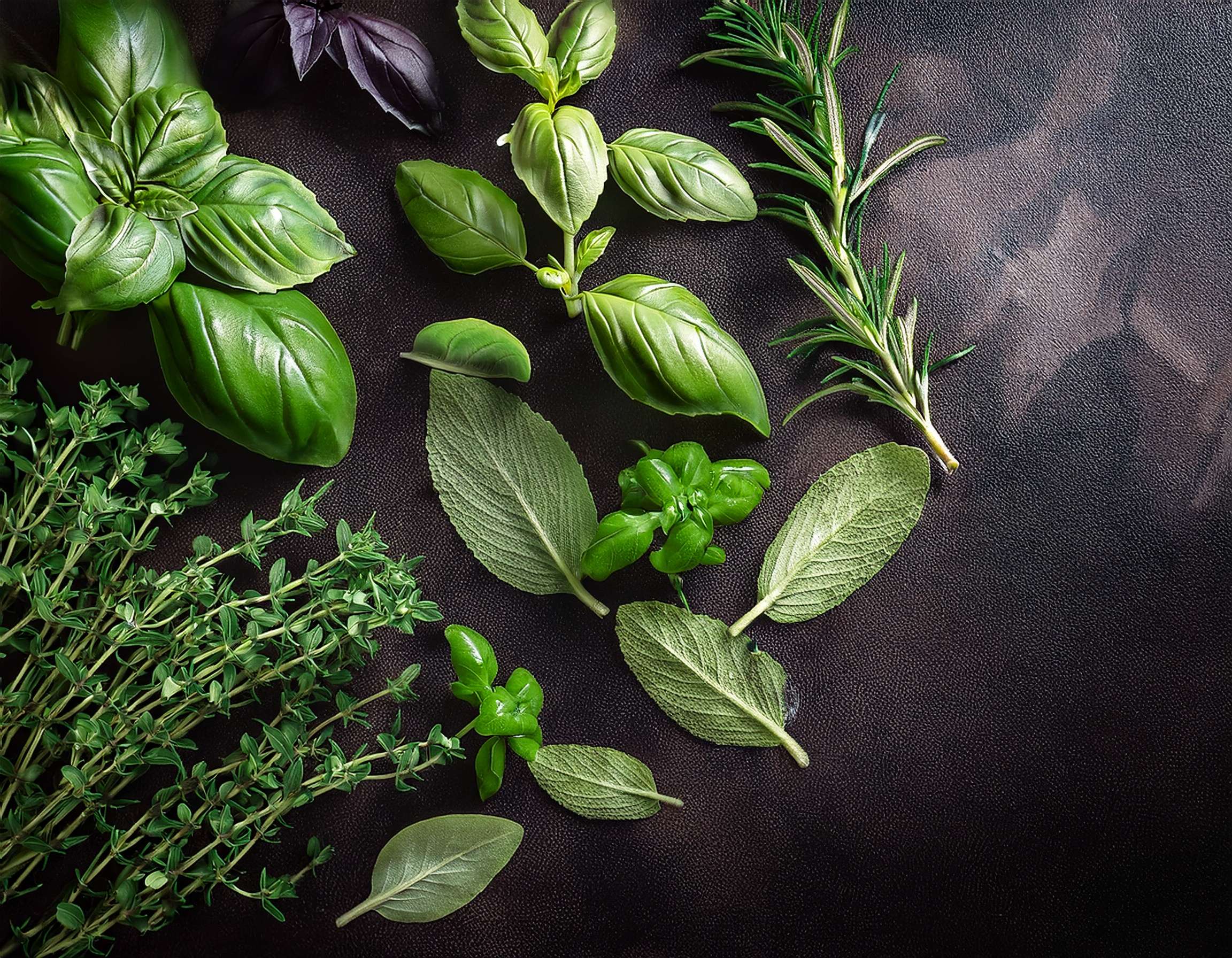
Sage is a leafy herb in the mint family with a strong, earthy scent. The leaves feel soft and slightly fuzzy, and the flavor is woodsy, peppery, and a little bitter.
In a garden, sage looks sturdy rather than delicate. The leaves are usually gray-green, and the plant can spread into a low, full clump. Dried sage smells concentrated, almost like warm sun on a dry hillside. In the kitchen, it brings depth fast, so even a small amount changes the whole dish.
Sage has a long history in cooking and home wellness traditions. People have used it in teas, rinses, and household scent practices for generations. That history is part of its appeal, but the herb also works because it is simple and practical.
A quick look at sage leaves, aroma, and flavor
If you rub a fresh sage leaf between your fingers, the scent rises quickly. It smells clean, sharp, and a little resin-like. The taste follows that same path, with a dry, savory note that holds up well in rich food.
A small bundle of sage on the counter can look plain at first. Then the leaves release that deep aroma, and the whole kitchen feels warmer. Dried sage is even more intense, so a teaspoon often goes a long way.
Common sage vs. clary sage
These two plants are related, but they have different uses. Common sage is the herb most people cook with. Clary sage is better known for its scent and essential oil.
A simple comparison helps keep them straight.
| Feature | Common sage | Clary sage |
|---|---|---|
| Scientific name | Salvia officinalis | Salvia sclarea |
| Usual use | Cooking herb | Aroma, essential oil, herbal use |
| Kitchen use | Common and familiar | Not the usual cooking sage |
| Main point | The herb for meals | The sage more often linked to scent |
If you want the herb for roasted chicken or potatoes, choose common sage. If you see clary sage in a scent blend, that is a different plant with a different role.
How people use sage in everyday life
Sage has earned its place in the home because it does more than season food. It can also bring a sense of calm, routine, and comfort.
Sage in the kitchen
In cooking, sage is a classic match for rich, hearty foods. It fits stuffing, roasted vegetables, soups, sauces, meats, and potatoes. The flavor is strong, so restraint matters.
A few chopped leaves in browned butter can coat pasta with a deep, nutty taste. Sage also works well with butter, olive oil, garlic, onion, squash, and chicken. Since the herb tastes bold, it is easy to overdo. Start small, then add more only if the dish needs it.
Sage tea and gentle herbal use
Sage tea is usually made by steeping fresh or dried sage leaves in hot water. People often reach for it when they want a warm, simple cup that feels soothing. It has a clean, savory flavor, so it tastes different from floral teas.
Some people drink sage tea as part of a quiet evening routine or after a meal. If you enjoy that kind of ritual, herbal teas to soothe digestion can give you more options for your shelf. Sage tea is not a cure-all, but it can be part of a small self-care habit that feels steady and comforting.
Sage tea works best as a gentle habit, not a strong remedy.
Sage essential oil in aromatherapy
Sage essential oil is used for scent, not for drinking. In a diffuser, a tiny amount can make a room feel fresh and clear. Some people like the aroma during reading, journaling, or quiet cleaning time.
The scent is often used to support focus or relaxation in a space. It can feel crisp and herbal, especially when mixed with other calming oils. If you enjoy scent-based routines, the atmosphere matters as much as the oil itself. A few breaths in a quiet room can feel like a reset.
For evenings when you want more tea ideas, effective herbal teas for relaxation is a useful next read.
The wellness benefits and safety notes readers should know
Sage has a long place in traditional herbal use. People have relied on it for comfort, especially in teas, gargles, and simple home remedies. Common uses include throat comfort, digestion support, congestion relief, and mouth care.
These uses are rooted in tradition and everyday practice. They are not the same as medical treatment, but they explain why sage still shows up in wellness routines today. A warm sage tea after a heavy meal can feel calming, and a mild gargle has long been part of folk care.
Traditional uses people have relied on for years
Herbal traditions often treat sage as a kitchen herb first and a comfort herb second. That makes sense, because it is easy to keep on hand and simple to prepare. Some people sip it when their throat feels scratchy, while others use it as part of a light digestive routine.
The same herb that seasons soup can also support a quiet moment. That is part of its charm. It fits into daily life without demanding much.
When to be cautious with sage
Common sage is generally safe in normal food amounts for most people. The main concerns come with large doses, supplements, and essential oil. Some sage contains thujone, and too much can cause unwanted effects.
Sage essential oil should not be swallowed. It also needs dilution if it is used on the skin or in a diffuser. People who are pregnant or breastfeeding should be especially careful with sage supplements and strong medicinal use.
In short, sage is best kept simple. Use it in the kitchen, use tea with care, and treat concentrated products with respect.
Three easy sage recipes to try at home
These recipes are simple enough for a weeknight, and they all use sage in a way that feels natural. Start with one, then try another when you want more.
Simple sage tea for a cozy herbal cup
This is the easiest place to begin if you want to taste sage on its own.
- Add 1 teaspoon dried sage or 3 to 5 fresh leaves to a mug.
- Pour in 1 cup of hot water.
- Steep for 5 to 7 minutes.
- Strain the leaves, then drink plain or with a little honey.
Fresh sage gives a softer taste. Dried sage tastes stronger. If the flavor feels too sharp, shorten the steeping time next time.
Brown butter sage sauce for pasta or vegetables
This sauce tastes rich, nutty, and full of comfort.
- Melt 4 tablespoons butter in a skillet over medium heat.
- Add 6 to 8 sage leaves.
- Cook for 2 to 3 minutes, until the butter smells nutty and turns golden.
- Toss with pasta, roasted squash, or mashed potatoes.
- Finish with a pinch of salt and black pepper.
The leaves crisp as they cook, and the butter picks up a warm, herbal flavor. A small pan of this sauce can turn a plain meal into something special.
Roasted potatoes with sage and olive oil
This recipe is simple, cheap, and easy to repeat.
- Heat the oven to 425°F.
- Cut 1 1/2 pounds of potatoes into bite-size chunks.
- Toss them with 2 tablespoons olive oil, 1 tablespoon chopped sage, salt, and pepper.
- Spread the potatoes on a baking sheet.
- Roast for 30 to 35 minutes, flipping once, until the edges are crisp.
Serve them with eggs, chicken, or a simple salad. The sage turns crisp in the oven and leaves a warm flavor on the potatoes.
Conclusion
Sage earns its place because it does a lot with very little. It seasons food beautifully, enhancing the flavors of both simple and complex dishes, fits seamlessly into gentle tea habits, providing a soothing experience, and adds a clean herbal note to scent routines, making it a versatile addition to any home. Beyond its culinary uses, sage is known for its therapeutic properties, often employed in incense and essential oils to promote relaxation and clarity of mind, thus enriching both the palate and the atmosphere in which it is enjoyed.
Use it simply, and keep safety in mind, especially with concentrated products. If you want an easy starting point, try the sage tea or the roasted potatoes first. A small herb can still bring a lot of comfort to the table.
Stay Connected for More Natural Living Inspiration
If you enjoyed this post about herbal wellness and love discovering natural ways to refresh your home and wellness, don’t miss out on future recipes and clean-living tips! Subscribe to the blog for weekly DIYs, wellness inspiration, and herbal remedies delivered straight to your inbox.
Don’t forget to visit my Amazon storefront for the links to my favorite essential oils, herbal teas, and natural recipes. I also create YouTube ambiance videos for sleeping; a channel I created to help people who have trouble sleeping. The link to all social media content is here.
Thanks for coming by!

Leave a Reply